How Holistic Dentists Support Healing After Oral Surgery 

Recovering from oral surgery often raises concerns about discomfort, swelling, and how long healing will take. A dentist in 20866 who follows a holistic approach focuses on supporting the body’s natural healing process rather than relying heavily on medications or invasive techniques. By combining modern dental procedures with biologically focused methods, holistic dentists aim to reduce inflammation, improve tissue repair, and create a more comfortable recovery experience. 

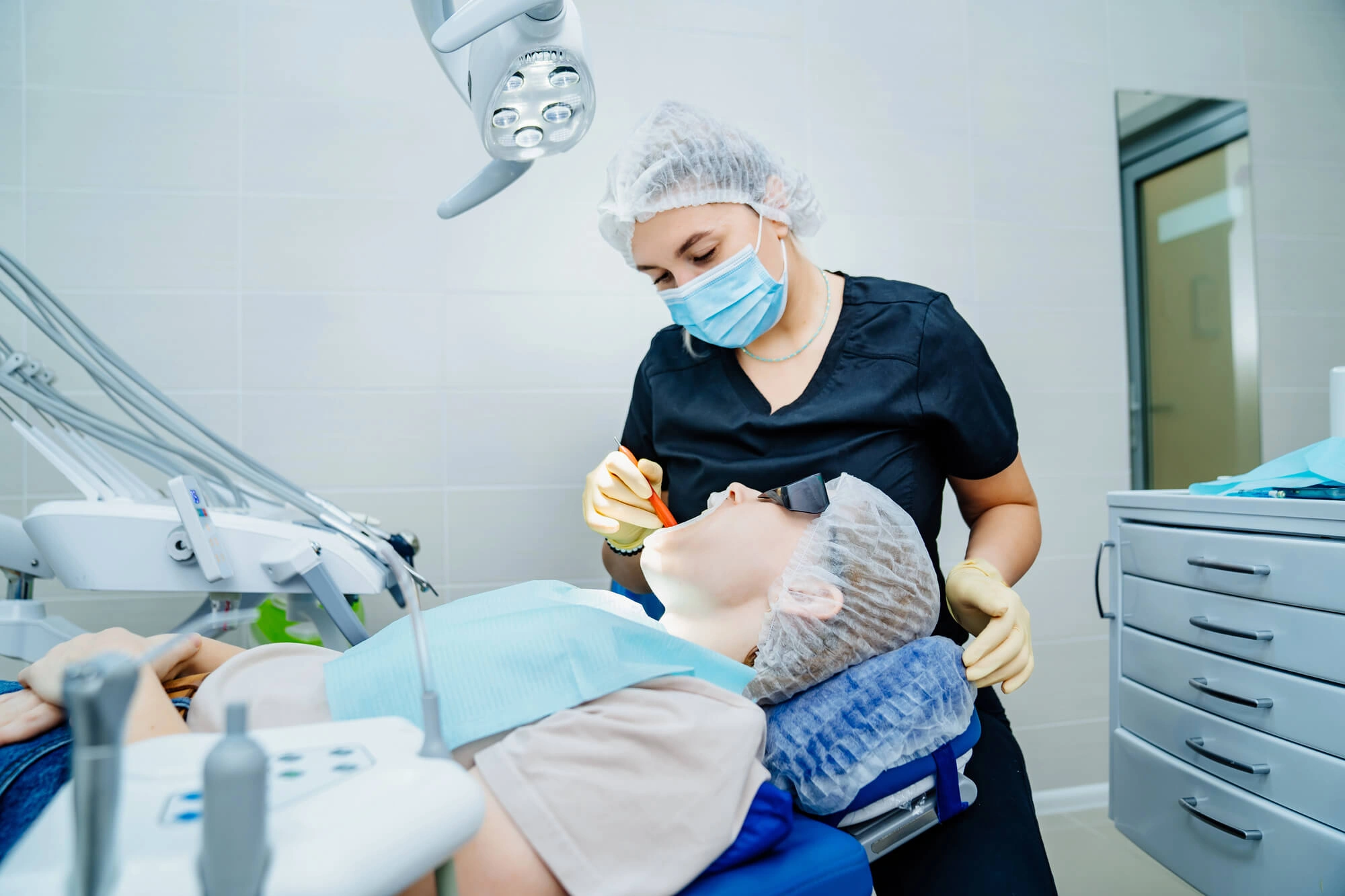
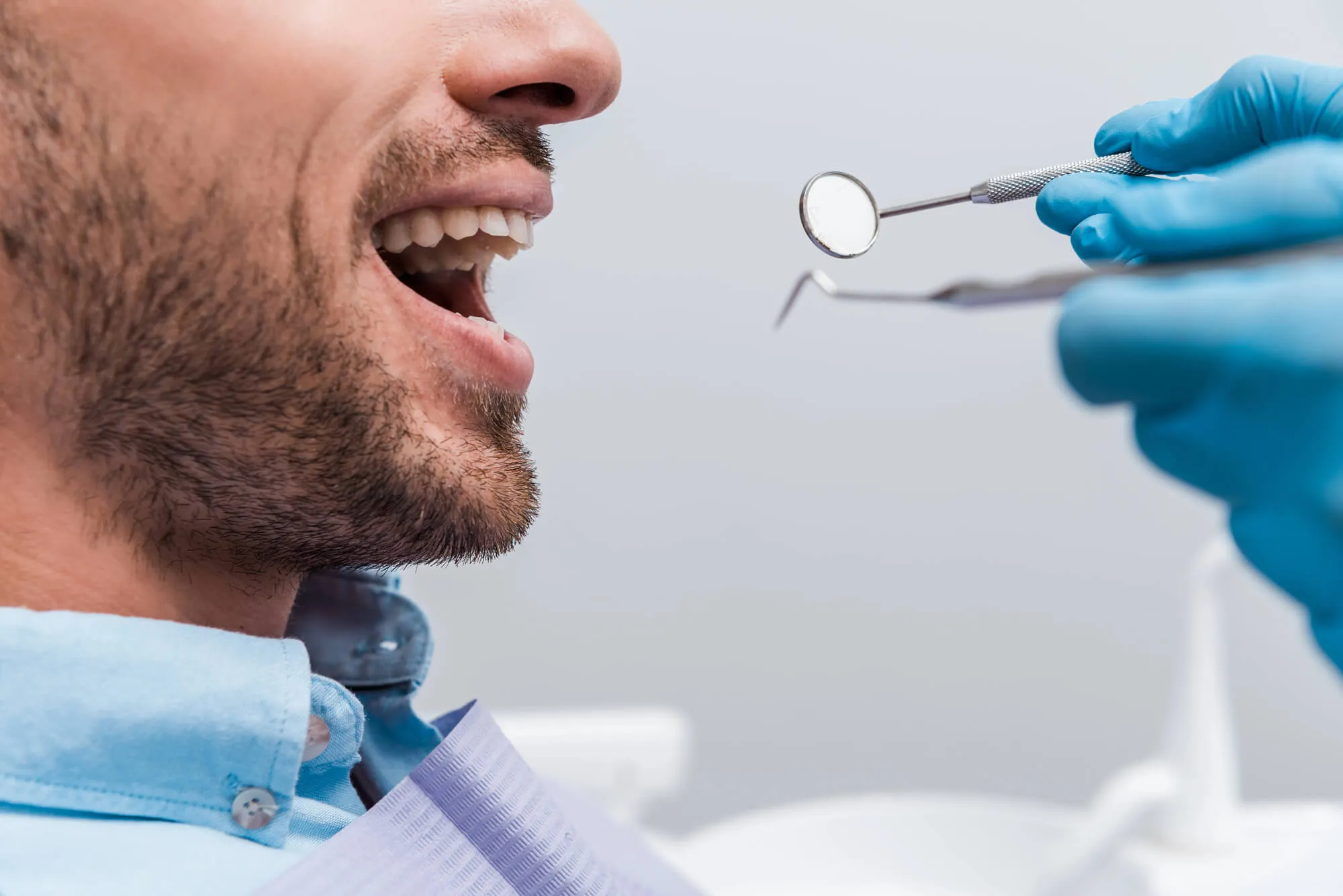
dentist in 20866 checking patient's teeth

What Makes Healing Different in Holistic Oral Surgery? 

Holistic oral surgery follows the same foundational principles as traditional procedures but places added emphasis on: 

  • reducing bacterial load  
  • supporting the body’s natural repair mechanisms  

Instead of focusing only on removing a tooth or completing a procedure, the goal extends to how the body heals afterward. This includes careful surgical techniques and the use of adjunct therapies that promote faster recovery and reduced discomfort. 

For example, holistic protocols often involve thoroughly cleaning the surgical site, removing infected tissue, and preparing the area in a way that supports optimal healing conditions.  

Key Techniques That Support Healing After Oral Surgery 

Platelet-Rich Fibrin (PRF) Therapy 

PRF is one of the most commonly used techniques in holistic oral surgery. It is created from a small sample of the patient’s own blood and processed to concentrate healing components. 

When placed in the surgical site, PRF can: 

  • support tissue regeneration  
  • reduce swelling  
  • help stabilize the healing area  

According to the clinic’s approach, PRF is often used during tooth extractions and implant procedures to encourage faster healing and minimize post-operative discomfort.  

Ozone Therapy for Infection Control 

Ozone therapy plays a major role in holistic dentistry. It involves applying oxygen-ozone gas or ozonated solutions directly to the treatment area. 

This method is used to: 

  • reduce harmful bacteria  
  • clean the surgical site  
  • promote oxygenation of tissues  

Ozone has antibacterial properties and can help improve healing conditions within the mouth. It is commonly used in extraction sites and other procedures to support recovery and reduce inflammation.  

Thorough Site Preparation 

Another important step involves preparing the extraction or surgical site carefully. This may include: 

  • removing the periodontal ligament  
  • clearing infected or unhealthy tissue  
  • cleaning the bone structure  

This process helps eliminate potential sources of infection and supports a cleaner healing environment.  

Minimally Invasive Techniques 

Holistic dentists aim to perform procedures in a way that minimizes trauma to surrounding tissues. 

This includes: 

  • careful tooth removal  
  • preserving bone structure  
  • limiting unnecessary interventions  

Less trauma during surgery often means: 

  • reduced swelling  
  • less discomfort  
  • improved healing time  

How These Techniques Support the Body’s Natural Healing Process 

Healing after oral surgery depends on several biological factors, including blood flow, immune response, and tissue regeneration. 

Holistic methods support these processes by: 

  • increasing oxygen supply to tissues  
  • reducing bacterial presence  
  • encouraging natural clot formation  

For example, ozone therapy can enhance circulation and reduce inflammation, while PRF provides growth factors that assist in tissue repair.  

Together, these approaches create an environment where the body can heal more efficiently without relying heavily on pharmaceuticals. 

Reducing Pain and Swelling After Surgery 

One of the main concerns patients have after oral surgery is discomfort. Holistic dentistry addresses this by focusing on techniques that naturally reduce inflammation. 

PRF and ozone therapy have both been associated with: 

  • decreased swelling  
  • reduced post-operative discomfort  
  • improved healing response  

These methods are used as part of the procedure itself, meaning recovery support begins immediately rather than after symptoms appear.  

dentist in 20866 wearing a mask

Supporting Healing After Tooth Extraction and Implants 

Holistic approaches are often applied in procedures such as: 

  • tooth extractions  
  • dental implant placement  
  • bone grafting  

In some cases, implants may even be placed on the same day as an extraction to reduce the need for multiple procedures and support efficient healing.  

By preparing the site thoroughly and using healing-focused therapies, dentists aim to: 

  • reduce the risk of complications  
  • support bone integration  
  • maintain healthy surrounding tissue  

Limiting the Use of Medications 

Another key aspect of holistic dentistry is reducing reliance on unnecessary medications when possible. 

This approach may involve: 

  • avoiding excessive use of antibiotics  
  • limiting chemical exposure  
  • using natural adjunct therapies instead  

Ozone therapy, for instance, can help manage bacteria without introducing additional chemicals into the body.  

This aligns with a broader focus on supporting overall health while still maintaining effective dental care. 

The Connection Between Oral Healing and Overall Health 

Holistic dentistry emphasizes that oral health is closely connected to the rest of the body. 

After oral surgery, proper healing is important not only for: 

  • the mouth  
  • surrounding tissues  

but also for: 

  • immune function  
  • inflammation levels  
  • overall wellbeing  

By reducing infection and supporting tissue repair, holistic techniques contribute to a more balanced recovery process. 

What Patients Can Expect After a Holistic Procedure 

Patients undergoing holistic oral surgery can expect: 

  • a carefully planned procedure  
  • supportive therapies applied during treatment  
  • a focus on comfort and recovery  

While healing timelines vary, many patients experience: 

  • less swelling  
  • reduced discomfort  
  • smoother recovery  

This is largely due to the combination of precise surgical methods and biologically supportive treatments used during the procedure. 

Why the Approach to Healing Matters 

The way a dental procedure is performed can influence how the body responds afterward. A focus on healing during the procedure—not just after—can make a noticeable difference in recovery. Holistic dentistry considers how each step of the process affects tissue response, inflammation, and overall comfort once the procedure is complete. 

This approach integrates: 
• surgical precision 
• infection control 
• natural healing support 

By combining these elements, dentists can create a cleaner and more stable environment for healing. Careful techniques help minimize unnecessary trauma, while therapies like ozone and PRF support the body’s natural repair processes. As a result, patients may experience a smoother recovery with less swelling and improved tissue response, allowing the body to restore itself more efficiently over time. 

dentist in 20866

Work with a Dentist in 20866 Who Focuses on Healing 

If you are planning a dental procedure, choosing a dentist in 20866 who prioritizes healing can influence your recovery experience. Holistic techniques such as PRF and ozone therapy are designed to support your body during and after oral surgery while reducing unnecessary interventions. 

Schedule a consultation with Maryland Holistic Dentist today to learn how a biologically focused approach to oral surgery can support your comfort, healing, and long-term oral health. 

Why a Holistic Dentist May Ask About Your Diet, Sleep, and Stress

A dental visit can sometimes feel routine until unexpected questions come up about sleep habits, daily meals, or stress levels. These topics might seem unrelated to teeth at first. A holistic dentist in Burtonsville, MD, asks these questions because daily habits influence your teeth, gums, comfort, and how your smile stays healthy over time. Understanding these connections helps dentists plan care that supports both your smile and the way your mouth functions day to day. 

How Lifestyle Habits Shape Oral Health 

Holistic dentistry looks at patterns that influence the mouth over time. Diet, sleep, and stress affect saliva flow, inflammation, jaw function, and healing capacity. By learning about these areas, dentists gain context that guides safer material choices, preventive care, and long-term planning. 

Diet and Its Influence on Teeth and Gums 

Food choices shape the oral environment. Sugars and acidic drinks can change pH levels, encouraging bacteria that affect enamel and gum tissue. Frequent snacking keeps acids active longer, while balanced meals allow saliva to neutralize the mouth. 

A holistic dentist often asks about: 

  • Frequency of sugary snacks or drinks 
  • Hydration habits 
  • Intake of whole foods that support tissue repair 
  • Patterns such as late-night eating 

Nutrition also affects bone and gum stability. Vitamins like D and calcium support strong enamel and jawbone health. Protein supports tissue repair after dental procedures. These connections help dentists guide preventive care and recommend materials that match each patient’s needs. 

Sleep Quality and Oral Function 

Sleep affects how the jaw, airway, and muscles behave overnight. Poor sleep or breathing issues may lead to clenching, grinding, or mouth breathing. These patterns can cause enamel wear, jaw tension, and gum irritation. 

Holistic dental visits often include questions about: 

  • Snoring or restless sleep 
  • Morning headaches or jaw soreness 
  • Dry mouth upon waking 

These clues help dentists evaluate airway function and bite stability. Advanced imaging, such as CBCT scans, may reveal structural factors that influence breathing and jaw alignment. Early awareness supports preventive care before symptoms progress. 

Stress and Its Impact on Oral Comfort 

Stress affects muscle tension and immune response. Clenching or grinding often increases during stressful periods. Gums may feel more sensitive, and healing after dental work may take longer. 

Dentists ask about stress to understand patterns such as: 

  • Jaw soreness during busy periods 
  • Headaches linked to clenching 
  • Changes in oral hygiene routines 

These observations guide recommendations like bite adjustments, protective night guards, or gentle therapies that support tissue comfort. 

Why Holistic Dentists Ask Personal Questions 

Lifestyle questions allow dentists to plan care that fits real life. Instead of focusing solely on visible dental concerns, holistic care considers the underlying causes. 

Creating More Personalized Treatment Plans 

Every mouth responds differently to dental materials and procedures. A patient with dry mouth may need different restorative materials than someone with strong saliva flow. A patient with clenching habits may need bite support before cosmetic work. 

Understanding lifestyle patterns helps dentists choose: 

  • Biocompatible restorations such as ceramic or BPA-free composites 
  • Ozone therapy to support tissue health during certain treatments 
  • Preventive strategies that reduce irritation 

This approach aligns dental care with comfort and long-term stability. 

Supporting Prevention Before Problems Grow 

Prevention is central to holistic dentistry. Lifestyle patterns often signal early changes before discomfort appears. By discussing diet, sleep, and stress, dentists can identify risks sooner and suggest simple adjustments that support oral health. 

Examples include: 

  • Timing meals to protect enamel 
  • Addressing mouth breathing that dries tissues 
  • Monitoring clenching patterns before teeth wear down 

These steps help maintain balance in the oral environment. 

Improving Communication and Trust 

Holistic dental care values clear conversation. Patients can share concerns, ask questions, and discuss goals before treatment begins. This open dialogue helps dentists recommend options that align with comfort levels and health priorities. 

Why These Questions Matter Before Treatment 

Before recommending procedures such as fillings, root canal therapy, extractions, or implant placement, holistic dentists consider lifestyle factors that may influence healing and long-term stability. A patient who grinds during sleep may benefit from bite support before restorative work. Someone with chronic dry mouth may need preventive care that protects enamel before cosmetic treatment. 

These insights also guide choices like metal-free restorations, zirconia implants, ozone therapy for tissue support, and airway-focused evaluations. By reviewing diet, sleep, and stress early, dentists can avoid repeating procedures caused by the same underlying habits. 

How Holistic Dentistry Uses This Information 

Lifestyle details guide every stage of care, from exams to restorative planning. 

Biocompatible Material Selection 

Holistic dentists avoid materials that may irritate tissues or trigger sensitivities. Knowing a patient’s health history, allergies, and past dental experiences helps determine whether ceramic restorations, zirconia implants, or BPA-free composites are appropriate choices. These materials are selected for durability, comfort, and compatibility with surrounding teeth and gums. 

Careful planning also considers how restorations interact with bite pressure and saliva levels. This thoughtful approach helps reduce irritation, supports steady healing, and allows dental work to feel more natural in daily use. Patients often appreciate knowing why certain materials are recommended and how they support lasting comfort and predictable results. 

Airway and Bite Evaluation 

Sleep and breathing patterns affect jaw alignment and tooth wear. Dentists assess tongue posture, palate shape, lip seal, and bite function to identify patterns linked to clenching, mouth breathing, or airway restriction. These observations help explain symptoms such as morning jaw soreness, dry mouth, or uneven enamel wear. 

When patterns are identified early, dentists can suggest preventive steps that support comfort and stability. These may include custom night guards, airway-focused referrals, bite adjustments, or periodic monitoring of structural changes.  

Early evaluation helps protect teeth from excess pressure and supports healthier breathing habits that benefit both oral comfort and long-term dental health. 

Gentle Therapies That Support Healing 

Holistic practices often incorporate ozone therapy or PRF-supported procedures to help maintain a balanced oral environment. These techniques support tissue comfort while limiting chemical exposure. 

When combined with lifestyle awareness, they create care plans that respect natural healing processes.

Get Support from a Holistic Dentist in Burtonsville, MD 

If questions about diet, sleep, or stress came up during your visit, they were part of a thoughtful approach to care. Maryland Holistic Dentist focuses on prevention, biocompatible materials, and patient education to support long-term oral stability. Their philosophy blends modern diagnostics with compassionate communication, helping patients maintain healthy teeth and gums while respecting the body’s natural balance. 

Schedule a consultation to learn how holistic dental care can support comfort, clearer breathing, and stronger oral health for years ahead. 

When to Call an Emergency Biological Dentist Instead of Waiting It Out

Dental discomfort often begins in a way that feels manageable. A dull ache, sudden sensitivity, or mild gum soreness might seem like something you can wait out. Sometimes it fades. Other times, it progresses into pain that disrupts eating, sleeping, and daily focus.

If you’re unsure whether it’s serious, an emergency biological dentist can assess what’s happening before discomfort builds. Emergency care isn’t only for obvious injuries. It’s also for symptoms that signal inflammation, infection, or structural damage that may worsen over time.

Biological emergency dentistry adds another layer to urgent care.

The goal is still fast relief and stability, but the approach often includes conservative planning, careful material selection, and support for healthier tissue response.

Emergency biological dentist checking patient's tooth

What an Emergency Biological Dentist Means in Simple Terms

An emergency biological dentist provides urgent dental care while following a biological or holistic approach to dentistry. In simple terms, that usually means the dentist focuses on stabilizing the problem quickly while also considering:

  • the health of the surrounding tissues
  • how materials interact with the body
  • how to preserve tooth structure when possible
  • supportive techniques that reduce unnecessary chemical exposure

Emergency dentistry still relies on modern diagnostics and evidence-based care. The difference lies in the added emphasis on biocompatibility and thoughtful planning, even when time is short.

When to Call Instead of Waiting It Out

Some symptoms come with obvious warning signs. Others start mildly and become disruptive later. These are the situations where calling sooner is often the better decision.

Persistent Tooth Pain That Doesn’t Ease

Pain that keeps returning is rarely random. It may reflect pressure, inflammation, or irritation inside the tooth or in the surrounding tissues.

Call if you notice:

  • pain that returns in the same area repeatedly
  • discomfort that worsens with chewing
  • throbbing pressure that becomes harder to ignore
  • pain that affects sleep or concentration

Even if pain comes and goes, it may still point to a problem that needs attention before it becomes more complex.

Swelling in the Gums, Face, or Jaw

Swelling is one of the clearest signs that waiting may not be worth the risk. Gum swelling near one tooth or facial puffiness can progress quickly.

Call if you have:

  • a raised or tender bump on the gums
  • swelling along the cheek or jawline
  • tissue tightness that feels pressured or sore
  • facial tenderness that appears suddenly

Even mild swelling can change rapidly, which is why urgent evaluation matters.

A Cracked or Broken Tooth

Cracks and fractures can behave unpredictably. Some cause immediate pain. Others stay quiet until the tooth becomes more vulnerable or a deeper layer is exposed.

Call if:

  • a tooth feels sharp or unstable
  • chewing creates sudden pressure pain
  • cold sensitivity appears unexpectedly
  • you notice a visible crack line

Getting ahead of a crack can reduce the chance of the tooth breaking further.

A Lost Filling or Loose Crown

A lost filling can feel minor if pain hasn’t started yet. Still, the tooth underneath may be exposed to bacteria, temperature changes, and chewing pressure.

Call if:

  • a filling fell out, and the tooth feels hollow
  • cold drinks cause sharp discomfort
  • food gets trapped repeatedly in the space
  • a crown shifts or feels unstable

Early stabilization helps protect the tooth until a long-term restoration is placed.

Emergency biological dentist talking to patient in pain

Pain That Worsens at Night

Nighttime dental pain is common and often more intense. Lying down can increase pressure around inflamed tissues, making symptoms harder to ignore.

Call if you notice:

  • pulsing pain that spikes at night
  • pressure that radiates into the jaw or ear
  • discomfort that prevents sleep
  • pain that doesn’t settle with basic home care

If pain is keeping you awake, that is a clear sign it deserves prompt attention.

Why Some People Prefer Biological Care During Dental Emergencies

Urgent dental care needs to be quick and clear. A biological approach still focuses on relief but often pays closer attention to how that relief is delivered.

Biocompatible Materials Still Matter

Emergency visits sometimes involve repairing a filling, restoring a damaged area, or planning the next steps. Biological dentistry often prioritizes materials chosen for compatibility, including metal-free options when appropriate.

This can matter for patients who:

  • prefer mercury-free dentistry
  • have sensitivities to certain materials
  • want choices that align with a holistic philosophy

Even in urgent situations, many patients appreciate knowing their care plan reflects long-term comfort, not just short-term relief.

Supportive Techniques That Help Maintain Tissue Health

Some holistic dental practices use ozone dentistry as a supportive method during certain procedures. Ozone can help create a cleaner oral environment and may support tissue comfort as part of a broader approach to infection control.

It’s important to frame ozone properly. It is not a one-step answer for every emergency. Instead, it may be one tool used alongside exams, imaging, and treatment planning, depending on what the dentist finds.

Thoughtful Planning Instead of Rushed Decisions

Emergency care is about stabilizing the situation. It doesn’t always require immediate aggressive steps. Biological emergency dentistry often supports careful decision-making, including:

  • preserving healthy tooth structure where possible
  • minimizing unnecessary tissue trauma
  • planning restorative steps in a measured way

For many patients, this style of care feels calmer, even when symptoms are urgent.

What to Do While Waiting for Your Appointment

If you are waiting to be seen, the goal is to protect the tooth and reduce irritation.

Helpful steps

  • chew on the opposite side
  • choose soft foods
  • brush gently around the area
  • rinse with warm water if gums feel irritated

Avoid

  • poking the area with sharp objects
  • chewing through sharp pain
  • delaying care if swelling is present

If symptoms escalate quickly, it’s worth calling back rather than waiting.

What Happens at an Emergency Visit

Emergency appointments are focused and efficient. Most visits include:

  • reviewing symptoms and how long they’ve been present
  • examining the tooth and surrounding tissues
  • taking imaging when needed
  • stabilizing the tooth or addressing the cause of pain
  • outlining next steps clearly

You should leave the appointment with clarity about what happened, what needs attention, and the available options.

Emergency biological dentist performing extraction

Looking for an Emergency Biological Dentist You Can Reach Out to Right Away?

Waiting can feel easier when symptoms are mild or inconsistent, but dental problems can shift quickly. If you have swelling, tooth pain, cracked teeth, or a lost filling, reaching out early can help you stay comfortable and prevent avoidable complications.

Maryland Holistic Dentist provides emergency dental care with a holistic approach, focusing on timely relief, careful evaluation, and treatment planning that prioritizes comfort and biocompatible support. If you need urgent help, scheduling an emergency evaluation can provide answers and stabilize symptoms sooner.

Contact us today to request an emergency appointment and get the support you need without unnecessary delays.

Why Holistic Dental Care Looks Closely at Breathing Habits

Breathing is something most people rarely think about. Yet, it has a profound influence on the mouth in subtle yet meaningful ways. Whether a person breathes primarily through the nose or the mouth can affect oral tissues, moisture balance, jaw position, and overall comfort. For families working with a pediatric holistic dentist in Maryland, breathing habits are viewed as an important part of oral health evaluation, not a separate concern. 

Holistic dental care takes a broader view of how everyday habits shape the oral environment. Instead of focusing only on teeth, this approach considers how breathing patterns interact with tissue health, function, and long-term oral stability. 

Understanding Mouth Breathing and Oral Health 

Mouth breathing occurs when airflow passes through the mouth instead of the nose during rest, sleep, or daily activity. While occasional mouth breathing may occur during congestion, habitual mouth breathing can have a lasting impact on the oral environment over time. 

The mouth relies on saliva to protect the enamel, support gum comfort, and maintain a balanced bacterial environment. Mouth breathing often reduces saliva flow, resulting in dryness and increased tissue sensitivity.  

Over time, this shift may contribute to irritation, changes in enamel, or discomfort that patients often notice without connecting it to their breathing habits. 

Holistic dental care recognizes these patterns early and evaluates them as part of a complete oral assessment. 

Why Holistic Dentistry Pays Attention to Breathing Patterns 

Breathing Influences Oral Function 

Breathing habits affect how the jaw rests, how muscles engage, and how oral tissues respond during daily use. Mouth breathing may be associated with jaw tension, clenching, or uneven tooth wear as the body adapts to changes in airflow. 

Holistic dentistry considers these signs collectively, rather than addressing them as isolated dental findings. This allows for more thoughtful planning that supports comfort and stability over time. 

Breathing and Oral Development in Children 

In children, breathing habits play a significant role in the development of oral structures. The position of the tongue, the width of the dental arches, and jaw alignment may all be influenced by long-term breathing patterns. 

pediatric holistic dentist observes these factors during routine visits, allowing for early awareness and monitoring. The goal is not to label a condition, but to support healthy development through prevention and education. 

Common Oral Signs Associated with Mouth Breathing 

Dry Mouth and Tissue Sensitivity 

 
Saliva plays an important role in protecting teeth and gums by neutralizing acids, supporting tissue health, and maintaining a balanced oral environment. Mouth breathing often reduces saliva flow, particularly overnight, which can leave oral tissues feeling dry or irritated upon waking.  

Gums may appear red, tender, or more sensitive than usual. Rather than viewing these changes as isolated hygiene concerns, holistic dental care evaluates whether breathing habits may be contributing to ongoing dryness or tissue discomfort. 

Enamel Wear and Tooth Changes 

 
A dry oral environment can make enamel more susceptible to wear. When mouth breathing occurs alongside clenching or grinding, teeth may show flattened biting surfaces, small fractures, or uneven wear patterns over time. These changes often develop slowly, making them easy to miss during daily routines. Holistic dentists assess these signs in context, examining functional habits and oral balance rather than focusing solely on surface damage. 

Jaw Tension and Facial Discomfort 

Breathing patterns influence how the jaw, neck, and facial muscles engage during rest and sleep. Mouth breathing may increase muscle activity as the body adapts to changes in airflow, leading to morning stiffness, tightness along the jawline, or facial soreness that typically eases as the day progresses. 

Because this discomfort often improves on its own, many patients overlook its connection to breathing habits. Holistic dental care recognizes these subtle patterns as part of overall oral function and comfort. 

How Holistic Dental Care Evaluates Breathing Habits 

Airway-Aware Dental Exams 

Holistic dentists observe how patients breathe at rest, how the tongue sits within the mouth, and whether the lips close comfortably. These observations provide insight into functional patterns that may affect oral balance. 

Evaluation of Oral Structures 

Palate shape, dental arch width, and jaw alignment are examined to understand how form and function interact. These structural features can reflect long-term breathing habits and help guide preventive care. 

Advanced Digital Imaging 

3D imaging enables dentists to visualize jaw position, airway space, and surrounding structures with greater detail. This information supports careful evaluation and long-term planning, without making assumptions or diagnoses outside the scope of dentistry. 

How Holistic Dentistry Supports Healthier Oral Conditions 

Supporting a Balanced Oral Environment 

Mouth breathing often alters the oral environment by reducing moisture and changing bacterial balance. Holistic dental care focuses on supporting tissue comfort and stability under these conditions. 

Ozone therapy is one tool used to help maintain a healthier oral environment. Rather than addressing breathing habits directly, ozone care supports bacterial balance and tissue health during cleanings or specific dental procedures. This gentle approach aligns with holistic dentistry’s emphasis on biocompatible support and minimal chemical exposure. 

Preventive, Minimally Invasive Care 

Holistic dentistry prioritizes prevention and tissue preservation. Cleanings, evaluations, and supportive therapies are selected to maintain balance and comfort while limiting unnecessary intervention. 

This philosophy is especially important for children whose oral structures are still developing. 

Education as Part of Holistic Dental Care 

Patient and parent education play a central role in holistic dentistry. Dentists explain how breathing habits, oral posture, and daily routines influence oral health over time. 

Understanding these connections empowers families to make informed choices and recognise patterns early. Education supports prevention rather than reaction, helping maintain stability as children grow and adults age. 

Why We Look at Breathing as Part of Your Overall Oral Health 

Holistic dental care does not treat breathing habits as a standalone issue. Instead, breathing is evaluated alongside jaw function, tissue health, and oral comfort. This integrated perspective helps dentists support long-term oral stability without focusing narrowly on symptoms. 

By recognizing how breathing interacts with oral structures, holistic dentistry creates care plans that respect the body’s natural balance and harmony. 

Supporting Balanced Oral Health with a Pediatric Holistic Dentist in Maryland 

If you’re interested in dental care that considers breathing habits as part of oral function, Maryland Holistic Dentist offers a holistic approach grounded in prevention, careful evaluation, and patient education. Our philosophy focuses on supporting comfort, balance, and long-term oral stability for both children and adults. 

Schedule a consultation today to learn how holistic dental care can support healthier oral conditions and a more balanced dental experience. 

Holistic Dental Care Explained Without the Jargon

Dental care often raises practical questions. Patients want to know why certain materials are recommended, how treatments affect their comfort, and whether their oral care choices influence more than just their teeth.  

Holistic dentistry addresses these concerns by taking a broader, more thoughtful approach to treatment planning. It emphasizes prevention, biocompatible materials, and careful evaluation of how oral health supports everyday function. For those seeking holistic dental care in Montgomery County, this approach supports balanced care designed with long-term oral stability in mind. 

What Holistic Dental Care Means in Simple Terms 

A Whole-Person Approach to Oral Health 

Holistic dentistry, also known as biological dentistry, views oral health as closely connected to how the body functions as a whole. Rather than focusing only on visible dental concerns, this approach considers how teeth, gums, jaw position, and oral habits influence comfort, balance, and function over time. The goal is not simply to address a symptom but to understand why it appears and how it fits into the bigger picture of oral stability. 

This involves evaluating how issues such as tooth wear, gum irritation, or bite changes may be related to chewing patterns, airway breathing, muscle tension, or tissue response. For example, clenching or uneven wear may indicate how the jaw and airway function during rest, while chronic gum sensitivity may suggest changes in oral balance.   

By identifying these connections early, holistic dental care supports treatment planning that maintains natural structures whenever possible, promoting long-term comfort. 

Why Safer Materials Matter 

A defining feature of holistic dental care is the use of biocompatible materials—materials selected for their harmonious interaction with the body. Holistic dentists avoid mercury-based amalgam fillings due to concerns about mercury exposure and instead use non-toxic alternatives such as ceramic restorations or BPA-free composite materials. These options are selected to support comfort, durability, and a more natural feel within the mouth. 

Metal-free choices also extend to dental implants. Zirconia implants, valued for their tooth-like appearance and compatibility with surrounding tissues, provide an alternative to traditional metal implants. These implants are often preferred for patients with metal sensitivities or those seeking restorations designed to support oral balance and tissue stability. The emphasis remains on materials that function predictably without introducing unnecessary stress to the body. 

Gentler Techniques with Purpose 

Holistic dental care also emphasizes techniques that support healing while limiting unnecessary chemical exposure. Instead of relying solely on chemical disinfectants, holistic dentists often incorporate ozone therapy to help manage bacteria and support tissue health. Ozone is used in gum care, early decay management, and infection control with a focus on oxygenation and maintaining a healthy oral environment. 

Minimally invasive surgical approaches further reflect this philosophy. Ozone- and PRF-based extraction or implant protocols are designed to reduce trauma, support clot formation, and encourage natural healing. These techniques aim to preserve surrounding tissues, promote smoother recovery, and maintain stability within the oral structures over time. 

How Holistic Dental Care Differs from Conventional Dentistry 

A Broader Evaluation Process 

Traditional dental exams often focus on identifying problems such as cavities or gum disease. Holistic dental care extends beyond the surface by identifying signs of imbalance that may impact long-term comfort, including clenching, alignment issues, or oral habits that affect tissue health and function.  

Emphasis on Prevention Over Reaction 

Preventive care forms the foundation of holistic practice. Holistic dentists prioritize early detection and intervention, helping to reduce the need for reactive procedures later on. They also educate patients on diet, oral hygiene, and habit modification that support sustained oral health.  

Patient-Centered Communication 

Holistic dental care stresses clear explanations and collaborative planning. Patients are encouraged to ask questions and gain clarity about why certain materials or techniques are recommended — not merely what treatment is being done. 

Common Questions Patients Have About Holistic Dental Care 

Is Holistic Dentistry the Same as Natural Dentistry? 

While the terms overlap, holistic dentistry is a broader concept. It includes the use of natural or biocompatible materials. However, it also integrates comprehensive evaluation and prevention, considering how oral health fits into overall well-being.  

Does Holistic Care Replace Traditional Dentistry? 

Holistic care does not reject conventional methods; instead, it combines modern dental technology with patient-centered choices, merging evidence-based dentistry with a focus on biocompatible treatments, ozone therapy, and thoughtful preventive care.  

How Holistic Dental Care Supports Everyday Oral Health 

Gum Stability and Tissue Comfort 

By avoiding harsh chemical treatments and selecting gentle approaches, holistic dentists help promote healthier gum tissue and minimize irritation. This focus on soft tissue well-being supports lasting comfort and reduces the risk of chronic inflammation.  

Balanced Bite and Jaw Comfort 

Holistic care considers how jaw alignment and bite patterns influence oral function. Adjusting these elements supports chewing efficiency and reduces tension in muscles and connective tissues.  

Cleaner Oral Environment 

Ozone therapy and non-toxic cleaning methods can help maintain a healthier oral microbiome by reducing harmful bacteria without exposing tissues to unnecessary chemicals.  

What to Expect During a Holistic Dental Visit 

A Thoughtful Consultation 

Visits often begin with a careful review of your dental and health history. This provides context for selecting materials and techniques that match your goals and overall comfort. 

Detailed Examination 

Holistic dentists use digital imaging and functional assessments to look beyond the immediate symptoms. This includes 3D imaging that reveals jaw structure, airway space, and tissue condition. 

Collaborative Planning 

Treatment recommendations are clearly explained, accompanied by options that reflect your preferences. Whether managing enamel loss, restoring implants, or supporting gum health, the emphasis is on choices that align with your health priorities. 

Why Patients Are Drawn to Holistic Dental Care 

Patients frequently report feeling heard and supported because the focus is on thoughtful planning rather than quick fixes. Holistic care appeals to those who value preventive strategies and materials chosen with biological compatibility in mind.  

Many also appreciate the integration of techniques such as ozone therapy, PRF support for surgical procedures, and metal-free implant options — all designed to enhance comfort and long-term oral stability.   

Holistic Dental Care in Montgomery County and Your Long-Term Wellness 

Choosing dental care that considers your comfort, material compatibility, and functional balance helps create lasting oral health. Holistic dental care offers options that are grounded in prevention, thoughtful evaluation, and biocompatible treatment planning, providing patients with confidence in their care and outcomes.  

If you want dental care that values transparency, comfort, and mindful choices, Maryland Holistic Dentist provides holistic dental care rooted in science, safety, and patient-centered planning. Our mission is to help you achieve strong, functional oral health with materials and methods that support your comfort and well-being. 

 
Schedule a consultation today and experience dental care designed to support balance, comfort, and long-term oral health. 

The Hidden Signs of Sleep Apnea You Might Be Overlooking

Sleep apnea can manifest in ways that are easy to overlook. Alongside well-known signs like snoring or disturbed sleep, the condition often presents with subtle symptoms such as morning headaches, dryness, jaw tension, fatigue, or mood changes. Because these issues can seem unrelated, many people are unaware that they often indicate airway interruptions during sleep. If these patterns feel familiarsleep apnea in Burtonsville, Maryland may be affecting your nightly breathing more than you realize. 

What Sleep Apnea Actually Is 

Sleep apnea is a condition where breathing repeatedly slows or pauses during sleep. These interruptions can last a few seconds or longer, often without waking you fully. When airflow changes, the body shifts out of deeper sleep stages to restore breathing. Over time, this pattern affects oxygen levels, energy, mood, and nighttime rest. 

There are different forms of sleep apnea, but obstructive sleep apnea is the most common. In this type, the airway becomes narrow or collapses during sleep, limiting airflow. Some people notice loud snoring or disrupted rest, while others experience subtle symptoms that don’t seem related to breathing at all. Because these signs vary widely, many patients don’t realize their symptoms point to an airway concern until a dental or medical evaluation highlights the connection. 

Understanding the Hidden Signs of Sleep Apnea 

Headaches and Dry Mouth in the Morning 

Waking up with headaches may point to short drops in oxygen during sleep. These interruptions cause the jaw muscles to tighten and strain the blood vessels around the head, leading to discomfort upon waking.  

Dry mouth often occurs because many patients breathe through their mouths at night. This dryness can irritate gums and make enamel more vulnerable. When these two symptoms appear together, concerns about airflow may be part of the cause. 

Fatigue That Doesn’t Match Your Sleep Hours 

Feeling tired despite going to bed early is one of the most overlooked signs of airway issues. Breathing interruptions prevent the body from reaching deeper stages of sleep. Even if you remain asleep, your brain still reacts to those interruptions. Over time, this creates a persistent sense of fatigue that patients often attribute to stress or a busy schedule. 

Grinding or Clenching During Sleep 

Some patients grind their teeth without knowing it. For many, this is the body’s attempt to stabilize the airway by shifting the jaw forward. This movement helps open the back of the throat. Over time, clenching leads to worn enamel, tight jaw muscles, and discomfort in the temples. Dentists often spot this pattern during exams long before a patient suspects a sleep concern. 

Difficulty Concentrating Throughout the Day 

Interrupted sleep affects how well the brain processes and stores information. Patients may notice slower thinking, forgetfulness, or trouble staying focused during routine tasks. These changes often appear gradually, so many people assume they are normal rather than connected to nighttime breathing. 

Mood Shifts or Irritability 

Poor sleep makes maintaining emotional balance more challenging. When the body works harder to breathe at night, stress hormones rise. The result can be irritability, low resilience, or emotional fatigue. These shifts may not seem directly connected to sleep apnea at first, especially if the symptoms are minor. 

Frequent Nighttime Waking Without a Clear Reason 

Not everyone with sleep apnea wakes up gasping for air. Some experience brief awakenings that they don’t fully remember. These moments may last only seconds, yet they repeatedly interrupt sleep cycles. Over time, these disruptions contribute to exhaustion and lower daytime performance. 

How Sleep Apnea Impacts Oral Health 

Dry Mouth and Enamel Changes 

Mouth breathing reduces saliva flow, which is crucial for protecting enamel and maintaining a healthy pH balance. Without enough moisture, teeth become more vulnerable to decay and sensitivity. Chronic dryness is a strong indicator of changing airflow during sleep. 

Gum Irritation or Recession 

Airway issues may affect gum health. Reduced oxygen levels and mouth breathing can irritate the tissues around teeth. Over time, this can inflame the gums or cause mild recession. Addressing breathing patterns often supports better gum stability. 

Flattened or Worn Teeth 

Grinding caused by sleep apnea gradually reshapes tooth surfaces. Patients may notice shorter teeth, small fractures, or edges that look flattened. These patterns help dentists spot airway strain early. 

Jaw Tightness or Soreness 

When breathing becomes restricted, the body recruits jaw and neck muscles to compensate. This leads to morning tension or soreness that improves as the day goes on. Because the discomfort fades, many people overlook the airway connection. 

How Holistic Dentistry Helps Identify Sleep Apnea 

Airway-Focused Oral Exams 

Holistic dentists evaluate more than the appearance of the teeth. They examine how the tongue rests, whether the palate is narrow or high, the width of the dental arches, and whether the lips remain sealed comfortably during breathing. They also check for signs of mouth breathing, restricted tongue movement, and crowded oral structures.  

These findings provide early clues about how the airway functions during sleep and whether it may narrow, collapse, or cause interruptions during the night. 

Advanced Digital Imaging 

3D cone beam imaging offers a deeper understanding of airway health. This scan enables the dentist to measure airway width, identify areas of constriction, assess jaw alignment, and visualize the relationship between the upper and lower jaws.  

Because sleep apnea often involves structural limitations, these images help determine whether anatomical factors contribute to reduced airflow. This information supports a more precise and personalized approach to treatment. 

Recognizing Oral Clues 

Certain dental patterns can signal airway strain long before sleep problems become noticeable. Worn enamel from clenching, gum irritation linked to mouth breathing, scalloped tongue edges, or tension in the jaw muscles often point to nighttime breathing disruptions. These subtle indicators help holistic dentists connect oral symptoms with broader airway concerns and identify sleep apnea risks early. 

Why Many Patients Miss Sleep Apnea Symptoms 

Symptoms Develop Gradually 

Sleep apnea seldom starts with obvious signs. Mild symptoms accumulate over months or years, making them easy to dismiss. 

Symptoms Feel Manageable 

Minor headaches, mood changes, or sluggish mornings feel like part of normal life. Without awareness, these early signals go unnoticed. 

Symptoms Mimic Common Stress 

Daily responsibilities and busy schedules can mask sleep issues. Patients often attribute their discomfort to lifestyle factors rather than to breathing issues. 

Long-Term Effects of Overlooked Sleep Apnea 

Strain on Heart and Circulation 

Breathing interruptions place stress on the cardiovascular system. Early recognition helps support long-term wellness. 

Increased Oral Health Challenges 

Dry mouth, grinding, and gum sensitivity can worsen if airflow concerns remain unmanaged. 

Reduced Energy and Daily Function 

Lack of quality sleep affects work performance, driving safety, and daily interactions. 

Connecting the Dots for Better Rest and Health 

Sleep apnea often begins quietly, presenting with symptoms that may seem harmless. Yet each of these signs reflects the body’s effort to cope with nighttime breathing interruptions. Recognizing these patterns helps protect both oral health and daily comfort. Holistic evaluation brings clarity by considering breathing, jaw position, and dental changes in conjunction. 

How Sleep Apnea in Burtonsville Maryland, Care Supports Better Breathing and Restful Sleep 

If you’ve noticed subtle symptoms like headaches, clenching, dryness, or fatigue, an airway-focused exam can help clarify what’s happening during sleep. Maryland Holistic Dentist provides care grounded in comfort, compassion, and whole-health awareness. Our sleep-focused approach combines advanced imaging, gentle techniques, and personalized guidance to support clearer breathing and healthier nightly rest. 
Schedule a consultation today and experience care designed to support steady airflow, deeper sleep, and long-term wellbeing. 

What Is Ozone Dentistry? A Simple Guide for Patients

Many people feel uneasy about chemical-based products, harsh disinfectants, or procedures that leave their teeth or gums sensitive afterward. Concerns about how treatments may impact comfort, healing, or overall oral health are common among patients seeking safer options.  

If you’ve been searching for a gentler approach, ozone dental treatment offers a natural alternative that cleans oral tissues using oxygen instead of chemicals. It supports healing, reduces irritation, and provides a more comfortable experience for anyone seeking mindful, biologically aligned dental care

What Is Ozone Dentistry? 

A Natural Form of Dental Cleansing 

Ozone dentistry uses medical-grade ozone gas, which is an energized form of oxygen, to clean and purify the mouth. Because ozone breaks down into oxygen, it leaves no residue behind, offering a natural and effective option for supporting oral health. It aligns well with holistic dentistry because it respects the body’s systems while creating a cleaner environment for the teeth and gums. 

How Ozone Works Inside the Mouth 

Ozone interacts with harmful microorganisms and neutralizes them instantly. At the same time, it increases oxygen circulation, supports healthy cell activity, and calms irritated tissues. This combination helps strengthen the mouth’s natural balance without overwhelming it with chemicals. 

Safe for Teeth, Gums, Bone, and Soft Tissues 

Because ozone promotes oxygenation, it creates an environment that encourages healthy repair. It is used during preventive care and restorative procedures to support healing, reduce oral bacteria, and stabilize tissues. Its gentle nature makes it ideal for patients seeking non-toxic, biologically supportive dental care. 

How Ozone Dental Treatment Supports Patient Care 

Enhancing Gum Health 

Ozone reaches deep under the gumline where harmful bacteria thrive. This natural cleansing effect supports gum health by lowering microbial activity without relying on harsh rinses. Patients managing early gum inflammation often appreciate how comfortably ozone supports stability around their teeth. 

Supporting Early Cavity Care 

Early cavities can form in narrow grooves that toothbrushes and floss cannot reach. Ozone neutralizes microorganisms in these hard-to-reach areas, helping prevent cavities from progressing. With proper home care and remineralization support, some early lesions may remain stable. 

Supporting Root Canal Disinfection 

During root canal therapy, ozone helps clean microscopic spaces inside the tooth. It supports a cleaner foundation for treatment and reduces exposure to strong chemical disinfectants. This approach aligns with holistic dentistry’s focus on biocompatibility and patient comfort. 
Helping Surgical Sites Heal 

After an extraction or similar procedure, ozone is often used to cleanse the surgical site and calm surrounding tissues. Its oxygenating effects support healing and help maintain a cleaner environment during the recovery process. 

Supporting Dental Implant and Bone Health 

Holistic dentists may use ozone around implant sites or bone grafts to minimize microbial activity and promote healthier integration of the implants. It is particularly helpful during the early stages of healing when tissue stability is essential. 

Why Holistic Dentists Use Ozone 

A Safer Alternative to Chemical Disinfectants 

Traditional disinfectants contain additives that may irritate tissues or cause sensitivity. Ozone offers an oxygen-based alternative that breaks down naturally and promotes cleaner oral conditions without the use of chemicals. 

Respects the Body’s Natural Balance 

Holistic dentistry views oral health as a reflection of overall wellness. Ozone aligns with this philosophy because it supports biological systems rather than disrupting them. Patients who prefer a non-toxic approach often feel more confident with ozone-based care. 

Encourages Cleaner, Faster Healing 

Because ozone supports oxygen flow, it helps tissues calm and repair more comfortably. This is especially helpful for gum care, surgical recovery, or procedures involving sensitive tissues. 

Reduces the Need for Antibiotics 

Ozone’s ability to clean tissues naturally often reduces the need for post-treatment medications. Patients who prefer to limit their use of antibiotics or have sensitivities may find this approach especially beneficial. 

How Ozone Dentistry Differs from Traditional Methods 

Cleaning and Disinfection 

Conventional methods rely heavily on chemical solutions to clean the mouth. Ozone uses oxygen alone, offering a natural option that supports cleaner tissues. 

Impact on Healthy Tissue 

Some chemical agents may dry or irritate tissues. Ozone strengthens healthy cells by improving oxygen flow, helping the mouth maintain stability. 

Comfort and Sensitivity 

Ozone therapy is a quick, quiet, and non-invasive treatment. Patients often report reduced irritation and smoother recovery after treatment. 

Support for Holistic Treatment Philosophy 

Because ozone supports biological harmony, it fits perfectly with holistic principles that emphasize prevention, balance, and patient comfort. 

Who Can Benefit from Ozone Dental Treatment? 

People With Sensitive Teeth or Gums 

Sensitivity is a common concern. Ozone helps create a comfortable experience by avoiding the harsh ingredients found in some traditional cleansers. 

Patients Seeking Non-Toxic Options 

Ozone leaves no chemical residue, making it an ideal choice for individuals who prefer dental care that aligns with natural wellness. 

Individuals Managing Autoimmune or Health Sensitivities 

Ozone’s gentle nature makes it suitable for patients who need thoughtful, biocompatible treatments. 

Families Wanting Safe Options for Children 

Ozone is mild enough for young patients and can help with early cavity care or gum support without the need for medication. 

Adults Focused on Preventive Wellness 

Those who prefer to prevent issues before they begin often appreciate how ozone helps maintain a clean, balanced oral environment. 

Benefits of Choosing Ozone Dentistry 

Natural Dental Cleansing 

Ozone neutralizes harmful microorganisms without chemicals, creating a cleaner foundation for oral health. 

Supports Healthy Tissue Repair 

By increasing oxygen flow, ozone helps tissues stay calmer and heal more efficiently. 

Minimally Invasive Experience 

Because ozone reaches areas that traditional tools or rinses cannot, it supports effective treatment with minimal irritation. 

Comfortable, Gentle Care 

Patients often experience smoother healing, reduced sensitivity, and increased comfort during and after ozone-supported procedures. 

Complements Holistic and Biological Dentistry 

Ozone enhances treatment plans that prioritize biocompatibility, balance, and overall well-being. 

Considering Ozone Dental Treatment? 

Choosing natural, supportive dental care can transform your comfort and confidence during treatment. Ozone therapy harnesses the power of oxygen to create a cleaner environment for teeth and gums, eliminating the need for chemical solutions. Patients looking for gentle, biologically aligned support often find ozone to be a reassuring and effective option. 

If you’re interested in dental care that aligns with your comfort and well-being, Maryland Holistic Dentist provides ozone therapy within a mindful, biocompatible approach. Their philosophy centers on natural healing support, safe materials, and treatments that honor the connection between oral and overall health. Schedule a consultation today and discover how oxygen-based care can help you achieve a healthier smile with clarity and comfort. 

Common Misconceptions About Dental Implants in Holistic Practices

Many people hesitate to replace missing teeth because they’ve heard conflicting opinions about implants, especially in holistic care. Are they safe? Do they contain metal? Can they affect overall health? For anyone considering dental implants in Montgomery County, understanding the facts can bring reassurance. Holistic dentistry focuses on restoring comfort and function while supporting the body’s balance with safe materials and mindful techniques that promote lasting wellness.

woman with Dental implants Montgomery County

The Truth About Dental Implants in Holistic Dentistry

What Are Dental Implants, Really?

Dental implants are artificial tooth roots that support crowns, bridges, or dentures, restoring both appearance and function. Traditional implants are made from titanium, a durable metal that integrates well with bone.

In holistic dentistry, the emphasis shifts toward biocompatibility, using materials that work in harmony with the body. Many practices now use zirconia implants, a nonmetal ceramic known for its strength, aesthetics, and compatibility with soft tissues.

Zirconia implants provide the same stability as titanium while avoiding corrosion or potential sensitivities. For people with allergies, autoimmune conditions, or concerns about metal exposure, these implants offer a natural and body-friendly alternative.

Misconception #1: All Dental Implants Are Made of Metal

A common myth is that all dental implants contain metal. While traditional titanium implants remain popular, holistic dentistry offers metal-free alternatives.

Zirconia implants are made from medical-grade ceramic that integrates seamlessly with bone. They don’t conduct heat or electricity and don’t corrode over time. Their tooth-colored design also enhances aesthetics by preventing dark lines near the gumline.

For patients who prefer a natural option, zirconia implants combine durability, comfort, and compatibility with the body’s chemistry.

Misconception #2: Dental Implants Interfere with Overall Health

Some worry that implants may disrupt the body’s natural energy flow or contribute to inflammation. In holistic dentistry, safety is a top priority. Each patient’s health profile, sensitivities, and immune status are carefully reviewed before treatment begins.

Zirconia implants are bioinert, meaning they don’t release ions or trigger inflammatory responses. Their smooth surface resists bacterial buildup, protecting gum tissue and bone stability.

When placed precisely and supported by biocompatible care, implants not only restore function but also support long-term balance and wellness.

Misconception #3: Implant Procedures Are Painful or Require Long Recovery

Modern technology has transformed implant procedures into a more comfortable experience than many expect. With advanced imaging, ozone therapy, and minimally invasive techniques, most patients report mild discomfort and quick recovery.

Holistic practices often integrate ozone and laser technology to disinfect tissues, reduce inflammation, and promote natural healing. These methods encourage tissue regeneration without relying on harsh chemicals.

Recovery times vary depending on bone health and healing capacity, but many people return to normal activities within a few days. The combination of precision technology and holistic post-care creates a smooth and predictable process.

Misconception #4: Holistic Dentists Avoid Implants Entirely

It’s a common assumption that holistic practitioners reject implant therapy. In truth, they often recommend implants as a healthier long-term alternative to bridges or dentures.

The distinction lies in how implants are planned and placed. Holistic care considers the entire body, ensuring that airway alignment, jaw function, and systemic health are evaluated before any procedure.

Biological protocols such as ozone disinfection, platelet-rich fibrin (PRF) therapy, and metal-free restorations align dental treatments with the body’s natural healing processes. The goal isn’t just to replace a missing tooth—it’s to restore comfort, balance, and lasting health.

Misconception #5: Implants Don’t Last as Long as Natural Teeth

Some believe dental implants are temporary. In reality, when planned carefully and maintained properly, they can last decades. Zirconia is exceptionally strong and resistant to bacterial adhesion, reducing the risk of gum irritation and bone loss.

Preventive maintenance, such as regular hygiene visits, personalized cleanings, and mindful home care, further extends implant longevity. Because holistic practices focus on prevention, patients are empowered to protect their investment through education and consistent care habits.

Why Holistic Practices Approach Implants Differently

Comprehensive Diagnostics and Planning

Holistic dentistry combines advanced technology with a full-body perspective. 3D cone beam CT scans allow dentists to visualize bone density, nerve pathways, and sinus positioning before placing an implant. This precision reduces complications and ensures a natural, functional outcome.

Beyond anatomy, holistic evaluations consider how dental health connects to digestion, posture, and even breathing patterns, reinforcing that oral health never exists in isolation.

Biocompatible Materials and Safe Techniques

Holistic implant procedures rely on materials and methods that protect the body’s integrity while promoting natural healing. Every product and process is carefully chosen to support biological harmony rather than disrupt it.

  • Zirconia implants are completely metal-free and compatible with bone and soft tissue, reducing the risk of corrosion, sensitivity, or immune reactions.
  • Ozone therapy is used for sterilization and healing, eliminating harmful bacteria while stimulating the body’s natural repair mechanisms.
  • Laser disinfection targets microorganisms gently and effectively, minimizing the need for harsh chemicals or antibiotics.

These modern techniques create a cleaner, healthier environment for implant placement. By prioritizing non-toxic, biocompatible materials, holistic dentists reduce inflammation, speed recovery, and help the body accept the restoration naturally. The result is dental care that’s not only functional and long-lasting but also aligned with whole-body wellness.

Whole-Body Wellness Through Dental Care

Every step of holistic implant treatment reflects a respect for the body’s natural systems. Pretreatment assessments ensure compatibility, while aftercare focuses on healing through proper nutrition, hydration, and stress management.

By aligning modern implant technology with holistic principles, patients experience results that restore confidence, comfort, and well-being while supporting the body’s natural equilibrium.

Benefits of Choosing a Holistic Approach to Implants

  • Non-toxic materials: Avoids metals and chemicals that may disrupt biological balance.
  • Natural appearance: Tooth-colored restorations for a lifelike smile.
  • Improved comfort: Smooth surfaces prevent irritation and inflammation.
  • Safer healing: Biocompatible methods enhance recovery and reduce risk.
  • Systemic harmony: Every step supports the body’s interconnected health.

This approach merges science with mindfulness, ensuring that restoring a smile never compromises overall wellness.

man just got Dental implants Montgomery County

Choosing the Right Provider for Dental Implants in Montgomery County

Finding a dental team that understands both oral and overall health makes all the difference. A holistic dentist values precision, prevention, and patient comfort, integrating safe materials and evidence-based technology to create lasting results.

When evaluating options, look for practitioners who use 3D imaging, metal-free implants, and ozone protocols. These methods not only improve success rates but also align with natural healing.

At Maryland Holistic Dentist, every implant treatment is guided by science, compassion, and respect for your biological balance. Schedule your consultation today and experience metal-free, biocompatible dentistry designed for a stronger smile and a healthier life.

Biological Dentistry vs. Traditional Dentistry: What Sets Them Apart

More people today want dental care that supports overall health—not just their teeth. If you’ve heard about holistic or biological dentistry, you might wonder how it differs from what you’ve always known. A biological dentist in Maryland takes a holistic approach, focusing on how oral health impacts overall wellness. Unlike conventional methods, this approach uses natural, biocompatible materials and modern techniques designed to protect both your smile and your body.

Biological dentist Maryland and patient

How Biological Dentistry Differs from Traditional Dentistry

The Philosophy Behind Each Approach

Traditional dentistry focuses on diagnosing and treating issues within the mouth, such as cavities, infections, or gum disease, without necessarily considering their connection to the rest of the body. Its goal is function and appearance.

Biological dentistry, on the other hand, recognizes that every part of the body is interconnected. Oral infections, materials, and even bite alignment can influence digestion, breathing, and immunity. This philosophy guides every clinical decision, from determining which filling material to use to managing inflammation safely and effectively.

A biological dentist looks beyond symptoms to find root causes. For example, instead of only repairing a cracked filling, they may investigate whether jaw tension, airway obstruction, or clenching habits contributed to the problem. This preventive mindset makes care more personalized and wellness-oriented.

Treatment Materials: Metal-Free and Biocompatible

Traditional dental practices often rely on amalgam fillings, which contain mercury, or metal restorations that can corrode over time. These materials are durable but may trigger sensitivities or interfere with the body’s response to foreign substances.

Biological dentists utilize biocompatible materials, including zirconia, BPA-free resins, and ceramic restorations, which integrate safely with surrounding tissues. Each material is carefully selected to minimize potential immune reactions and promote optimal healing. This choice supports not only oral comfort but also long-term biological balance.

By eliminating metals and mercury, biological dentistry reduces exposure to toxins while maintaining strength and aesthetics. Patients appreciate the natural feel and appearance of these restorations, which are carefully matched to the color of their teeth for a seamless result.

Approach to Oral Infections and Root Canals

In traditional dentistry, infected teeth are often treated with root canal therapy, where the inner pulp is cleaned, disinfected, and sealed to prevent further infection and decay. While effective at preserving the tooth, traces of bacteria may remain inside microscopic canals, potentially leading to chronic irritation or inflammation.

A biological dentist may perform root canals differently, utilizing ozone therapy and laser sterilization to disinfect more thoroughly and minimize the need for harsh chemicals. Some cases may be better treated through safe extraction and replacement with zirconia implants, which are metal-free and biocompatible.

The emphasis is always on preserving the body’s natural defenses and preventing bacteria from re-entering the bloodstream. This level of precision and care is what makes biological dentistry stand apart.

Diagnostic Technology and Evaluation

Traditional dentistry commonly uses two-dimensional X-rays for diagnosis. These are useful but can miss small or hidden issues, such as early bone loss or microscopic fractures.

Biological dentists often rely on cone beam CT (CBCT) imaging, which provides a 3D view of the teeth, jaw, and sinuses. This technology enables the early detection of infections, airway obstructions, and bone changes that impact both oral and overall health.

Some biological practices also assess factors such as airway function, bite alignment, and muscle tension, ensuring that your dental care supports optimal breathing, posture, and jaw comfort. By viewing the mouth as part of a complete system, they help patients maintain equilibrium throughout the body.

Biological dentist Maryland looking at patient's teeth

The Role of Prevention in Biological Dentistry

Prevention is at the core of both traditional and biological dentistry, but the latter takes it a step further by addressing root causes rather than only symptoms.

A biological dentist may consider factors like diet, stress, sleep, and toxin exposure. For instance, frequent mouth breathing or a poor diet high in sugar can affect oral pH and microbiome balance. The holistic approach involves educating patients on how to maintain a healthy mouth through lifestyle modifications, rather than relying solely on professional treatment.

In addition to routine cleanings and check-ups, biological dentists use natural antibacterial rinses, ozone therapy, and patient-specific hygiene plans to support long-term wellness. This proactive philosophy helps prevent complications before they start and reduces the need for major procedures later.

Why More Patients Are Choosing Biological Dentistry

Safer and Less Toxic Dental Care

People today are more conscious of what goes into their bodies, and their dental care is no exception. Biological dentistry aligns with that awareness by offering mercury-free, fluoride-free, and metal-free options that protect both oral and systemic health.

Patients with allergies, autoimmune conditions, or chemical sensitivities often find that biocompatible treatments make their dental visits more comfortable and less stressful. By minimizing the body’s exposure to potential irritants, this approach supports healing and reduces inflammation throughout the body.

Personalized, Patient-Focused Experience

Biological dentists take time to understand each patient’s health background, medical conditions, and concerns before recommending treatment. This collaborative style builds confidence and helps patients feel supported throughout their care.

Instead of using a one-size-fits-all approach, a biological dentist develops plans that respect individual biology and preferences. Whether you need safe amalgam removal, implant restoration, or preventive care, every decision is made with your long-term wellbeing in mind.

This kind of mindful, patient-centered care creates a more comfortable dental experience and fosters trust in the process.

Integration of Science and Natural Healing

One of the defining aspects of biological dentistry is how it bridges advanced technology with natural healing. Modern tools—such as digital imaging, ozone disinfection, and laser therapy—work in conjunction with the body’s natural defenses to promote repair without unnecessary chemical exposure.

By striking a balance between innovation and biological respect, this model of care fosters long-term health benefits that extend far beyond a bright smile.

Biological dentist Maryland smiling

Looking for a Biological Dentist in Maryland?

If you’re searching for a more holistic, wellness-based approach to oral care, partnering with a biological dentist in Maryland can transform how you view dental health. Look for a provider trained in mercury-safe practices, ozone therapy, and biocompatible materials, such as members of the International Academy of Oral Medicine and Toxicology (IAOMT).

Maryland Holistic Dentist embodies these values, combining scientific precision with a genuine commitment to patient wellbeing. From preventive care and safe restorations to advanced biological treatments, every procedure is designed to align with your body’s natural balance.

At Maryland Holistic Dentist, your comfort, safety, and long-term health come first. Each treatment reflects the practice’s mission—to provide mindful, biocompatible dental care grounded in science and compassion. Whether you’re exploring metal-free restorations, ozone therapy, or preventive wellness visits, we’re here to help you achieve a healthier smile and a healthier life. Contact us today!

Whole-Body Health Starts in the Mouth: A Holistic Dentistry Perspective

Your mouth might seem like a small part of your body, but its impact reaches far beyond your smile. The health of your teeth, gums, and oral tissues can influence everything from digestion and energy to cardiovascular and immune function. For a dentist in Burtonsville, MD, who practices holistic dentistry, this connection isn’t just an observation—it’s the foundation of care.

Holistic dentistry views the mouth as a reflection of the body’s overall health. It recognizes that what happens in your oral cavity can affect your wellbeing and vice versa. This perspective goes beyond treating cavities or gum disease; it focuses on aligning dental treatments with the body’s natural balance for healthier, more sustainable results.

Holistic dentist in Maryland and patient

Understanding the Connection Between Oral and Overall Health

The mouth is a gateway to the body. Every time you eat, speak, or breathe, your oral cavity interacts with your body’s systems. If your gums or teeth are unhealthy, harmful bacteria can enter your bloodstream and trigger inflammation elsewhere. Studies have shown links between gum disease and systemic conditions like cardiovascular problems, diabetes, and respiratory illness.

While research continues to uncover these relationships, holistic dentistry operates with a simple principle: prevention and balance are key. Instead of addressing isolated symptoms, it treats the oral environment as part of a larger, interconnected network. Maintaining this balance supports the immune system, reduces chronic inflammation, and promotes total-body wellness.

Holistic dentists understand that each patient’s mouth tells a story about their habits, stress levels, and even nutritional health. That’s why their approach focuses on identifying root causes and not just surface-level issues so the body can restore its natural equilibrium.

The Philosophy Behind Holistic Dentistry

At its core, holistic dentistry, also called biological dentistry, takes a comprehensive, patient-centered approach to care. Traditional dentistry often focuses on resolving localized dental problems, while holistic dentistry aims to prevent those problems by considering the body as a whole.

This philosophy involves using biocompatible materials that work harmoniously with your body’s chemistry. It avoids substances like mercury, fluoride, or metals that may disrupt internal balance. Instead, holistic dentists use safe alternatives that are strong, durable, and designed to promote healing.

Holistic dentists use ozone therapy, laser technology, and advanced 3D imaging to detect and manage concerns while reducing exposure to chemicals. This combination of modern science and mindful care helps protect not only your smile but your long-term wellbeing.

Holistic dentistry also places strong emphasis on patient education. Understanding how lifestyle factors like diet, sleep, and stress impact oral health empowers patients to take a proactive role in maintaining harmony between the mouth and the rest of the body.

How Oral Health Affects the Rest of the Body

Inflammation and the Immune System

When bacteria from gum disease enter the bloodstream, the immune system reacts by producing inflammation. Chronic inflammation doesn’t just affect your mouth—it can stress other organs, weaken immunity, and interfere with natural healing. Holistic dental care aims to restore microbial balance in the mouth, supporting overall immune health through gentle, toxin-free treatments.

Digestion and Nutrition

Healthy teeth and gums play a key role in the digestive process. Proper chewing helps break down food for nutrient absorption, while saliva begins the digestion of carbohydrates. Missing or damaged teeth, on the other hand, can strain digestion and lead to nutritional deficiencies. Holistic dentistry helps restore optimal bite function and educates patients on how nutrition supports both oral and systemic health.

Breathing and Sleep Quality

The position of your jaw, teeth, and airway influences how well you breathe—especially during sleep. Chronic mouth breathing or obstructed airflow can lead to fatigue, headaches, or poor concentration. Many holistic dentists address these concerns with airway-focused treatments that promote better breathing, restful sleep, and improved energy.

By managing inflammation, improving bite alignment, and restoring balance, holistic dental care supports more than oral comfort—it contributes to whole-body vitality.

Holistic dentist in Maryland talking to patient

Key Practices in Holistic Dental Care

Biocompatible and Metal-Free Materials

A defining feature of holistic dentistry is its use of materials that are compatible with the body. These include zirconia implants, BPA-free composites, and ceramic restorations. Metal-free options reduce the risk of allergic reactions, corrosion, and potential interference with body chemistry.

Ozone Therapy and Advanced Disinfection

Ozone therapy is a natural disinfectant used in procedures such as periodontal treatment and root canal therapy. It helps eliminate bacteria, viruses, and fungi without harsh chemicals. Combined with laser-assisted techniques, this approach encourages faster healing and preserves healthy tissue.

3D CBCT Imaging

Advanced imaging with cone beam CT (CBCT) allows holistic dentists to detect infections, bone density changes, and root fractures invisible on standard X-rays. This detailed insight leads to more precise treatment planning and safer outcomes.

Nutritional and Lifestyle Guidance

Because the mouth reflects the body’s internal health, holistic dentists may also offer guidance on nutrition, hydration, and stress management. Reducing sugar intake, maintaining a balanced diet, and supporting the microbiome are often part of a comprehensive care plan.

The Preventive Approach: Addressing Problems Before They Begin

Preventive care is the cornerstone of holistic dentistry. Regular exams, cleanings, and screenings help detect potential issues before they develop into major concerns. The focus is not on reacting to problems but on maintaining balance through consistent, mindful habits.

Holistic dentists may also collaborate with other wellness professionals—such as nutritionists, acupuncturists, or sleep specialists—to ensure that dental health supports broader wellness goals. This integrated model reinforces the belief that prevention is always better than intervention.

Through education and advanced technology, patients gain the tools and understanding needed to sustain both oral and overall health.

The Benefits of Seeing a Holistic Dentist

Choosing a holistic dentist can offer benefits that extend far beyond the dental chair:

  • Reduced toxin exposure: Avoids materials that may strain the body’s natural defenses.
  • Enhanced comfort and safety: Gentle, minimally invasive techniques support faster recovery.
  • Improved energy and immunity: By addressing oral inflammation, the body maintains better balance.
  • Informed, collaborative care: Patients play an active role in every step of their treatment.

This approach gives peace of mind to those who value natural wellness and transparency. It combines modern science with a deep respect for how every part of the body is connected.

Holistic dentist in Maryland smiling

Looking for a Reliable Holistic Dentist in Burtonsville, MD?

Your mouth is more than a gateway for eating and speaking—it’s a reflection of your entire body’s health. Holistic dentistry recognizes this powerful connection, using biocompatible materials and mindful techniques that support healing from the inside out.

If you’re ready for dental care that respects your body’s natural balance, it’s time to visit a trusted holistic dentist in Burtonsville, MD. At Maryland Holistic Dentist, every treatment is grounded in science and guided by compassion. From safe, metal-free restorations to preventive wellness-focused care, our goal is to help you achieve a stronger smile and a healthier life that starts with it. Contact us today!

Call Now Button