
How Often Should You See a Dentist? A Holistic Perspective

You brush, you floss most nights, and nothing hurts at all. So is that six-month checkup reminder worth the trip? Maybe you’ve wondered whether your schedule should look different because of a health condition, a busy season, a past dental scare, or teeth that always seem to feel fine. 

A good dentist in 20866 will tell you the answer depends on you. Holistic dentistry looks at your whole health picture to decide how often your mouth needs a closer look.
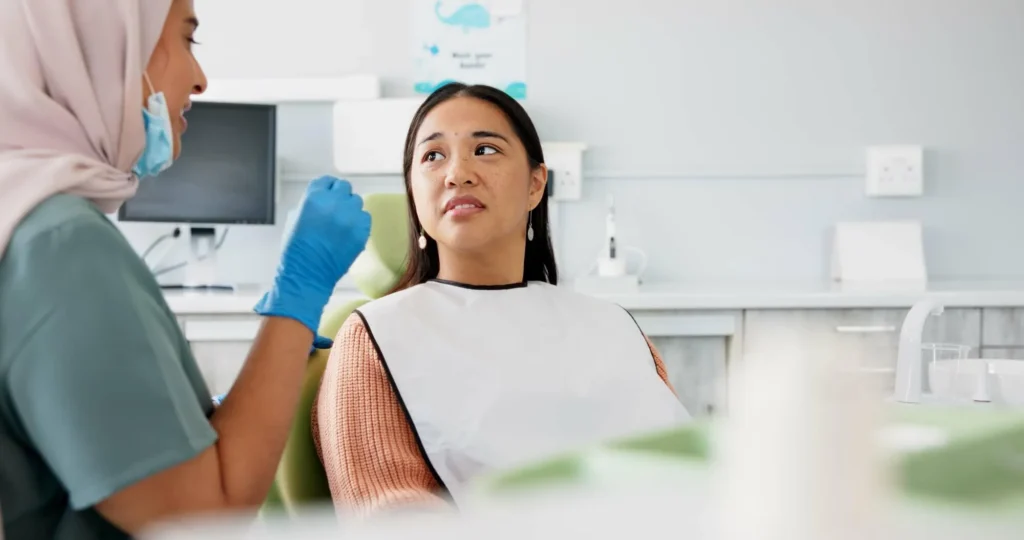
patient looking at her dentist in 20866

Why the Six-Month Rule Isn’t One-Size-Fits-All

Twice a year is probably the schedule you grew up with. It’s a reasonable starting point, and it works well for plenty of mouths. Still, your teeth and gums don’t follow a calendar. They respond to your diet, sleep, stress, medications, and genetics.

Why Checkup Timing Can Vary

Checkup timing works best when it’s personal. Risk-based checkup schedules showed little to no difference in cavities or gum bleeding compared with six-month visits for adults. That doesn’t mean skipping the dentist is fine. It means the right interval should match your risk level.

Someone with healthy gums, no recent cavities, and steady habits may do well with a standard schedule. Someone managing gum inflammation or frequent decay may need to come in more often.

Signs You May Benefit from More Frequent Visits

Some situations call for a closer eye. Your dentist may suggest shorter intervals if you have:

  • Gums that bleed when you brush or floss
  • New cavities within the past year or two
  • Dry mouth from medications or mouth breathing
  • Clenching, grinding, or jaw soreness
  • Diabetes or another chronic health condition
  • A history of smoking or vaping
  • Braces, expanders, or other oral appliances

None of these means something is wrong. They simply give your dentist a reason to check in sooner.

How Your Overall Health Shapes Your Schedule

Your mouth and body share more than most realize. Diabetes and gum disease affect each other in both directions. Higher blood sugar makes gum infections more likely, and gum infections can make blood sugar harder to control.

Heart health, immune function, pregnancy, and hormone changes can all show up in your gums, too. The link between oral health and chronic illness is one reason a holistic dentist asks about your full medical history before recommending a visit schedule.

Stress and sleep matter as well. Tension during the day and poor sleep at night often show up as clenching, worn enamel, or sore jaw muscles. These patterns are easier to manage when they’re spotted early.

Why Gum Health Deserves Regular Attention

Gum disease is sneaky. Gum disease often becomes serious before you notice any symptoms. Early inflammation usually doesn’t hurt, so you may not realize anything is off until the gums start pulling away from the teeth.

Regular visits catch these changes while they’re small. A quick measurement of your gum pockets can show whether inflammation is improving or spreading.

What Happens When Visits Get Too Far Apart

Long gaps give small problems time to grow. A shallow cavity can reach deeper layers of the tooth. Mild gum inflammation can turn into bone loss around the roots. Hardened plaque, called tartar, can’t be brushed away at home and keeps irritating the gums until it’s removed.

The repair that follows a long gap is usually bigger, too. A spot that once needed a quick fix may need more involved care later on.

What a Holistic Checkup Looks At

A holistic visit goes beyond counting cavities. During a holistic dental evaluation, your dentist may look at:

  • Teeth, gums, and soft tissues
  • How your bite fits together
  • Jaw movement and muscle tension
  • Tongue posture and lip closure
  • Palate shape and breathing patterns
  • Signs of clenching or grinding

Breathing gets extra attention because it affects your teeth more than you might expect. Mouth breathing and airway habits can dry out your mouth, which increases your risk of tooth decay and gum irritation.

How Often Should Kids See a Dentist?

Children change quickly, so regular visits help track more than teeth. A holistic pediatric dental visit can include a complete exam and cleaning, low-radiation digital X-rays, and screening for tongue- and lip-ties. It also looks at how the face, jaws, and airway are developing.

Your child’s dentist will set a schedule based on their growth, habits, and cavity risk. Kids with early orthodontic concerns or mouth breathing may be seen more often.

Everyday Habits That Support Longer Gaps Between Visits

What you do at home shapes how often you need professional care. A few steady habits go a long way:

  • Brush twice a day and floss daily
  • Keep sugary snacks and acidic drinks to mealtimes
  • Drink water throughout the day
  • Breathe through your nose when you can
  • Mention new symptoms early instead of waiting for your next visit

A dentist in 20866 can adjust your schedule over time as your habits and health change.

dentist in 20866

Frequently Asked Questions

Is once a year enough?

It can be for some adults with healthy gums and a low risk of cavities. Your dentist can tell you whether your mouth fits that picture.

Do I need a checkup if nothing hurts?

Yes. Cavities and gum disease often develop without pain, so a checkup can find problems you can’t feel.

Are dental X-rays needed at every visit?

Not usually. How often you need X-rays depends on your history and risk. Low-radiation digital X-rays keep exposure minimal when images are needed.

What if it’s been years since my last visit?

That’s more common than you think. A first visit back usually starts with a thorough exam to see where things stand, then a plan is built around what your mouth needs.

Can my visit schedule change over time?

Yes. As your gum health, habits, or medical conditions shift, your ideal interval can shift with them.
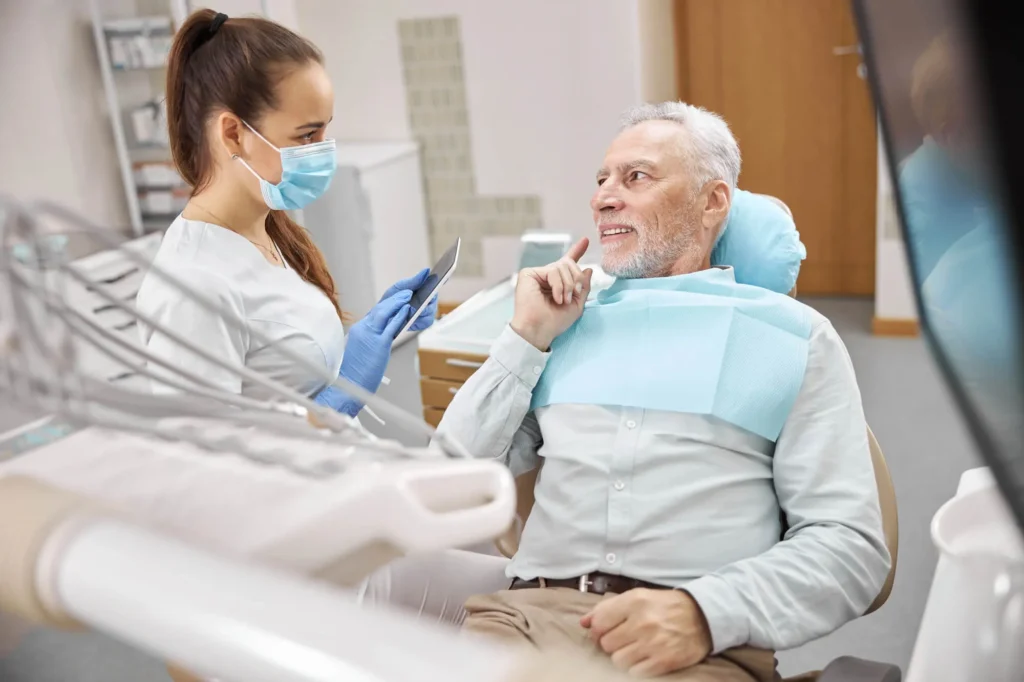
dentist in 20866 and patient

Find a Holistic Dentist in 20866 Who Looks at the Whole You

At Maryland Holistic Dentist in Burtonsville, Dr. Gary Adams, Dr. Ung, and Dr. John Battinelli see your mouth as the front door to your entire body. Your care is built around your whole health, with fluoride-free, metal-free, and biocompatible materials that help protect your natural teeth. 

Whether you’re due for a checkup or haven’t been in a while, book a holistic dental checkup and get a visit schedule that fits your life.
How Holistic Dentists Support Healing After Oral Surgery 

Recovering from oral surgery often raises concerns about discomfort, swelling, and how long healing will take. A dentist in 20866 who follows a holistic approach focuses on supporting the body’s natural healing process rather than relying heavily on medications or invasive techniques. By combining modern dental procedures with biologically focused methods, holistic dentists aim to reduce inflammation, improve tissue repair, and create a more comfortable recovery experience. 

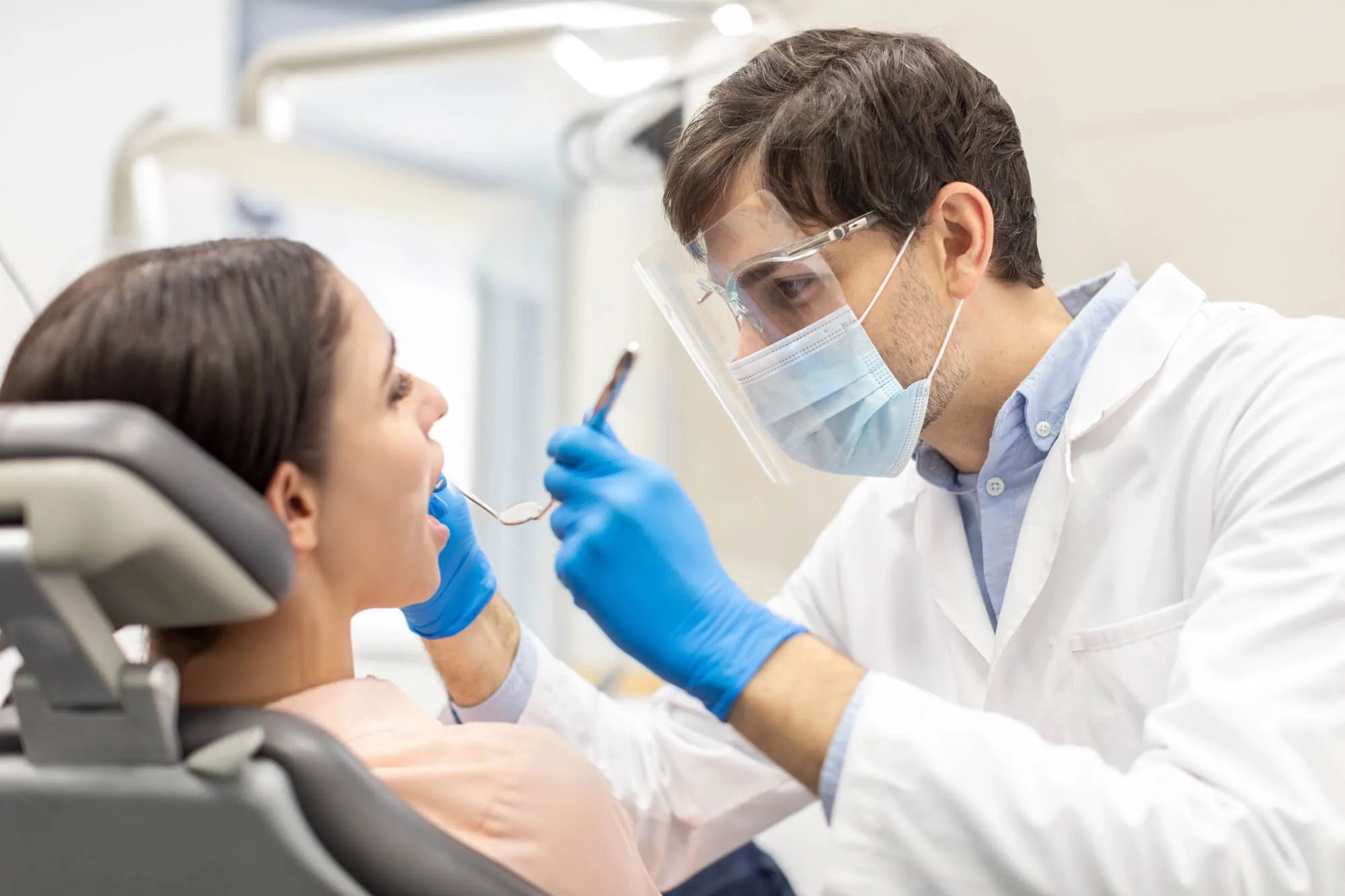
dentist in 20866 checking patient's teeth

What Makes Healing Different in Holistic Oral Surgery? 

Holistic oral surgery follows the same foundational principles as traditional procedures but places added emphasis on: 

  • reducing bacterial load  
  • supporting the body’s natural repair mechanisms  

Instead of focusing only on removing a tooth or completing a procedure, the goal extends to how the body heals afterward. This includes careful surgical techniques and the use of adjunct therapies that promote faster recovery and reduced discomfort. 

For example, holistic protocols often involve thoroughly cleaning the surgical site, removing infected tissue, and preparing the area in a way that supports optimal healing conditions.  

Key Techniques That Support Healing After Oral Surgery 

Platelet-Rich Fibrin (PRF) Therapy 

PRF is one of the most commonly used techniques in holistic oral surgery. It is created from a small sample of the patient’s own blood and processed to concentrate healing components. 

When placed in the surgical site, PRF can: 

  • support tissue regeneration  
  • reduce swelling  
  • help stabilize the healing area  

According to the clinic’s approach, PRF is often used during tooth extractions and implant procedures to encourage faster healing and minimize post-operative discomfort.  

Ozone Therapy for Infection Control 

Ozone therapy plays a major role in holistic dentistry. It involves applying oxygen-ozone gas or ozonated solutions directly to the treatment area. 

This method is used to: 

  • reduce harmful bacteria  
  • clean the surgical site  
  • promote oxygenation of tissues  

Ozone has antibacterial properties and can help improve healing conditions within the mouth. It is commonly used in extraction sites and other procedures to support recovery and reduce inflammation.  

Thorough Site Preparation 

Another important step involves preparing the extraction or surgical site carefully. This may include: 

  • removing the periodontal ligament  
  • clearing infected or unhealthy tissue  
  • cleaning the bone structure  

This process helps eliminate potential sources of infection and supports a cleaner healing environment.  

Minimally Invasive Techniques 

Holistic dentists aim to perform procedures in a way that minimizes trauma to surrounding tissues. 

This includes: 

  • careful tooth removal  
  • preserving bone structure  
  • limiting unnecessary interventions  

Less trauma during surgery often means: 

  • reduced swelling  
  • less discomfort  
  • improved healing time  

How These Techniques Support the Body’s Natural Healing Process 

Healing after oral surgery depends on several biological factors, including blood flow, immune response, and tissue regeneration. 

Holistic methods support these processes by: 

  • increasing oxygen supply to tissues  
  • reducing bacterial presence  
  • encouraging natural clot formation  

For example, ozone therapy can enhance circulation and reduce inflammation, while PRF provides growth factors that assist in tissue repair.  

Together, these approaches create an environment where the body can heal more efficiently without relying heavily on pharmaceuticals. 

Reducing Pain and Swelling After Surgery 

One of the main concerns patients have after oral surgery is discomfort. Holistic dentistry addresses this by focusing on techniques that naturally reduce inflammation. 

PRF and ozone therapy have both been associated with: 

  • decreased swelling  
  • reduced post-operative discomfort  
  • improved healing response  

These methods are used as part of the procedure itself, meaning recovery support begins immediately rather than after symptoms appear.  

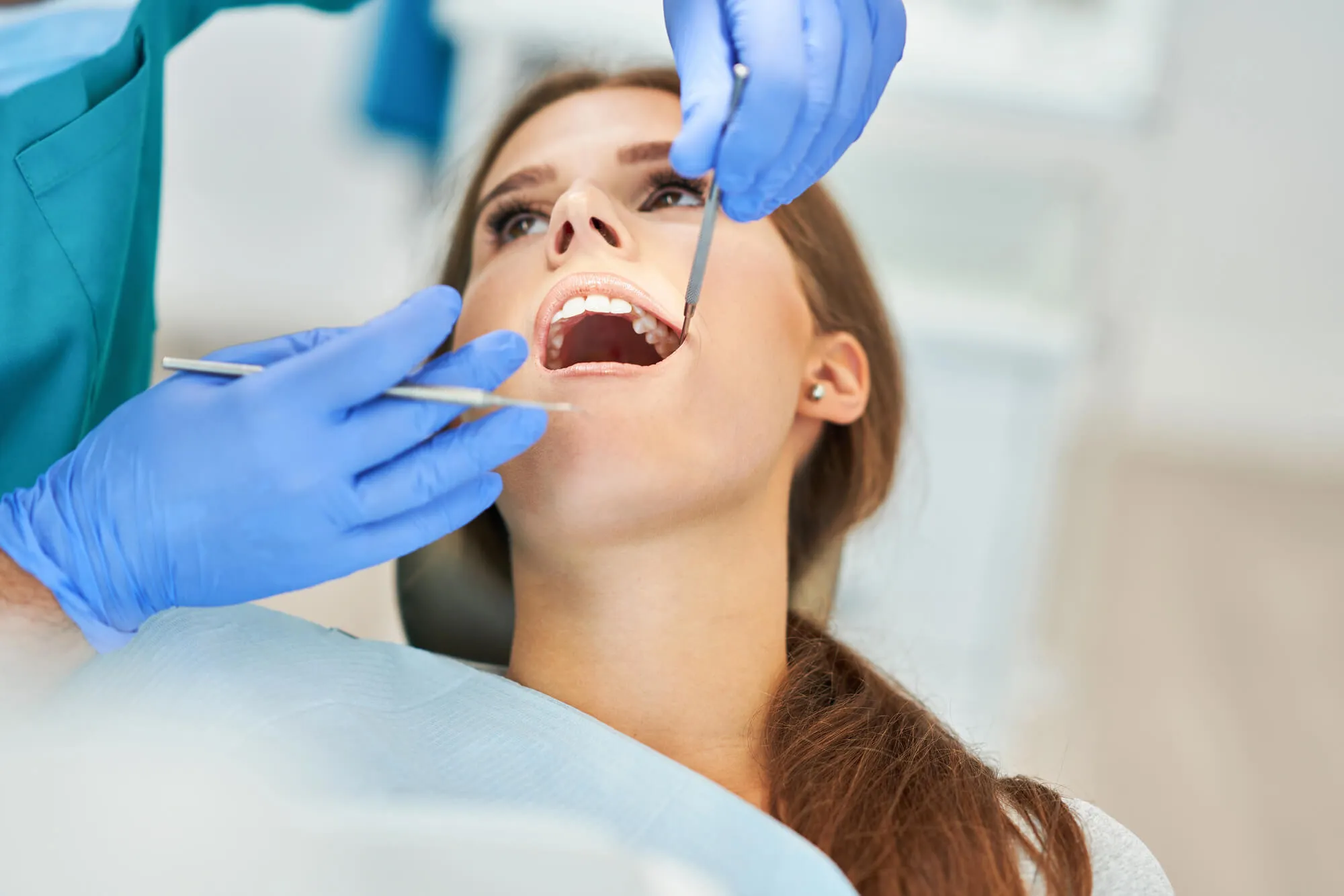
dentist in 20866 wearing a mask

Supporting Healing After Tooth Extraction and Implants 

Holistic approaches are often applied in procedures such as: 

  • tooth extractions  
  • dental implant placement  
  • bone grafting  

In some cases, implants may even be placed on the same day as an extraction to reduce the need for multiple procedures and support efficient healing.  

By preparing the site thoroughly and using healing-focused therapies, dentists aim to: 

  • reduce the risk of complications  
  • support bone integration  
  • maintain healthy surrounding tissue  

Limiting the Use of Medications 

Another key aspect of holistic dentistry is reducing reliance on unnecessary medications when possible. 

This approach may involve: 

  • avoiding excessive use of antibiotics  
  • limiting chemical exposure  
  • using natural adjunct therapies instead  

Ozone therapy, for instance, can help manage bacteria without introducing additional chemicals into the body.  

This aligns with a broader focus on supporting overall health while still maintaining effective dental care. 

The Connection Between Oral Healing and Overall Health 

Holistic dentistry emphasizes that oral health is closely connected to the rest of the body. 

After oral surgery, proper healing is important not only for: 

  • the mouth  
  • surrounding tissues  

but also for: 

  • immune function  
  • inflammation levels  
  • overall wellbeing  

By reducing infection and supporting tissue repair, holistic techniques contribute to a more balanced recovery process. 

What Patients Can Expect After a Holistic Procedure 

Patients undergoing holistic oral surgery can expect: 

  • a carefully planned procedure  
  • supportive therapies applied during treatment  
  • a focus on comfort and recovery  

While healing timelines vary, many patients experience: 

  • less swelling  
  • reduced discomfort  
  • smoother recovery  

This is largely due to the combination of precise surgical methods and biologically supportive treatments used during the procedure. 

Why the Approach to Healing Matters 

The way a dental procedure is performed can influence how the body responds afterward. A focus on healing during the procedure—not just after—can make a noticeable difference in recovery. Holistic dentistry considers how each step of the process affects tissue response, inflammation, and overall comfort once the procedure is complete. 

This approach integrates: 
• surgical precision 
• infection control 
• natural healing support 

By combining these elements, dentists can create a cleaner and more stable environment for healing. Careful techniques help minimize unnecessary trauma, while therapies like ozone and PRF support the body’s natural repair processes. As a result, patients may experience a smoother recovery with less swelling and improved tissue response, allowing the body to restore itself more efficiently over time. 

dentist in 20866

Work with a Dentist in 20866 Who Focuses on Healing 

If you are planning a dental procedure, choosing a dentist in 20866 who prioritizes healing can influence your recovery experience. Holistic techniques such as PRF and ozone therapy are designed to support your body during and after oral surgery while reducing unnecessary interventions. 

Schedule a consultation with Maryland Holistic Dentist today to learn how a biologically focused approach to oral surgery can support your comfort, healing, and long-term oral health. 

Call Now Button