
 (301) 421 1996
 burtonsvillesmiles@gmail.com



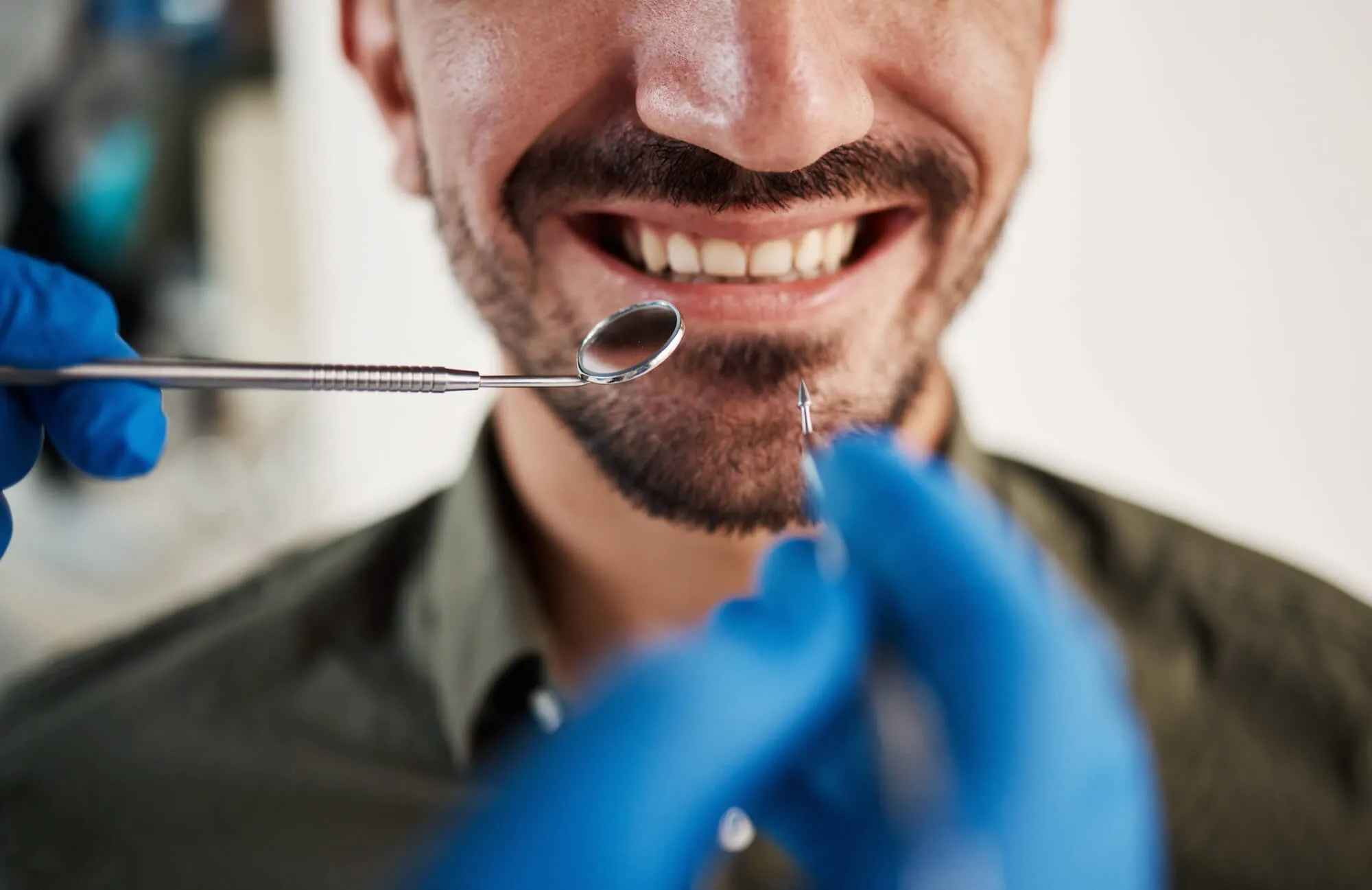
A sore jaw, bleeding gums, or recurring tooth sensitivity can seem like isolated problems at first. Yet symptoms often reflect patterns developing beneath the surface. A Holistic dentist in Maryland looks beyond immediate discomfort to identify factors that may be influencing oral health over time. Instead of focusing only on what hurts today, holistic dentistry evaluates how habits, breathing patterns, inflammation, and overall wellness influence the mouth over time. This broader perspective helps support care that feels more thoughtful, personalized, and lasting.
Why Symptoms Alone Do Not Tell the Full Story
Symptoms are important, but they rarely explain the entire picture. Holistic dentistry focuses on identifying the underlying patterns contributing to discomfort or instability.
A Toothache May Have Multiple Contributing Factors
Tooth pain can develop from decay, grinding, bite imbalance, gum inflammation, or structural stress. Treating the discomfort alone may not address the underlying cause of the irritation.
For example, a patient experiencing repeated tooth sensitivity may also have:
- Clenching during sleep
- Mouth breathing
- Acidic dietary habits
- Gum recession from bite pressure
By evaluating these factors together, dentists can create a treatment plan that supports longer-lasting comfort.
Gum Irritation Often Reflects More Than Hygiene
Bleeding or swollen gums are sometimes linked to brushing habits, though lifestyle patterns can also influence tissue health. Stress, dry mouth, breathing habits, and diet all affect the oral environment.
Holistic dentistry evaluates how these patterns interact rather than focusing only on surface symptoms. This helps patients gain a clearer understanding of why irritation continues or returns repeatedly.
Recurring Dental Problems May Point to Larger Patterns
Repeated fractures, worn enamel, or ongoing jaw tension may indicate issues beyond a single damaged tooth. Bite alignment, airway restriction, or muscle strain can gradually affect oral structures over time.
Recognizing these connections early helps support preventive care before more extensive dental work becomes necessary.
How Holistic Dentistry Evaluates the Bigger Picture
Holistic dentistry considers how oral health connects with everyday function and overall wellness. This approach encourages more complete evaluations before treatment begins.
Looking at Lifestyle Habits
Daily habits influence the condition of the teeth and gums more than patients often realize. Holistic dentists may ask questions about:
- Sleep quality
- Stress levels
- Diet and hydration
- Mouth breathing
These conversations help identify patterns that may affect inflammation, tissue comfort, enamel wear, or healing.
Evaluating Airway and Breathing Patterns
Breathing habits influence jaw posture, muscle activity, and oral dryness. Mouth breathing may contribute to gum irritation, enamel changes, or tension in the jaw and neck.
Holistic dental exams often include evaluation of:
- Tongue posture
- Palate shape
- Bite alignment
- Signs of airway restriction
These observations help dentists understand how breathing patterns may affect long-term oral stability.
Using Advanced Imaging for Better Insight
Digital imaging and CBCT scans allow dentists to assess structures beneath the surface. These images help evaluate:
- Bone support
- Hidden infection
- Jaw alignment
- Airway space
- Root structure
A more detailed view supports precise planning and helps identify contributing factors that standard exams may not fully reveal.
Why Material Selection Matters in Holistic Dentistry
Holistic care also focuses on how dental materials interact with the body over time.
Biocompatible Restorations
Some patients prefer materials selected for compatibility and comfort. Holistic dentistry often uses:
- Ceramic restorations
- BPA-free composite fillings
- Zirconia implants
These materials are chosen carefully based on durability, appearance, and tissue response.
Metal-Free Options for Certain Treatments
Metal-free zirconia implants are commonly used in holistic dentistry because of their natural appearance and compatibility with surrounding tissues. This approach aligns with the philosophy of reducing unnecessary irritation while supporting stable function.
Material selection is not only about aesthetics. It also considers long-term comfort and how restorations behave within the oral environment.
Preventive Care Before Larger Problems Develop
One of the core principles of holistic dentistry is prevention. Addressing small patterns early may help reduce the need for more invasive procedures later.
Monitoring Bite and Jaw Function
Uneven bite pressure can place excess force on specific teeth. Over time, this may contribute to:
- Enamel wear
- Jaw soreness
- Muscle fatigue
Holistic evaluations look for these signs early, so supportive care can begin before damage progresses.
Supporting Tissue Health Naturally
Holistic practices often incorporate therapies designed to support healing and maintain oral balance.
These may include:
- Ozone therapy to support bacterial management
- PRF (platelet-rich fibrin) for healing support
- Gentle preventive cleanings
These methods are used alongside modern dental care to support tissue comfort and recovery.
Encouraging Long-Term Oral Stability
Holistic dentistry focuses on maintaining healthy structures whenever possible. Conservative treatment planning helps preserve natural tooth structure and reduce unnecessary intervention.
This approach encourages steady, long-term oral health rather than reacting only after discomfort appears.

How Patients Benefit from a Cause-Focused Approach
Patients often feel more involved in their care when they understand the reasons behind symptoms. Holistic dentistry encourages education and open discussion rather than quick fixes alone.
More Personalized Treatment Planning
No two patients have the same oral health patterns. Treatment recommendations are based on:
- Health history
- Lifestyle habits
- Tissue response
- Structural findings
- Personal goals
This allows care to feel more individualized and practical.
Clearer Understanding of Oral Health
Patients who understand the contributing factors often feel more confident in managing their oral health over time. Discussions about diet, breathing, stress, or bite patterns help connect daily habits with dental wellbeing.
Focus on Long-Term Comfort
A cause-focused approach supports care that prioritizes stability and prevention. By identifying patterns early, dentists can help reduce repeated irritation, recurring damage, or avoidable procedures.
Why Holistic Dentistry Continues to Grow
Interest in holistic dentistry continues to increase as patients seek care that feels more comprehensive and personalized. People often appreciate a philosophy that considers both oral function and overall wellbeing together.
Modern holistic dentistry combines:
- Advanced technology
- Biocompatible materials
- Preventive care
- Patient education
- Conservative treatment planning
This combination allows patients to receive modern dental care while supporting comfort and long-term oral balance.

Whole-Body Dental Care with a Holistic Dentist in Maryland
Looking beyond symptoms alone can provide a clearer understanding of what affects oral health over time. A more complete evaluation helps connect daily habits, structural patterns, and material choices with long-term comfort and function.
Maryland Holistic Dentist provides care focused on prevention, biocompatible materials, airway-aware evaluations, and personalized treatment planning. Their philosophy combines modern diagnostics with whole-body awareness to support healthier teeth, balanced oral function, and long-term wellbeing.
Schedule a consultation to learn how holistic dental care can support a healthier, more stable smile.