How Holistic Dentists Support Healing After Oral Surgery 

Recovering from oral surgery often raises concerns about discomfort, swelling, and how long healing will take. A dentist in 20866 who follows a holistic approach focuses on supporting the body’s natural healing process rather than relying heavily on medications or invasive techniques. By combining modern dental procedures with biologically focused methods, holistic dentists aim to reduce inflammation, improve tissue repair, and create a more comfortable recovery experience. 
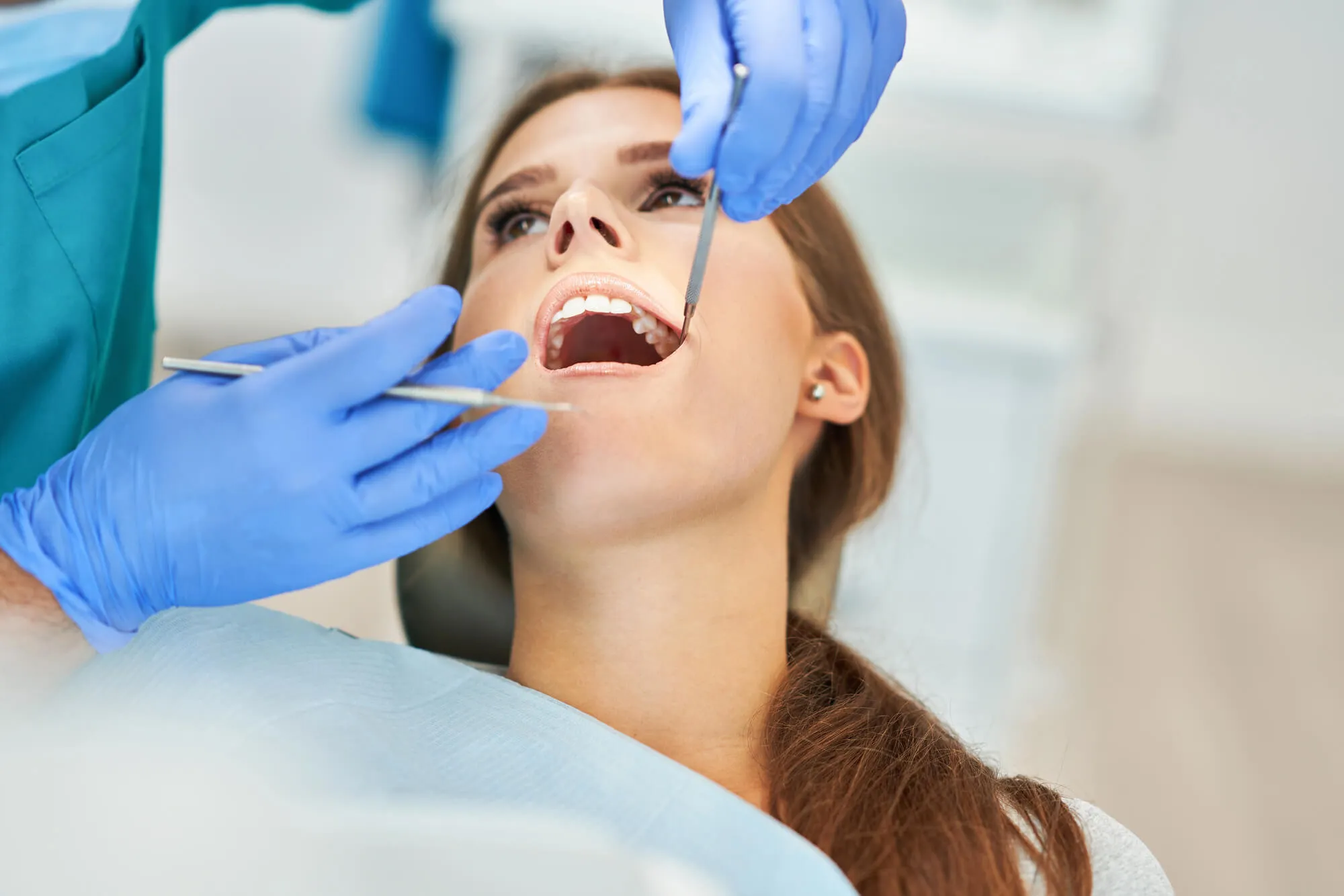
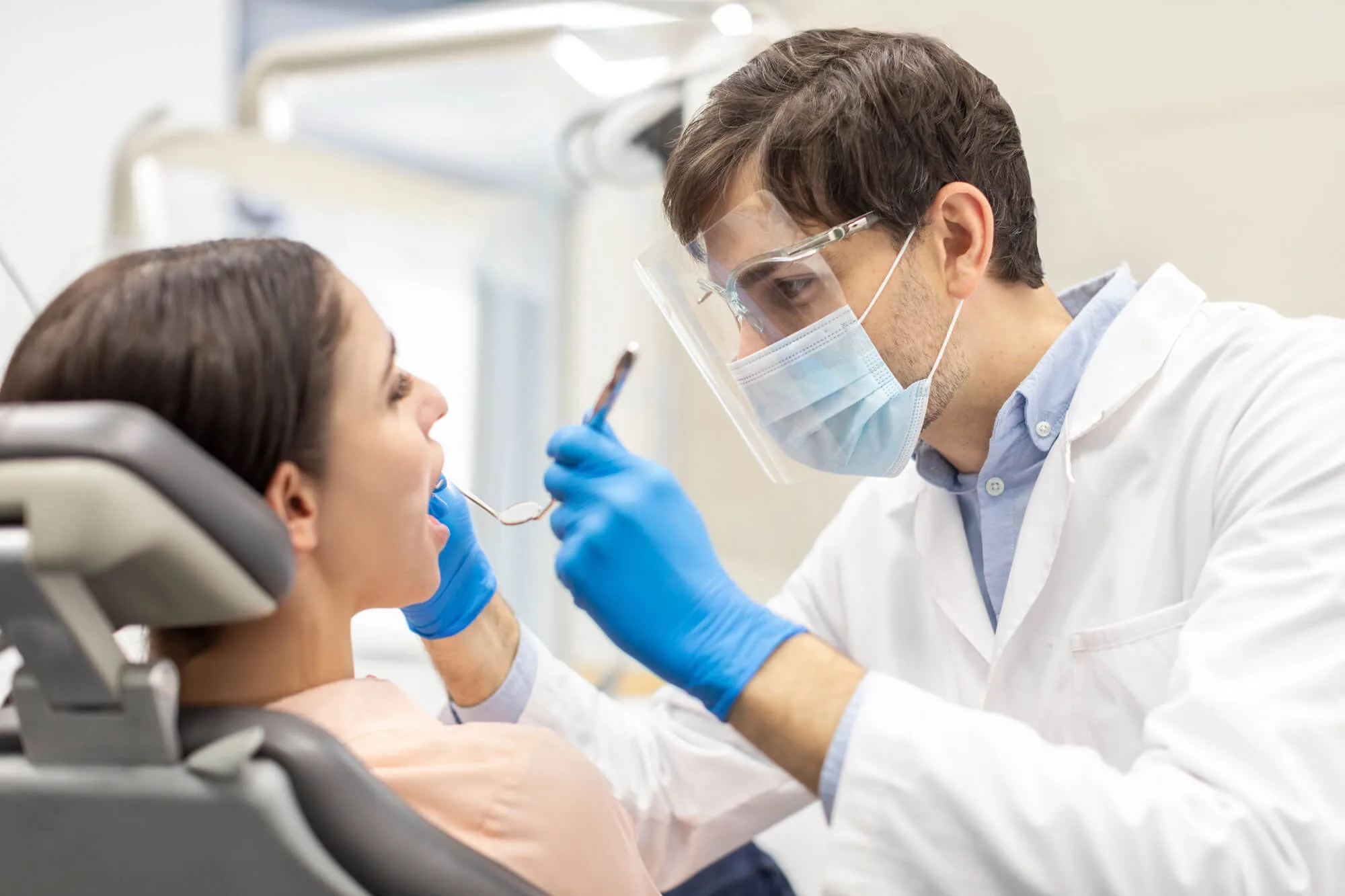
dentist in 20866 checking patient's teeth

What Makes Healing Different in Holistic Oral Surgery? 

Holistic oral surgery follows the same foundational principles as traditional procedures but places added emphasis on: 

  • reducing bacterial load  
  • supporting the body’s natural repair mechanisms  

Instead of focusing only on removing a tooth or completing a procedure, the goal extends to how the body heals afterward. This includes careful surgical techniques and the use of adjunct therapies that promote faster recovery and reduced discomfort. 

For example, holistic protocols often involve thoroughly cleaning the surgical site, removing infected tissue, and preparing the area in a way that supports optimal healing conditions.  

Key Techniques That Support Healing After Oral Surgery 

Platelet-Rich Fibrin (PRF) Therapy 

PRF is one of the most commonly used techniques in holistic oral surgery. It is created from a small sample of the patient’s own blood and processed to concentrate healing components. 

When placed in the surgical site, PRF can: 

  • support tissue regeneration  
  • reduce swelling  
  • help stabilize the healing area  

According to the clinic’s approach, PRF is often used during tooth extractions and implant procedures to encourage faster healing and minimize post-operative discomfort.  

Ozone Therapy for Infection Control 

Ozone therapy plays a major role in holistic dentistry. It involves applying oxygen-ozone gas or ozonated solutions directly to the treatment area. 

This method is used to: 

  • reduce harmful bacteria  
  • clean the surgical site  
  • promote oxygenation of tissues  

Ozone has antibacterial properties and can help improve healing conditions within the mouth. It is commonly used in extraction sites and other procedures to support recovery and reduce inflammation.  

Thorough Site Preparation 

Another important step involves preparing the extraction or surgical site carefully. This may include: 

  • removing the periodontal ligament  
  • clearing infected or unhealthy tissue  
  • cleaning the bone structure  

This process helps eliminate potential sources of infection and supports a cleaner healing environment.  

Minimally Invasive Techniques 

Holistic dentists aim to perform procedures in a way that minimizes trauma to surrounding tissues. 

This includes: 

  • careful tooth removal  
  • preserving bone structure  
  • limiting unnecessary interventions  

Less trauma during surgery often means: 

  • reduced swelling  
  • less discomfort  
  • improved healing time  

How These Techniques Support the Body’s Natural Healing Process 

Healing after oral surgery depends on several biological factors, including blood flow, immune response, and tissue regeneration. 

Holistic methods support these processes by: 

  • increasing oxygen supply to tissues  
  • reducing bacterial presence  
  • encouraging natural clot formation  

For example, ozone therapy can enhance circulation and reduce inflammation, while PRF provides growth factors that assist in tissue repair.  

Together, these approaches create an environment where the body can heal more efficiently without relying heavily on pharmaceuticals. 

Reducing Pain and Swelling After Surgery 

One of the main concerns patients have after oral surgery is discomfort. Holistic dentistry addresses this by focusing on techniques that naturally reduce inflammation. 

PRF and ozone therapy have both been associated with: 

  • decreased swelling  
  • reduced post-operative discomfort  
  • improved healing response  

These methods are used as part of the procedure itself, meaning recovery support begins immediately rather than after symptoms appear.  

dentist in 20866 wearing a mask

Supporting Healing After Tooth Extraction and Implants 

Holistic approaches are often applied in procedures such as: 

  • tooth extractions  
  • dental implant placement  
  • bone grafting  

In some cases, implants may even be placed on the same day as an extraction to reduce the need for multiple procedures and support efficient healing.  

By preparing the site thoroughly and using healing-focused therapies, dentists aim to: 

  • reduce the risk of complications  
  • support bone integration  
  • maintain healthy surrounding tissue  

Limiting the Use of Medications 

Another key aspect of holistic dentistry is reducing reliance on unnecessary medications when possible. 

This approach may involve: 

  • avoiding excessive use of antibiotics  
  • limiting chemical exposure  
  • using natural adjunct therapies instead  

Ozone therapy, for instance, can help manage bacteria without introducing additional chemicals into the body.  

This aligns with a broader focus on supporting overall health while still maintaining effective dental care. 

The Connection Between Oral Healing and Overall Health 

Holistic dentistry emphasizes that oral health is closely connected to the rest of the body. 

After oral surgery, proper healing is important not only for: 

  • the mouth  
  • surrounding tissues  

but also for: 

  • immune function  
  • inflammation levels  
  • overall wellbeing  

By reducing infection and supporting tissue repair, holistic techniques contribute to a more balanced recovery process. 

What Patients Can Expect After a Holistic Procedure 

Patients undergoing holistic oral surgery can expect: 

  • a carefully planned procedure  
  • supportive therapies applied during treatment  
  • a focus on comfort and recovery  

While healing timelines vary, many patients experience: 

  • less swelling  
  • reduced discomfort  
  • smoother recovery  

This is largely due to the combination of precise surgical methods and biologically supportive treatments used during the procedure. 

Why the Approach to Healing Matters 

The way a dental procedure is performed can influence how the body responds afterward. A focus on healing during the procedure—not just after—can make a noticeable difference in recovery. Holistic dentistry considers how each step of the process affects tissue response, inflammation, and overall comfort once the procedure is complete. 

This approach integrates: 
• surgical precision 
• infection control 
• natural healing support 

By combining these elements, dentists can create a cleaner and more stable environment for healing. Careful techniques help minimize unnecessary trauma, while therapies like ozone and PRF support the body’s natural repair processes. As a result, patients may experience a smoother recovery with less swelling and improved tissue response, allowing the body to restore itself more efficiently over time. 

dentist in 20866

Work with a Dentist in 20866 Who Focuses on Healing 

If you are planning a dental procedure, choosing a dentist in 20866 who prioritizes healing can influence your recovery experience. Holistic techniques such as PRF and ozone therapy are designed to support your body during and after oral surgery while reducing unnecessary interventions. 

Schedule a consultation with Maryland Holistic Dentist today to learn how a biologically focused approach to oral surgery can support your comfort, healing, and long-term oral health. 

Why a Holistic Dentist May Ask About Your Diet, Sleep, and Stress

A dental visit can sometimes feel routine until unexpected questions come up about sleep habits, daily meals, or stress levels. These topics might seem unrelated to teeth at first. A holistic dentist in Burtonsville, MD, asks these questions because daily habits influence your teeth, gums, comfort, and how your smile stays healthy over time. Understanding these connections helps dentists plan care that supports both your smile and the way your mouth functions day to day. 

How Lifestyle Habits Shape Oral Health 

Holistic dentistry looks at patterns that influence the mouth over time. Diet, sleep, and stress affect saliva flow, inflammation, jaw function, and healing capacity. By learning about these areas, dentists gain context that guides safer material choices, preventive care, and long-term planning. 

Diet and Its Influence on Teeth and Gums 

Food choices shape the oral environment. Sugars and acidic drinks can change pH levels, encouraging bacteria that affect enamel and gum tissue. Frequent snacking keeps acids active longer, while balanced meals allow saliva to neutralize the mouth. 

A holistic dentist often asks about: 

  • Frequency of sugary snacks or drinks 
  • Hydration habits 
  • Intake of whole foods that support tissue repair 
  • Patterns such as late-night eating 

Nutrition also affects bone and gum stability. Vitamins like D and calcium support strong enamel and jawbone health. Protein supports tissue repair after dental procedures. These connections help dentists guide preventive care and recommend materials that match each patient’s needs. 

Sleep Quality and Oral Function 

Sleep affects how the jaw, airway, and muscles behave overnight. Poor sleep or breathing issues may lead to clenching, grinding, or mouth breathing. These patterns can cause enamel wear, jaw tension, and gum irritation. 

Holistic dental visits often include questions about: 

  • Snoring or restless sleep 
  • Morning headaches or jaw soreness 
  • Dry mouth upon waking 

These clues help dentists evaluate airway function and bite stability. Advanced imaging, such as CBCT scans, may reveal structural factors that influence breathing and jaw alignment. Early awareness supports preventive care before symptoms progress. 

Stress and Its Impact on Oral Comfort 

Stress affects muscle tension and immune response. Clenching or grinding often increases during stressful periods. Gums may feel more sensitive, and healing after dental work may take longer. 

Dentists ask about stress to understand patterns such as: 

  • Jaw soreness during busy periods 
  • Headaches linked to clenching 
  • Changes in oral hygiene routines 

These observations guide recommendations like bite adjustments, protective night guards, or gentle therapies that support tissue comfort. 

Why Holistic Dentists Ask Personal Questions 

Lifestyle questions allow dentists to plan care that fits real life. Instead of focusing solely on visible dental concerns, holistic care considers the underlying causes. 

Creating More Personalized Treatment Plans 

Every mouth responds differently to dental materials and procedures. A patient with dry mouth may need different restorative materials than someone with strong saliva flow. A patient with clenching habits may need bite support before cosmetic work. 

Understanding lifestyle patterns helps dentists choose: 

  • Biocompatible restorations such as ceramic or BPA-free composites 
  • Ozone therapy to support tissue health during certain treatments 
  • Preventive strategies that reduce irritation 

This approach aligns dental care with comfort and long-term stability. 

Supporting Prevention Before Problems Grow 

Prevention is central to holistic dentistry. Lifestyle patterns often signal early changes before discomfort appears. By discussing diet, sleep, and stress, dentists can identify risks sooner and suggest simple adjustments that support oral health. 

Examples include: 

  • Timing meals to protect enamel 
  • Addressing mouth breathing that dries tissues 
  • Monitoring clenching patterns before teeth wear down 

These steps help maintain balance in the oral environment. 

Improving Communication and Trust 

Holistic dental care values clear conversation. Patients can share concerns, ask questions, and discuss goals before treatment begins. This open dialogue helps dentists recommend options that align with comfort levels and health priorities. 

Why These Questions Matter Before Treatment 

Before recommending procedures such as fillings, root canal therapy, extractions, or implant placement, holistic dentists consider lifestyle factors that may influence healing and long-term stability. A patient who grinds during sleep may benefit from bite support before restorative work. Someone with chronic dry mouth may need preventive care that protects enamel before cosmetic treatment. 

These insights also guide choices like metal-free restorations, zirconia implants, ozone therapy for tissue support, and airway-focused evaluations. By reviewing diet, sleep, and stress early, dentists can avoid repeating procedures caused by the same underlying habits. 

How Holistic Dentistry Uses This Information 

Lifestyle details guide every stage of care, from exams to restorative planning. 

Biocompatible Material Selection 

Holistic dentists avoid materials that may irritate tissues or trigger sensitivities. Knowing a patient’s health history, allergies, and past dental experiences helps determine whether ceramic restorations, zirconia implants, or BPA-free composites are appropriate choices. These materials are selected for durability, comfort, and compatibility with surrounding teeth and gums. 

Careful planning also considers how restorations interact with bite pressure and saliva levels. This thoughtful approach helps reduce irritation, supports steady healing, and allows dental work to feel more natural in daily use. Patients often appreciate knowing why certain materials are recommended and how they support lasting comfort and predictable results. 

Airway and Bite Evaluation 

Sleep and breathing patterns affect jaw alignment and tooth wear. Dentists assess tongue posture, palate shape, lip seal, and bite function to identify patterns linked to clenching, mouth breathing, or airway restriction. These observations help explain symptoms such as morning jaw soreness, dry mouth, or uneven enamel wear. 

When patterns are identified early, dentists can suggest preventive steps that support comfort and stability. These may include custom night guards, airway-focused referrals, bite adjustments, or periodic monitoring of structural changes.  

Early evaluation helps protect teeth from excess pressure and supports healthier breathing habits that benefit both oral comfort and long-term dental health. 

Gentle Therapies That Support Healing 

Holistic practices often incorporate ozone therapy or PRF-supported procedures to help maintain a balanced oral environment. These techniques support tissue comfort while limiting chemical exposure. 

When combined with lifestyle awareness, they create care plans that respect natural healing processes.

Get Support from a Holistic Dentist in Burtonsville, MD 

If questions about diet, sleep, or stress came up during your visit, they were part of a thoughtful approach to care. Maryland Holistic Dentist focuses on prevention, biocompatible materials, and patient education to support long-term oral stability. Their philosophy blends modern diagnostics with compassionate communication, helping patients maintain healthy teeth and gums while respecting the body’s natural balance. 

Schedule a consultation to learn how holistic dental care can support comfort, clearer breathing, and stronger oral health for years ahead. 

Call Now Button