
 (301) 421 1996
 burtonsvillesmiles@gmail.com



Wisdom teeth should be removed when they cause pain, infection, crowding, or show signs of improper growth, even if symptoms are not severe yet. Early evaluation helps prevent complications and makes treatment simpler and safer.
For anyone searching for a dentist in Burtonsville, MD, understanding the right timing for wisdom tooth removal is essential. Not all wisdom teeth need extraction immediately, but delaying treatment when problems are present can lead to more serious dental and health issues.
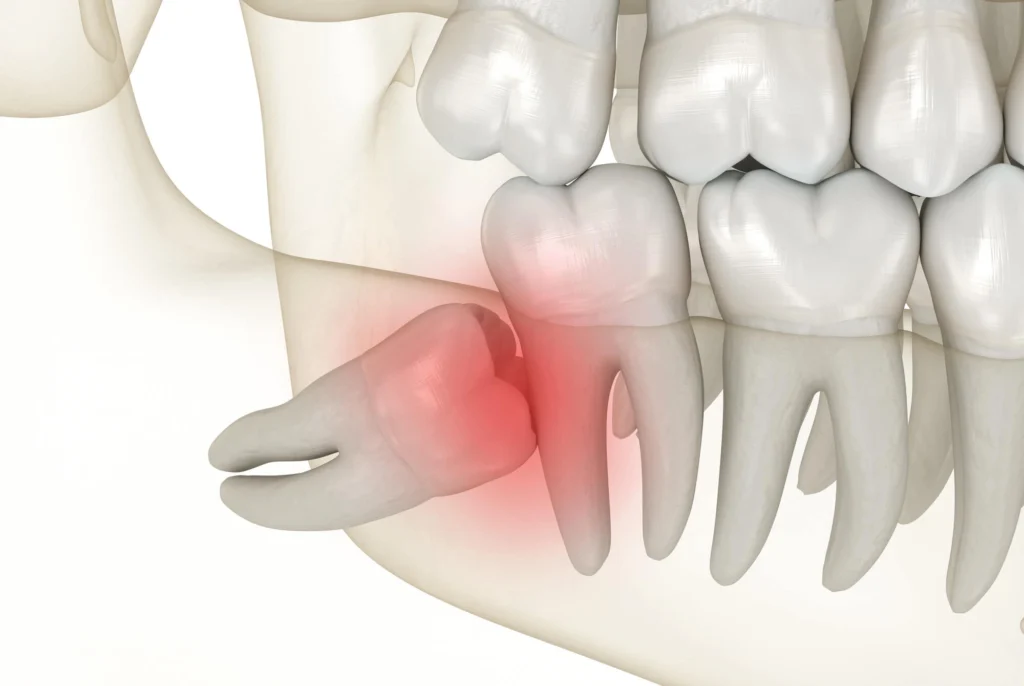
Understanding Wisdom Teeth and Their Purpose
Wisdom teeth are the third set of molars located at the very back of the mouth. They usually appear between the ages of 17 and 25, a stage often called “young adulthood.”
Why Wisdom Teeth Often Cause Problems
Unlike other teeth, wisdom teeth are not always necessary for chewing or proper function. Over time, human jaws have become smaller, leaving less space for these additional molars to grow properly.
Because of this, wisdom teeth may:
- Grow sideways
- Become trapped under the gums
- Partially erupt
- Push against nearby teeth
These issues are what often lead to the need for removal.
Normal vs Problematic Wisdom Teeth
Not all wisdom teeth require extraction. In some cases, they come in straight, fully erupt, and remain healthy. However, regular monitoring is still important because changes can happen over time.
When Should Wisdom Teeth Be Removed?
Wisdom teeth should be removed when they begin causing dental problems or are likely to cause issues in the future. Dentists evaluate each case individually using exams and X-rays.
Pain and Discomfort in the Back of the Mouth
One of the most common signs is persistent pain near the back molars. This pain may come and go but often worsens when chewing or opening the mouth.
Pain can indicate:
- Pressure from impacted teeth
- Infection in surrounding gums
- Crowding of nearby teeth
If pain is present, it is usually a strong indication that removal should be considered.
Swelling or Infection in the Gums
Swelling around the back of the mouth is another warning sign. When wisdom teeth only partially erupt, food and bacteria can become trapped, leading to infection.
Symptoms may include:
- Red or swollen gums
- Bad taste in the mouth
- Difficulty chewing
- Gum tenderness
Infections can spread if untreated, making timely removal important.
Impacted Wisdom Teeth
Impaction occurs when a tooth is stuck beneath the gums and cannot fully erupt. This is one of the most common reasons for extraction.
Impacted wisdom teeth can:
- Damage nearby teeth
- Cause cyst formation
- Lead to chronic pain
- Affect jaw alignment
Dentists usually recommend removal even if symptoms are mild to prevent future complications.

Crowding and Shifting Teeth
Wisdom teeth can push against other teeth, especially if there is not enough space. This can undo years of orthodontic work or cause new alignment problems.
Signs include:
- Teeth shifting forward
- Tightness in the jaw
- Changes in bite alignment
Removing wisdom teeth early can help maintain proper spacing.
Secondary Questions About Wisdom Tooth Removal
At What Age Should Wisdom Teeth Be Removed?
There is no exact age, but most removals happen between ages 17 and 25. At this stage, the roots are not fully developed, making extraction easier and recovery faster.
Younger patients generally experience:
- Less complicated surgery
- Faster healing
- Lower risk of complications
Do Wisdom Teeth Need to Be Removed If They Don’t Hurt?
Not always. If wisdom teeth are healthy, fully erupted, and properly aligned, they may not need removal. However, regular monitoring is essential because problems can develop later without warning.
What Happens If You Wait Too Long?
Delaying removal when problems are present can lead to:
- Severe pain
- Infection spreading to other areas
- Damage to nearby teeth
- More complex surgery later
Early evaluation helps avoid these risks.
How Dentists Decide If Removal Is Needed
A professional evaluation is the only way to determine whether wisdom teeth should be removed.
Dental Examination Process
During a visit, the dentist will check:
- Gum health
- Tooth positioning
- Signs of swelling or infection
- Jaw movement and bite alignment
Role of Dental X-Rays
X-rays are essential because they show what is happening below the gum line. They help identify:
- Impacted teeth
- Root development
- Bone structure
- Risk to nearby teeth
This information helps the dentist decide whether removal is necessary.
Treatment Options for Wisdom Teeth
Monitoring Without Surgery
If wisdom teeth are not causing problems, dentists may recommend observation. This includes regular checkups and X-rays to ensure no changes occur.
Surgical Removal
If extraction is needed, the procedure is planned based on the tooth’s position and condition. It may involve:
- Local anesthesia
- Surgical or simple extraction
The complexity depends on whether the tooth is impacted or fully erupted.
Recovery After Removal
Recovery usually takes a few days to a week. Patients are advised to:
- Eat soft foods
- Avoid smoking or straws
- Maintain gentle oral hygiene
- Follow medication instructions
Proper aftercare reduces complications and speeds up healing.
Risks of Not Removing Problematic Wisdom Teeth
Ignoring problematic wisdom teeth can lead to long-term oral health issues.
Possible Complications Include:
- Severe infections
- Gum disease
- Tooth decay in nearby molars
- Cyst formation
- Misalignment of teeth
These conditions often require more advanced treatment if not addressed early.
Preventing Wisdom Tooth Problems
While wisdom teeth themselves cannot be prevented, complications can often be avoided.
Prevention Tips
- Schedule regular dental checkups
- Get early X-rays in late teens
- Monitor symptoms like pain or swelling
- Maintain strong oral hygiene
- Follow dentist recommendations early
Preventive care is the best way to avoid emergency extractions.
Why Early Evaluation Matters
Early detection allows dentists to plan removal before complications develop. This often leads to:
- Easier procedures
- Less discomfort
- Faster recovery
- Lower risk of infection
Waiting too long can make treatment more complicated and stressful.

Book a Consultation with a dentist in Burtonsville, MD Today
If you are experiencing discomfort or unsure about your wisdom teeth, getting a professional evaluation is the best next step. Maryland Holistic Dentist can assess your condition and recommend the safest and most effective treatment plan.
Schedule a consultation today. Their team provides personalized wisdom tooth evaluation and care focused on long-term oral health and patient comfort.