
 (301) 421 1996
 burtonsvillesmiles@gmail.com


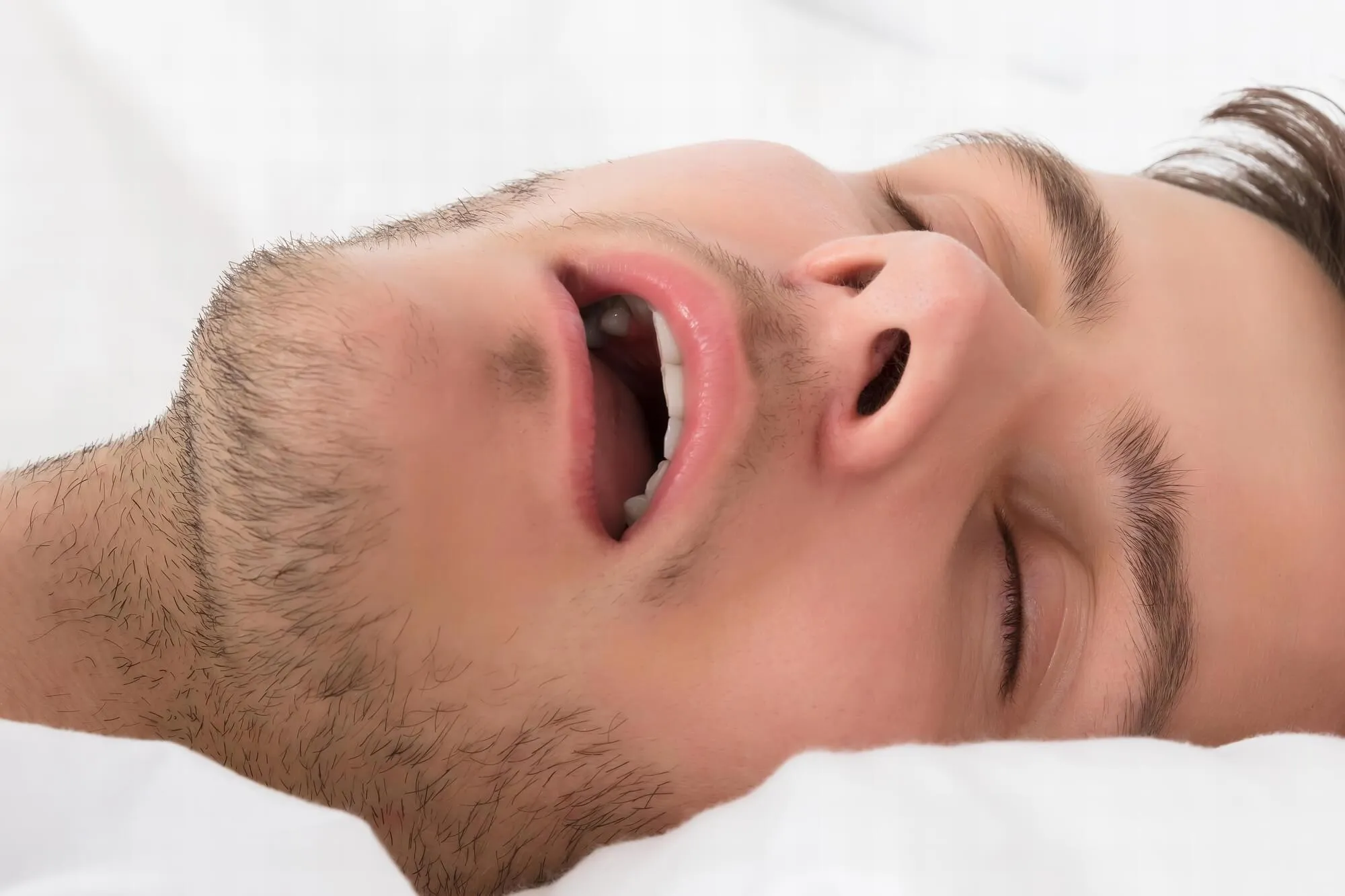
Sleep apnea can manifest in ways that are easy to overlook. Alongside well-known signs like snoring or disturbed sleep, the condition often presents with subtle symptoms such as morning headaches, dryness, jaw tension, fatigue, or mood changes. Because these issues can seem unrelated, many people are unaware that they often indicate airway interruptions during sleep. If these patterns feel familiar, sleep apnea in Burtonsville, Maryland may be affecting your nightly breathing more than you realize.

What Sleep Apnea Actually Is
Sleep apnea is a condition where breathing repeatedly slows or pauses during sleep. These interruptions can last a few seconds or longer, often without waking you fully. When airflow changes, the body shifts out of deeper sleep stages to restore breathing. Over time, this pattern affects oxygen levels, energy, mood, and nighttime rest.
There are different forms of sleep apnea, but obstructive sleep apnea is the most common. In this type, the airway becomes narrow or collapses during sleep, limiting airflow. Some people notice loud snoring or disrupted rest, while others experience subtle symptoms that don’t seem related to breathing at all. Because these signs vary widely, many patients don’t realize their symptoms point to an airway concern until a dental or medical evaluation highlights the connection.
Understanding the Hidden Signs of Sleep Apnea
Headaches and Dry Mouth in the Morning
Waking up with headaches may point to short drops in oxygen during sleep. These interruptions cause the jaw muscles to tighten and strain the blood vessels around the head, leading to discomfort upon waking.
Dry mouth often occurs because many patients breathe through their mouths at night. This dryness can irritate gums and make enamel more vulnerable. When these two symptoms appear together, concerns about airflow may be part of the cause.
Fatigue That Doesn’t Match Your Sleep Hours
Feeling tired despite going to bed early is one of the most overlooked signs of airway issues. Breathing interruptions prevent the body from reaching deeper stages of sleep. Even if you remain asleep, your brain still reacts to those interruptions. Over time, this creates a persistent sense of fatigue that patients often attribute to stress or a busy schedule.
Grinding or Clenching During Sleep
Some patients grind their teeth without knowing it. For many, this is the body’s attempt to stabilize the airway by shifting the jaw forward. This movement helps open the back of the throat. Over time, clenching leads to worn enamel, tight jaw muscles, and discomfort in the temples. Dentists often spot this pattern during exams long before a patient suspects a sleep concern.
Difficulty Concentrating Throughout the Day
Interrupted sleep affects how well the brain processes and stores information. Patients may notice slower thinking, forgetfulness, or trouble staying focused during routine tasks. These changes often appear gradually, so many people assume they are normal rather than connected to nighttime breathing.
Mood Shifts or Irritability
Poor sleep makes maintaining emotional balance more challenging. When the body works harder to breathe at night, stress hormones rise. The result can be irritability, low resilience, or emotional fatigue. These shifts may not seem directly connected to sleep apnea at first, especially if the symptoms are minor.
Frequent Nighttime Waking Without a Clear Reason
Not everyone with sleep apnea wakes up gasping for air. Some experience brief awakenings that they don’t fully remember. These moments may last only seconds, yet they repeatedly interrupt sleep cycles. Over time, these disruptions contribute to exhaustion and lower daytime performance.
How Sleep Apnea Impacts Oral Health
Dry Mouth and Enamel Changes
Mouth breathing reduces saliva flow, which is crucial for protecting enamel and maintaining a healthy pH balance. Without enough moisture, teeth become more vulnerable to decay and sensitivity. Chronic dryness is a strong indicator of changing airflow during sleep.
Gum Irritation or Recession
Airway issues may affect gum health. Reduced oxygen levels and mouth breathing can irritate the tissues around teeth. Over time, this can inflame the gums or cause mild recession. Addressing breathing patterns often supports better gum stability.
Flattened or Worn Teeth
Grinding caused by sleep apnea gradually reshapes tooth surfaces. Patients may notice shorter teeth, small fractures, or edges that look flattened. These patterns help dentists spot airway strain early.
Jaw Tightness or Soreness
When breathing becomes restricted, the body recruits jaw and neck muscles to compensate. This leads to morning tension or soreness that improves as the day goes on. Because the discomfort fades, many people overlook the airway connection.
How Holistic Dentistry Helps Identify Sleep Apnea
Airway-Focused Oral Exams
Holistic dentists evaluate more than the appearance of the teeth. They examine how the tongue rests, whether the palate is narrow or high, the width of the dental arches, and whether the lips remain sealed comfortably during breathing. They also check for signs of mouth breathing, restricted tongue movement, and crowded oral structures.
These findings provide early clues about how the airway functions during sleep and whether it may narrow, collapse, or cause interruptions during the night.
Advanced Digital Imaging
3D cone beam imaging offers a deeper understanding of airway health. This scan enables the dentist to measure airway width, identify areas of constriction, assess jaw alignment, and visualize the relationship between the upper and lower jaws.
Because sleep apnea often involves structural limitations, these images help determine whether anatomical factors contribute to reduced airflow. This information supports a more precise and personalized approach to treatment.
Recognizing Oral Clues
Certain dental patterns can signal airway strain long before sleep problems become noticeable. Worn enamel from clenching, gum irritation linked to mouth breathing, scalloped tongue edges, or tension in the jaw muscles often point to nighttime breathing disruptions. These subtle indicators help holistic dentists connect oral symptoms with broader airway concerns and identify sleep apnea risks early.
Why Many Patients Miss Sleep Apnea Symptoms
Symptoms Develop Gradually
Sleep apnea seldom starts with obvious signs. Mild symptoms accumulate over months or years, making them easy to dismiss.
Symptoms Feel Manageable
Minor headaches, mood changes, or sluggish mornings feel like part of normal life. Without awareness, these early signals go unnoticed.
Symptoms Mimic Common Stress
Daily responsibilities and busy schedules can mask sleep issues. Patients often attribute their discomfort to lifestyle factors rather than to breathing issues.
Long-Term Effects of Overlooked Sleep Apnea
Strain on Heart and Circulation
Breathing interruptions place stress on the cardiovascular system. Early recognition helps support long-term wellness.
Increased Oral Health Challenges
Dry mouth, grinding, and gum sensitivity can worsen if airflow concerns remain unmanaged.
Reduced Energy and Daily Function
Lack of quality sleep affects work performance, driving safety, and daily interactions.
Connecting the Dots for Better Rest and Health
Sleep apnea often begins quietly, presenting with symptoms that may seem harmless. Yet each of these signs reflects the body’s effort to cope with nighttime breathing interruptions. Recognizing these patterns helps protect both oral health and daily comfort. Holistic evaluation brings clarity by considering breathing, jaw position, and dental changes in conjunction.

How Sleep Apnea in Burtonsville Maryland, Care Supports Better Breathing and Restful Sleep
If you’ve noticed subtle symptoms like headaches, clenching, dryness, or fatigue, an airway-focused exam can help clarify what’s happening during sleep. Maryland Holistic Dentist provides care grounded in comfort, compassion, and whole-health awareness. Our sleep-focused approach combines advanced imaging, gentle techniques, and personalized guidance to support clearer breathing and healthier nightly rest.
Schedule a consultation today and experience care designed to support steady airflow, deeper sleep, and long-term wellbeing.