Why Biological Dentistry Looks Beyond the Tooth Alone

A cracked tooth or sore gum can seem like a problem confined to a single small area of the mouth. Yet oral symptoms are often connected to larger patterns involving breathing, inflammation, bite function, lifestyle habits, and overall wellness. A Biological dentist in Maryland evaluates these connections rather than focusing solely on the visible problem. This broader perspective helps explain why recurring dental concerns sometimes continue despite repeated treatment and why more comprehensive evaluations can support longer-lasting oral stability and comfort.

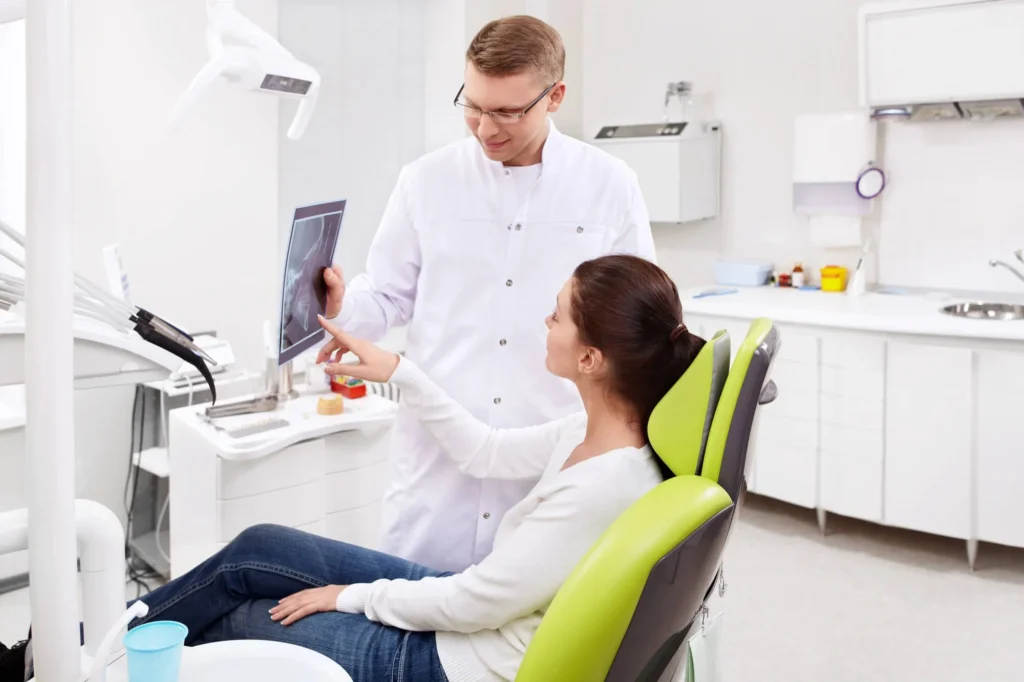
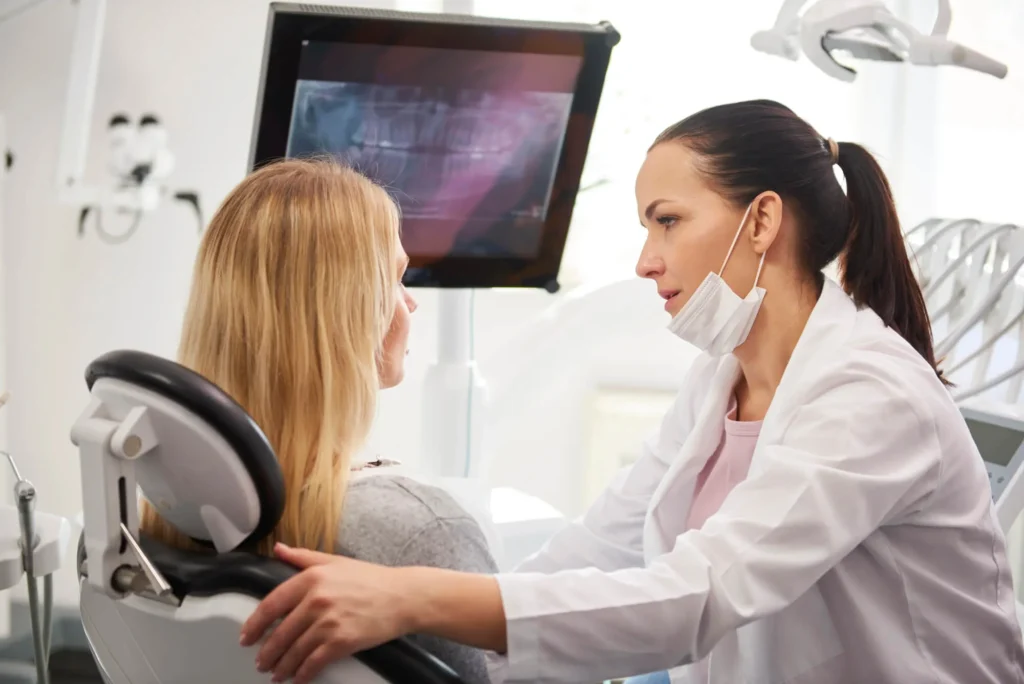
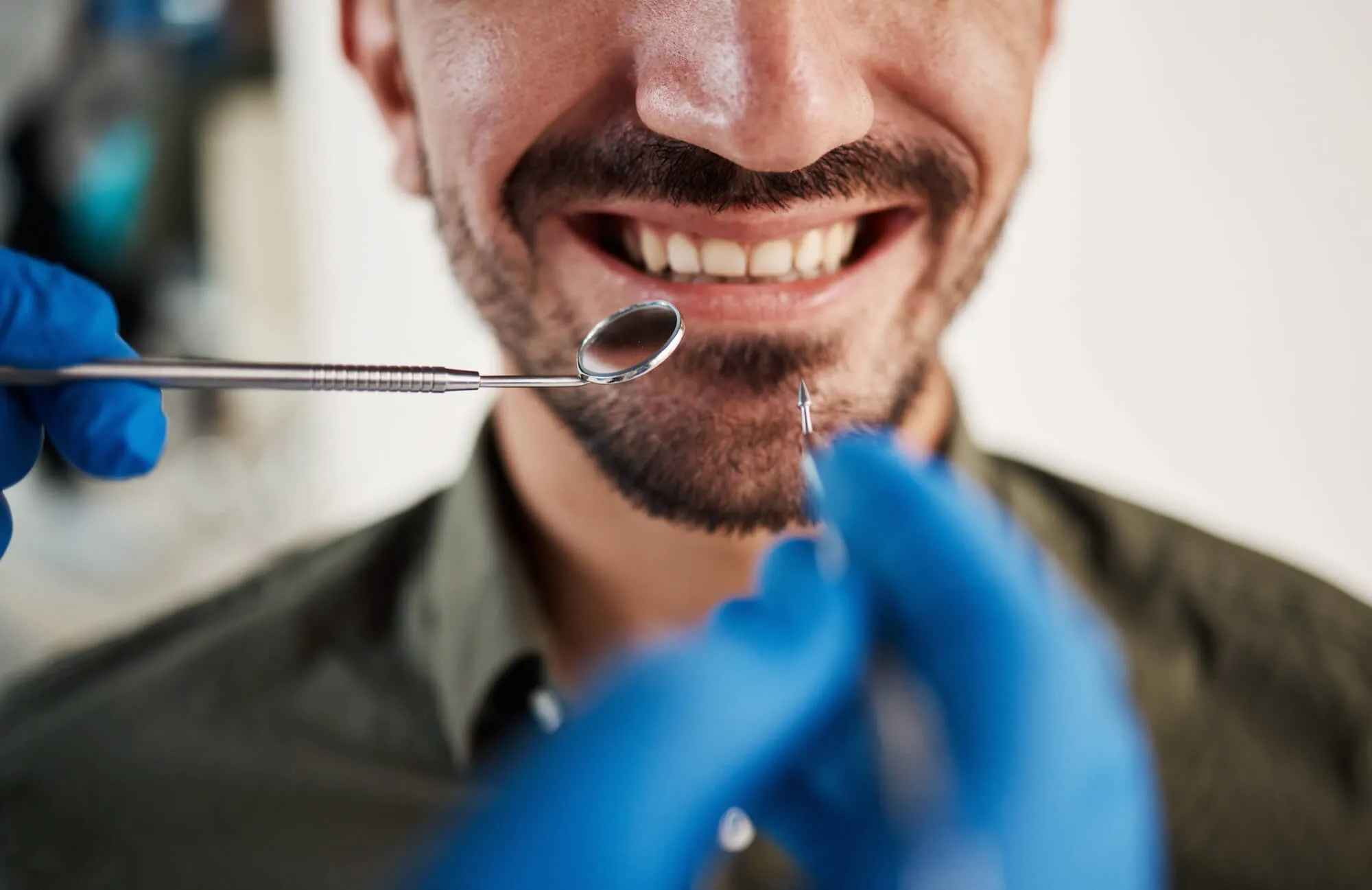
Biological-dentist-Maryland-and-patient

Why Biological Dentistry Takes a Broader View 

Biological dentistry is based on the idea that oral health is not separate from the rest of the body. The condition of the mouth may reflect broader functional and structural patterns developing over time. 

Symptoms Often Have Contributing Factors 

A single symptom may have several underlying influences. Tooth sensitivity, jaw discomfort, or recurring inflammation can result from a combination of habits and structural patterns rather than a single isolated cause. 

For example, recurring enamel wear may relate to: 

  • Mouth breathing 
  • Bite imbalance 
  • Stress-related muscle tension 
  • Acidic dietary habits 

By evaluating these factors together, biological dentistry aims to identify patterns that contribute to ongoing irritation or instability. 

Oral Health and Daily Function Are Closely Connected 

Chewing, breathing, swallowing, and speaking all rely on coordinated movement between muscles, teeth, jaws, and airway structures. When one part of the system becomes strained, the effects may appear elsewhere in the mouth. 

This is why biological dentists often evaluate: 

  • Jaw alignment 
  • Tongue posture 
  • Breathing habits 
  • Muscle tension 
  • Bite pressure distribution 

Looking at oral function as a whole allows for more personalized treatment planning. 

How Biological Dentistry Evaluates More Than Teeth 

Biological dentistry uses detailed evaluations to better understand how oral structures function together over time. 

Airway and Breathing Evaluations 

Breathing patterns can affect oral tissues, jaw position, and muscle activity. Mouth breathing, especially during sleep, may contribute to dry mouth, gum irritation, enamel wear, and jaw tension. 

Biological dental evaluations often assess: 

  • Tongue position 
  • Lip seal 
  • Palate shape 
  • Signs of airway restriction 
  • Bite relationship 

These observations help identify patterns that may influence oral health beyond the teeth themselves. 

Advanced Imaging for Deeper Insight 

Digital imaging and CBCT scans allow dentists to evaluate structures beneath the surface. These scans provide a more detailed view of: 

  • Bone structure 
  • Root anatomy 
  • Jaw alignment 
  • Airway space 
  • Hidden areas of infection or inflammation 

This information supports more precise treatment planning and helps identify concerns that may not appear during a standard visual exam. 

Lifestyle and Health Discussions 

Biological dentistry often includes conversations about daily habits and overall wellbeing. Dentists may ask about: 

  • Stress levels 
  • Diet and hydration 
  • Clenching habits 
  • Previous dental experiences 

These discussions provide context that helps explain recurring symptoms or healing challenges. For example, poor sleep may contribute to grinding, while chronic dry mouth may relate to hydration or breathing patterns. Understanding these details helps dentists identify factors that may affect inflammation, tissue comfort, bite stability, or recovery after procedures. This broader perspective supports more personalized care and thoughtful long-term treatment planning.

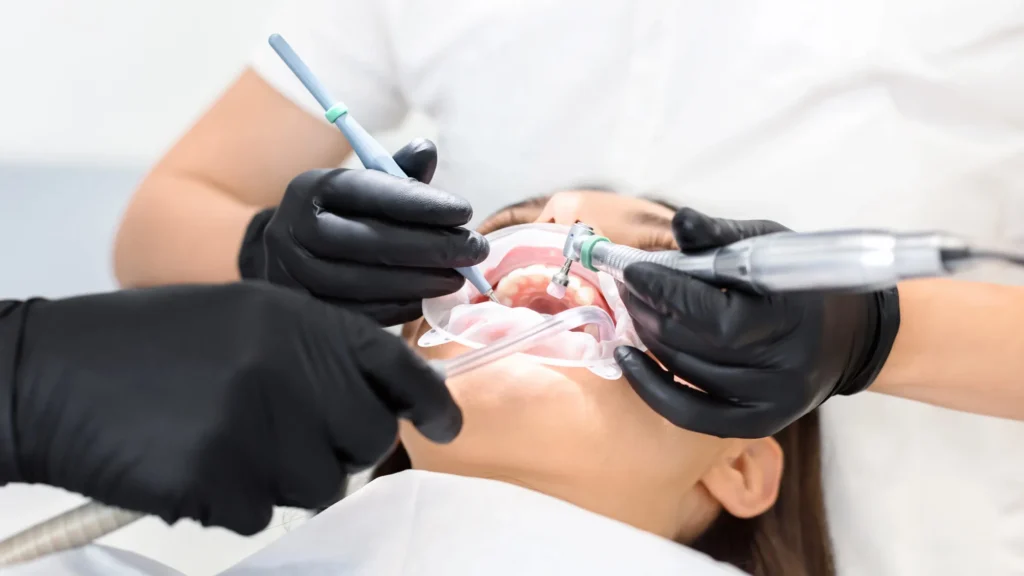
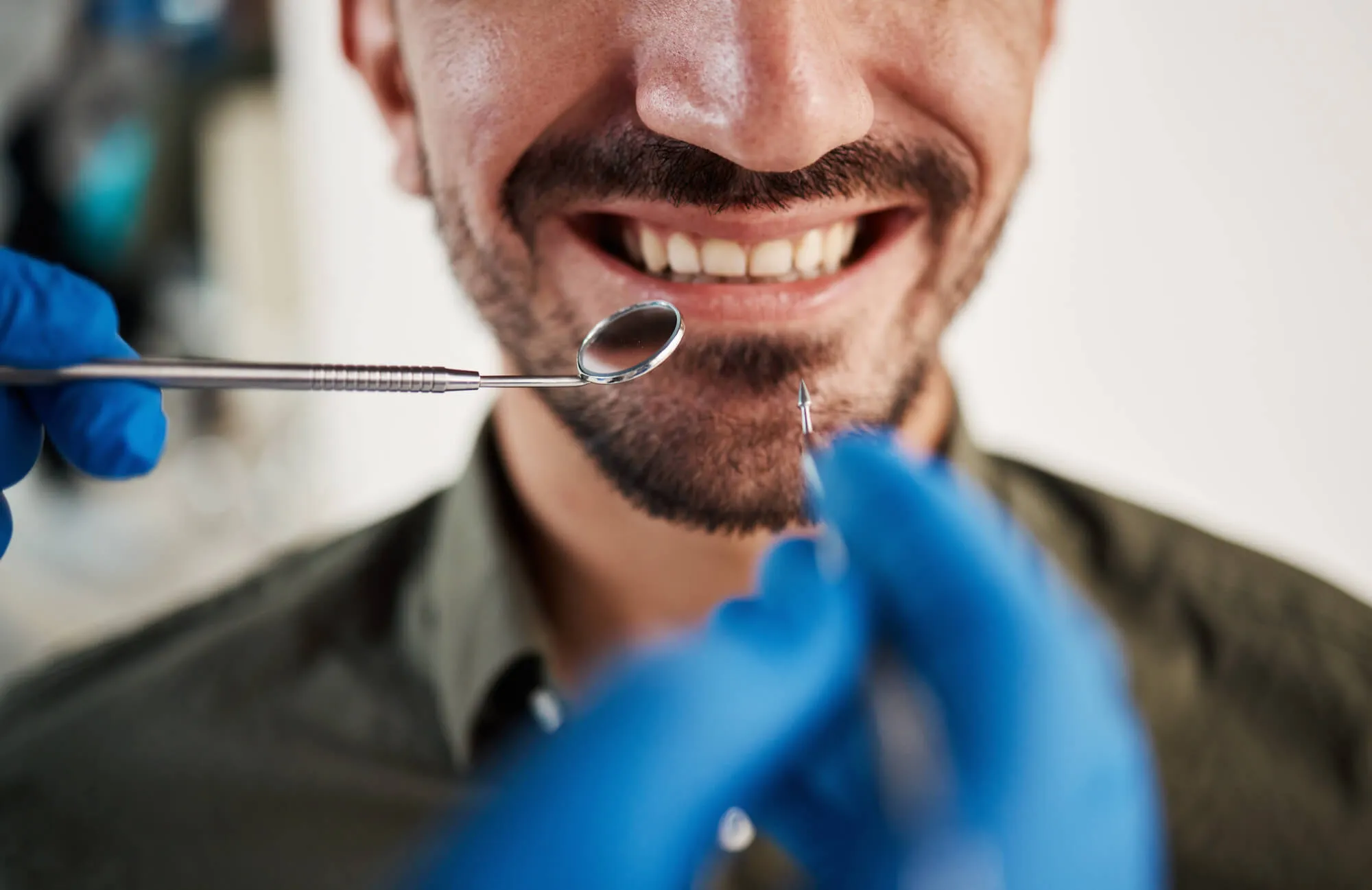
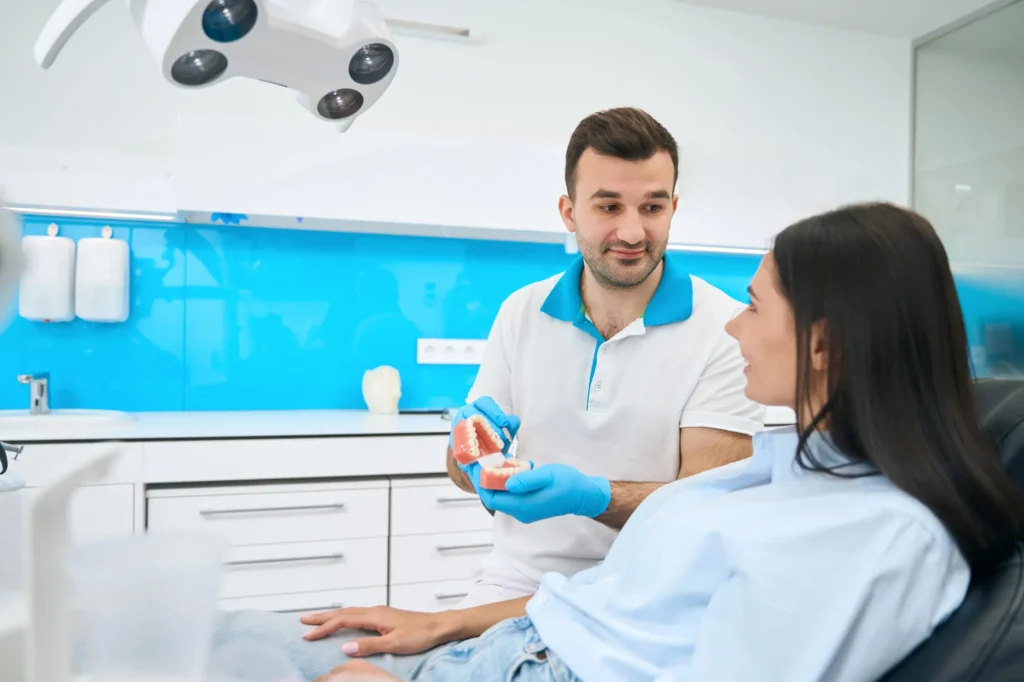
Biological-dentist-Maryland-checking-patients-teeth

Why Material Selection Matters in Biological Dentistry 

Biological dentistry also focuses on how materials interact with the body over time. 

Biocompatible Restorative Materials 

Material selection is approached carefully to support comfort and compatibility. Biological dentistry often uses: 

  • Ceramic restorations 
  • BPA-free composite fillings 
  • Metal-free crowns 

These materials are selected based on durability, tissue response, and long-term oral balance. 

Metal-Free Implant Options 

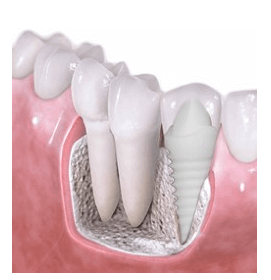
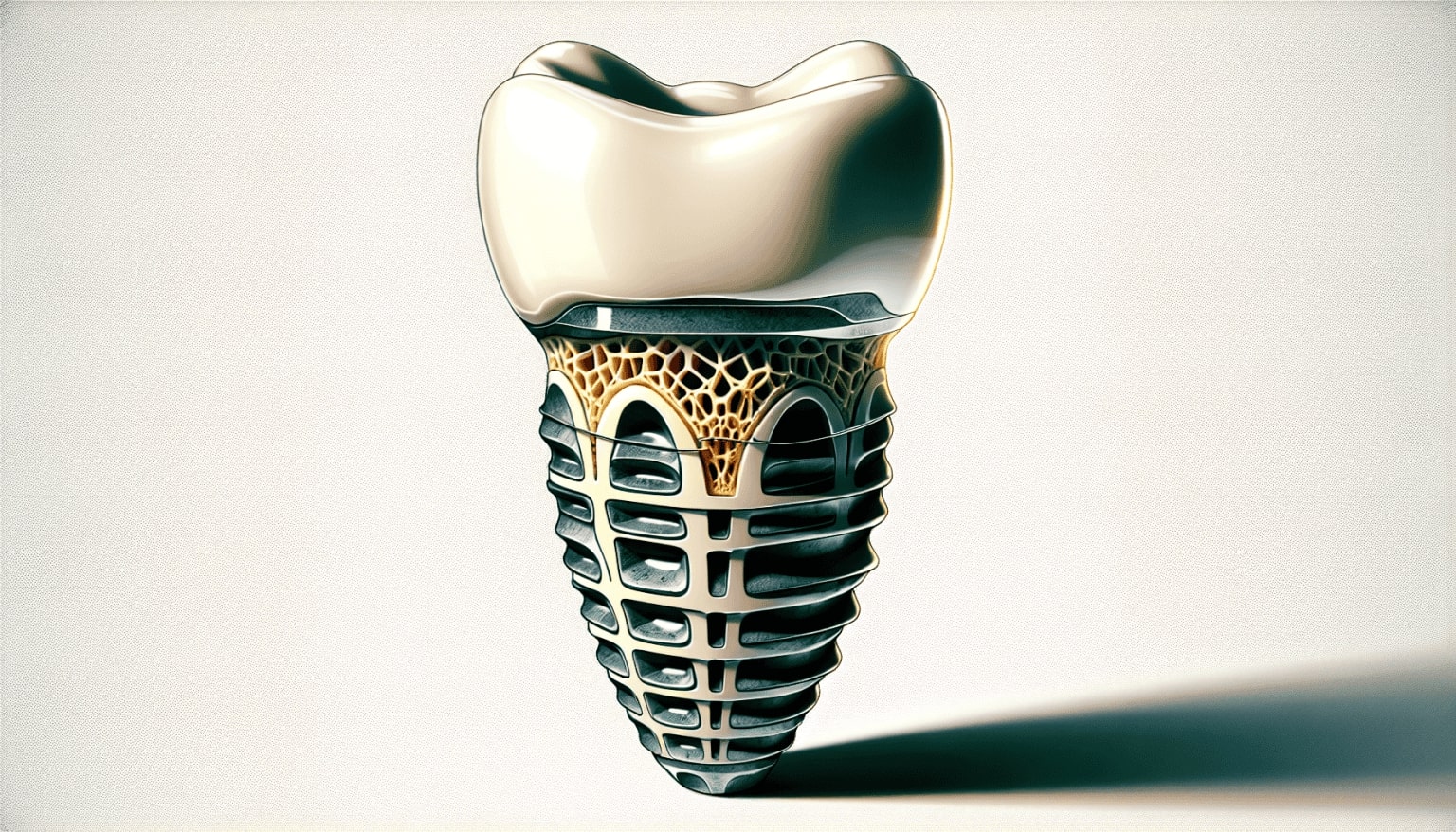
Zirconia implants are commonly used in biological dentistry because they provide a metal-free alternative with a natural appearance. They are often chosen by patients interested in biocompatible treatment approaches or those with sensitivities to certain metals. 

Material selection is considered part of the larger goal of supporting healthy tissue response and long-term stability. 

How Biological Dentistry Supports Healing 

Biological dentistry focuses not only on repairing damage but also on supporting the body’s healing process. 

Ozone Therapy and Oral Environment Balance 

Ozone therapy is commonly incorporated into biological dental care to help support bacterial management and tissue health. It may be used during: 

  • Gum therapy 
  • Surgical procedures 
  • Cavity management 
  • Preventive care 

This approach aligns with the philosophy of maintaining a healthier oral environment while reducing unnecessary chemical exposure. 

PRF Support During Procedures 

Platelet-rich fibrin (PRF) uses components from the patient’s own blood to support healing after extractions, implant placement, or surgical treatment. PRF is often used to support clot stability and tissue recovery. 

These techniques are designed to support comfort and healing while preserving surrounding tissues whenever possible. 

Why Biological Dentistry Focuses on Prevention 

Preventive care remains central to biological dentistry. Identifying small changes early may help reduce the likelihood of larger dental concerns later. 

Monitoring Bite and Structural Changes 

Uneven bite pressure can gradually affect teeth, muscles, and jaw joints. Over time, this may contribute to: 

  • Tooth fractures 
  • Jaw soreness 
  • Muscle fatigue 
  • Enamel wear 

Biological dental evaluations monitor these patterns before symptoms become more severe. 

Preserving Natural Structures 

Conservative treatment planning helps preserve healthy tooth structure whenever possible. Biological dentistry often emphasizes minimally invasive approaches that support long-term oral function rather than aggressive intervention. 

This philosophy encourages thoughtful planning that respects both comfort and structural stability. 

How Patients Benefit From a Whole-Body Perspective 

Patients often appreciate a more comprehensive understanding of their oral health. Biological dentistry encourages education and collaboration so patients can better understand how daily habits and oral function interact. 

More Personalized Care 

Treatment recommendations are based on: 

  • Structural findings 
  • Lifestyle habits 
  • Healing patterns 
  • Material preferences 
  • Functional concerns 

This helps create treatment plans that feel more individualized and practical. 

Long-Term Oral Stability 

Looking beyond the tooth alone may help identify patterns that contribute to recurring discomfort or repeated dental problems. Addressing these contributing factors supports more stable long-term outcomes.

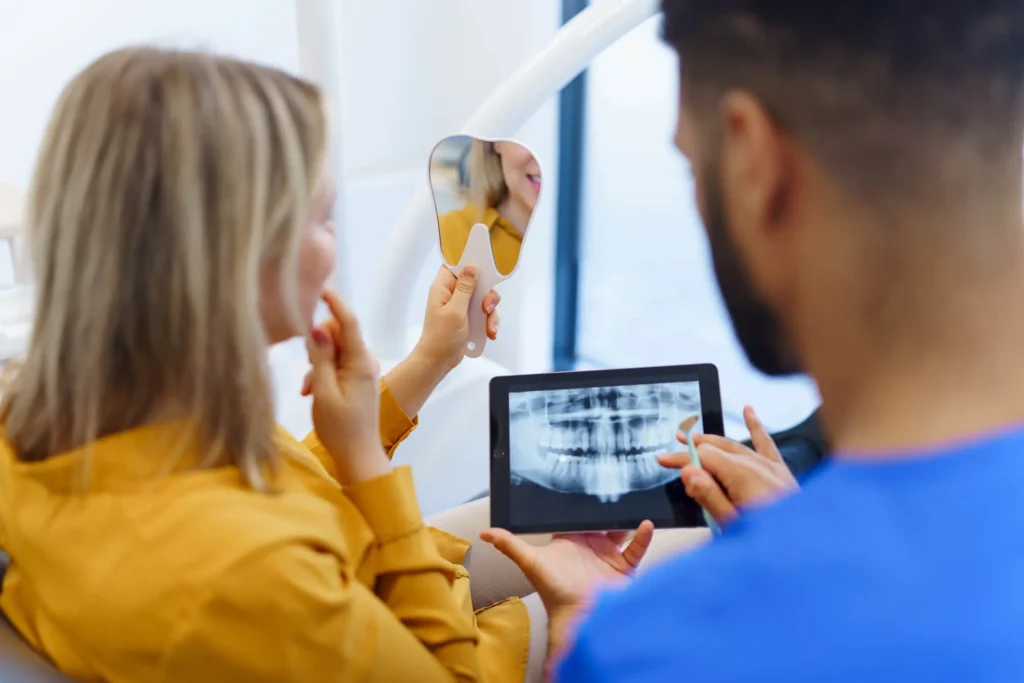
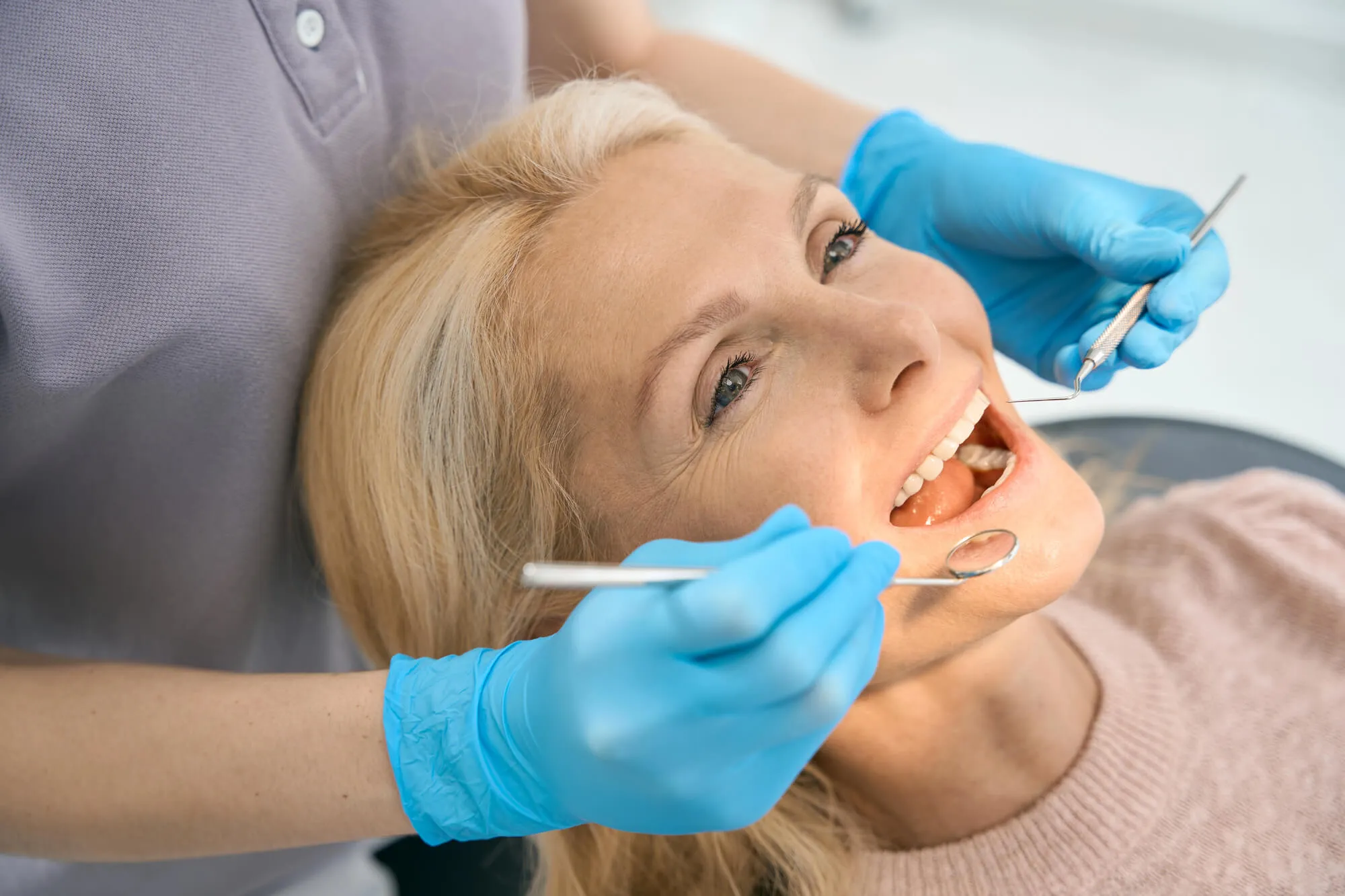
Biological-dentist-Maryland.

Whole-Body Care With a Biological Dentist in Maryland 

Looking beyond a damaged tooth alone can provide a clearer understanding of how breathing, jaw function, inflammation, and daily habits affect oral health over time. A more complete evaluation supports treatment planning focused on comfort, prevention, and long-term oral stability. 

Maryland Holistic Dentist provides biological dental care centered on biocompatible materials, advanced diagnostics, airway-aware evaluations, and personalized treatment planning. Their philosophy combines modern dental technology with whole-body awareness to support healthier oral function and lasting wellbeing. 

Schedule a consultation to learn how biological dental care can support a healthier, more balanced smile. 

Why Holistic Dentistry Focuses on the Cause, Not Just the Symptom

A sore jaw, bleeding gums, or recurring tooth sensitivity can seem like isolated problems at first. Yet symptoms often reflect patterns developing beneath the surface. A Holistic dentist in Maryland looks beyond immediate discomfort to identify factors that may be influencing oral health over time. Instead of focusing only on what hurts today, holistic dentistry evaluates how habits, breathing patterns, inflammation, and overall wellness influence the mouth over time. This broader perspective helps support care that feels more thoughtful, personalized, and lasting.

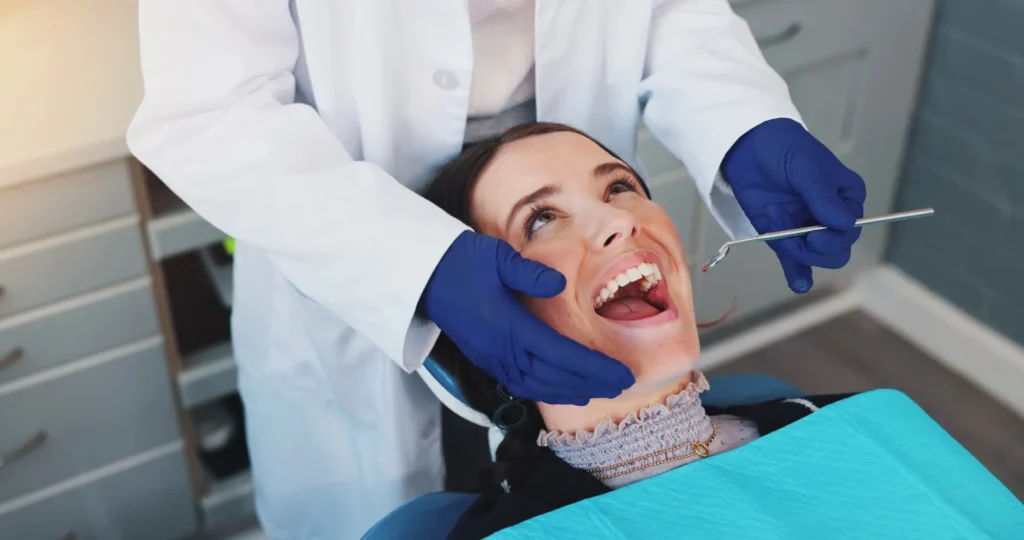
Holistic-dentist-in-Maryland-evaluating-patients-teeth

Why Symptoms Alone Do Not Tell the Full Story 

Symptoms are important, but they rarely explain the entire picture. Holistic dentistry focuses on identifying the underlying patterns contributing to discomfort or instability. 

A Toothache May Have Multiple Contributing Factors 

Tooth pain can develop from decay, grinding, bite imbalance, gum inflammation, or structural stress. Treating the discomfort alone may not address the underlying cause of the irritation. 

For example, a patient experiencing repeated tooth sensitivity may also have: 

  • Clenching during sleep 
  • Mouth breathing 
  • Acidic dietary habits 
  • Gum recession from bite pressure 

By evaluating these factors together, dentists can create a treatment plan that supports longer-lasting comfort. 

Gum Irritation Often Reflects More Than Hygiene 

Bleeding or swollen gums are sometimes linked to brushing habits, though lifestyle patterns can also influence tissue health. Stress, dry mouth, breathing habits, and diet all affect the oral environment. 

Holistic dentistry evaluates how these patterns interact rather than focusing only on surface symptoms. This helps patients gain a clearer understanding of why irritation continues or returns repeatedly. 

Recurring Dental Problems May Point to Larger Patterns 

Repeated fractures, worn enamel, or ongoing jaw tension may indicate issues beyond a single damaged tooth. Bite alignment, airway restriction, or muscle strain can gradually affect oral structures over time. 

Recognizing these connections early helps support preventive care before more extensive dental work becomes necessary. 

How Holistic Dentistry Evaluates the Bigger Picture 

Holistic dentistry considers how oral health connects with everyday function and overall wellness. This approach encourages more complete evaluations before treatment begins. 

Looking at Lifestyle Habits 

Daily habits influence the condition of the teeth and gums more than patients often realize. Holistic dentists may ask questions about: 

  • Sleep quality 
  • Stress levels 
  • Diet and hydration 
  • Mouth breathing 

These conversations help identify patterns that may affect inflammation, tissue comfort, enamel wear, or healing. 

Evaluating Airway and Breathing Patterns 

Breathing habits influence jaw posture, muscle activity, and oral dryness. Mouth breathing may contribute to gum irritation, enamel changes, or tension in the jaw and neck. 

Holistic dental exams often include evaluation of: 

  • Tongue posture 
  • Palate shape 
  • Bite alignment 
  • Signs of airway restriction 

These observations help dentists understand how breathing patterns may affect long-term oral stability. 

Using Advanced Imaging for Better Insight 

Digital imaging and CBCT scans allow dentists to assess structures beneath the surface. These images help evaluate: 

  • Bone support 
  • Hidden infection 
  • Jaw alignment 
  • Airway space 
  • Root structure 

A more detailed view supports precise planning and helps identify contributing factors that standard exams may not fully reveal. 

Why Material Selection Matters in Holistic Dentistry 

Holistic care also focuses on how dental materials interact with the body over time. 

Biocompatible Restorations 

Some patients prefer materials selected for compatibility and comfort. Holistic dentistry often uses: 

  • Ceramic restorations 
  • BPA-free composite fillings 
  • Zirconia implants 

These materials are chosen carefully based on durability, appearance, and tissue response. 

Metal-Free Options for Certain Treatments 

Metal-free zirconia implants are commonly used in holistic dentistry because of their natural appearance and compatibility with surrounding tissues. This approach aligns with the philosophy of reducing unnecessary irritation while supporting stable function. 

Material selection is not only about aesthetics. It also considers long-term comfort and how restorations behave within the oral environment. 

Preventive Care Before Larger Problems Develop 

One of the core principles of holistic dentistry is prevention. Addressing small patterns early may help reduce the need for more invasive procedures later. 

Monitoring Bite and Jaw Function 

Uneven bite pressure can place excess force on specific teeth. Over time, this may contribute to: 

  • Enamel wear 
  • Jaw soreness 
  • Muscle fatigue 

Holistic evaluations look for these signs early, so supportive care can begin before damage progresses. 

Supporting Tissue Health Naturally 

Holistic practices often incorporate therapies designed to support healing and maintain oral balance. 

These may include: 

  • Ozone therapy to support bacterial management 
  • PRF (platelet-rich fibrin) for healing support 
  • Gentle preventive cleanings 

These methods are used alongside modern dental care to support tissue comfort and recovery. 

Encouraging Long-Term Oral Stability 

Holistic dentistry focuses on maintaining healthy structures whenever possible. Conservative treatment planning helps preserve natural tooth structure and reduce unnecessary intervention. 

This approach encourages steady, long-term oral health rather than reacting only after discomfort appears.

Holistic-dentist-in-Maryland-wearing-a-mask

How Patients Benefit from a Cause-Focused Approach 

Patients often feel more involved in their care when they understand the reasons behind symptoms. Holistic dentistry encourages education and open discussion rather than quick fixes alone. 

More Personalized Treatment Planning 

No two patients have the same oral health patterns. Treatment recommendations are based on: 

  • Health history 
  • Lifestyle habits 
  • Tissue response 
  • Structural findings 
  • Personal goals 

This allows care to feel more individualized and practical. 

Clearer Understanding of Oral Health 

Patients who understand the contributing factors often feel more confident in managing their oral health over time. Discussions about diet, breathing, stress, or bite patterns help connect daily habits with dental wellbeing. 

Focus on Long-Term Comfort 

A cause-focused approach supports care that prioritizes stability and prevention. By identifying patterns early, dentists can help reduce repeated irritation, recurring damage, or avoidable procedures. 

Why Holistic Dentistry Continues to Grow 

Interest in holistic dentistry continues to increase as patients seek care that feels more comprehensive and personalized. People often appreciate a philosophy that considers both oral function and overall wellbeing together. 

Modern holistic dentistry combines: 

  • Advanced technology 
  • Biocompatible materials 
  • Preventive care 
  • Patient education 
  • Conservative treatment planning 

This combination allows patients to receive modern dental care while supporting comfort and long-term oral balance.

reliable-Holistic-dentist-in-Maryland

Whole-Body Dental Care with a Holistic Dentist in Maryland 

Looking beyond symptoms alone can provide a clearer understanding of what affects oral health over time. A more complete evaluation helps connect daily habits, structural patterns, and material choices with long-term comfort and function. 

Maryland Holistic Dentist provides care focused on prevention, biocompatible materials, airway-aware evaluations, and personalized treatment planning. Their philosophy combines modern diagnostics with whole-body awareness to support healthier teeth, balanced oral function, and long-term wellbeing. 

Schedule a consultation to learn how holistic dental care can support a healthier, more stable smile.

Why a Holistic Dentist May Ask About Your Diet, Sleep, and Stress

A dental visit can sometimes feel routine until unexpected questions come up about sleep habits, daily meals, or stress levels. These topics might seem unrelated to teeth at first. A holistic dentist in Burtonsville, MD, asks these questions because daily habits influence your teeth, gums, comfort, and how your smile stays healthy over time. Understanding these connections helps dentists plan care that supports both your smile and the way your mouth functions day to day. 

How Lifestyle Habits Shape Oral Health 

Holistic dentistry looks at patterns that influence the mouth over time. Diet, sleep, and stress affect saliva flow, inflammation, jaw function, and healing capacity. By learning about these areas, dentists gain context that guides safer material choices, preventive care, and long-term planning. 

Diet and Its Influence on Teeth and Gums 

Food choices shape the oral environment. Sugars and acidic drinks can change pH levels, encouraging bacteria that affect enamel and gum tissue. Frequent snacking keeps acids active longer, while balanced meals allow saliva to neutralize the mouth. 

A holistic dentist often asks about: 

  • Frequency of sugary snacks or drinks 
  • Hydration habits 
  • Intake of whole foods that support tissue repair 
  • Patterns such as late-night eating 

Nutrition also affects bone and gum stability. Vitamins like D and calcium support strong enamel and jawbone health. Protein supports tissue repair after dental procedures. These connections help dentists guide preventive care and recommend materials that match each patient’s needs. 

Sleep Quality and Oral Function 

Sleep affects how the jaw, airway, and muscles behave overnight. Poor sleep or breathing issues may lead to clenching, grinding, or mouth breathing. These patterns can cause enamel wear, jaw tension, and gum irritation. 

Holistic dental visits often include questions about: 

  • Snoring or restless sleep 
  • Morning headaches or jaw soreness 
  • Dry mouth upon waking 

These clues help dentists evaluate airway function and bite stability. Advanced imaging, such as CBCT scans, may reveal structural factors that influence breathing and jaw alignment. Early awareness supports preventive care before symptoms progress. 

Stress and Its Impact on Oral Comfort 

Stress affects muscle tension and immune response. Clenching or grinding often increases during stressful periods. Gums may feel more sensitive, and healing after dental work may take longer. 

Dentists ask about stress to understand patterns such as: 

  • Jaw soreness during busy periods 
  • Headaches linked to clenching 
  • Changes in oral hygiene routines 

These observations guide recommendations like bite adjustments, protective night guards, or gentle therapies that support tissue comfort. 

Why Holistic Dentists Ask Personal Questions 

Lifestyle questions allow dentists to plan care that fits real life. Instead of focusing solely on visible dental concerns, holistic care considers the underlying causes. 

Creating More Personalized Treatment Plans 

Every mouth responds differently to dental materials and procedures. A patient with dry mouth may need different restorative materials than someone with strong saliva flow. A patient with clenching habits may need bite support before cosmetic work. 

Understanding lifestyle patterns helps dentists choose: 

  • Biocompatible restorations such as ceramic or BPA-free composites 
  • Ozone therapy to support tissue health during certain treatments 
  • Preventive strategies that reduce irritation 

This approach aligns dental care with comfort and long-term stability. 

Supporting Prevention Before Problems Grow 

Prevention is central to holistic dentistry. Lifestyle patterns often signal early changes before discomfort appears. By discussing diet, sleep, and stress, dentists can identify risks sooner and suggest simple adjustments that support oral health. 

Examples include: 

  • Timing meals to protect enamel 
  • Addressing mouth breathing that dries tissues 
  • Monitoring clenching patterns before teeth wear down 

These steps help maintain balance in the oral environment. 

Improving Communication and Trust 

Holistic dental care values clear conversation. Patients can share concerns, ask questions, and discuss goals before treatment begins. This open dialogue helps dentists recommend options that align with comfort levels and health priorities. 

Why These Questions Matter Before Treatment 

Before recommending procedures such as fillings, root canal therapy, extractions, or implant placement, holistic dentists consider lifestyle factors that may influence healing and long-term stability. A patient who grinds during sleep may benefit from bite support before restorative work. Someone with chronic dry mouth may need preventive care that protects enamel before cosmetic treatment. 

These insights also guide choices like metal-free restorations, zirconia implants, ozone therapy for tissue support, and airway-focused evaluations. By reviewing diet, sleep, and stress early, dentists can avoid repeating procedures caused by the same underlying habits. 

How Holistic Dentistry Uses This Information 

Lifestyle details guide every stage of care, from exams to restorative planning. 

Biocompatible Material Selection 

Holistic dentists avoid materials that may irritate tissues or trigger sensitivities. Knowing a patient’s health history, allergies, and past dental experiences helps determine whether ceramic restorations, zirconia implants, or BPA-free composites are appropriate choices. These materials are selected for durability, comfort, and compatibility with surrounding teeth and gums. 

Careful planning also considers how restorations interact with bite pressure and saliva levels. This thoughtful approach helps reduce irritation, supports steady healing, and allows dental work to feel more natural in daily use. Patients often appreciate knowing why certain materials are recommended and how they support lasting comfort and predictable results. 

Airway and Bite Evaluation 

Sleep and breathing patterns affect jaw alignment and tooth wear. Dentists assess tongue posture, palate shape, lip seal, and bite function to identify patterns linked to clenching, mouth breathing, or airway restriction. These observations help explain symptoms such as morning jaw soreness, dry mouth, or uneven enamel wear. 

When patterns are identified early, dentists can suggest preventive steps that support comfort and stability. These may include custom night guards, airway-focused referrals, bite adjustments, or periodic monitoring of structural changes.  

Early evaluation helps protect teeth from excess pressure and supports healthier breathing habits that benefit both oral comfort and long-term dental health. 

Gentle Therapies That Support Healing 

Holistic practices often incorporate ozone therapy or PRF-supported procedures to help maintain a balanced oral environment. These techniques support tissue comfort while limiting chemical exposure. 

When combined with lifestyle awareness, they create care plans that respect natural healing processes.

Get Support from a Holistic Dentist in Burtonsville, MD 

If questions about diet, sleep, or stress came up during your visit, they were part of a thoughtful approach to care. Maryland Holistic Dentist focuses on prevention, biocompatible materials, and patient education to support long-term oral stability. Their philosophy blends modern diagnostics with compassionate communication, helping patients maintain healthy teeth and gums while respecting the body’s natural balance. 

Schedule a consultation to learn how holistic dental care can support comfort, clearer breathing, and stronger oral health for years ahead. 

Common Misconceptions About Dental Implants in Holistic Practices

Many people hesitate to replace missing teeth because they’ve heard conflicting opinions about implants, especially in holistic care. Are they safe? Do they contain metal? Can they affect overall health? For anyone considering dental implants in Montgomery County, understanding the facts can bring reassurance. Holistic dentistry focuses on restoring comfort and function while supporting the body’s balance with safe materials and mindful techniques that promote lasting wellness.

woman with Dental implants Montgomery County

The Truth About Dental Implants in Holistic Dentistry

What Are Dental Implants, Really?

Dental implants are artificial tooth roots that support crowns, bridges, or dentures, restoring both appearance and function. Traditional implants are made from titanium, a durable metal that integrates well with bone.

In holistic dentistry, the emphasis shifts toward biocompatibility, using materials that work in harmony with the body. Many practices now use zirconia implants, a nonmetal ceramic known for its strength, aesthetics, and compatibility with soft tissues.

Zirconia implants provide the same stability as titanium while avoiding corrosion or potential sensitivities. For people with allergies, autoimmune conditions, or concerns about metal exposure, these implants offer a natural and body-friendly alternative.

Misconception #1: All Dental Implants Are Made of Metal

A common myth is that all dental implants contain metal. While traditional titanium implants remain popular, holistic dentistry offers metal-free alternatives.

Zirconia implants are made from medical-grade ceramic that integrates seamlessly with bone. They don’t conduct heat or electricity and don’t corrode over time. Their tooth-colored design also enhances aesthetics by preventing dark lines near the gumline.

For patients who prefer a natural option, zirconia implants combine durability, comfort, and compatibility with the body’s chemistry.

Misconception #2: Dental Implants Interfere with Overall Health

Some worry that implants may disrupt the body’s natural energy flow or contribute to inflammation. In holistic dentistry, safety is a top priority. Each patient’s health profile, sensitivities, and immune status are carefully reviewed before treatment begins.

Zirconia implants are bioinert, meaning they don’t release ions or trigger inflammatory responses. Their smooth surface resists bacterial buildup, protecting gum tissue and bone stability.

When placed precisely and supported by biocompatible care, implants not only restore function but also support long-term balance and wellness.

Misconception #3: Implant Procedures Are Painful or Require Long Recovery

Modern technology has transformed implant procedures into a more comfortable experience than many expect. With advanced imaging, ozone therapy, and minimally invasive techniques, most patients report mild discomfort and quick recovery.

Holistic practices often integrate ozone and laser technology to disinfect tissues, reduce inflammation, and promote natural healing. These methods encourage tissue regeneration without relying on harsh chemicals.

Recovery times vary depending on bone health and healing capacity, but many people return to normal activities within a few days. The combination of precision technology and holistic post-care creates a smooth and predictable process.

Misconception #4: Holistic Dentists Avoid Implants Entirely

It’s a common assumption that holistic practitioners reject implant therapy. In truth, they often recommend implants as a healthier long-term alternative to bridges or dentures.

The distinction lies in how implants are planned and placed. Holistic care considers the entire body, ensuring that airway alignment, jaw function, and systemic health are evaluated before any procedure.

Biological protocols such as ozone disinfection, platelet-rich fibrin (PRF) therapy, and metal-free restorations align dental treatments with the body’s natural healing processes. The goal isn’t just to replace a missing tooth—it’s to restore comfort, balance, and lasting health.

Misconception #5: Implants Don’t Last as Long as Natural Teeth

Some believe dental implants are temporary. In reality, when planned carefully and maintained properly, they can last decades. Zirconia is exceptionally strong and resistant to bacterial adhesion, reducing the risk of gum irritation and bone loss.

Preventive maintenance, such as regular hygiene visits, personalized cleanings, and mindful home care, further extends implant longevity. Because holistic practices focus on prevention, patients are empowered to protect their investment through education and consistent care habits.

Why Holistic Practices Approach Implants Differently

Comprehensive Diagnostics and Planning

Holistic dentistry combines advanced technology with a full-body perspective. 3D cone beam CT scans allow dentists to visualize bone density, nerve pathways, and sinus positioning before placing an implant. This precision reduces complications and ensures a natural, functional outcome.

Beyond anatomy, holistic evaluations consider how dental health connects to digestion, posture, and even breathing patterns, reinforcing that oral health never exists in isolation.

Biocompatible Materials and Safe Techniques

Holistic implant procedures rely on materials and methods that protect the body’s integrity while promoting natural healing. Every product and process is carefully chosen to support biological harmony rather than disrupt it.

  • Zirconia implants are completely metal-free and compatible with bone and soft tissue, reducing the risk of corrosion, sensitivity, or immune reactions.
  • Ozone therapy is used for sterilization and healing, eliminating harmful bacteria while stimulating the body’s natural repair mechanisms.
  • Laser disinfection targets microorganisms gently and effectively, minimizing the need for harsh chemicals or antibiotics.

These modern techniques create a cleaner, healthier environment for implant placement. By prioritizing non-toxic, biocompatible materials, holistic dentists reduce inflammation, speed recovery, and help the body accept the restoration naturally. The result is dental care that’s not only functional and long-lasting but also aligned with whole-body wellness.

Whole-Body Wellness Through Dental Care

Every step of holistic implant treatment reflects a respect for the body’s natural systems. Pretreatment assessments ensure compatibility, while aftercare focuses on healing through proper nutrition, hydration, and stress management.

By aligning modern implant technology with holistic principles, patients experience results that restore confidence, comfort, and well-being while supporting the body’s natural equilibrium.

Benefits of Choosing a Holistic Approach to Implants

  • Non-toxic materials: Avoids metals and chemicals that may disrupt biological balance.
  • Natural appearance: Tooth-colored restorations for a lifelike smile.
  • Improved comfort: Smooth surfaces prevent irritation and inflammation.
  • Safer healing: Biocompatible methods enhance recovery and reduce risk.
  • Systemic harmony: Every step supports the body’s interconnected health.

This approach merges science with mindfulness, ensuring that restoring a smile never compromises overall wellness.

man just got Dental implants Montgomery County

Choosing the Right Provider for Dental Implants in Montgomery County

Finding a dental team that understands both oral and overall health makes all the difference. A holistic dentist values precision, prevention, and patient comfort, integrating safe materials and evidence-based technology to create lasting results.

When evaluating options, look for practitioners who use 3D imaging, metal-free implants, and ozone protocols. These methods not only improve success rates but also align with natural healing.

At Maryland Holistic Dentist, every implant treatment is guided by science, compassion, and respect for your biological balance. Schedule your consultation today and experience metal-free, biocompatible dentistry designed for a stronger smile and a healthier life.

The Benefits and Drawbacks of Ceramic Dental Implants

Ceramic dental implants, made from zirconia, are gaining popularity as an alternative to titanium implants. Are they the better choice for you? This article will explain what ceramic dental implants are, their benefits, and potential drawbacks, so you can decide with confidence. Ceramic is sometimes called the holistic dental implant.

Contact us for a no cost ceramic implant consultation.

Key Takeaways

  • Ceramic dental implants, made from zirconia, are a metal-free alternative to titanium implants and offer advantages like reduced allergic reactions, biocompatibility, and esthetic benefits.
  • Ceramic implants come in one-piece and two-piece designs, with one-piece implants minimizing bacterial leakage and two-piece designs providing greater restorative flexibility.
  • While ceramic implants are more aesthetically pleasing and suitable for patients with metal sensitivities, they are generally more expensive and require precise surgical techniques due to their brittleness.

Understanding Ceramic Dental Implants

Dental implants are designed to replace the root of missing teeth, preserving the bone and providing a stable foundation for tooth replacement. The choice of implant material is paramount, influenced by the patient’s needs and personal preferences. While titanium dental implants have been the gold standard for decades, ceramic implants are emerging as a viable alternative.

Ceramic implants, made predominantly from zirconia, offer several advantages over traditional metal implants, including zirconia and titanium implants. Zirconia dental implants resolve issues commonly associated with titanium implants, such as allergic reactions and metal sensitivities. By focusing on patient health and safety, practitioners aim to provide the best possible outcomes for dental implant patients.

understanding ceramic dental implants

Characteristics of Ceramic Dental Implants

Ceramic dental implants are crafted from zirconia, a metal-free material known for its strength and biocompatibility. These implants come in both one-piece and two-piece configurations, each with its unique set of advantages and limitations. Understanding these characteristics is crucial for both dental professionals and patients when considering dental implant options.
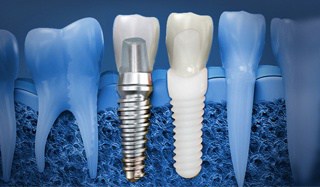
One-piece ceramic implants are favored for their simplicity and reduced risk of bacterial leakage, while two-piece designs offer restorative flexibility. The diameter of ceramic implants ranges from 3.3 mm to 7 mm, accommodating various clinical needs and patient preferences.

Ceramic implants are a central part of tooth replacement for a biological and holistic dental practice.

Material Composition

Ceramic implants are primarily made of zirconia, produced through sintering or yttrium-stabilized processes. This strong, white material is chosen for its beneficial properties in dental prosthesis, offering a metal-free alternative that is both durable and aesthetically pleasing.

Design and Structure

Ceramic implants are available in one-piece and two-piece designs. One-piece implants, fused into a single monobloc, minimize bacterial leakage and are preferred for their simplicity.

Two-piece designs, similar to advanced titanium implants, consist of an implant body, abutment, and retention screw, providing greater restorative flexibility but with a potential risk of bacterial leakage at the joint. These characteristics are common in titanium implant systems.

Clinical Benefits of Ceramic Dental Implants

Ceramic dental implants offer numerous clinical benefits, making them an appealing choice for many patients. Their biocompatibility, esthetic advantages, and metal-free composition contribute to their growing popularity in implant dentistry, including the use of clin oral implants.

One of the key benefits of ceramic implants is their reduced bacterial attraction compared to titanium implants, which lowers the risk of gum disease. Additionally, their resistance to chemical corrosion and lack of electrical conductivity make them a stable and safe option for dental implants.

Illustration of a patient with ceramic dental implants and natural teeth

07ca9081 1278 4ff3 89a3 db6be267845f 1

Biocompatibility

Ceramic implants are hypoallergenic and biologically compatible, promoting healthy osseointegration with the jawbone. Their bioinert nature reduces the risk of implant site complications and inflammation in surrounding tissues.

Furthermore, their low affinity for plaque aids in maintaining peri-implant health.

Esthetic Advantages

Ceramic implants offer excellent esthetics, closely resembling natural tooth enamel and blending seamlessly with natural teeth. They are particularly beneficial for patients with thin or translucent gums, as they prevent gum discoloration, unlike titanium implants which can cause a grayish appearance.

Metal-Free Option

For patients seeking a metal-free solution, ceramic dental implants are ideal. Made from zirconium oxide, they are hypoallergenic and do not cause allergic reactions, making them suitable for patients with metal sensitivities or those who prefer to avoid metal dental implants.

This metal-free option aligns with holistic health principles and is increasingly preferred by patients with allergies to metal.

Surgical Considerations for Ceramic Implants

The surgical placement of ceramic dental implants requires a higher level of skill compared to titanium implants. Proper technique and precision are crucial to ensure successful outcomes and minimize the risk of complications.

Two-piece ceramic implants often include a retention screw made from various materials, such as titanium, gold, carbon, or zirconia, which necessitates precise torque application during placement. This highlights the importance of experienced dental professionals in handling ceramic implants.

Placement Techniques

The placement of ceramic implants involves specific surgical techniques, such as low drilling speeds to prevent overheating and bone loss. One-piece implants can be placed using a flapless approach, though this may result in more bone loss.

Initial guided surgery can help ensure correct positioning, and delayed or late loading is often recommended to address primary stability issues.

Healing and Integration

Healing and integration for ceramic implants typically require several months, similar to titanium implants. Both types involve initial discomfort for about a week, followed by a longer period for the implant to anchor to the jawbone. Despite the time required, both ceramic and titanium implants show no significant differences in the healing process.

Comparing Ceramic and Titanium Implants

Ceramic and titanium dental implants each have distinct advantages and considerations. While ceramic implants offer excellent esthetics and reduced risk of allergic reactions, titanium implants are known for their robustness and long-term success.

Titanium implants generally cost about $300 less than ceramic implants, which can be a deciding factor for some patients. Understanding these differences helps patients make informed decisions based on their specific needs and preferences.

Comparison illustration of ceramic and titanium dental implants

a439521e 0820 49dc 8e5b d5c044dca4f7

Strength and Durability

Modern ceramic implants exhibit high compression and flexural strength. However, they can be more brittle than titanium implants, making them prone to fractures under certain conditions.

On the other hand, a titanium implant boasts excellent tensile strength and resistance to external forces, rarely experiencing implant fractures in the case of titanium implants.

Cost Differences

Ceramic dental implants are generally more expensive than their titanium counterparts due to their material and production processes. The higher manufacturing cost of zirconia implants contributes to this price difference, making them less accessible for some patients.

Clinical Research and Longevity

Titanium implants have a long history of scientific evidence supporting their effectiveness, with a 10-year success rate of 97%. While ceramic implants show similar integration capabilities, titanium may demonstrate faster initial osseointegration. Both types are effective and reliable, with titanium having a longer documented success history.

Patient Perspectives and Preferences

Patients often have specific preferences when it comes to dental implants, including mini dental implants, influenced by holistic health principles, aesthetic concerns, and comfort and functionality.

Many patients with a holistic approach to dental care prefer ceramic implants due to their biocompatibility and absence of metal, aligning with their health and wellness philosophies. Additionally, ceramic implants are favored for their natural tooth-like appearance, making them particularly appealing for patients who prioritize esthetic outcomes.

Holistic Approach

Patients with holistic health principles often choose ceramic implants because:

  • They are metal-free and biocompatible
  • They do not interfere with the body’s natural functions
  • They are less likely to cause immune responses or allergic reactions.

Aesthetic Concerns

Ceramic implants are perceived to have better aesthetic outcomes compared to metallic implants. They blend seamlessly with natural teeth, especially in esthetic areas, ensuring a more natural look for patients.

Comfort and Functionality

Patients report that ceramic implants offer several benefits, including:

  • Feeling more comfortable and natural in the mouth
  • Improving overall satisfaction with the implant
  • Functioning comparably to natural teeth in daily use
  • Contributing to positive long-term experiences

Addressing Common Concerns

While ceramic dental implants offer numerous benefits, there are common concerns related to potential implant failure and allergic reactions. Addressing these concerns is crucial for both patients and dental professionals.

Ceramic implants have a specific incidence of failure comparable to titanium implants, influenced by factors such as surgical technique and patient health. Early studies suggest that the risk of ceramic implant failure may be slightly higher due to the material’s brittleness, but advancements in design are addressing these concerns.

Potential for Implant Failure

The placement of ceramic implants can be more technique-sensitive than metal implants. Factors such as implant length, diameter, and bone quality significantly influence implant success. Systemic conditions like smoking and diabetes are critical risk factors for implant failure.

Infection at the implant site is also a common risk factor for failure, including for ceramic implants.

Managing Allergic Reactions

Allergic reactions to dental implant materials are relatively rare but can manifest as localized swelling or discomfort. Patch testing and the MELISA test can help identify potential allergies to implant materials before the procedure. In case of an allergic reaction, removing the implant and replacing it with an alternative material may be necessary.

Choosing the Right Implant for You

Selecting the most suitable dental implant material depends on individual needs and preferences. Ceramic implants should be handled by dentists who specialize in dental surgeries due to their specific requirements. Patients with a thin or delicate soft tissue biotype may prefer ceramic implants because of their white color and aesthetic advantages.

Ceramic implants are ideal for patients who:

  • Prefer a 100% metal-free material
  • Have known metal allergies or sensitivities
  • Are concerned about potential visibility, especially in the anterior region where aesthetics are crucial.

This option is particularly suitable for these patients.

Ultimately, the decision between ceramic and titanium implants should involve a thorough discussion with your dental professional, considering factors such as:

  • biocompatibility
  • esthetics
  • cost
  • personal health history

By evaluating these aspects, you can make an informed choice that aligns with your dental and overall health goals.

Summary

Ceramic dental implants offer a compelling alternative to traditional titanium implants, with benefits such as excellent esthetics, biocompatibility, and a metal-free composition. They are especially suitable for patients with allergies to metals or those who prioritize a holistic approach to their health. However, it’s essential to consider factors such as cost, potential for implant failure, and the specific skills required for their placement.

In conclusion, both ceramic and titanium dental implants have their unique advantages and drawbacks. By understanding these differences and consulting with a qualified dental professional, patients can make an informed decision that best meets their needs. Whether you opt for the aesthetic appeal of ceramic or the long-standing reliability of titanium, the ultimate goal is to restore missing teeth and achieve a healthy, functional, and beautiful smile.

Frequently Asked Questions

What are the main benefits of ceramic dental implants?

Ceramic dental implants offer excellent esthetics, biocompatibility, and a metal-free composition, making them suitable for patients with metal allergies or those who prioritize a natural look. They also provide a strong and durable alternative to traditional implants without compromising on appearance.

How do ceramic implants compare to titanium implants in terms of strength and durability?

Ceramic implants have high compression and flexural strength, but they can be more brittle than titanium implants, which are known for their tensile strength and resistance to external forces. Therefore, in terms of strength and durability, titanium implants are generally more robust than ceramic implants.

Are ceramic dental implants more expensive than titanium implants?

Yes, ceramic dental implants are generally more expensive than titanium implants due to their materials and production processes. This higher cost can limit accessibility for some patients.

What are the surgical considerations for placing ceramic dental implants?

When placing ceramic dental implants, it’s important to use specific techniques like low drilling speeds to prevent overheating. Precision is crucial for successful outcomes.

Can ceramic implants fail, and how can this be mitigated?

Yes, ceramic implants can fail due to factors like poor osseointegration and mechanical stress. To mitigate these risks, it is crucial to ensure proper surgical technique, consider patient health factors, and use experienced dental professionals.

Holistic Dental Implants: Benefits for Oral and Overall Health

When it comes to replacing missing teeth, holistic dental implants stand out for their health-centric benefits. If you’re exploring your options, zirconia, a metal-free material, has become synonymous with holistic dentistry for its natural integration with the body. This article uncovers the advantages of zirconia dental implants and how they could be the key to your dental restoration needs without compromising your health or appearance.

Holistic Dental Implants Vs Titanium Implants

Important Points about Holistic Dental Implants

  • Holistic dentistry emphasizes the use of metal-free dental implants like zirconia for their biocompatibility, aesthetics, and ability to integrate with the body’s health, moving away from traditional materials that may cause allergies or toxicity.
  • Zirconia offers significant benefits over titanium, including a natural appearance that mimics real teeth, a high rate of osseointegration for stability, resistance to plaque buildup for better gum health, and the ability to customize the implant to the patient’s smile.
  • Zirconia dental implants provide long-term advantages in oral health and aesthetics, such as durability, resistance to corrosion and heat, and an appearance that avoids the metallic sheen at the gum line, contributing to their growing popularity in holistic dentistry.

u003ch2u003eMeet Dr. Gary Adamsu003c/h2u003ernu003ca href=u0022https://marylandholisticdentist.com/dr-gary-adams/u0022u003eDr. Adamsu003c/au003e has been providing holistic implant alternatives for over 15 years. We offer a full line of metal free ceramic and zirconia teeth replacement options along with holistic technologies such as ozone and u003ca href=u0022https://marylandholisticdentist.com/dental-implants-platelet-rich-fibrin/u0022u003ePRF dental treatmentsu003c/au003e.rnrnu003ca href=u0022https://marylandholisticdentist.com/contact/u0022u003eContact us for a free estimate and consultation including 3D x ray.u003c/au003e

Gary Adams DDS Holistic Dentist

dr gary adams

u003ch2u003eHolistic Dental Implants: The Rise of Metal Free Dental Implantsu003c/h2u003ernModern dentistry is experiencing a significant paradigm shift. u003ca href=u0022https://marylandholisticdentist.com/benefits-of-holistic-dentist-for-your-oral-health/u0022u003eHolistic dentistryu003c/au003e, with its foundation in the interconnectedness of oral and overall health, is at the forefront, steering us away from conventional materials and towards metal-free dental implants. These implants are not just another alternative; they are a testament to the evolving understanding that our mouth is a gateway to the body’s health.rnrnHolistic dentistry provides a nurturing and respectful solution for severe dental damage that cannot be addressed by conventional fillings or restorations.

metal free holistic dental implants

zirconia ceramic tooth implant

The Philosophy of Holistic Dental Care

Holistic dental care is a fusion of general dentistry with integrative health principles, aiming to provide patient-centered care that transcends the boundaries of traditional dental practices. It’s an approach that adheres to the ‘do no harm’ principle, using non-toxic materials and targeting the root causes of dental issues.

Holistic dentists take into account physical, emotional, and energetic health aspects when crafting a treatment plan that aims beyond just alleviating symptoms.

Why Choose Metal Free Holistic Implants?

Metal-free dental implants, particularly those made of zirconia, are gaining popularity for good reasons. They offer several benefits in comparison to traditional metal implants:

  • They cater to patients with metal sensitivities
  • They reduce the risk of allergic reactions
  • They offer superior aesthetics, eliminating the tell-tale metallic sheen at the gum line.

However, it’s not solely about aesthetics; health plays a crucial role too. The biocompatibility of biocompatible dental implants like zirconia means they integrate harmoniously with the body, fostering a healthy oral environment.

Zirconia Implants: A Natural Alternative to Titanium

Zirconia is emerging as a superior natural alternative to traditional titanium implants. As a metal-free option, zirconia dental implants offer a harmonious blend with the body’s biological processes, backed by high biocompatibility and a remarkably natural appearance.

The tooth-like color and the seamless integration with the gum line make zirconia implants appealing for those prioritizing a natural appearance and holistic health.

The Advantages of Zirconia Over Titanium Dental Implants

Zirconia’s advantages over titanium are compelling. Patients enjoy the following benefits of zirconia implants:

  • Natural translucency and color that mimic real teeth
  • Lower inclination for plaque buildup, making them a formidable opponent to gum disease
  • Corrosion-resistant nature
  • Lack of electrical or heat conductivity, adding to durability and comfort

These advantages make zirconia implants a great choice for patients.

For those with metal allergies, zirconia is a breath of fresh air, providing a safe and stable alternative.

u003ch3u003eA More Natural Smile with Zirconiau003c/h3u003ernHolistic dental implants provide not only health benefits but also the versatility to perfect your smile. From achieving the desired tooth shade to aligning with your natural gum and lip lines, zirconia implants can be personalized for an impeccable fit.rnrnTheir compatibility with ceramic dental implants and ceramic crowns further allows for full dental restorations that look and feel just like your own teeth, simplifying maintenance and enhancing aesthetics.rnrnExplore the costs or u003ca href=u0022https://marylandholisticdentist.com/full-mouth-dental-implants/u0022u003efull mouth dental implantsu003c/au003e.

ceramic dental implant

dental implant dentist 1

The Integration of Zirconia Implants: From Surgery to Smile

The transition from surgery to a radiant smile, thanks to zirconia dental implants, showcases the precision and innovation of modern dentistry. The surgical process is designed to initiate osseointegration, a critical phase where the bone forms a strong bond with the implant. This integration is key to the stability and success of the implant, ensuring that the final restoration not only looks but also functions like a natural tooth.

The Surgical Process and Osseointegration

Osseointegration, a process that encourages the jawbone to accept the implant as a natural body part, is the foundation of successful zirconia implant surgery. Comparable to titanium implants in terms of stability, zirconia implants boast a high success rate and are often reported to heal even faster. The biocompatibility of zirconia ensures a reduced risk of rejection, paving the way for a durable, long-lasting solution.

The surgical steps are meticulously planned, from the initial consultation to the attachment of the final zirconia restoration.

Life After Implantation: Recovery and Care

Proper post-surgery care is fundamental for the success of your zirconia implant. Avoiding strenuous activities and adhering to specific dietary recommendations helps facilitate a smooth recovery. Long-term maintenance involves regular dental visits and oral hygiene practices to ensure the implant’s longevity.

Zirconia’s lower plaque retention is a boon for gum health, and with proper care, you can expect your new smile to last for many years to come.

Patient Experiences with Holistic Dental Implants

Patient testimonials who have opted for holistic zirconia implants are predominantly positive. They often express an affinity with the holistic ethos that regards dental health as an integral part of overall wellness. The natural appearance of these implants has been a source of emotional uplift and a significant boost to self-confidence.

These endorsements underscore the transformative power of zirconia implants, impacting not only smiles but also lives.

Real Stories, Real Results

Authentic stories from patients who have undergone the All-on-4 dental implant procedure with zirconia attest to its success. One patient shared their experience of a smooth surgery and rapid healing, with no complications even a year after the operation. Another highlighted the comfort and improvement in quality of life when transitioning from dentures to zygomatic implants.

These real-world accounts provide a glimpse into the impact that zirconia implants, also known as zirconium implants, can have on oral and overall health.

Why Patients Recommend Holistic Implants

Patients express more than just satisfaction with their zirconia implants; they become passionate proponents. The reasons for their enthusiasm include:

  • The ability to customize the implant’s appearance to blend seamlessly with their natural teeth
  • The durability of zirconia implants
  • The improvements in dental function they facilitate

These factors are reasons enough for patients to recommend zirconia implants.

Such endorsements speak volumes about the real-life benefits of choosing a holistic approach to replace missing teeth, especially for those with missing teeth or even just a single missing tooth.

Understanding the Long-Term Benefits of Ceramic Dental Implants

Zirconia dental implants provide more than immediate results; they present significant long-term advantages. Their exceptional durability and resistance to fracture ensure a replacement solution that stands the test of time. The successful integration with bone and gum tissues is a testament to zirconia’s biocompatible nature, fostering stability and reducing the likelihood of implant failure.

Opting for zirconia implants is a decision that promises enduring health and aesthetic rewards.

Preserving Oral Health with Biocompatible Materials

Zirconia’s biocompatibility is vital to its effectiveness in holistic dentistry. Here are some key benefits of zirconia implants:

  • Resisting plaque accumulation, zirconia implants minimize the risk of inflammation and infection, safeguarding gum health.
  • The non-corrosive nature of this material helps maintain an environment conducive to oral health.
  • Zirconia implants are non-conductive, which further contributes to their biocompatibility.

These factors make zirconia implants a popular choice in holistic dentistry.

These characteristics play a significant role in preventing gum disease and bone loss, thereby maintaining the integrity of your smile.

The Aesthetic Advantages of Tooth-Colored Implants

Zirconia implants, a type of ceramic implants, shine in their ability to provide a natural and aesthetically pleasing dental restoration. Their tooth-like color eliminates the unsightly gray lines often seen with traditional implants, ensuring a beautiful, uniform smile. The absence of metal visibility at the gum line is particularly advantageous for those with thin gums, preserving the natural appearance of the mouth.

Patients regularly express satisfaction with the appearance of their zirconia implants, validating the aesthetic benefits of selecting tooth-colored implants over metal alternatives.

Summary

As we reach the conclusion of our exploration into holistic dental implants, it’s clear that zirconia stands out as a superior choice for those seeking a natural and healthy tooth restoration. From the biocompatible materials that foster oral health to the customizable, tooth-colored aesthetics, zirconia implants represent the convergence of modern dentistry with holistic health principles. Embracing metal-free dental implants is not merely a dental decision; it’s a lifestyle choice that can enhance your overall well-being.

What makes zirconia implants a preferred choice over titanium?

Zirconia implants are preferred over titanium due to their higher biocompatibility, tooth-like color for better aesthetics, lower plaque accumulation, and suitability for people with metal sensitivities.

How long does the process of osseointegration take for zirconia implants?

The process of osseointegration for zirconia implants usually takes 3-6 months, although some patients may experience faster healing due to the material’s biocompatibility.

Can zirconia implants be customized to match my existing teeth?

Yes, zirconia implants can be customized to match your existing teeth, ensuring a natural and seamless look.

Are zirconia implants durable and long-lasting?

Yes, zirconia implants are known for their exceptional durability and resistance to fracture, making them a reliable and long-lasting tooth replacement solution.

What are the long-term benefits of choosing zirconia dental implants?

Choosing zirconia dental implants offers long-term benefits such as improved gum health, prevention of inflammation and infection, and a natural, aesthetically pleasing appearance, enhancing your overall smile.

Call Now Button