Why Holistic Dentistry Focuses on the Cause, Not Just the Symptom

A sore jaw, bleeding gums, or recurring tooth sensitivity can seem like isolated problems at first. Yet symptoms often reflect patterns developing beneath the surface. A Holistic dentist in Maryland looks beyond immediate discomfort to identify factors that may be influencing oral health over time. Instead of focusing only on what hurts today, holistic dentistry evaluates how habits, breathing patterns, inflammation, and overall wellness influence the mouth over time. This broader perspective helps support care that feels more thoughtful, personalized, and lasting.

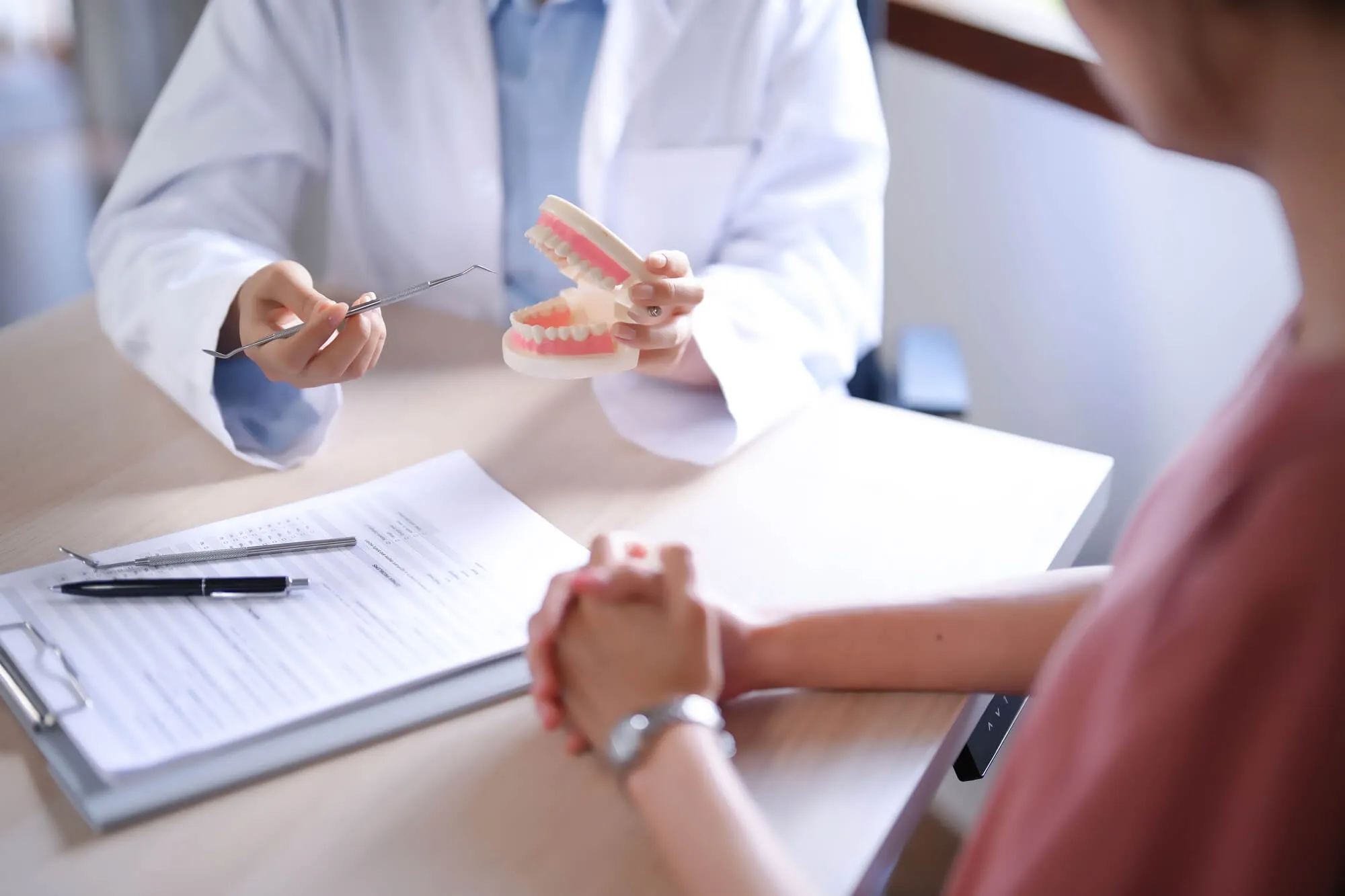
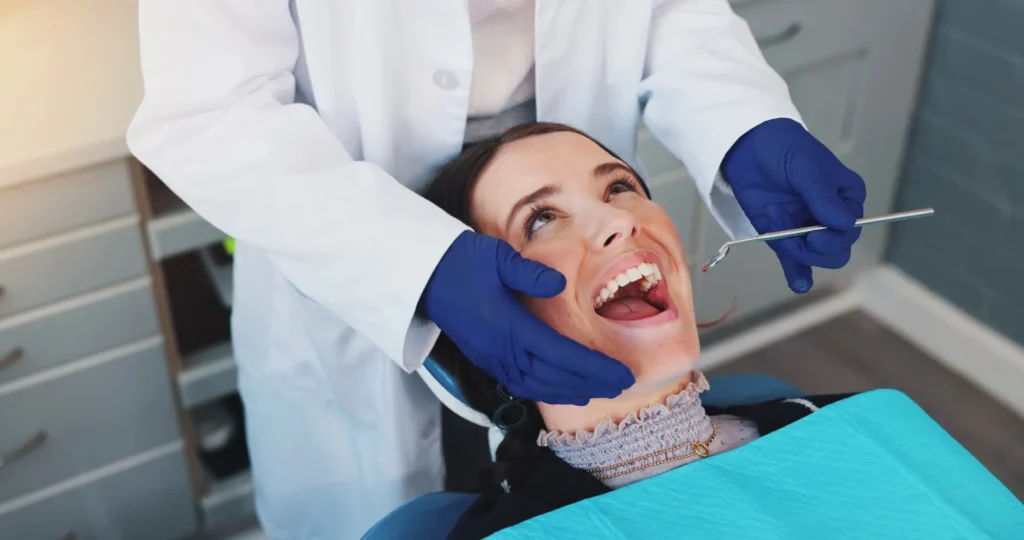
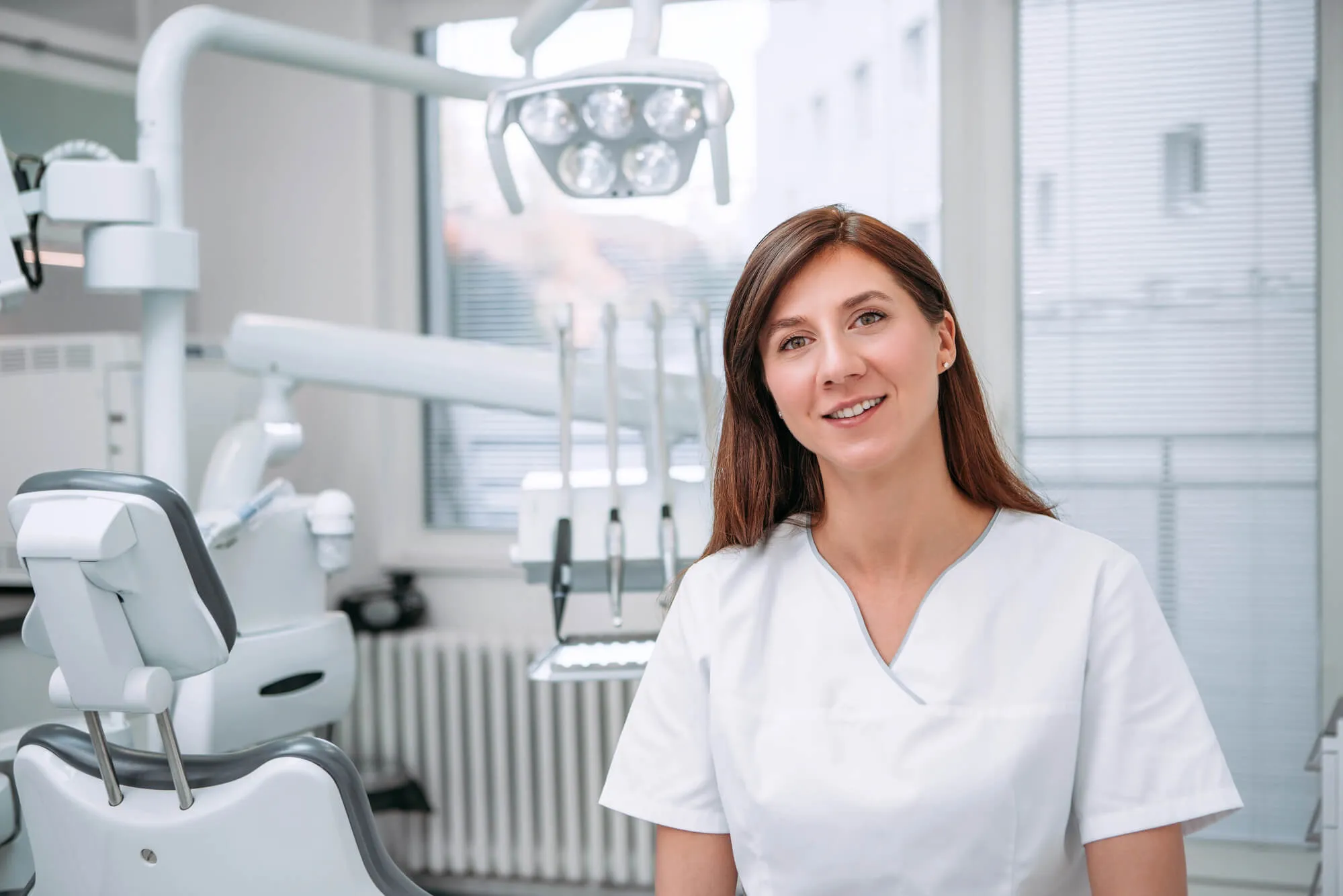
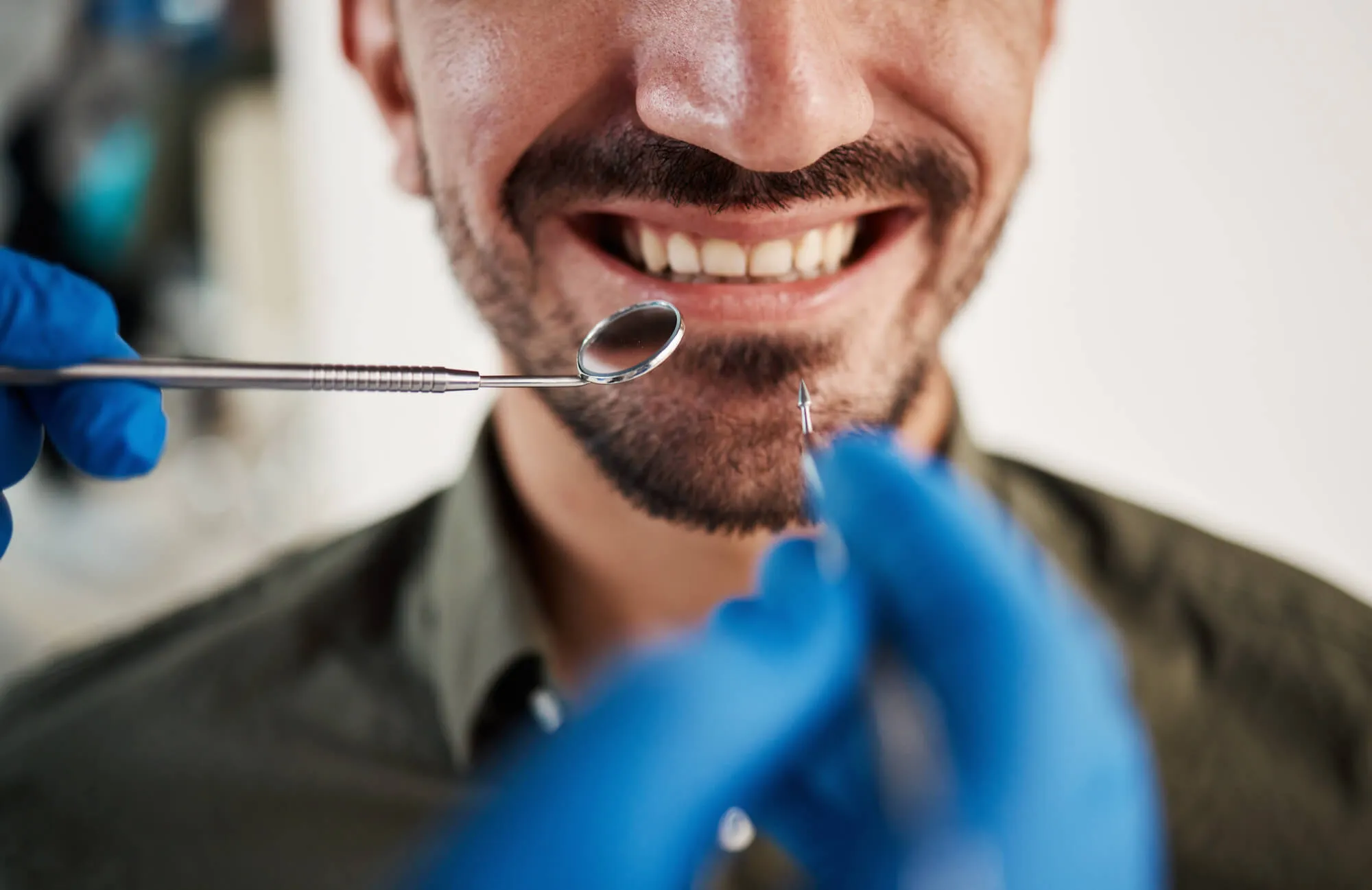
Holistic-dentist-in-Maryland-evaluating-patients-teeth

Why Symptoms Alone Do Not Tell the Full Story 

Symptoms are important, but they rarely explain the entire picture. Holistic dentistry focuses on identifying the underlying patterns contributing to discomfort or instability. 

A Toothache May Have Multiple Contributing Factors 

Tooth pain can develop from decay, grinding, bite imbalance, gum inflammation, or structural stress. Treating the discomfort alone may not address the underlying cause of the irritation. 

For example, a patient experiencing repeated tooth sensitivity may also have: 

  • Clenching during sleep 
  • Mouth breathing 
  • Acidic dietary habits 
  • Gum recession from bite pressure 

By evaluating these factors together, dentists can create a treatment plan that supports longer-lasting comfort. 

Gum Irritation Often Reflects More Than Hygiene 

Bleeding or swollen gums are sometimes linked to brushing habits, though lifestyle patterns can also influence tissue health. Stress, dry mouth, breathing habits, and diet all affect the oral environment. 

Holistic dentistry evaluates how these patterns interact rather than focusing only on surface symptoms. This helps patients gain a clearer understanding of why irritation continues or returns repeatedly. 

Recurring Dental Problems May Point to Larger Patterns 

Repeated fractures, worn enamel, or ongoing jaw tension may indicate issues beyond a single damaged tooth. Bite alignment, airway restriction, or muscle strain can gradually affect oral structures over time. 

Recognizing these connections early helps support preventive care before more extensive dental work becomes necessary. 

How Holistic Dentistry Evaluates the Bigger Picture 

Holistic dentistry considers how oral health connects with everyday function and overall wellness. This approach encourages more complete evaluations before treatment begins. 

Looking at Lifestyle Habits 

Daily habits influence the condition of the teeth and gums more than patients often realize. Holistic dentists may ask questions about: 

  • Sleep quality 
  • Stress levels 
  • Diet and hydration 
  • Mouth breathing 

These conversations help identify patterns that may affect inflammation, tissue comfort, enamel wear, or healing. 

Evaluating Airway and Breathing Patterns 

Breathing habits influence jaw posture, muscle activity, and oral dryness. Mouth breathing may contribute to gum irritation, enamel changes, or tension in the jaw and neck. 

Holistic dental exams often include evaluation of: 

  • Tongue posture 
  • Palate shape 
  • Bite alignment 
  • Signs of airway restriction 

These observations help dentists understand how breathing patterns may affect long-term oral stability. 

Using Advanced Imaging for Better Insight 

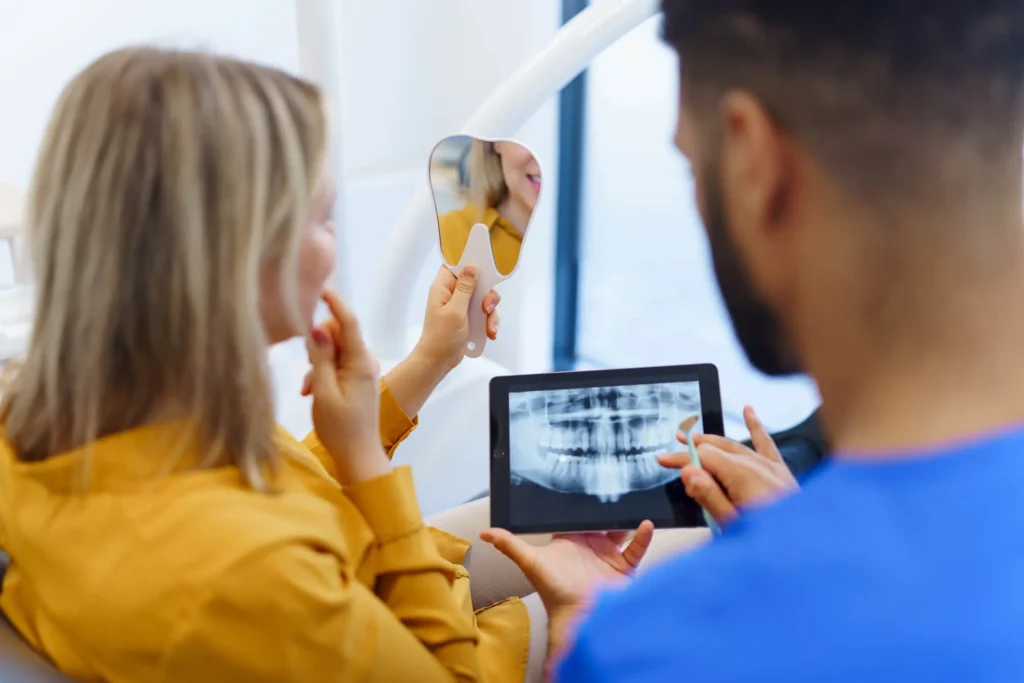
Digital imaging and CBCT scans allow dentists to assess structures beneath the surface. These images help evaluate: 

  • Bone support 
  • Hidden infection 
  • Jaw alignment 
  • Airway space 
  • Root structure 

A more detailed view supports precise planning and helps identify contributing factors that standard exams may not fully reveal. 

Why Material Selection Matters in Holistic Dentistry 

Holistic care also focuses on how dental materials interact with the body over time. 

Biocompatible Restorations 

Some patients prefer materials selected for compatibility and comfort. Holistic dentistry often uses: 

  • Ceramic restorations 
  • BPA-free composite fillings 
  • Zirconia implants 

These materials are chosen carefully based on durability, appearance, and tissue response. 

Metal-Free Options for Certain Treatments 

Metal-free zirconia implants are commonly used in holistic dentistry because of their natural appearance and compatibility with surrounding tissues. This approach aligns with the philosophy of reducing unnecessary irritation while supporting stable function. 

Material selection is not only about aesthetics. It also considers long-term comfort and how restorations behave within the oral environment. 

Preventive Care Before Larger Problems Develop 

One of the core principles of holistic dentistry is prevention. Addressing small patterns early may help reduce the need for more invasive procedures later. 

Monitoring Bite and Jaw Function 

Uneven bite pressure can place excess force on specific teeth. Over time, this may contribute to: 

  • Enamel wear 
  • Jaw soreness 
  • Muscle fatigue 

Holistic evaluations look for these signs early, so supportive care can begin before damage progresses. 

Supporting Tissue Health Naturally 

Holistic practices often incorporate therapies designed to support healing and maintain oral balance. 

These may include: 

  • Ozone therapy to support bacterial management 
  • PRF (platelet-rich fibrin) for healing support 
  • Gentle preventive cleanings 

These methods are used alongside modern dental care to support tissue comfort and recovery. 

Encouraging Long-Term Oral Stability 

Holistic dentistry focuses on maintaining healthy structures whenever possible. Conservative treatment planning helps preserve natural tooth structure and reduce unnecessary intervention. 

This approach encourages steady, long-term oral health rather than reacting only after discomfort appears.

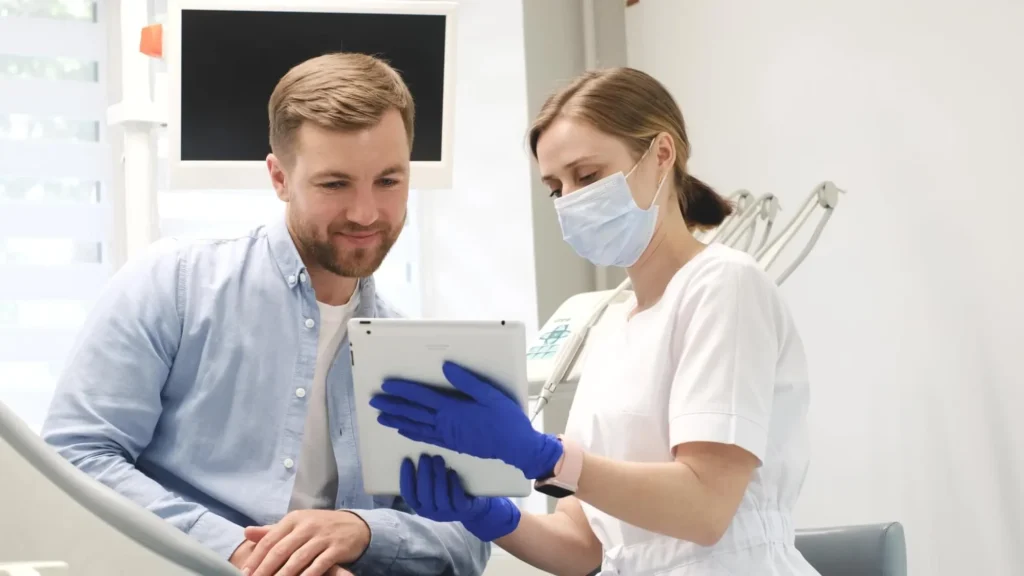
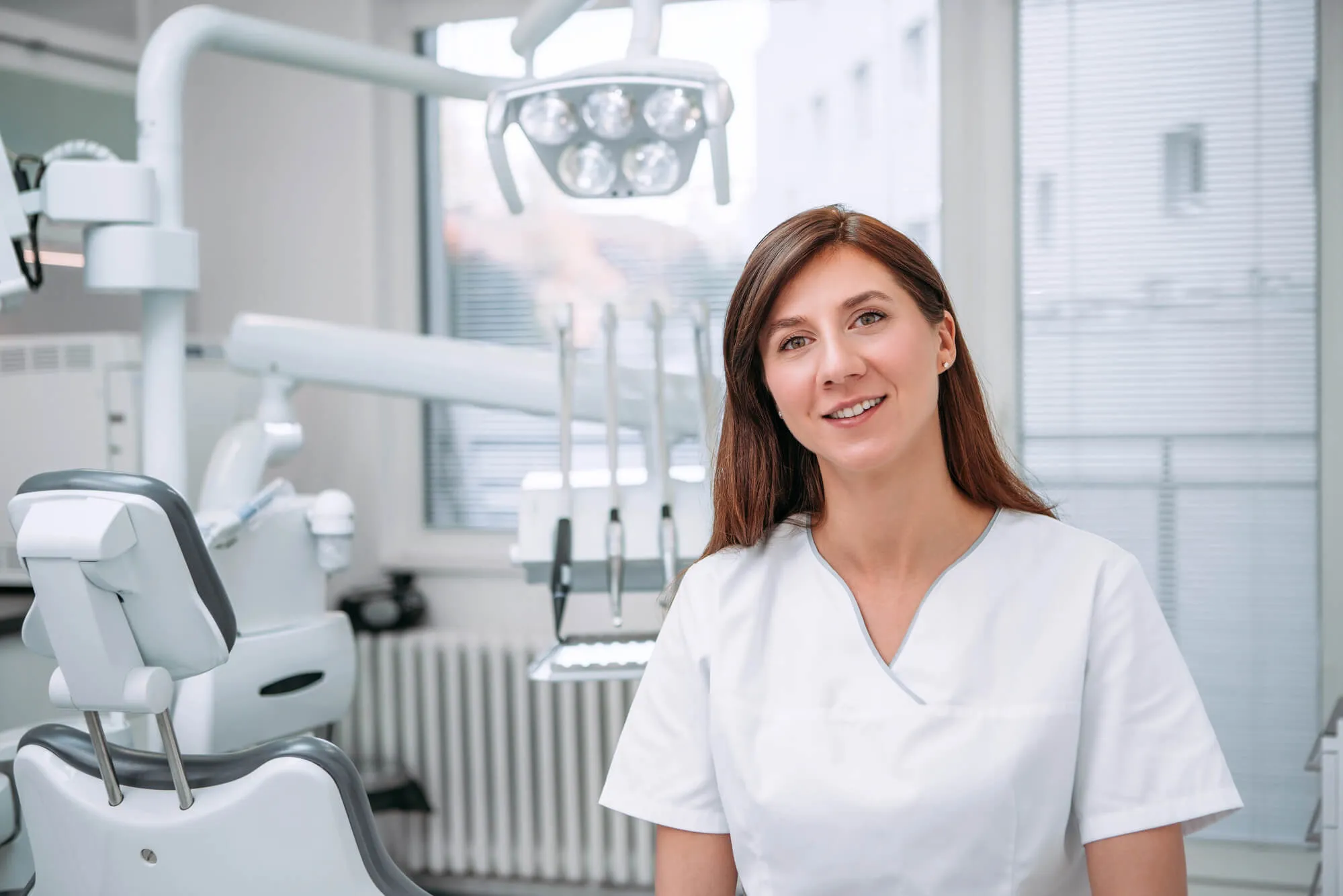
Holistic-dentist-in-Maryland-wearing-a-mask

How Patients Benefit from a Cause-Focused Approach 

Patients often feel more involved in their care when they understand the reasons behind symptoms. Holistic dentistry encourages education and open discussion rather than quick fixes alone. 

More Personalized Treatment Planning 

No two patients have the same oral health patterns. Treatment recommendations are based on: 

  • Health history 
  • Lifestyle habits 
  • Tissue response 
  • Structural findings 
  • Personal goals 

This allows care to feel more individualized and practical. 

Clearer Understanding of Oral Health 

Patients who understand the contributing factors often feel more confident in managing their oral health over time. Discussions about diet, breathing, stress, or bite patterns help connect daily habits with dental wellbeing. 

Focus on Long-Term Comfort 

A cause-focused approach supports care that prioritizes stability and prevention. By identifying patterns early, dentists can help reduce repeated irritation, recurring damage, or avoidable procedures. 

Why Holistic Dentistry Continues to Grow 

Interest in holistic dentistry continues to increase as patients seek care that feels more comprehensive and personalized. People often appreciate a philosophy that considers both oral function and overall wellbeing together. 

Modern holistic dentistry combines: 

  • Advanced technology 
  • Biocompatible materials 
  • Preventive care 
  • Patient education 
  • Conservative treatment planning 

This combination allows patients to receive modern dental care while supporting comfort and long-term oral balance.

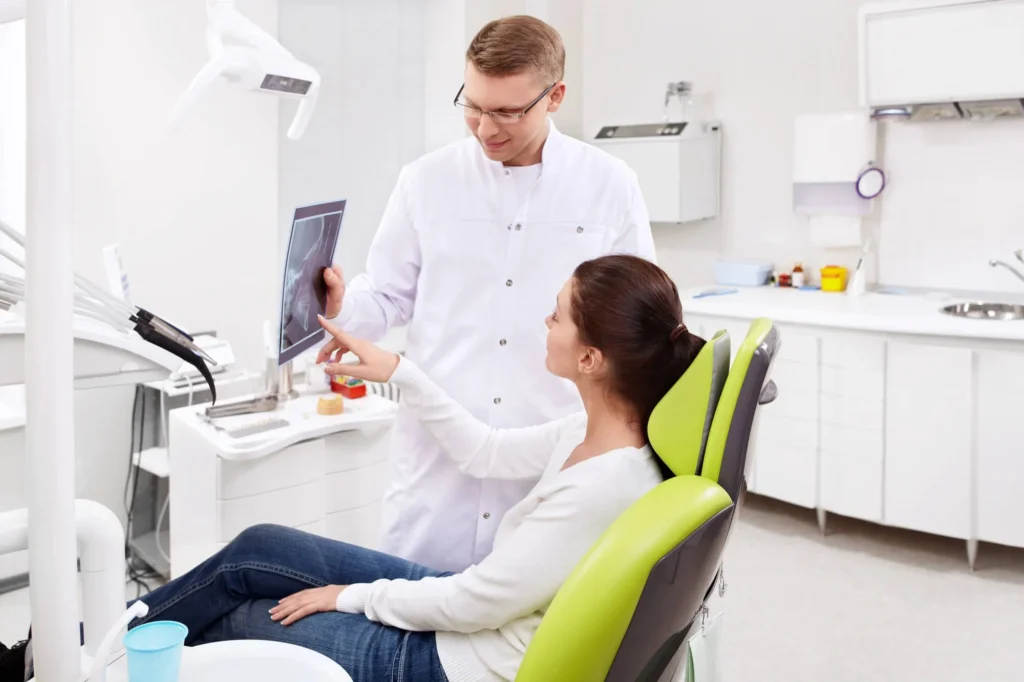
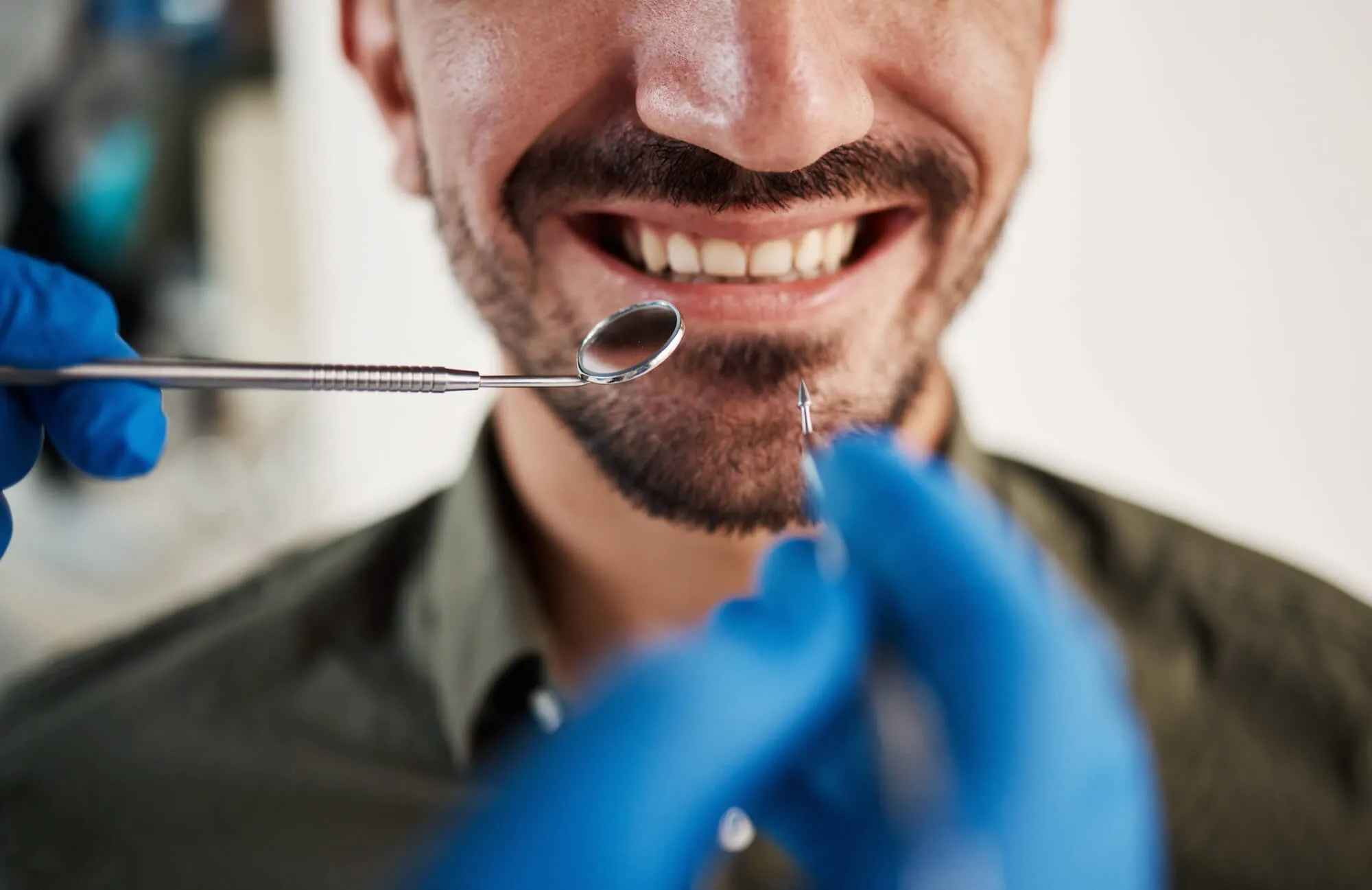
reliable-Holistic-dentist-in-Maryland

Whole-Body Dental Care with a Holistic Dentist in Maryland 

Looking beyond symptoms alone can provide a clearer understanding of what affects oral health over time. A more complete evaluation helps connect daily habits, structural patterns, and material choices with long-term comfort and function. 

Maryland Holistic Dentist provides care focused on prevention, biocompatible materials, airway-aware evaluations, and personalized treatment planning. Their philosophy combines modern diagnostics with whole-body awareness to support healthier teeth, balanced oral function, and long-term wellbeing. 

Schedule a consultation to learn how holistic dental care can support a healthier, more stable smile.

Common Misconceptions About Dental Implants in Holistic Practices

Many people hesitate to replace missing teeth because they’ve heard conflicting opinions about implants, especially in holistic care. Are they safe? Do they contain metal? Can they affect overall health? For anyone considering dental implants in Montgomery County, understanding the facts can bring reassurance. Holistic dentistry focuses on restoring comfort and function while supporting the body’s balance with safe materials and mindful techniques that promote lasting wellness.

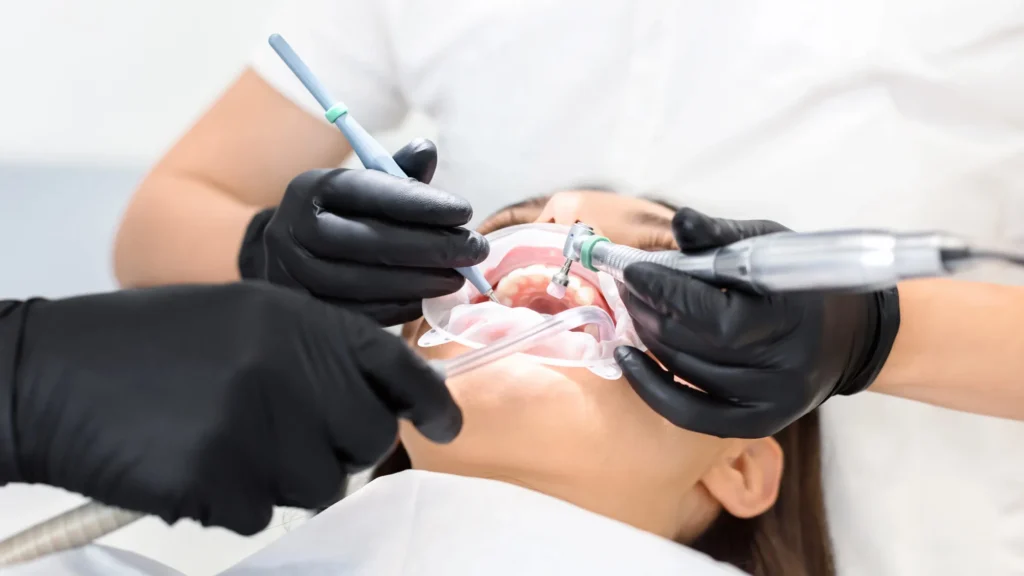
woman with Dental implants Montgomery County

The Truth About Dental Implants in Holistic Dentistry

What Are Dental Implants, Really?

Dental implants are artificial tooth roots that support crowns, bridges, or dentures, restoring both appearance and function. Traditional implants are made from titanium, a durable metal that integrates well with bone.

In holistic dentistry, the emphasis shifts toward biocompatibility, using materials that work in harmony with the body. Many practices now use zirconia implants, a nonmetal ceramic known for its strength, aesthetics, and compatibility with soft tissues.

Zirconia implants provide the same stability as titanium while avoiding corrosion or potential sensitivities. For people with allergies, autoimmune conditions, or concerns about metal exposure, these implants offer a natural and body-friendly alternative.

Misconception #1: All Dental Implants Are Made of Metal

A common myth is that all dental implants contain metal. While traditional titanium implants remain popular, holistic dentistry offers metal-free alternatives.

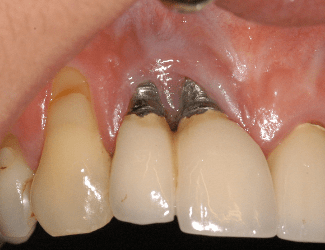
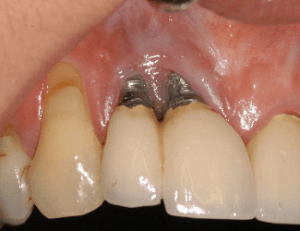
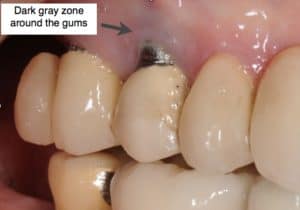
Zirconia implants are made from medical-grade ceramic that integrates seamlessly with bone. They don’t conduct heat or electricity and don’t corrode over time. Their tooth-colored design also enhances aesthetics by preventing dark lines near the gumline.

For patients who prefer a natural option, zirconia implants combine durability, comfort, and compatibility with the body’s chemistry.

Misconception #2: Dental Implants Interfere with Overall Health

Some worry that implants may disrupt the body’s natural energy flow or contribute to inflammation. In holistic dentistry, safety is a top priority. Each patient’s health profile, sensitivities, and immune status are carefully reviewed before treatment begins.

Zirconia implants are bioinert, meaning they don’t release ions or trigger inflammatory responses. Their smooth surface resists bacterial buildup, protecting gum tissue and bone stability.

When placed precisely and supported by biocompatible care, implants not only restore function but also support long-term balance and wellness.

Misconception #3: Implant Procedures Are Painful or Require Long Recovery

Modern technology has transformed implant procedures into a more comfortable experience than many expect. With advanced imaging, ozone therapy, and minimally invasive techniques, most patients report mild discomfort and quick recovery.

Holistic practices often integrate ozone and laser technology to disinfect tissues, reduce inflammation, and promote natural healing. These methods encourage tissue regeneration without relying on harsh chemicals.

Recovery times vary depending on bone health and healing capacity, but many people return to normal activities within a few days. The combination of precision technology and holistic post-care creates a smooth and predictable process.

Misconception #4: Holistic Dentists Avoid Implants Entirely

It’s a common assumption that holistic practitioners reject implant therapy. In truth, they often recommend implants as a healthier long-term alternative to bridges or dentures.

The distinction lies in how implants are planned and placed. Holistic care considers the entire body, ensuring that airway alignment, jaw function, and systemic health are evaluated before any procedure.

Biological protocols such as ozone disinfection, platelet-rich fibrin (PRF) therapy, and metal-free restorations align dental treatments with the body’s natural healing processes. The goal isn’t just to replace a missing tooth—it’s to restore comfort, balance, and lasting health.

Misconception #5: Implants Don’t Last as Long as Natural Teeth

Some believe dental implants are temporary. In reality, when planned carefully and maintained properly, they can last decades. Zirconia is exceptionally strong and resistant to bacterial adhesion, reducing the risk of gum irritation and bone loss.

Preventive maintenance, such as regular hygiene visits, personalized cleanings, and mindful home care, further extends implant longevity. Because holistic practices focus on prevention, patients are empowered to protect their investment through education and consistent care habits.

Why Holistic Practices Approach Implants Differently

Comprehensive Diagnostics and Planning

Holistic dentistry combines advanced technology with a full-body perspective. 3D cone beam CT scans allow dentists to visualize bone density, nerve pathways, and sinus positioning before placing an implant. This precision reduces complications and ensures a natural, functional outcome.

Beyond anatomy, holistic evaluations consider how dental health connects to digestion, posture, and even breathing patterns, reinforcing that oral health never exists in isolation.

Biocompatible Materials and Safe Techniques

Holistic implant procedures rely on materials and methods that protect the body’s integrity while promoting natural healing. Every product and process is carefully chosen to support biological harmony rather than disrupt it.

  • Zirconia implants are completely metal-free and compatible with bone and soft tissue, reducing the risk of corrosion, sensitivity, or immune reactions.
  • Ozone therapy is used for sterilization and healing, eliminating harmful bacteria while stimulating the body’s natural repair mechanisms.
  • Laser disinfection targets microorganisms gently and effectively, minimizing the need for harsh chemicals or antibiotics.

These modern techniques create a cleaner, healthier environment for implant placement. By prioritizing non-toxic, biocompatible materials, holistic dentists reduce inflammation, speed recovery, and help the body accept the restoration naturally. The result is dental care that’s not only functional and long-lasting but also aligned with whole-body wellness.

Whole-Body Wellness Through Dental Care

Every step of holistic implant treatment reflects a respect for the body’s natural systems. Pretreatment assessments ensure compatibility, while aftercare focuses on healing through proper nutrition, hydration, and stress management.

By aligning modern implant technology with holistic principles, patients experience results that restore confidence, comfort, and well-being while supporting the body’s natural equilibrium.

Benefits of Choosing a Holistic Approach to Implants

  • Non-toxic materials: Avoids metals and chemicals that may disrupt biological balance.
  • Natural appearance: Tooth-colored restorations for a lifelike smile.
  • Improved comfort: Smooth surfaces prevent irritation and inflammation.
  • Safer healing: Biocompatible methods enhance recovery and reduce risk.
  • Systemic harmony: Every step supports the body’s interconnected health.

This approach merges science with mindfulness, ensuring that restoring a smile never compromises overall wellness.

man just got Dental implants Montgomery County

Choosing the Right Provider for Dental Implants in Montgomery County

Finding a dental team that understands both oral and overall health makes all the difference. A holistic dentist values precision, prevention, and patient comfort, integrating safe materials and evidence-based technology to create lasting results.

When evaluating options, look for practitioners who use 3D imaging, metal-free implants, and ozone protocols. These methods not only improve success rates but also align with natural healing.

At Maryland Holistic Dentist, every implant treatment is guided by science, compassion, and respect for your biological balance. Schedule your consultation today and experience metal-free, biocompatible dentistry designed for a stronger smile and a healthier life.

Why not to get dental implants-Alternatives and What can go Wrong

There are many reasons why not to get dental implants including nerve damage, sinus damage, infection and damage to other teeth. Also there are some alternatives to getting an implant. Implant problems are uncommon, but there are many other less than optimal negative outcomes. A good implant surgeon usually does not have negative outcomes, but they can happen.

No one wants to go without teeth. The sales pitch for replacing teeth for dental implants is not a difficult one. And yes, implants are great and there is reason for excitement and hype. But slow down, because there are many things that can go wrong with dental implant procedures:

  1. Peri-implantitis
  2. Jaw bone infection
  3. Bone loss around implants
  4. Implant rejection
  5. Allergy to titanium or zirconia
dental implant complications

implant problem peri implantitis

Gary Adams DDS-25 years of Dental Implant experience

dr gary adams

Contact Dr. Adams for a complimentary consultation or 2nd opinion

What is a dental implant?

It is an anchor of foreign material that is put down into your jaw to replace the root of a missing tooth. Think of it as a support system where new teeth can be connected. You can get one or you can get all your teeth replaced with implants.

But here is the important concept – The anchors are surgically put into living jawbone. After that, your bone cells need to do the rest. The bone cells need accept the anchor and grow new bone around and attach to the new implant. It is really that simple. The term for this is “osseointegration.” Literally integration/acceptance of the implant into your osseous/bone tissue. Implants are not screws that are put into jaws like screws go into wood. But rather, foreign elements your body needs to accept and not reject.

There is no magic. Implants do not work like car parts that are bolted together. The bone accepts or rejects the titanium or zirconia dental implant. Implants get accepted into your body and your tissue accepts it by growing bone around and connecting and healing to the implants.

Alternatives to Dental Implants

  1. Teeth Bridges-using existing teeth to support toot replacement.
  2. Removable Bridges aka Dentures.

In general dental implants are the best option to replace missing teeth.

Common Dental Implant Problems:

Peri-implantitis

Peri-implantitis is literally bone loss or inflammation around a dental implant. This term really means nothing other than you have some messed up tissue around an implant. But why is the tissue unhealthy and irritated is the question? Regardless of what causes this condition, it usually leads to implant failure and the need for implant removal and replacement.

Implant infection

Implant Infections can happen around implants for many reasons. Usually it will happen shortly after the implant is placed. If an implant gets infected it will usually lead to implant rejection. The problem is easy to correct as the implant will be loose and can be easily removed and later replaced. Infections around implants if left untreated can become serious and spread to other areas of your body. Healthy patients will usually heal with few complications after an infected implant is removed. You should not get a dental implant if you are not healthy. For example, if you have uncontrolled diabetes or if you have a compromised immune system.

Implant rejection

Implants are a foreign material placed into your body. Not everyone will accept the foreign material placed into their jaw. Implants are generally made of either titanium alloy (titanium mixed with other metals) or zirconia. Titanium is a metal that corrodes very slowing over time into titanium oxides. The titanium oxides leak out into jawbone and can cause the body to reject an implant. Titanium rejection secondary to corrosion will usually will happen years later since the corrosion process is slow. Newer titanium implants have special coatings on the surface to help the metal heal better and resist corrosion. Not all titanium implants are created equal. Zirconia implants do not corrode and may be a better choice for people who have sensitivities.

 Dental Implant Allergies

Implants can experience immediate rejection in the event of allergies and sensitivities to titanium and zirconia. Allergies to the material itself can cause rejection. Material testing such as Melisa and Biocomatibility testing are available. The tests can determine if someone is reactive to zirconia or titanium. In general people are more likely to be reactive to titanium than zirconia, but reactivity to either is rare. Just remember, if you are sensitive you will be better off with a zirconia implant since you will be more likely to reject the titanium later years after it has been placed. Also just because you do not react today does not mean you will not react tomorrow. Allergies sometimes come after exposure to a material days or years later.

Implant Allergies can happen several years post implantation

Getting foreign materials placed into your body is a serious thing. And dental implants are no exception. In general, replacing teeth with implants is quite predictable. Many people have had titanium implants in their bodies for 10, 20 and 30 years without problems or rejection. But, but that is not always the case. Rejection can happen and there is no guarantee that you will not have problems. Don’t drink the cool aide and think you can buy new a new beautiful set of teeth the way you can buy a new care or kitchen.

dental implant allergy complication

dental implant allergy complication

Peri-Implantitis causes bone loss around Implants:

If you have bone loss around an implant, your body is rejecting the implant. The best treatment is to remove the implant to stop the immunological response, remove infection and prevent further bone loss.

Protocol for treating Peri-Implantitis

  1. Inject ozone O3 and oxygen O2. Ozone will neutralize any bacterial infection that has gotten into the bone around the area of peri-implantitis. It will also reduce some of the inflammation caused by the failing implant.
  2. Remove the Implant in it’s entirety being sure not to leave any small pieces of titanium or zirconia or dental instruments/debris. Often times implant fragments can be left behind if the procedure is not done carefully. Implant particles can be released into many small pieces and fall into the pores of the bone. Particles are foreign bodies and the goal is to remove the foreign material to restore bone health and terminate the immunological response.
  3. Remove cyst and granulation tissue from the implant extraction site. The body will often grow cysts in the areas of bone loss around the failing implant. If the cysts are not removed bacterial and fungal pathogens will remain vital in the extraction site. The cysts have their own blood supply and exchange nutrients and waste with blood supply and lymph.
  4. Place oxygen and ozone into the cleaned implant extraction site. The gases can easily travel through the pores of the bone, killing any infections and promoting healing. Bone lacks a lot of blood supply, so it is very susceptible to infection.
  5. Place PRF or platelet rich fibrin and completely fill the extraction socket. Do not place any foreign or off the shelf bone graft products. The body will more than likely reject the material and there will be further inflammation and immunological consequences.
  6. Place bone graft materials mixed in with the PRF if there are large areas of bone loss. It may also be necessary to place membranes to contain bone graft products and PRF.
  7. Place sutures to proximate as closely as possible any gum tissue that may be loose. The sutures can also act to hold the PRF into the extraction site.
  8. Allow 4 – 12 weeks of healing and re-evaluation the site for proper healing. Administer additional ozone if necessary. Placement of new implants can be considered at this time if there is no infection and adequate bone. If necessary, bone grafting and PRF treatments can be performed. Sometimes implants and grafting can be done at the same time.
  9. Repeat new Implant Surgery

New Implants have less Peri-Implantitis

More often the failed implants will be titanium (older ones). New safer implants should be placed. It is better to use zirconia or new titanium implants with improved and safer surfaces. A biocompatibility test to determine the most suitable material is also necessary. If you react to titanium material another titanium implant should not be placed.

What are common mistakes during implant surgery

Dental Implant Problems and Complications


dental implant complications


There are many common mistakes during implant surgery such as the implant can be placed into a nerve, sinus or even another tooth root. But if there is proper implant planning with a 3D cone beam x-ray, dental implant surgery is very quick, simple and there is minimal pain. Recovery from implant surgery in healthy patients is usually complete within one to two months and is uneventful. However when the patient is unhealthy or proper implant planning is not done, implant surgery can have problems and complications. The risks and complications of getting implants should be understood and carefully considered even though implants are a success 95% of the time.


Risks and Complications of Dental Implant Surgery


dental implant complications


An Implant placed into a nerve or artery.


Never, never should a dentist do a dental implant unless a 3D CBCT cone beam X-ray has been taken. It just isn’t worth rolling the dice. Whether you need one tooth or a full mouth of implants, always take a 3D image. You cannot see the anatomy of the jaw bone without a 3D X-ray. Most large x-ray machines where you stand-up are 2D “panoramic” x-ray machines. A 3D CBCT is an expensive 100-200K piece of equipment only owned by specialized implant dentists and surgeons. Ask the dentist if they are taking a “cone beam 3D X-ray”. Placing a dental implant without a cone beam X-ray is like drilling into the walls of your house without knowing where the wires and pipes are located.


Implant can be improperly put into a sinus.


Again get a 3D X-ray. Implants can be placed around sinuses with proper management with a high level of success. It is called a sinus lift. In order to lift a sinus you need to know where it is and manage to lift it properly.


Implant not placed into the gum enough.


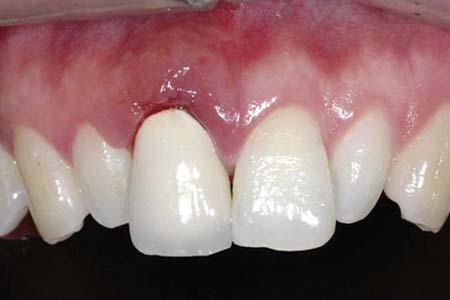
This will result in a tooth that appears too short due to decreased height available for the implant crowns. How would you like to have a short squatty tooth in your smile? A cosmetic dental problem only, but an ugly and embarrassing one.


Implant placed too far into the gum.


This may result in the tooth looking too long. It will also be more difficult to clean and the implant can get infected later.


Implant Infected after Surgery


Usually the result of a patient who does not take prescribed medications after implant surgery. Can also be due to unhealthy bone where the implant was placed. One other possibility is inadequate width of bone for implant placement or the implant placed at an angle where it came out of the bone at the bottom. The implant can also crack the bone upon placement, if the implant is placed under too much pressure and/or the bone is unhealthy and brittle. Note: not all these all the fault of the implant dentist, but maybe just a difficult or impossible clinical case.


Implant too close to an adjacent tooth.


this will result in the implant crown not being centered in between the teeth and you may get a lot of food stuck under the implant tooth.


Implant too far back towards the tongue.


This will result in the tooth being too thick on the tongue side and a large ledge under the crown on the cheek and lip side.


Implant too far towards the lips cheek.


This will result in the crown being too thick on the cheek and lip side and a large ledge being present on the tongue side.


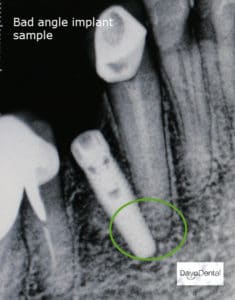
The implant placed at the wrong angle.


This will result in off-angle biting forces and sometimes the crown being too thick on the over-angulated side.


Implant placed into the root of an adjacent tooth.


This may result in loss of the adjacent tooth and infection of the implant. Dental implant complications do happen. Dental implant problems can occur.


implant complications
Improper Implant Angle


dental implant problems


What Constitutes Proper Implant Position and Placement?


  • Centered between the adjacent teeth
  • Centered between the cheek
  • Centered between lips and tongue
  • Placed 3mm into the gum
  • Angled into bone
  • Angled to be as best as possible in line with biting forces
  • Placed into healthy vital bone


What to do if there is an implant complication?


Early detection of implant problems is critical. When things do not seem right with a dental implant, they usually are not right. Implants heal very quickly and usually with minimal symptoms and no major incident. The best course of action when an implant is failing is early diagnosis of failure and speedy removal of the implant. If a failing implant is left in the jaw bone it will cause pain and bone loss at the very least. The failing implant can also potentially cause harm to other teeth and possibly a bad infection.


Meet Dr. Adams


implant failure specialist dentist


Dr. Gary Adams has successfully placed thousands of dental implants. I will happily take a look at you implant problems and provide a diagnosis and honest opinion. We are a full service implant center and I am the only dentist you will need for you consultation in my office. We have a state of the art 3D Xray / Cone Beam imaging system specifically made for implant planning and diagnosis.


Call Now Button