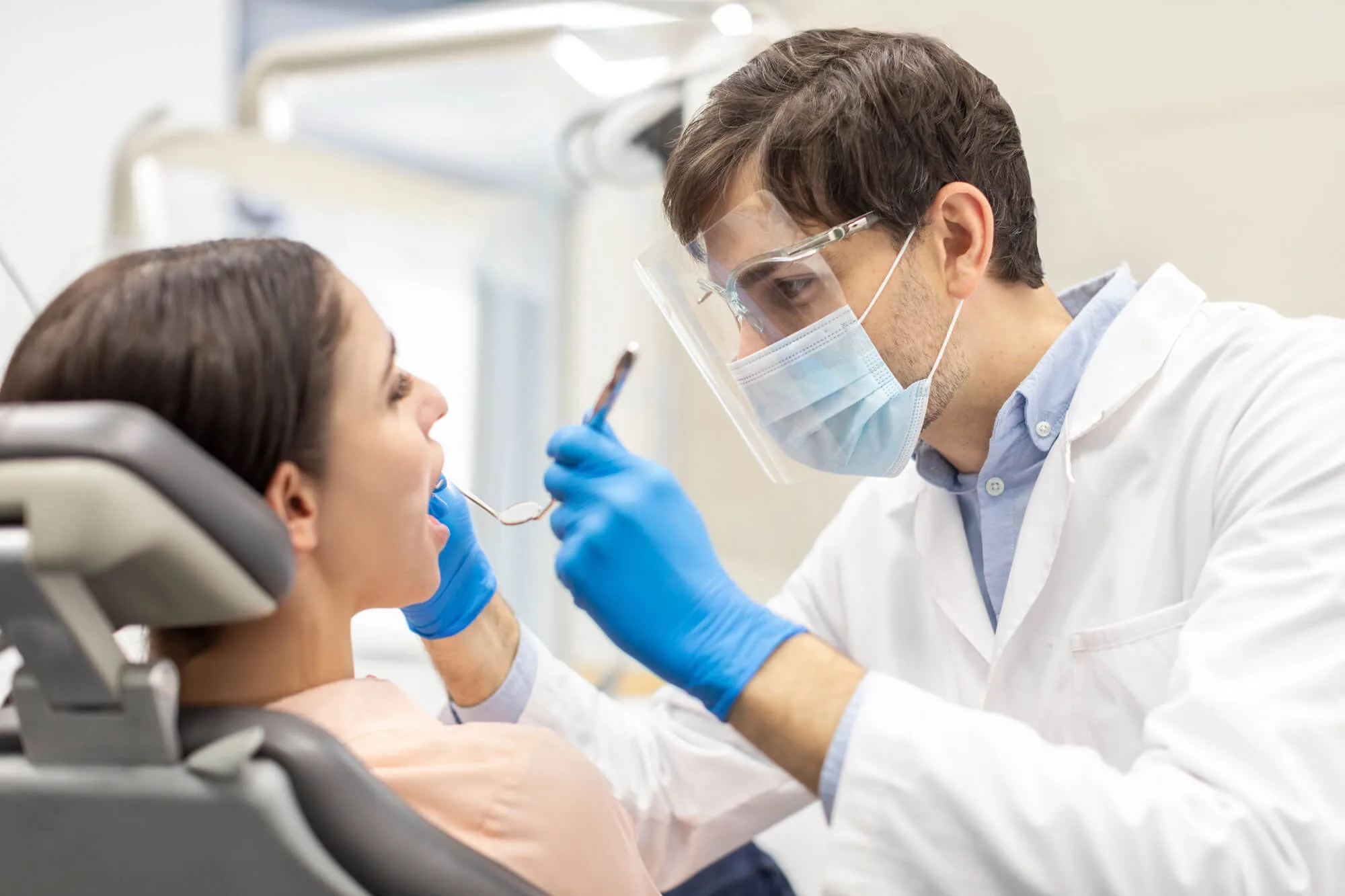
How Holistic Dentists Support Healing After Oral Surgery 

Recovering from oral surgery often raises concerns about discomfort, swelling, and how long healing will take. A dentist in 20866 who follows a holistic approach focuses on supporting the body’s natural healing process rather than relying heavily on medications or invasive techniques. By combining modern dental procedures with biologically focused methods, holistic dentists aim to reduce inflammation, improve tissue repair, and create a more comfortable recovery experience. 
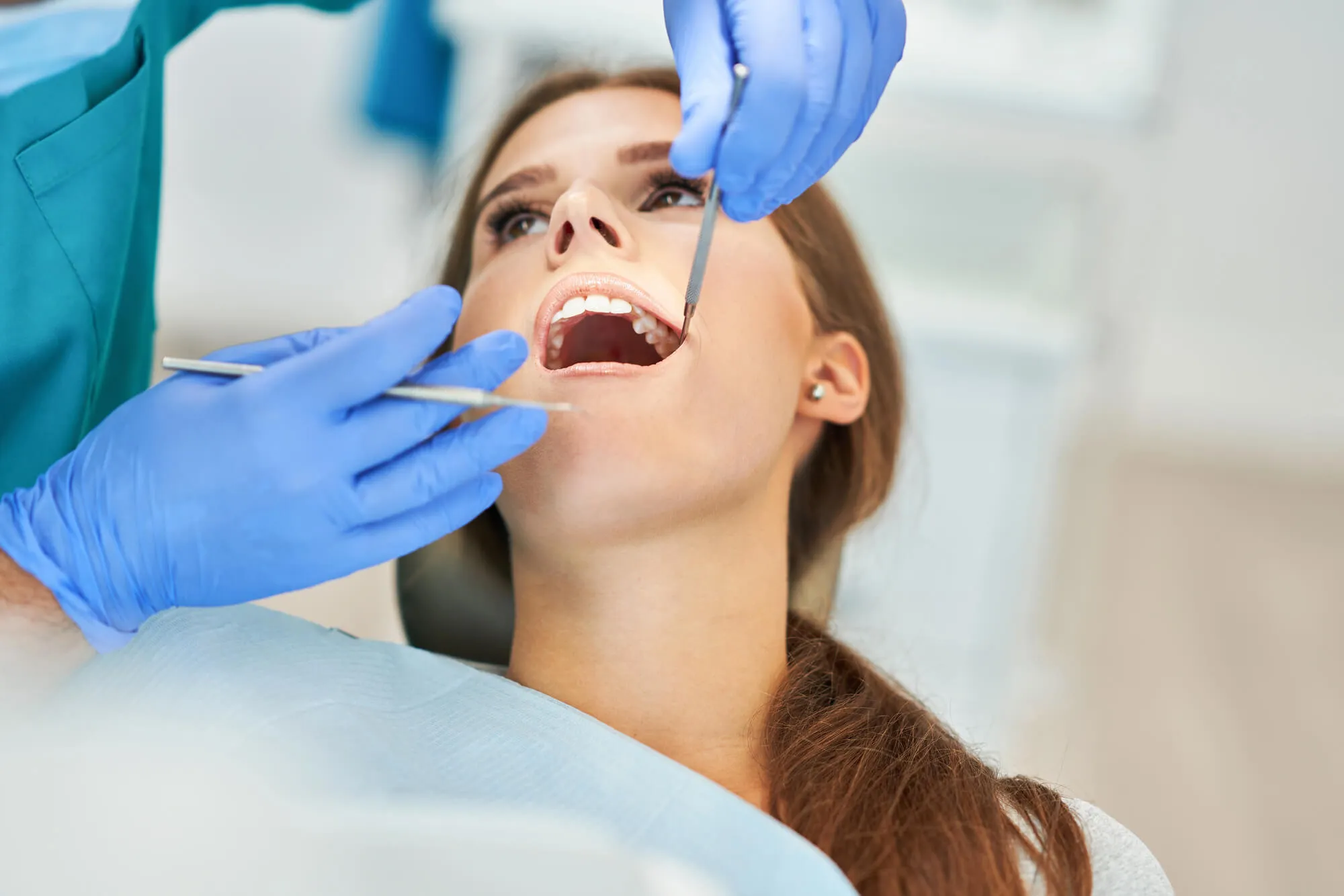
dentist in 20866 checking patient's teeth

What Makes Healing Different in Holistic Oral Surgery? 

Holistic oral surgery follows the same foundational principles as traditional procedures but places added emphasis on: 

  • reducing bacterial load  
  • supporting the body’s natural repair mechanisms  

Instead of focusing only on removing a tooth or completing a procedure, the goal extends to how the body heals afterward. This includes careful surgical techniques and the use of adjunct therapies that promote faster recovery and reduced discomfort. 

For example, holistic protocols often involve thoroughly cleaning the surgical site, removing infected tissue, and preparing the area in a way that supports optimal healing conditions.  

Key Techniques That Support Healing After Oral Surgery 

Platelet-Rich Fibrin (PRF) Therapy 

PRF is one of the most commonly used techniques in holistic oral surgery. It is created from a small sample of the patient’s own blood and processed to concentrate healing components. 

When placed in the surgical site, PRF can: 

  • support tissue regeneration  
  • reduce swelling  
  • help stabilize the healing area  

According to the clinic’s approach, PRF is often used during tooth extractions and implant procedures to encourage faster healing and minimize post-operative discomfort.  

Ozone Therapy for Infection Control 

Ozone therapy plays a major role in holistic dentistry. It involves applying oxygen-ozone gas or ozonated solutions directly to the treatment area. 

This method is used to: 

  • reduce harmful bacteria  
  • clean the surgical site  
  • promote oxygenation of tissues  

Ozone has antibacterial properties and can help improve healing conditions within the mouth. It is commonly used in extraction sites and other procedures to support recovery and reduce inflammation.  

Thorough Site Preparation 

Another important step involves preparing the extraction or surgical site carefully. This may include: 

  • removing the periodontal ligament  
  • clearing infected or unhealthy tissue  
  • cleaning the bone structure  

This process helps eliminate potential sources of infection and supports a cleaner healing environment.  

Minimally Invasive Techniques 

Holistic dentists aim to perform procedures in a way that minimizes trauma to surrounding tissues. 

This includes: 

  • careful tooth removal  
  • preserving bone structure  
  • limiting unnecessary interventions  

Less trauma during surgery often means: 

  • reduced swelling  
  • less discomfort  
  • improved healing time  

How These Techniques Support the Body’s Natural Healing Process 

Healing after oral surgery depends on several biological factors, including blood flow, immune response, and tissue regeneration. 

Holistic methods support these processes by: 

  • increasing oxygen supply to tissues  
  • reducing bacterial presence  
  • encouraging natural clot formation  

For example, ozone therapy can enhance circulation and reduce inflammation, while PRF provides growth factors that assist in tissue repair.  

Together, these approaches create an environment where the body can heal more efficiently without relying heavily on pharmaceuticals. 

Reducing Pain and Swelling After Surgery 

One of the main concerns patients have after oral surgery is discomfort. Holistic dentistry addresses this by focusing on techniques that naturally reduce inflammation. 

PRF and ozone therapy have both been associated with: 

  • decreased swelling  
  • reduced post-operative discomfort  
  • improved healing response  

These methods are used as part of the procedure itself, meaning recovery support begins immediately rather than after symptoms appear.  

dentist in 20866 wearing a mask

Supporting Healing After Tooth Extraction and Implants 

Holistic approaches are often applied in procedures such as: 

  • tooth extractions  
  • dental implant placement  
  • bone grafting  

In some cases, implants may even be placed on the same day as an extraction to reduce the need for multiple procedures and support efficient healing.  

By preparing the site thoroughly and using healing-focused therapies, dentists aim to: 

  • reduce the risk of complications  
  • support bone integration  
  • maintain healthy surrounding tissue  

Limiting the Use of Medications 

Another key aspect of holistic dentistry is reducing reliance on unnecessary medications when possible. 

This approach may involve: 

  • avoiding excessive use of antibiotics  
  • limiting chemical exposure  
  • using natural adjunct therapies instead  

Ozone therapy, for instance, can help manage bacteria without introducing additional chemicals into the body.  

This aligns with a broader focus on supporting overall health while still maintaining effective dental care. 

The Connection Between Oral Healing and Overall Health 

Holistic dentistry emphasizes that oral health is closely connected to the rest of the body. 

After oral surgery, proper healing is important not only for: 

  • the mouth  
  • surrounding tissues  

but also for: 

  • immune function  
  • inflammation levels  
  • overall wellbeing  

By reducing infection and supporting tissue repair, holistic techniques contribute to a more balanced recovery process. 

What Patients Can Expect After a Holistic Procedure 

Patients undergoing holistic oral surgery can expect: 

  • a carefully planned procedure  
  • supportive therapies applied during treatment  
  • a focus on comfort and recovery  

While healing timelines vary, many patients experience: 

  • less swelling  
  • reduced discomfort  
  • smoother recovery  

This is largely due to the combination of precise surgical methods and biologically supportive treatments used during the procedure. 

Why the Approach to Healing Matters 

The way a dental procedure is performed can influence how the body responds afterward. A focus on healing during the procedure—not just after—can make a noticeable difference in recovery. Holistic dentistry considers how each step of the process affects tissue response, inflammation, and overall comfort once the procedure is complete. 

This approach integrates: 
• surgical precision 
• infection control 
• natural healing support 

By combining these elements, dentists can create a cleaner and more stable environment for healing. Careful techniques help minimize unnecessary trauma, while therapies like ozone and PRF support the body’s natural repair processes. As a result, patients may experience a smoother recovery with less swelling and improved tissue response, allowing the body to restore itself more efficiently over time. 

dentist in 20866

Work with a Dentist in 20866 Who Focuses on Healing 

If you are planning a dental procedure, choosing a dentist in 20866 who prioritizes healing can influence your recovery experience. Holistic techniques such as PRF and ozone therapy are designed to support your body during and after oral surgery while reducing unnecessary interventions. 

Schedule a consultation with Maryland Holistic Dentist today to learn how a biologically focused approach to oral surgery can support your comfort, healing, and long-term oral health. 

Why Holistic Dental Care Looks Closely at Breathing Habits

Breathing is something most people rarely think about. Yet, it has a profound influence on the mouth in subtle yet meaningful ways. Whether a person breathes primarily through the nose or the mouth can affect oral tissues, moisture balance, jaw position, and overall comfort. For families working with a pediatric holistic dentist in Maryland, breathing habits are viewed as an important part of oral health evaluation, not a separate concern. 

Holistic dental care takes a broader view of how everyday habits shape the oral environment. Instead of focusing only on teeth, this approach considers how breathing patterns interact with tissue health, function, and long-term oral stability. 

Understanding Mouth Breathing and Oral Health 

Mouth breathing occurs when airflow passes through the mouth instead of the nose during rest, sleep, or daily activity. While occasional mouth breathing may occur during congestion, habitual mouth breathing can have a lasting impact on the oral environment over time. 

The mouth relies on saliva to protect the enamel, support gum comfort, and maintain a balanced bacterial environment. Mouth breathing often reduces saliva flow, resulting in dryness and increased tissue sensitivity.  

Over time, this shift may contribute to irritation, changes in enamel, or discomfort that patients often notice without connecting it to their breathing habits. 

Holistic dental care recognizes these patterns early and evaluates them as part of a complete oral assessment. 

Why Holistic Dentistry Pays Attention to Breathing Patterns 

Breathing Influences Oral Function 

Breathing habits affect how the jaw rests, how muscles engage, and how oral tissues respond during daily use. Mouth breathing may be associated with jaw tension, clenching, or uneven tooth wear as the body adapts to changes in airflow. 

Holistic dentistry considers these signs collectively, rather than addressing them as isolated dental findings. This allows for more thoughtful planning that supports comfort and stability over time. 

Breathing and Oral Development in Children 

In children, breathing habits play a significant role in the development of oral structures. The position of the tongue, the width of the dental arches, and jaw alignment may all be influenced by long-term breathing patterns. 

pediatric holistic dentist observes these factors during routine visits, allowing for early awareness and monitoring. The goal is not to label a condition, but to support healthy development through prevention and education. 

Common Oral Signs Associated with Mouth Breathing 

Dry Mouth and Tissue Sensitivity 

 
Saliva plays an important role in protecting teeth and gums by neutralizing acids, supporting tissue health, and maintaining a balanced oral environment. Mouth breathing often reduces saliva flow, particularly overnight, which can leave oral tissues feeling dry or irritated upon waking.  

Gums may appear red, tender, or more sensitive than usual. Rather than viewing these changes as isolated hygiene concerns, holistic dental care evaluates whether breathing habits may be contributing to ongoing dryness or tissue discomfort. 

Enamel Wear and Tooth Changes 

 
A dry oral environment can make enamel more susceptible to wear. When mouth breathing occurs alongside clenching or grinding, teeth may show flattened biting surfaces, small fractures, or uneven wear patterns over time. These changes often develop slowly, making them easy to miss during daily routines. Holistic dentists assess these signs in context, examining functional habits and oral balance rather than focusing solely on surface damage. 

Jaw Tension and Facial Discomfort 

Breathing patterns influence how the jaw, neck, and facial muscles engage during rest and sleep. Mouth breathing may increase muscle activity as the body adapts to changes in airflow, leading to morning stiffness, tightness along the jawline, or facial soreness that typically eases as the day progresses. 

Because this discomfort often improves on its own, many patients overlook its connection to breathing habits. Holistic dental care recognizes these subtle patterns as part of overall oral function and comfort. 

How Holistic Dental Care Evaluates Breathing Habits 

Airway-Aware Dental Exams 

Holistic dentists observe how patients breathe at rest, how the tongue sits within the mouth, and whether the lips close comfortably. These observations provide insight into functional patterns that may affect oral balance. 

Evaluation of Oral Structures 

Palate shape, dental arch width, and jaw alignment are examined to understand how form and function interact. These structural features can reflect long-term breathing habits and help guide preventive care. 

Advanced Digital Imaging 

3D imaging enables dentists to visualize jaw position, airway space, and surrounding structures with greater detail. This information supports careful evaluation and long-term planning, without making assumptions or diagnoses outside the scope of dentistry. 

How Holistic Dentistry Supports Healthier Oral Conditions 

Supporting a Balanced Oral Environment 

Mouth breathing often alters the oral environment by reducing moisture and changing bacterial balance. Holistic dental care focuses on supporting tissue comfort and stability under these conditions. 

Ozone therapy is one tool used to help maintain a healthier oral environment. Rather than addressing breathing habits directly, ozone care supports bacterial balance and tissue health during cleanings or specific dental procedures. This gentle approach aligns with holistic dentistry’s emphasis on biocompatible support and minimal chemical exposure. 

Preventive, Minimally Invasive Care 

Holistic dentistry prioritizes prevention and tissue preservation. Cleanings, evaluations, and supportive therapies are selected to maintain balance and comfort while limiting unnecessary intervention. 

This philosophy is especially important for children whose oral structures are still developing. 

Education as Part of Holistic Dental Care 

Patient and parent education play a central role in holistic dentistry. Dentists explain how breathing habits, oral posture, and daily routines influence oral health over time. 

Understanding these connections empowers families to make informed choices and recognise patterns early. Education supports prevention rather than reaction, helping maintain stability as children grow and adults age. 

Why We Look at Breathing as Part of Your Overall Oral Health 

Holistic dental care does not treat breathing habits as a standalone issue. Instead, breathing is evaluated alongside jaw function, tissue health, and oral comfort. This integrated perspective helps dentists support long-term oral stability without focusing narrowly on symptoms. 

By recognizing how breathing interacts with oral structures, holistic dentistry creates care plans that respect the body’s natural balance and harmony. 

Supporting Balanced Oral Health with a Pediatric Holistic Dentist in Maryland 

If you’re interested in dental care that considers breathing habits as part of oral function, Maryland Holistic Dentist offers a holistic approach grounded in prevention, careful evaluation, and patient education. Our philosophy focuses on supporting comfort, balance, and long-term oral stability for both children and adults. 

Schedule a consultation today to learn how holistic dental care can support healthier oral conditions and a more balanced dental experience. 

Call Now Button