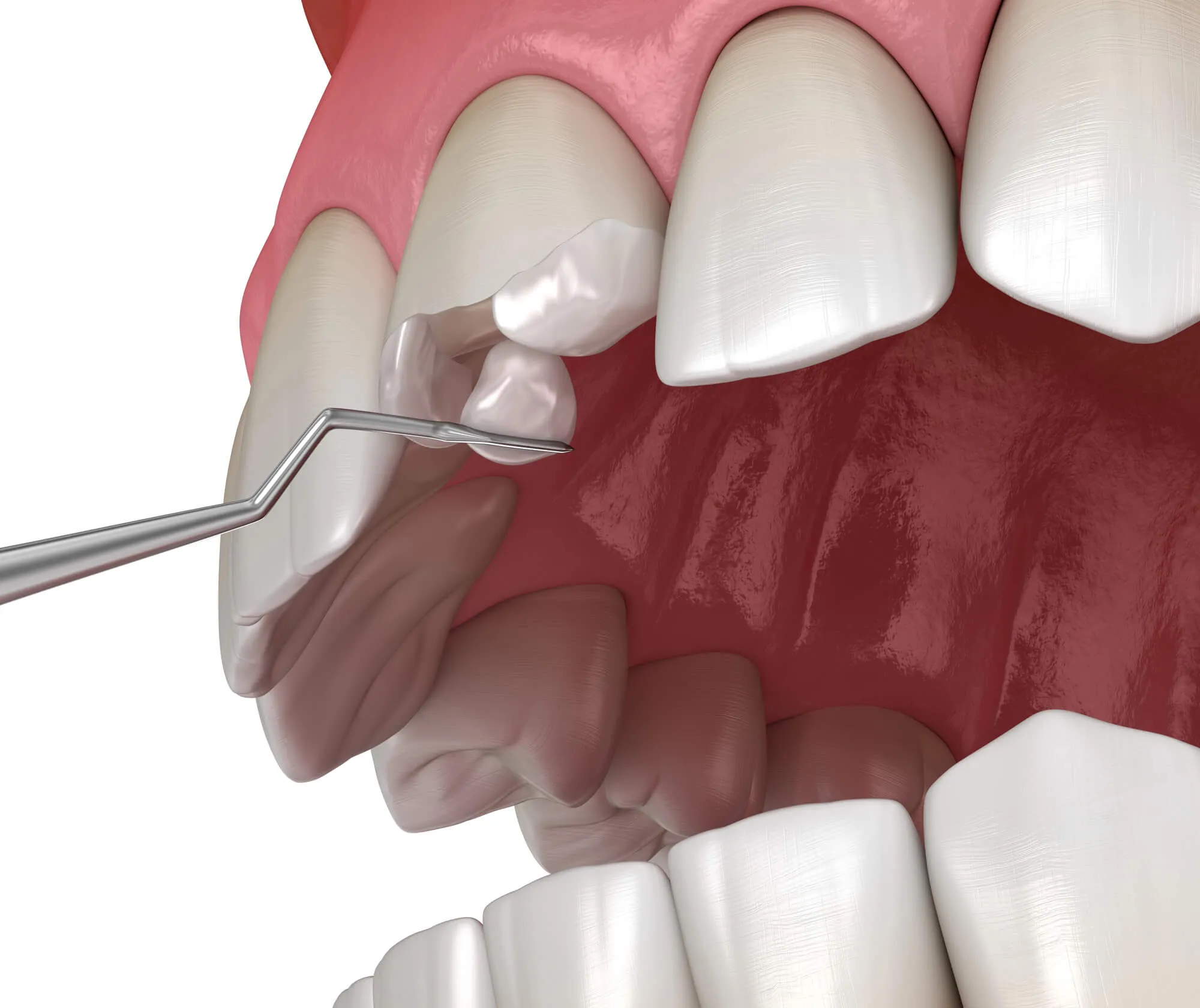
Why a Cracked Tooth Can Become More Complicated Over Time

A cracked tooth does not always cause severe pain right away. You might notice sensitivity when chewing, an occasional sharp sensation, or nothing unusual at all. That can make it tempting to wait and see whether the problem settles down. The concern is that a crack can extend deeper and affect structures inside the tooth. An emergency biological dentist can evaluate the extent of the damage and determine what type of care may be appropriate before the situation becomes more complex. 

man needs an Emergency biological dentist

Why a Small Crack Deserves Attention 

Teeth withstand considerable pressure from biting and chewing every day. Although enamel is strong, a tooth can develop a crack after an injury, biting something hard, repeated grinding or clenching, or weakening from previous dental work. 

Not every crack has the same implications. Its location, depth, direction, and effect on the surrounding tooth structure all influence what happens next. 

Cracks Can Extend into Deeper Tooth Structures 

A tooth has several layers. Enamel forms the hard outer surface, while dentin lies underneath. At the center is the pulp, which contains nerves and blood vessels. 

A crack confined to the outer portion of a tooth may behave very differently from one that reaches deeper structures. As a crack progresses, biting pressure may cause sections of the tooth to move slightly. This can irritate the pulp and contribute to sensitivity or pain. 

This is one reason symptoms may seem inconsistent. A tooth might feel comfortable at rest but hurt when you bite down or release pressure. 

Bacteria May Reach Areas That Are Difficult to Clean 

A deeper crack can create a pathway into areas that brushing and flossing cannot reach. If bacteria enter the inner portion of the tooth, inflammation or infection may develop. 

Possible warning signs include: 

  • Pain when biting or chewing 
  • Sensitivity to hot or cold temperatures 
  • Intermittent sharp pain 
  • Swelling around the affected tooth 
  • Gum tenderness 
  • Persistent or throbbing discomfort 

A cracked tooth does not need to cause every symptom on this list to warrant evaluation. Some fractures remain relatively quiet until the damage has progressed. 

The Location of the Crack Changes the Outlook 

Where a tooth cracks is particularly important. 

A crack affecting the portion of the tooth above the root may sometimes be restorable, depending on its extent and the amount of healthy tooth structure remaining. The practice’s emergency guidance notes that some cracks above the root may be managed with a crown. 

A crack extending down the root presents a different situation. When the tooth cannot be predictably preserved, extraction may be recommended to address the damaged tooth and surrounding oral health. 

For this reason, simply knowing that a tooth is “cracked” does not provide enough information to determine what care is appropriate. 

How a Cracked Tooth Is Evaluated 

The goal of an emergency evaluation is not simply to make the discomfort disappear. The dentist needs to determine where the crack is located, how far it extends, and whether the tooth remains structurally viable. 

The Examination Looks for the Source of the Problem 

Your dentist will first ask about your symptoms and how they began. Details such as whether discomfort occurs during chewing, with temperature changes, or without an obvious trigger can provide useful information. 

The clinical examination may assess the tooth, surrounding gums, bite, existing restorations, and other structures that could contribute to the symptoms. 

Imaging may also be recommended when more information is needed. The practice uses advanced three-dimensional CBCT imaging for certain complex dental and jaw concerns, although the imaging selected depends on the clinical situation. 

Preserving the Tooth Depends on the Damage 

A cracked tooth does not automatically need to be extracted. The dentist first evaluates whether enough healthy structure remains and whether the location of the fracture allows the tooth to function predictably after care. 

Depending on the findings, restorative care may be appropriate for certain cracks. A crown, for example, can provide support for a compromised tooth when the remaining structure and fracture pattern make restoration appropriate. 

If the fracture extends into the root or the tooth cannot reasonably be preserved, removal may become the recommended approach. 

What Happens If the Tooth Cannot Be Preserved? 

Learning that a cracked tooth requires extraction can be disappointing, especially when symptoms initially seemed minor. In biological dentistry, the focus then shifts to carefully addressing the damaged tooth and supporting the extraction site as it heals. 

Biological Tooth Removal Considers the Extraction Site 

The practice’s biological extraction protocol involves more than taking out the visible tooth. Their approach includes careful tooth removal, cleaning of the extraction site, removal of the periodontal ligament and abnormal tissue when indicated, and the use of ozone and oxygen. 

Ozone is incorporated into oral surgery to help manage microorganisms within the surgical area and support the oral environment during healing. 

PRF May Support the Healing Process 

Platelet-rich fibrin, or PRF, may also be incorporated into an extraction. PRF is created from a small sample of the patient’s own blood, which is processed to produce a fibrin-rich material. 

The material can then be placed in the extraction site as part of the practice’s biological healing protocol. Because PRF comes from the patient’s own blood, it fits naturally with the practice’s emphasis on biological and patient-centered surgical care.
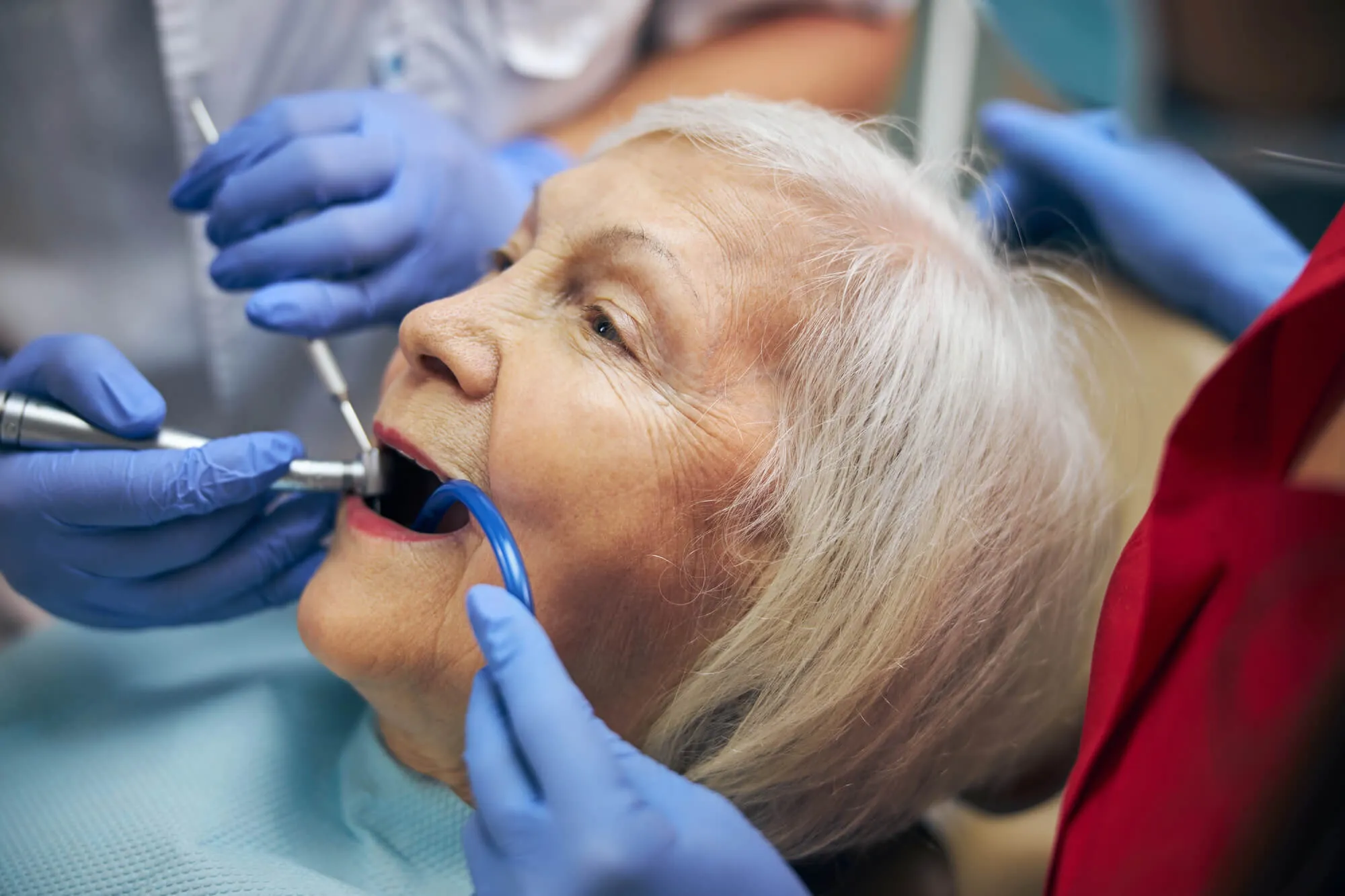
Emergency biological dentist in the office

Tooth Replacement Can Be Discussed After Extraction 

Removing a tooth also raises another question: what happens to the space? 

Replacement options depend on the location of the missing tooth, bone condition, oral health, bite, and the patient’s broader treatment plan. Dental implants may be considered in appropriate cases, including immediate implant placement in selected situations. 

The decision is made after evaluating the circumstances rather than assuming every extracted tooth follows the same replacement plan. 

Why Acting Earlier Can Keep the Situation Simpler 

Cracks do not heal themselves in the way a cut in soft tissue can. Waiting may allow a compromised tooth to become more difficult to restore, particularly if the fracture progresses or infection develops. 

Prompt evaluation does not automatically mean extensive dental work. It provides the information needed to determine what is happening and whether the tooth should be monitored, restored, or removed. 

This distinction matters because two teeth with similar symptoms may have very different fracture patterns beneath the surface. 

Frequently Asked Questions 

Can a cracked tooth be saved? 

Sometimes. Whether a tooth can be preserved depends on the location and extent of the crack and how much healthy tooth structure remains. Cracks affecting the crown of the tooth may sometimes be restored, while fractures extending down the root may require extraction. 

Does a cracked tooth always hurt? 

No. Some cracks cause sharp pain or temperature sensitivity, while others produce intermittent symptoms or little discomfort at first. The absence of severe pain does not reveal how deep a crack extends. 

Is a cracked tooth considered a dental emergency? 

It can be. A cracked tooth accompanied by substantial pain, swelling, infection, or worsening symptoms deserves prompt dental evaluation. Even a less painful crack should be assessed because the extent of the damage cannot always be determined from symptoms alone. 

Emergency biological dentist and patient

Get Prompt Care from an Emergency Biological Dentist 

A cracked tooth can become more complex if the fracture progresses or deeper tissues become involved. Prompt evaluation helps determine the extent of the damage and whether the tooth can be preserved. Maryland Holistic Dentist combines urgent care with biological principles, including ozone and PRF when appropriate. Contact an emergency biological dentist to discuss your care options. 

The Hidden Signs of Sleep Apnea You Might Be Overlooking

Sleep apnea can manifest in ways that are easy to overlook. Alongside well-known signs like snoring or disturbed sleep, the condition often presents with subtle symptoms such as morning headaches, dryness, jaw tension, fatigue, or mood changes. Because these issues can seem unrelated, many people are unaware that they often indicate airway interruptions during sleep. If these patterns feel familiar, sleep apnea in Burtonsville, Maryland may be affecting your nightly breathing more than you realize. 

What Sleep Apnea Actually Is 

Sleep apnea is a condition where breathing repeatedly slows or pauses during sleep. These interruptions can last a few seconds or longer, often without waking you fully. When airflow changes, the body shifts out of deeper sleep stages to restore breathing. Over time, this pattern affects oxygen levels, energy, mood, and nighttime rest. 

There are different forms of sleep apnea, but obstructive sleep apnea is the most common. In this type, the airway becomes narrow or collapses during sleep, limiting airflow. Some people notice loud snoring or disrupted rest, while others experience subtle symptoms that don’t seem related to breathing at all. Because these signs vary widely, many patients don’t realize their symptoms point to an airway concern until a dental or medical evaluation highlights the connection. 

Understanding the Hidden Signs of Sleep Apnea 

Headaches and Dry Mouth in the Morning 

Waking up with headaches may point to short drops in oxygen during sleep. These interruptions cause the jaw muscles to tighten and strain the blood vessels around the head, leading to discomfort upon waking.  

Dry mouth often occurs because many patients breathe through their mouths at night. This dryness can irritate gums and make enamel more vulnerable. When these two symptoms appear together, concerns about airflow may be part of the cause. 

Fatigue That Doesn’t Match Your Sleep Hours 

Feeling tired despite going to bed early is one of the most overlooked signs of airway issues. Breathing interruptions prevent the body from reaching deeper stages of sleep. Even if you remain asleep, your brain still reacts to those interruptions. Over time, this creates a persistent sense of fatigue that patients often attribute to stress or a busy schedule. 

Grinding or Clenching During Sleep 

Some patients grind their teeth without knowing it. For many, this is the body’s attempt to stabilize the airway by shifting the jaw forward. This movement helps open the back of the throat. Over time, clenching leads to worn enamel, tight jaw muscles, and discomfort in the temples. Dentists often spot this pattern during exams long before a patient suspects a sleep concern. 

Difficulty Concentrating Throughout the Day 

Interrupted sleep affects how well the brain processes and stores information. Patients may notice slower thinking, forgetfulness, or trouble staying focused during routine tasks. These changes often appear gradually, so many people assume they are normal rather than connected to nighttime breathing. 

Mood Shifts or Irritability 

Poor sleep makes maintaining emotional balance more challenging. When the body works harder to breathe at night, stress hormones rise. The result can be irritability, low resilience, or emotional fatigue. These shifts may not seem directly connected to sleep apnea at first, especially if the symptoms are minor. 

Frequent Nighttime Waking Without a Clear Reason 

Not everyone with sleep apnea wakes up gasping for air. Some experience brief awakenings that they don’t fully remember. These moments may last only seconds, yet they repeatedly interrupt sleep cycles. Over time, these disruptions contribute to exhaustion and lower daytime performance. 

How Sleep Apnea Impacts Oral Health 

Dry Mouth and Enamel Changes 

Mouth breathing reduces saliva flow, which is crucial for protecting enamel and maintaining a healthy pH balance. Without enough moisture, teeth become more vulnerable to decay and sensitivity. Chronic dryness is a strong indicator of changing airflow during sleep. 

Gum Irritation or Recession 

Airway issues may affect gum health. Reduced oxygen levels and mouth breathing can irritate the tissues around teeth. Over time, this can inflame the gums or cause mild recession. Addressing breathing patterns often supports better gum stability. 

Flattened or Worn Teeth 

Grinding caused by sleep apnea gradually reshapes tooth surfaces. Patients may notice shorter teeth, small fractures, or edges that look flattened. These patterns help dentists spot airway strain early. 

Jaw Tightness or Soreness 

When breathing becomes restricted, the body recruits jaw and neck muscles to compensate. This leads to morning tension or soreness that improves as the day goes on. Because the discomfort fades, many people overlook the airway connection. 

How Holistic Dentistry Helps Identify Sleep Apnea 

Airway-Focused Oral Exams 

Holistic dentists evaluate more than the appearance of the teeth. They examine how the tongue rests, whether the palate is narrow or high, the width of the dental arches, and whether the lips remain sealed comfortably during breathing. They also check for signs of mouth breathing, restricted tongue movement, and crowded oral structures.  

These findings provide early clues about how the airway functions during sleep and whether it may narrow, collapse, or cause interruptions during the night. 

Advanced Digital Imaging 

3D cone beam imaging offers a deeper understanding of airway health. This scan enables the dentist to measure airway width, identify areas of constriction, assess jaw alignment, and visualize the relationship between the upper and lower jaws.  

Because sleep apnea often involves structural limitations, these images help determine whether anatomical factors contribute to reduced airflow. This information supports a more precise and personalized approach to treatment. 

Recognizing Oral Clues 

Certain dental patterns can signal airway strain long before sleep problems become noticeable. Worn enamel from clenching, gum irritation linked to mouth breathing, scalloped tongue edges, or tension in the jaw muscles often point to nighttime breathing disruptions. These subtle indicators help holistic dentists connect oral symptoms with broader airway concerns and identify sleep apnea risks early. 

Why Many Patients Miss Sleep Apnea Symptoms 

Symptoms Develop Gradually 

Sleep apnea seldom starts with obvious signs. Mild symptoms accumulate over months or years, making them easy to dismiss. 

Symptoms Feel Manageable 

Minor headaches, mood changes, or sluggish mornings feel like part of normal life. Without awareness, these early signals go unnoticed. 

Symptoms Mimic Common Stress 

Daily responsibilities and busy schedules can mask sleep issues. Patients often attribute their discomfort to lifestyle factors rather than to breathing issues. 

Long-Term Effects of Overlooked Sleep Apnea 

Strain on Heart and Circulation 

Breathing interruptions place stress on the cardiovascular system. Early recognition helps support long-term wellness. 

Increased Oral Health Challenges 

Dry mouth, grinding, and gum sensitivity can worsen if airflow concerns remain unmanaged. 

Reduced Energy and Daily Function 

Lack of quality sleep affects work performance, driving safety, and daily interactions. 

Connecting the Dots for Better Rest and Health 

Sleep apnea often begins quietly, presenting with symptoms that may seem harmless. Yet each of these signs reflects the body’s effort to cope with nighttime breathing interruptions. Recognizing these patterns helps protect both oral health and daily comfort. Holistic evaluation brings clarity by considering breathing, jaw position, and dental changes in conjunction. 

How Sleep Apnea in Burtonsville Maryland, Care Supports Better Breathing and Restful Sleep 

If you’ve noticed subtle symptoms like headaches, clenching, dryness, or fatigue, an airway-focused exam can help clarify what’s happening during sleep. Maryland Holistic Dentist provides care grounded in comfort, compassion, and whole-health awareness. Our sleep-focused approach combines advanced imaging, gentle techniques, and personalized guidance to support clearer breathing and healthier nightly rest. 
Schedule a consultation today and experience care designed to support steady airflow, deeper sleep, and long-term wellbeing. 

Call Now Button