
 (301) 421 1996
 burtonsvillesmiles@gmail.com


DOMEzero
One Family. Different Ages. Different Needs.
A narrow upper jaw can affect more than just how the teeth fit together. Maxillary development can influence dental crowding, bite relationships, tongue space, facial development, and the space available for the nasal airway.
But expansion is not the same for everyone.
A growing child, a teenager, and an adult have different anatomy and different treatment needs. That’s why the DOME approach is designed around age-appropriate expansion combined with coordinated tooth movement.
One Philosophy. Three Stages of Life.
DOMEmini — For younger, growing children
DOMEteen — For adolescents and developing permanent dentitions
DOMEzero — For skeletal mature adults
|
|
DOMEmini
Start With Growth
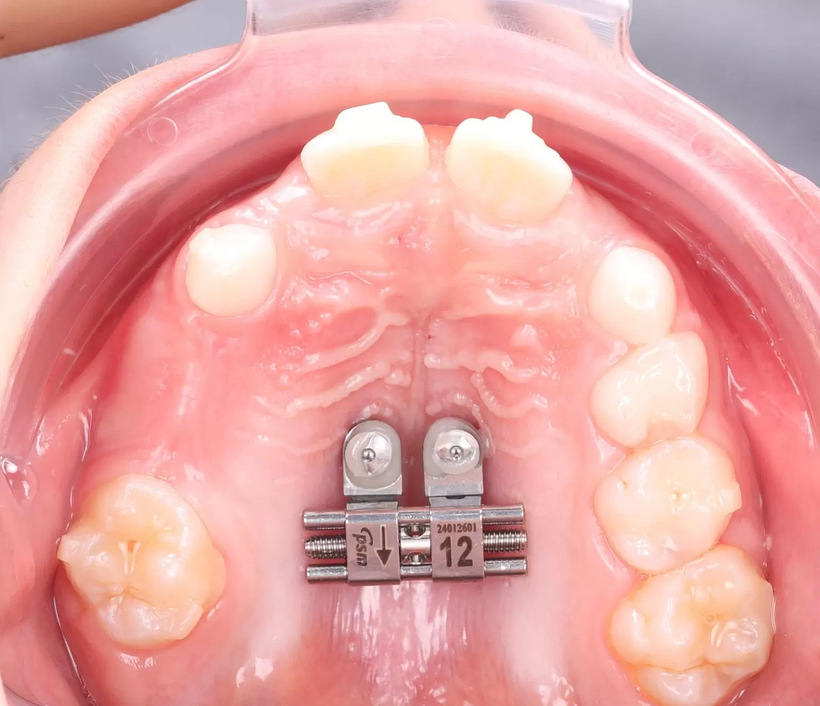
DOMEmini is designed for younger children when growth and development provide an opportunity to address developing problems early.
Rather than waiting for all of the permanent teeth to erupt, treatment can focus on creating appropriate space and improving the relationship between the upper jaw, lower jaw, teeth, and surrounding soft tissues during growth.
Treatment may combine expansion with limited aligner therapy when appropriate.
The goal: improve the foundation while your child is still growing.
DOMEteen
Guide Growth. Create Space. Align the Teeth.
The teenage years bring a different set of challenges. Most permanent teeth have erupted, orthodontic alignment becomes increasingly important, and significant facial growth may still remain.
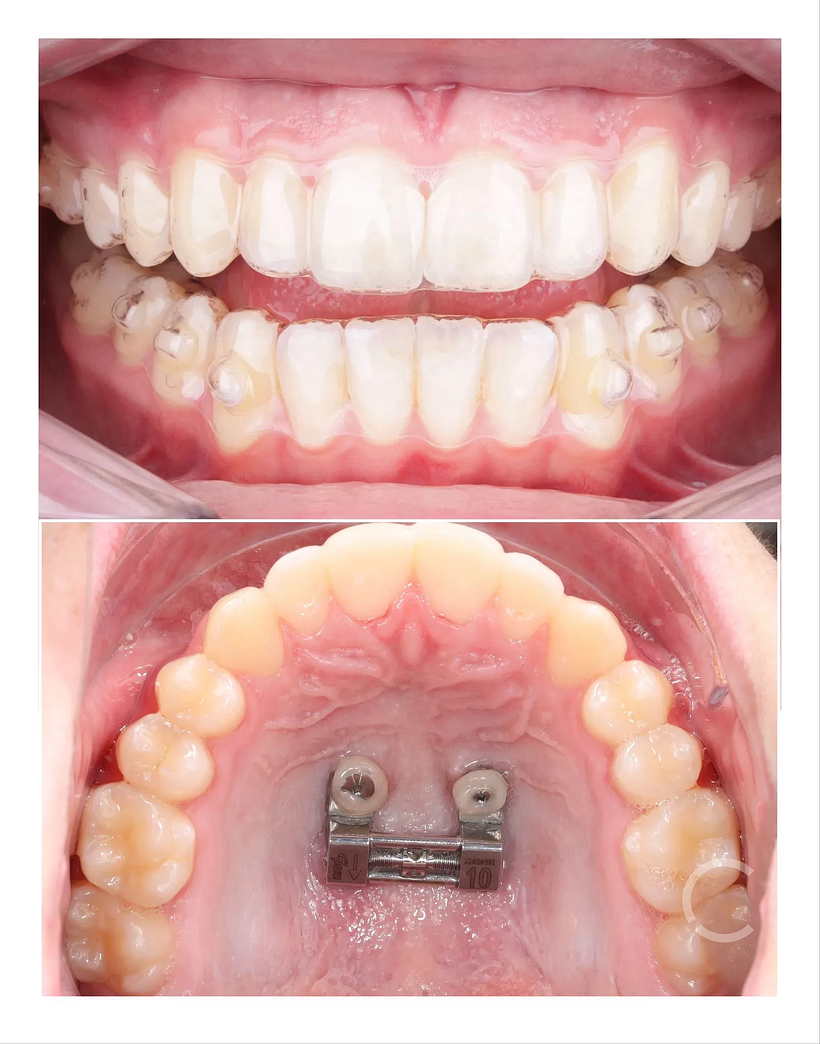
DOMEteen combines an age-appropriate approach to maxillary expansion with coordinated aligner treatment to address both the developing jaw and the position of the teeth.
Instead of thinking about expansion and orthodontics as completely separate treatments, they can be planned together.
The goal: develop the arch, create space, and align the teeth as part of one coordinated treatment plan.
DOMEzero
Adult Expansion + Synchronized Aligners
Adults are different.
Once facial growth is complete and the midpalatal suture has matured, adult skeletal expansion requires a different approach than expansion in a growing child.
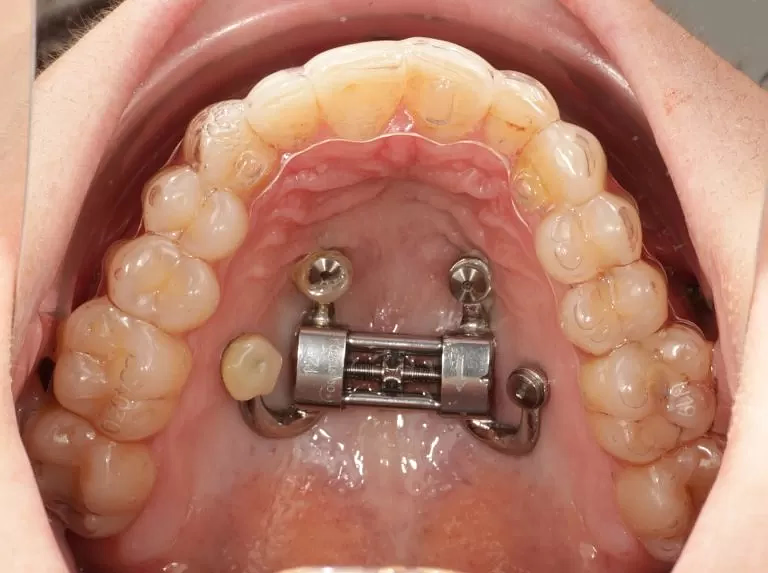
DOMEzero uses bone-borne expansion with temporary anchorage devices (TADs) to apply expansion forces directly to the maxilla.
At the same time, customized aligners are synchronized with the expansion process to control tooth position and progressively develop the bite.
The goal: address the skeletal foundation and the teeth together rather than relying on tooth movement alone to compensate for a narrow upper jaw.
Why Combine Expansion With Aligners?
Expansion changes the available space and relationship of the dental arches. Aligners control the teeth within that changing skeletal and dental environment.
When appropriately planned together, treatment can coordinate:
Jaw development → Arch development → Tooth position → Bite
Rather than simply asking, “How do we straighten the teeth?” we begin with a bigger question:
“Is there enough space for the teeth, tongue, and bite to function properly?”
Schedule Consultation