When to Call an Emergency Biological Dentist Instead of Waiting It Out

Dental discomfort often begins in a way that feels manageable. A dull ache, sudden sensitivity, or mild gum soreness might seem like something you can wait out. Sometimes it fades. Other times, it progresses into pain that disrupts eating, sleeping, and daily focus.

If you’re unsure whether it’s serious, an emergency biological dentist can assess what’s happening before discomfort builds. Emergency care isn’t only for obvious injuries. It’s also for symptoms that signal inflammation, infection, or structural damage that may worsen over time.

Biological emergency dentistry adds another layer to urgent care.

The goal is still fast relief and stability, but the approach often includes conservative planning, careful material selection, and support for healthier tissue response.

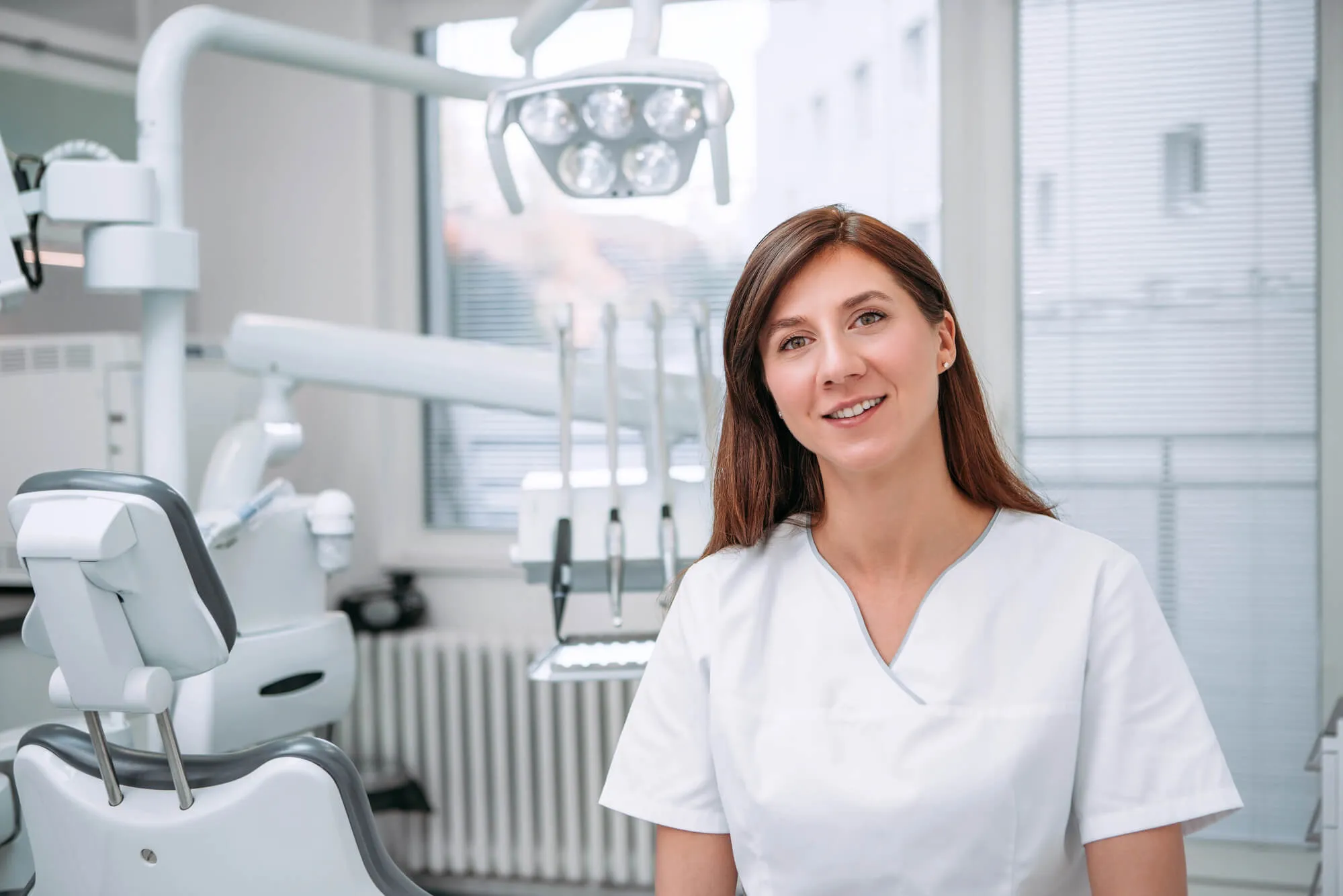
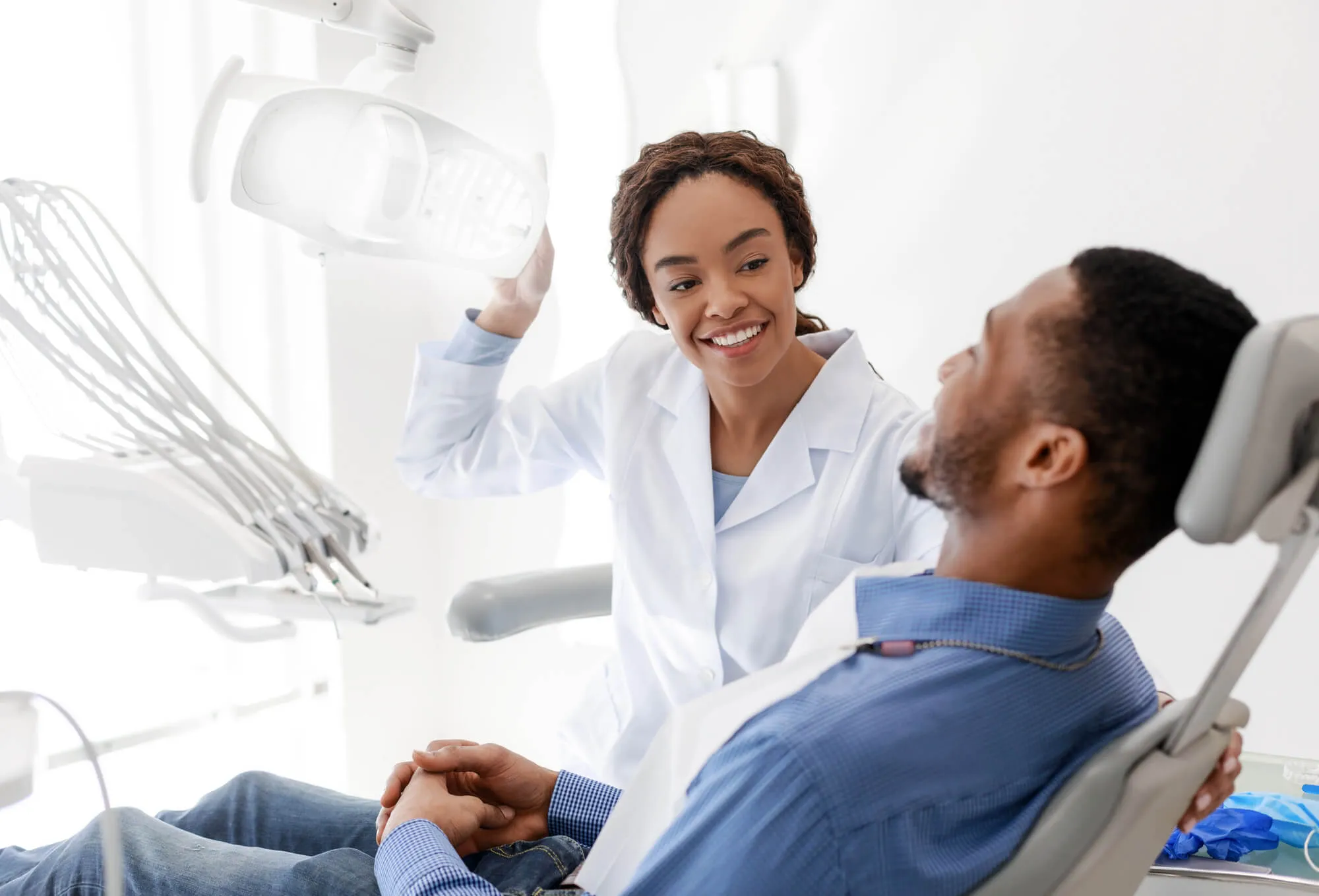
Emergency biological dentist checking patient's tooth

What an Emergency Biological Dentist Means in Simple Terms

An emergency biological dentist provides urgent dental care while following a biological or holistic approach to dentistry. In simple terms, that usually means the dentist focuses on stabilizing the problem quickly while also considering:

  • the health of the surrounding tissues
  • how materials interact with the body
  • how to preserve tooth structure when possible
  • supportive techniques that reduce unnecessary chemical exposure

Emergency dentistry still relies on modern diagnostics and evidence-based care. The difference lies in the added emphasis on biocompatibility and thoughtful planning, even when time is short.

When to Call Instead of Waiting It Out

Some symptoms come with obvious warning signs. Others start mildly and become disruptive later. These are the situations where calling sooner is often the better decision.

Persistent Tooth Pain That Doesn’t Ease

Pain that keeps returning is rarely random. It may reflect pressure, inflammation, or irritation inside the tooth or in the surrounding tissues.

Call if you notice:

  • pain that returns in the same area repeatedly
  • discomfort that worsens with chewing
  • throbbing pressure that becomes harder to ignore
  • pain that affects sleep or concentration

Even if pain comes and goes, it may still point to a problem that needs attention before it becomes more complex.

Swelling in the Gums, Face, or Jaw

Swelling is one of the clearest signs that waiting may not be worth the risk. Gum swelling near one tooth or facial puffiness can progress quickly.

Call if you have:

  • a raised or tender bump on the gums
  • swelling along the cheek or jawline
  • tissue tightness that feels pressured or sore
  • facial tenderness that appears suddenly

Even mild swelling can change rapidly, which is why urgent evaluation matters.

A Cracked or Broken Tooth

Cracks and fractures can behave unpredictably. Some cause immediate pain. Others stay quiet until the tooth becomes more vulnerable or a deeper layer is exposed.

Call if:

  • a tooth feels sharp or unstable
  • chewing creates sudden pressure pain
  • cold sensitivity appears unexpectedly
  • you notice a visible crack line

Getting ahead of a crack can reduce the chance of the tooth breaking further.

A Lost Filling or Loose Crown

A lost filling can feel minor if pain hasn’t started yet. Still, the tooth underneath may be exposed to bacteria, temperature changes, and chewing pressure.

Call if:

  • a filling fell out, and the tooth feels hollow
  • cold drinks cause sharp discomfort
  • food gets trapped repeatedly in the space
  • a crown shifts or feels unstable

Early stabilization helps protect the tooth until a long-term restoration is placed.

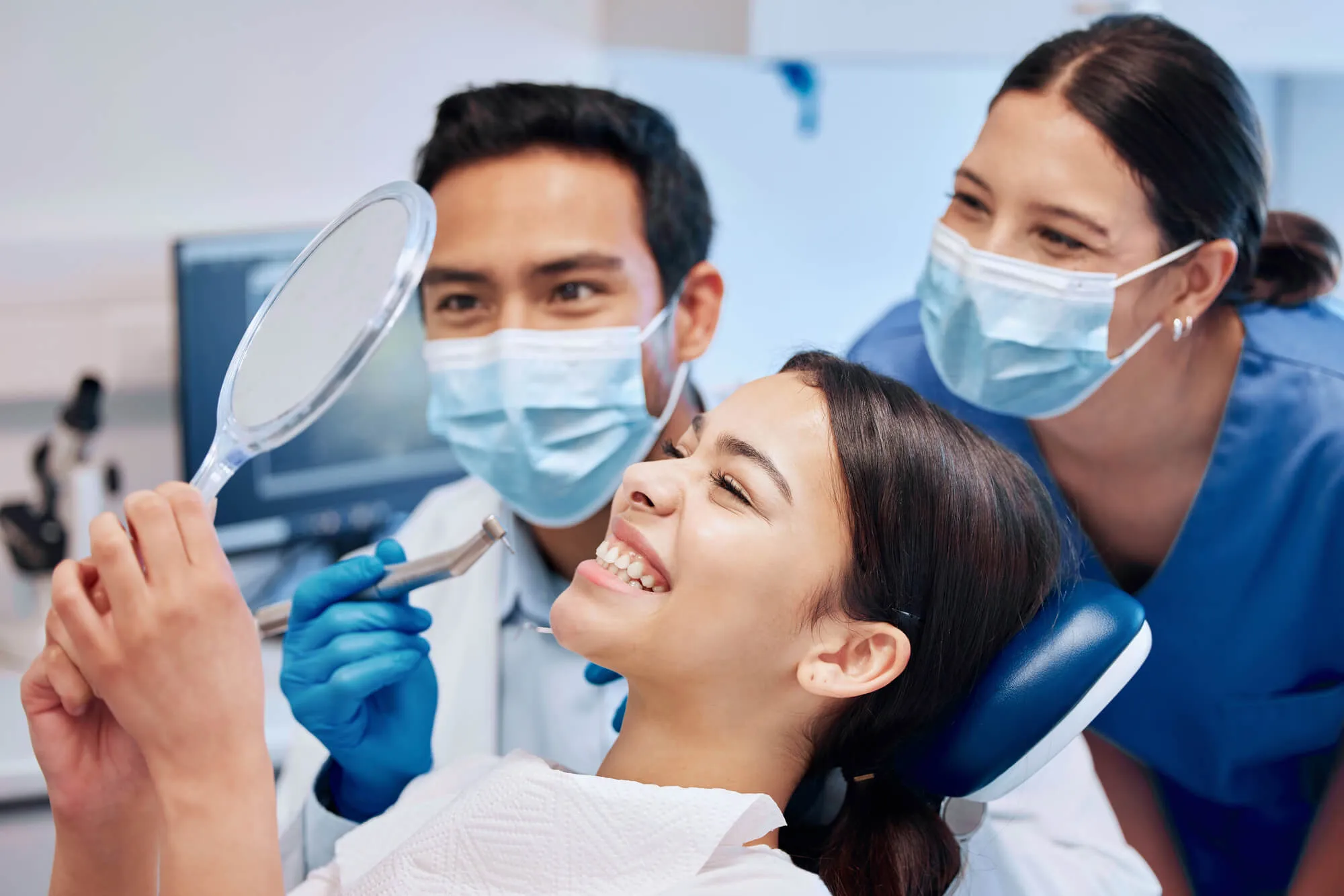
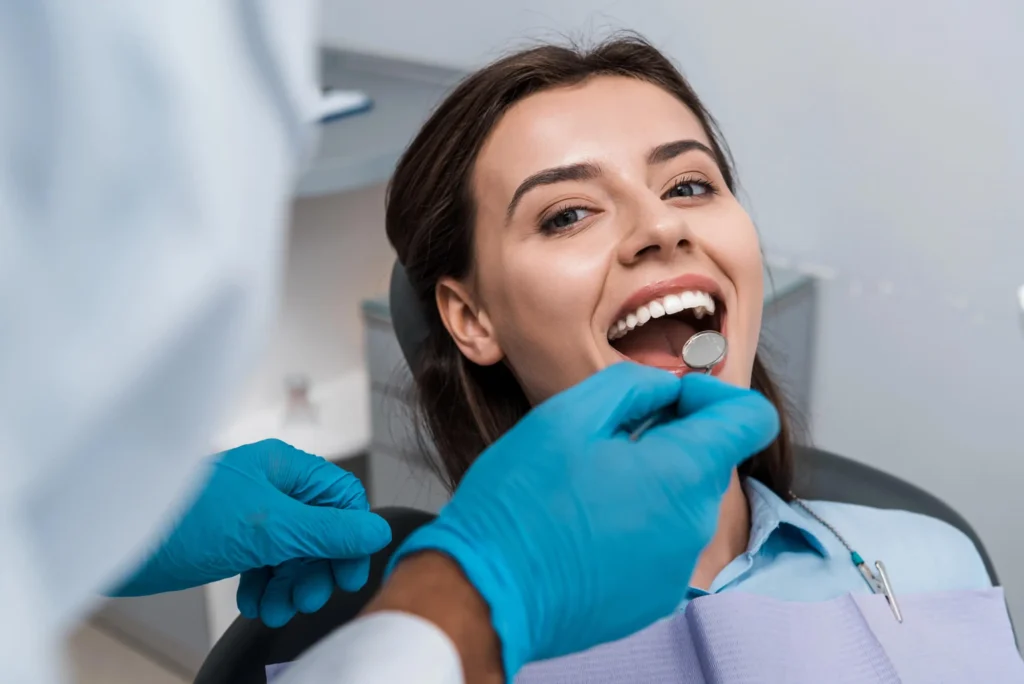
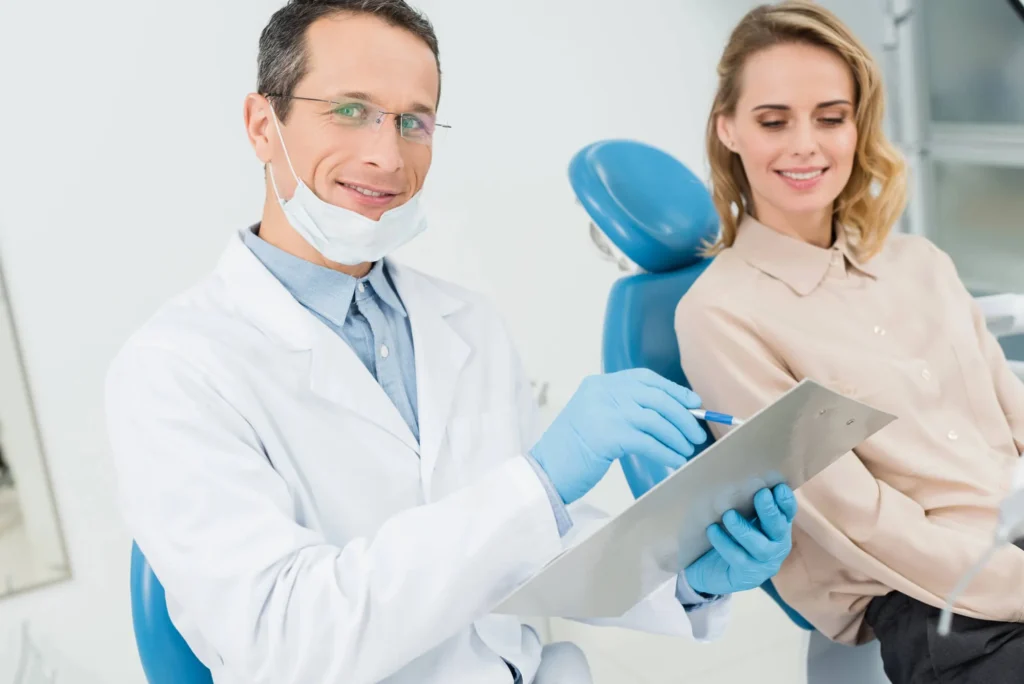
Emergency biological dentist talking to patient in pain

Pain That Worsens at Night

Nighttime dental pain is common and often more intense. Lying down can increase pressure around inflamed tissues, making symptoms harder to ignore.

Call if you notice:

  • pulsing pain that spikes at night
  • pressure that radiates into the jaw or ear
  • discomfort that prevents sleep
  • pain that doesn’t settle with basic home care

If pain is keeping you awake, that is a clear sign it deserves prompt attention.

Why Some People Prefer Biological Care During Dental Emergencies

Urgent dental care needs to be quick and clear. A biological approach still focuses on relief but often pays closer attention to how that relief is delivered.

Biocompatible Materials Still Matter

Emergency visits sometimes involve repairing a filling, restoring a damaged area, or planning the next steps. Biological dentistry often prioritizes materials chosen for compatibility, including metal-free options when appropriate.

This can matter for patients who:

  • prefer mercury-free dentistry
  • have sensitivities to certain materials
  • want choices that align with a holistic philosophy

Even in urgent situations, many patients appreciate knowing their care plan reflects long-term comfort, not just short-term relief.

Supportive Techniques That Help Maintain Tissue Health

Some holistic dental practices use ozone dentistry as a supportive method during certain procedures. Ozone can help create a cleaner oral environment and may support tissue comfort as part of a broader approach to infection control.

It’s important to frame ozone properly. It is not a one-step answer for every emergency. Instead, it may be one tool used alongside exams, imaging, and treatment planning, depending on what the dentist finds.

Thoughtful Planning Instead of Rushed Decisions

Emergency care is about stabilizing the situation. It doesn’t always require immediate aggressive steps. Biological emergency dentistry often supports careful decision-making, including:

  • preserving healthy tooth structure where possible
  • minimizing unnecessary tissue trauma
  • planning restorative steps in a measured way

For many patients, this style of care feels calmer, even when symptoms are urgent.

What to Do While Waiting for Your Appointment

If you are waiting to be seen, the goal is to protect the tooth and reduce irritation.

Helpful steps

  • chew on the opposite side
  • choose soft foods
  • brush gently around the area
  • rinse with warm water if gums feel irritated

Avoid

  • poking the area with sharp objects
  • chewing through sharp pain
  • delaying care if swelling is present

If symptoms escalate quickly, it’s worth calling back rather than waiting.

What Happens at an Emergency Visit

Emergency appointments are focused and efficient. Most visits include:

  • reviewing symptoms and how long they’ve been present
  • examining the tooth and surrounding tissues
  • taking imaging when needed
  • stabilizing the tooth or addressing the cause of pain
  • outlining next steps clearly

You should leave the appointment with clarity about what happened, what needs attention, and the available options.

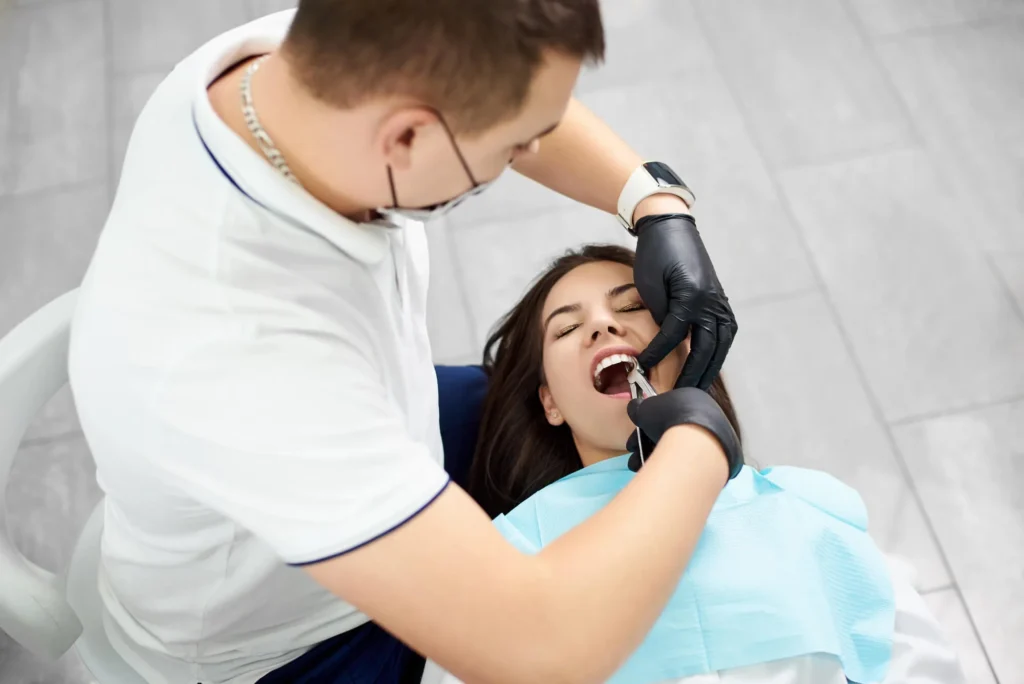
Emergency biological dentist performing extraction

Looking for an Emergency Biological Dentist You Can Reach Out to Right Away?

Waiting can feel easier when symptoms are mild or inconsistent, but dental problems can shift quickly. If you have swelling, tooth pain, cracked teeth, or a lost filling, reaching out early can help you stay comfortable and prevent avoidable complications.

Maryland Holistic Dentist provides emergency dental care with a holistic approach, focusing on timely relief, careful evaluation, and treatment planning that prioritizes comfort and biocompatible support. If you need urgent help, scheduling an emergency evaluation can provide answers and stabilize symptoms sooner.

Contact us today to request an emergency appointment and get the support you need without unnecessary delays.

Biological Dentistry vs. Traditional Dentistry: What Sets Them Apart

More people today want dental care that supports overall health—not just their teeth. If you’ve heard about holistic or biological dentistry, you might wonder how it differs from what you’ve always known. A biological dentist in Maryland takes a holistic approach, focusing on how oral health impacts overall wellness. Unlike conventional methods, this approach uses natural, biocompatible materials and modern techniques designed to protect both your smile and your body.

Biological dentist Maryland and patient

How Biological Dentistry Differs from Traditional Dentistry

The Philosophy Behind Each Approach

Traditional dentistry focuses on diagnosing and treating issues within the mouth, such as cavities, infections, or gum disease, without necessarily considering their connection to the rest of the body. Its goal is function and appearance.

Biological dentistry, on the other hand, recognizes that every part of the body is interconnected. Oral infections, materials, and even bite alignment can influence digestion, breathing, and immunity. This philosophy guides every clinical decision, from determining which filling material to use to managing inflammation safely and effectively.

A biological dentist looks beyond symptoms to find root causes. For example, instead of only repairing a cracked filling, they may investigate whether jaw tension, airway obstruction, or clenching habits contributed to the problem. This preventive mindset makes care more personalized and wellness-oriented.

Treatment Materials: Metal-Free and Biocompatible

Traditional dental practices often rely on amalgam fillings, which contain mercury, or metal restorations that can corrode over time. These materials are durable but may trigger sensitivities or interfere with the body’s response to foreign substances.

Biological dentists utilize biocompatible materials, including zirconia, BPA-free resins, and ceramic restorations, which integrate safely with surrounding tissues. Each material is carefully selected to minimize potential immune reactions and promote optimal healing. This choice supports not only oral comfort but also long-term biological balance.

By eliminating metals and mercury, biological dentistry reduces exposure to toxins while maintaining strength and aesthetics. Patients appreciate the natural feel and appearance of these restorations, which are carefully matched to the color of their teeth for a seamless result.

Approach to Oral Infections and Root Canals

In traditional dentistry, infected teeth are often treated with root canal therapy, where the inner pulp is cleaned, disinfected, and sealed to prevent further infection and decay. While effective at preserving the tooth, traces of bacteria may remain inside microscopic canals, potentially leading to chronic irritation or inflammation.

A biological dentist may perform root canals differently, utilizing ozone therapy and laser sterilization to disinfect more thoroughly and minimize the need for harsh chemicals. Some cases may be better treated through safe extraction and replacement with zirconia implants, which are metal-free and biocompatible.

The emphasis is always on preserving the body’s natural defenses and preventing bacteria from re-entering the bloodstream. This level of precision and care is what makes biological dentistry stand apart.

Diagnostic Technology and Evaluation

Traditional dentistry commonly uses two-dimensional X-rays for diagnosis. These are useful but can miss small or hidden issues, such as early bone loss or microscopic fractures.

Biological dentists often rely on cone beam CT (CBCT) imaging, which provides a 3D view of the teeth, jaw, and sinuses. This technology enables the early detection of infections, airway obstructions, and bone changes that impact both oral and overall health.

Some biological practices also assess factors such as airway function, bite alignment, and muscle tension, ensuring that your dental care supports optimal breathing, posture, and jaw comfort. By viewing the mouth as part of a complete system, they help patients maintain equilibrium throughout the body.

Biological dentist Maryland looking at patient's teeth

The Role of Prevention in Biological Dentistry

Prevention is at the core of both traditional and biological dentistry, but the latter takes it a step further by addressing root causes rather than only symptoms.

A biological dentist may consider factors like diet, stress, sleep, and toxin exposure. For instance, frequent mouth breathing or a poor diet high in sugar can affect oral pH and microbiome balance. The holistic approach involves educating patients on how to maintain a healthy mouth through lifestyle modifications, rather than relying solely on professional treatment.

In addition to routine cleanings and check-ups, biological dentists use natural antibacterial rinses, ozone therapy, and patient-specific hygiene plans to support long-term wellness. This proactive philosophy helps prevent complications before they start and reduces the need for major procedures later.

Why More Patients Are Choosing Biological Dentistry

Safer and Less Toxic Dental Care

People today are more conscious of what goes into their bodies, and their dental care is no exception. Biological dentistry aligns with that awareness by offering mercury-free, fluoride-free, and metal-free options that protect both oral and systemic health.

Patients with allergies, autoimmune conditions, or chemical sensitivities often find that biocompatible treatments make their dental visits more comfortable and less stressful. By minimizing the body’s exposure to potential irritants, this approach supports healing and reduces inflammation throughout the body.

Personalized, Patient-Focused Experience

Biological dentists take time to understand each patient’s health background, medical conditions, and concerns before recommending treatment. This collaborative style builds confidence and helps patients feel supported throughout their care.

Instead of using a one-size-fits-all approach, a biological dentist develops plans that respect individual biology and preferences. Whether you need safe amalgam removal, implant restoration, or preventive care, every decision is made with your long-term wellbeing in mind.

This kind of mindful, patient-centered care creates a more comfortable dental experience and fosters trust in the process.

Integration of Science and Natural Healing

One of the defining aspects of biological dentistry is how it bridges advanced technology with natural healing. Modern tools—such as digital imaging, ozone disinfection, and laser therapy—work in conjunction with the body’s natural defenses to promote repair without unnecessary chemical exposure.

By striking a balance between innovation and biological respect, this model of care fosters long-term health benefits that extend far beyond a bright smile.

Biological dentist Maryland smiling

Looking for a Biological Dentist in Maryland?

If you’re searching for a more holistic, wellness-based approach to oral care, partnering with a biological dentist in Maryland can transform how you view dental health. Look for a provider trained in mercury-safe practices, ozone therapy, and biocompatible materials, such as members of the International Academy of Oral Medicine and Toxicology (IAOMT).

Maryland Holistic Dentist embodies these values, combining scientific precision with a genuine commitment to patient wellbeing. From preventive care and safe restorations to advanced biological treatments, every procedure is designed to align with your body’s natural balance.

At Maryland Holistic Dentist, your comfort, safety, and long-term health come first. Each treatment reflects the practice’s mission—to provide mindful, biocompatible dental care grounded in science and compassion. Whether you’re exploring metal-free restorations, ozone therapy, or preventive wellness visits, we’re here to help you achieve a healthier smile and a healthier life. Contact us today!

Whole-Body Health Starts in the Mouth: A Holistic Dentistry Perspective

Your mouth might seem like a small part of your body, but its impact reaches far beyond your smile. The health of your teeth, gums, and oral tissues can influence everything from digestion and energy to cardiovascular and immune function. For a dentist in Burtonsville, MD, who practices holistic dentistry, this connection isn’t just an observation—it’s the foundation of care.

Holistic dentistry views the mouth as a reflection of the body’s overall health. It recognizes that what happens in your oral cavity can affect your wellbeing and vice versa. This perspective goes beyond treating cavities or gum disease; it focuses on aligning dental treatments with the body’s natural balance for healthier, more sustainable results.

Holistic dentist in Maryland and patient

Understanding the Connection Between Oral and Overall Health

The mouth is a gateway to the body. Every time you eat, speak, or breathe, your oral cavity interacts with your body’s systems. If your gums or teeth are unhealthy, harmful bacteria can enter your bloodstream and trigger inflammation elsewhere. Studies have shown links between gum disease and systemic conditions like cardiovascular problems, diabetes, and respiratory illness.

While research continues to uncover these relationships, holistic dentistry operates with a simple principle: prevention and balance are key. Instead of addressing isolated symptoms, it treats the oral environment as part of a larger, interconnected network. Maintaining this balance supports the immune system, reduces chronic inflammation, and promotes total-body wellness.

Holistic dentists understand that each patient’s mouth tells a story about their habits, stress levels, and even nutritional health. That’s why their approach focuses on identifying root causes and not just surface-level issues so the body can restore its natural equilibrium.

The Philosophy Behind Holistic Dentistry

At its core, holistic dentistry, also called biological dentistry, takes a comprehensive, patient-centered approach to care. Traditional dentistry often focuses on resolving localized dental problems, while holistic dentistry aims to prevent those problems by considering the body as a whole.

This philosophy involves using biocompatible materials that work harmoniously with your body’s chemistry. It avoids substances like mercury, fluoride, or metals that may disrupt internal balance. Instead, holistic dentists use safe alternatives that are strong, durable, and designed to promote healing.

Holistic dentists use ozone therapy, laser technology, and advanced 3D imaging to detect and manage concerns while reducing exposure to chemicals. This combination of modern science and mindful care helps protect not only your smile but your long-term wellbeing.

Holistic dentistry also places strong emphasis on patient education. Understanding how lifestyle factors like diet, sleep, and stress impact oral health empowers patients to take a proactive role in maintaining harmony between the mouth and the rest of the body.

How Oral Health Affects the Rest of the Body

Inflammation and the Immune System

When bacteria from gum disease enter the bloodstream, the immune system reacts by producing inflammation. Chronic inflammation doesn’t just affect your mouth—it can stress other organs, weaken immunity, and interfere with natural healing. Holistic dental care aims to restore microbial balance in the mouth, supporting overall immune health through gentle, toxin-free treatments.

Digestion and Nutrition

Healthy teeth and gums play a key role in the digestive process. Proper chewing helps break down food for nutrient absorption, while saliva begins the digestion of carbohydrates. Missing or damaged teeth, on the other hand, can strain digestion and lead to nutritional deficiencies. Holistic dentistry helps restore optimal bite function and educates patients on how nutrition supports both oral and systemic health.

Breathing and Sleep Quality

The position of your jaw, teeth, and airway influences how well you breathe—especially during sleep. Chronic mouth breathing or obstructed airflow can lead to fatigue, headaches, or poor concentration. Many holistic dentists address these concerns with airway-focused treatments that promote better breathing, restful sleep, and improved energy.

By managing inflammation, improving bite alignment, and restoring balance, holistic dental care supports more than oral comfort—it contributes to whole-body vitality.

Holistic dentist in Maryland talking to patient

Key Practices in Holistic Dental Care

Biocompatible and Metal-Free Materials

A defining feature of holistic dentistry is its use of materials that are compatible with the body. These include zirconia implants, BPA-free composites, and ceramic restorations. Metal-free options reduce the risk of allergic reactions, corrosion, and potential interference with body chemistry.

Ozone Therapy and Advanced Disinfection

Ozone therapy is a natural disinfectant used in procedures such as periodontal treatment and root canal therapy. It helps eliminate bacteria, viruses, and fungi without harsh chemicals. Combined with laser-assisted techniques, this approach encourages faster healing and preserves healthy tissue.

3D CBCT Imaging

Advanced imaging with cone beam CT (CBCT) allows holistic dentists to detect infections, bone density changes, and root fractures invisible on standard X-rays. This detailed insight leads to more precise treatment planning and safer outcomes.

Nutritional and Lifestyle Guidance

Because the mouth reflects the body’s internal health, holistic dentists may also offer guidance on nutrition, hydration, and stress management. Reducing sugar intake, maintaining a balanced diet, and supporting the microbiome are often part of a comprehensive care plan.

The Preventive Approach: Addressing Problems Before They Begin

Preventive care is the cornerstone of holistic dentistry. Regular exams, cleanings, and screenings help detect potential issues before they develop into major concerns. The focus is not on reacting to problems but on maintaining balance through consistent, mindful habits.

Holistic dentists may also collaborate with other wellness professionals—such as nutritionists, acupuncturists, or sleep specialists—to ensure that dental health supports broader wellness goals. This integrated model reinforces the belief that prevention is always better than intervention.

Through education and advanced technology, patients gain the tools and understanding needed to sustain both oral and overall health.

The Benefits of Seeing a Holistic Dentist

Choosing a holistic dentist can offer benefits that extend far beyond the dental chair:

  • Reduced toxin exposure: Avoids materials that may strain the body’s natural defenses.
  • Enhanced comfort and safety: Gentle, minimally invasive techniques support faster recovery.
  • Improved energy and immunity: By addressing oral inflammation, the body maintains better balance.
  • Informed, collaborative care: Patients play an active role in every step of their treatment.

This approach gives peace of mind to those who value natural wellness and transparency. It combines modern science with a deep respect for how every part of the body is connected.

Holistic dentist in Maryland smiling

Looking for a Reliable Holistic Dentist in Burtonsville, MD?

Your mouth is more than a gateway for eating and speaking—it’s a reflection of your entire body’s health. Holistic dentistry recognizes this powerful connection, using biocompatible materials and mindful techniques that support healing from the inside out.

If you’re ready for dental care that respects your body’s natural balance, it’s time to visit a trusted holistic dentist in Burtonsville, MD. At Maryland Holistic Dentist, every treatment is grounded in science and guided by compassion. From safe, metal-free restorations to preventive wellness-focused care, our goal is to help you achieve a stronger smile and a healthier life that starts with it. Contact us today!

Why Holistic Dentists Take a Different Approach to Root Canal Therapy

For many patients, the idea of a root canal brings up thoughts of discomfort and uncertainty. But not every practice views dental procedures the same way. A dentist in Burtonsville, MD, who follows a holistic approach, sees oral health as deeply connected to overall wellness. Instead of focusing solely on saving a single tooth, holistic dentistry considers how materials, techniques, and long-term outcomes impact the body as a whole.

This philosophy guides the performance of root canal therapy—from the diagnostic stage to the final restoration—using techniques that prioritize both dental and systemic health. Understanding why holistic dentists approach root canals differently can help you make more informed choices about your care.

dentist in burtonsville md preparing patient for root canal

The Philosophy Behind Holistic Dentistry

Holistic dentistry is grounded in the belief that the mouth doesn’t function in isolation but is part of an interconnected system that affects digestion, immunity, and overall wellbeing. In this approach, every dental material and procedure is evaluated for its interaction with the body.

Holistic dentists undergo the same education and licensing as traditional practitioners, but they go beyond conventional methods by integrating biocompatible materials, advanced imaging, and minimally toxic treatments. They also consider environmental factors, patient sensitivities, and the body’s natural healing capacity.

This patient-centered perspective means the focus isn’t only on restoring teeth—it’s also about promoting balance throughout the body. When applied to root canal therapy, this results in techniques that support both oral health and general wellness.

Traditional Root Canal Therapy Explained

A traditional root canal is performed to save a tooth with an infected or damaged pulp. The process involves cleaning out the infected tissue inside the tooth, disinfecting the canal with chemical solutions, and sealing it with materials such as gutta-percha.

This method is effective in eliminating local infection and preserving the tooth’s structure. However, traditional approaches often use strong chemical disinfectants and sealing materials that some patients find concerning. While these substances help sterilize the canals, they may not always align with a holistic patient’s preference for minimal chemical exposure.

In addition, the conventional model often treats the tooth as an isolated structure—removing infection without always considering how the materials used or residual bacteria might influence overall health. This difference in perspective is what sets holistic dentistry apart.

How Holistic Dentists Approach Root Canal Therapy Differently

1. Biocompatible Materials

    Holistic dentists use materials that are carefully chosen for their compatibility with the body’s natural chemistry. These are typically metal-free and BPA-free, which reduces the risk of irritation or an immune response. Fillings and sealants may include bioceramics or resin-based materials that support healing and are designed to last without introducing toxins into the body.

    2. Ozone and Laser Technology

      Instead of relying solely on chemical disinfectants, holistic dentists often incorporate ozone therapy and laser-assisted cleaning to sterilize the canals. Ozone gas is known for its strong antimicrobial properties and can penetrate tiny spaces within the tooth, killing bacteria more effectively while preserving healthy tissue. Lasers offer precision cleaning that minimizes trauma and facilitates a faster recovery.

      3. Advanced 3D Imaging

        Holistic practices often utilize cone beam CT (CBCT) scans, which produce detailed 3D images of the teeth and surrounding bone. This technology helps identify hidden infections, root fractures, or bone loss that standard X-rays might miss. By having a complete view of the tooth and jaw, the dentist can plan treatment more precisely, reducing complications and improving long-term results.

        4. Reduced Chemical Exposure

          Traditional root canals often involve sodium hypochlorite, a strong disinfectant. Holistic approaches replace or minimize their use, opting for oxygen-based or herbal rinses that are less aggressive to surrounding tissues. This method helps limit chemical exposure while maintaining effective sterilization.

          5. Whole-Body Consideration

            The biggest distinction is that holistic dentists evaluate how dental infections, materials, and procedures affect the immune system or other organs. They may assess inflammation, nutrition, and stress levels to ensure the body can heal effectively after treatment. This comprehensive view transforms root canal therapy from a purely mechanical procedure into one that supports the body’s natural balance and healing.

            holistic dentist in burtonsville md

            Alternatives and Preventive Focus

            Before recommending a root canal, holistic dentists carefully evaluate whether it’s truly the best course of action. Sometimes, depending on the extent of infection or damage, tooth extraction followed by replacement with a zirconia implant or a biocompatible bridge might be considered. These materials are metal-free, durable, and designed to integrate naturally with the bone.

            Holistic dental care also emphasizes prevention—addressing the root causes of infection before they become severe. This can include early cavity detection, proper airway management to reduce clenching or grinding, and guidance on diet and oral hygiene. The goal is to create an environment in the mouth that resists infection and supports long-term health.

            Holistic dentists may also collaborate with other healthcare professionals, such as nutritionists or sleep specialists, when broader factors like diet or breathing patterns contribute to recurring dental issues. This integrated care model strengthens the body’s resilience and helps prevent future infections.

            Benefits of the Holistic Approach

            Choosing a holistic dentist for root canal therapy can offer several benefits:

            • Less exposure to harsh chemicals and potential irritants.
            • Improved comfort through advanced, minimally invasive technology.
            • Reduced risk of systemic inflammation due to the use of biocompatible materials.
            • Comprehensive understanding of how oral health connects to overall wellbeing.

            Beyond these advantages, many patients report a greater sense of trust and involvement in their care. Holistic practices encourage open dialogue, giving you space to understand each step of the process. This collaborative relationship builds confidence and empowers patients to make decisions that align with their health values.

            holistic dentist in burtonsville md explaining to patient

            Partner with a Holistic Dentist In Burtonsville, MD, Today

            Holistic dentistry redefines root canal therapy by examining the tooth in the context of the entire body to understand how dental health impacts overall wellbeing. By utilizing biocompatible materials, ozone technology, and a preventive philosophy, this approach provides a more mindful and patient-centered approach to restoring oral health.

            If you’re considering root canal therapy or exploring holistic alternatives, schedule a consultation with an experienced dentist in Burtonsville, MD, who values both your smile and your overall wellbeing. At Maryland Holistic Dentist, your care is guided by science, compassion, and a commitment to your long-term health. Contact us today!

            Call Now Button