 (301) 421 1996
 burtonsvillesmiles@gmail.com


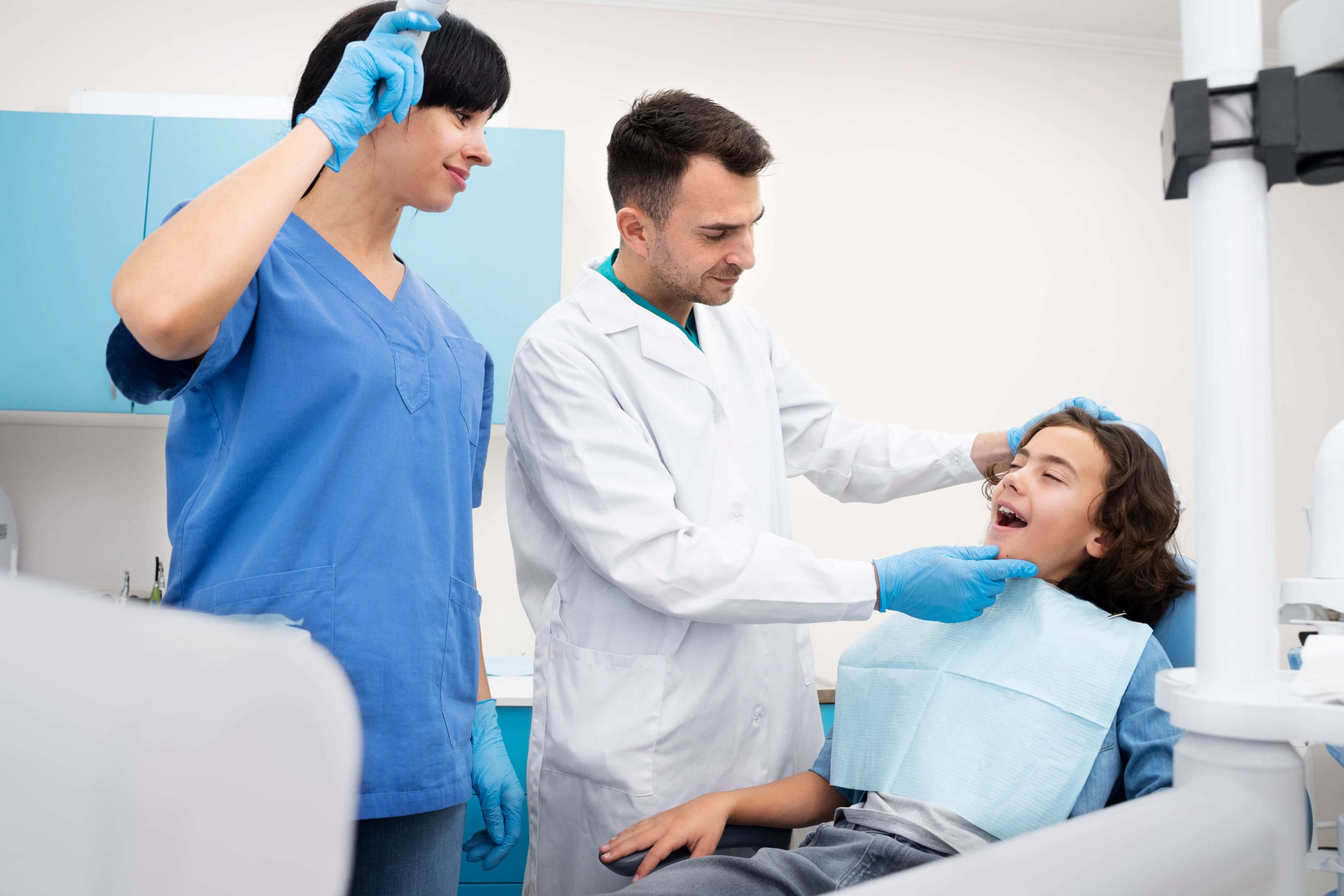
Dental discomfort often begins in a way that feels manageable. A dull ache, sudden sensitivity, or mild gum soreness might seem like something you can wait out. Sometimes it fades. Other times, it progresses into pain that disrupts eating, sleeping, and daily focus.
If you’re unsure whether it’s serious, an emergency biological dentist can assess what’s happening before discomfort builds. Emergency care isn’t only for obvious injuries. It’s also for symptoms that signal inflammation, infection, or structural damage that may worsen over time.
Biological emergency dentistry adds another layer to urgent care.
The goal is still fast relief and stability, but the approach often includes conservative planning, careful material selection, and support for healthier tissue response.
What an Emergency Biological Dentist Means in Simple Terms
An emergency biological dentist provides urgent dental care while following a biological or holistic approach to dentistry. In simple terms, that usually means the dentist focuses on stabilizing the problem quickly while also considering:
- the health of the surrounding tissues
- how materials interact with the body
- how to preserve tooth structure when possible
- supportive techniques that reduce unnecessary chemical exposure
Emergency dentistry still relies on modern diagnostics and evidence-based care. The difference lies in the added emphasis on biocompatibility and thoughtful planning, even when time is short.
When to Call Instead of Waiting It Out
Some symptoms come with obvious warning signs. Others start mildly and become disruptive later. These are the situations where calling sooner is often the better decision.
Persistent Tooth Pain That Doesn’t Ease
Pain that keeps returning is rarely random. It may reflect pressure, inflammation, or irritation inside the tooth or in the surrounding tissues.
Call if you notice:
- pain that returns in the same area repeatedly
- discomfort that worsens with chewing
- throbbing pressure that becomes harder to ignore
- pain that affects sleep or concentration
Even if pain comes and goes, it may still point to a problem that needs attention before it becomes more complex.
Swelling in the Gums, Face, or Jaw
Swelling is one of the clearest signs that waiting may not be worth the risk. Gum swelling near one tooth or facial puffiness can progress quickly.
Call if you have:
- a raised or tender bump on the gums
- swelling along the cheek or jawline
- tissue tightness that feels pressured or sore
- facial tenderness that appears suddenly
Even mild swelling can change rapidly, which is why urgent evaluation matters.
A Cracked or Broken Tooth
Cracks and fractures can behave unpredictably. Some cause immediate pain. Others stay quiet until the tooth becomes more vulnerable or a deeper layer is exposed.
Call if:
- a tooth feels sharp or unstable
- chewing creates sudden pressure pain
- cold sensitivity appears unexpectedly
- you notice a visible crack line
Getting ahead of a crack can reduce the chance of the tooth breaking further.
A Lost Filling or Loose Crown
A lost filling can feel minor if pain hasn’t started yet. Still, the tooth underneath may be exposed to bacteria, temperature changes, and chewing pressure.
Call if:
- a filling fell out, and the tooth feels hollow
- cold drinks cause sharp discomfort
- food gets trapped repeatedly in the space
- a crown shifts or feels unstable
Early stabilization helps protect the tooth until a long-term restoration is placed.

Pain That Worsens at Night
Nighttime dental pain is common and often more intense. Lying down can increase pressure around inflamed tissues, making symptoms harder to ignore.
Call if you notice:
- pulsing pain that spikes at night
- pressure that radiates into the jaw or ear
- discomfort that prevents sleep
- pain that doesn’t settle with basic home care
If pain is keeping you awake, that is a clear sign it deserves prompt attention.
Why Some People Prefer Biological Care During Dental Emergencies
Urgent dental care needs to be quick and clear. A biological approach still focuses on relief but often pays closer attention to how that relief is delivered.
Biocompatible Materials Still Matter
Emergency visits sometimes involve repairing a filling, restoring a damaged area, or planning the next steps. Biological dentistry often prioritizes materials chosen for compatibility, including metal-free options when appropriate.
This can matter for patients who:
- prefer mercury-free dentistry
- have sensitivities to certain materials
- want choices that align with a holistic philosophy
Even in urgent situations, many patients appreciate knowing their care plan reflects long-term comfort, not just short-term relief.
Supportive Techniques That Help Maintain Tissue Health
Some holistic dental practices use ozone dentistry as a supportive method during certain procedures. Ozone can help create a cleaner oral environment and may support tissue comfort as part of a broader approach to infection control.
It’s important to frame ozone properly. It is not a one-step answer for every emergency. Instead, it may be one tool used alongside exams, imaging, and treatment planning, depending on what the dentist finds.
Thoughtful Planning Instead of Rushed Decisions
Emergency care is about stabilizing the situation. It doesn’t always require immediate aggressive steps. Biological emergency dentistry often supports careful decision-making, including:
- preserving healthy tooth structure where possible
- minimizing unnecessary tissue trauma
- planning restorative steps in a measured way
For many patients, this style of care feels calmer, even when symptoms are urgent.
What to Do While Waiting for Your Appointment
If you are waiting to be seen, the goal is to protect the tooth and reduce irritation.
Helpful steps
- chew on the opposite side
- choose soft foods
- brush gently around the area
- rinse with warm water if gums feel irritated
Avoid
- poking the area with sharp objects
- chewing through sharp pain
- delaying care if swelling is present
If symptoms escalate quickly, it’s worth calling back rather than waiting.
What Happens at an Emergency Visit
Emergency appointments are focused and efficient. Most visits include:
- reviewing symptoms and how long they’ve been present
- examining the tooth and surrounding tissues
- taking imaging when needed
- stabilizing the tooth or addressing the cause of pain
- outlining next steps clearly
You should leave the appointment with clarity about what happened, what needs attention, and the available options.
Looking for an Emergency Biological Dentist You Can Reach Out to Right Away?
Waiting can feel easier when symptoms are mild or inconsistent, but dental problems can shift quickly. If you have swelling, tooth pain, cracked teeth, or a lost filling, reaching out early can help you stay comfortable and prevent avoidable complications.
Maryland Holistic Dentist provides emergency dental care with a holistic approach, focusing on timely relief, careful evaluation, and treatment planning that prioritizes comfort and biocompatible support. If you need urgent help, scheduling an emergency evaluation can provide answers and stabilize symptoms sooner.
Contact us today to request an emergency appointment and get the support you need without unnecessary delays.