Why Holistic Dentists Take a Different Approach to Root Canal Therapy

For many patients, the idea of a root canal brings up thoughts of discomfort and uncertainty. But not every practice views dental procedures the same way. A dentist in Burtonsville, MD, who follows a holistic approach, sees oral health as deeply connected to overall wellness. Instead of focusing solely on saving a single tooth, holistic dentistry considers how materials, techniques, and long-term outcomes impact the body as a whole.

This philosophy guides the performance of root canal therapy—from the diagnostic stage to the final restoration—using techniques that prioritize both dental and systemic health. Understanding why holistic dentists approach root canals differently can help you make more informed choices about your care.

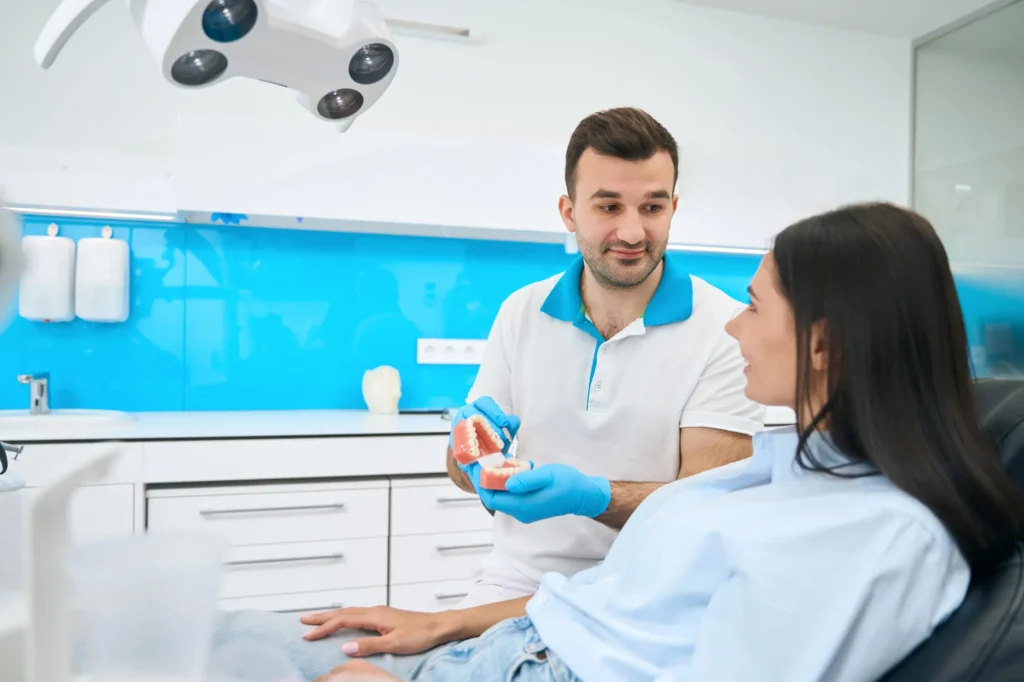
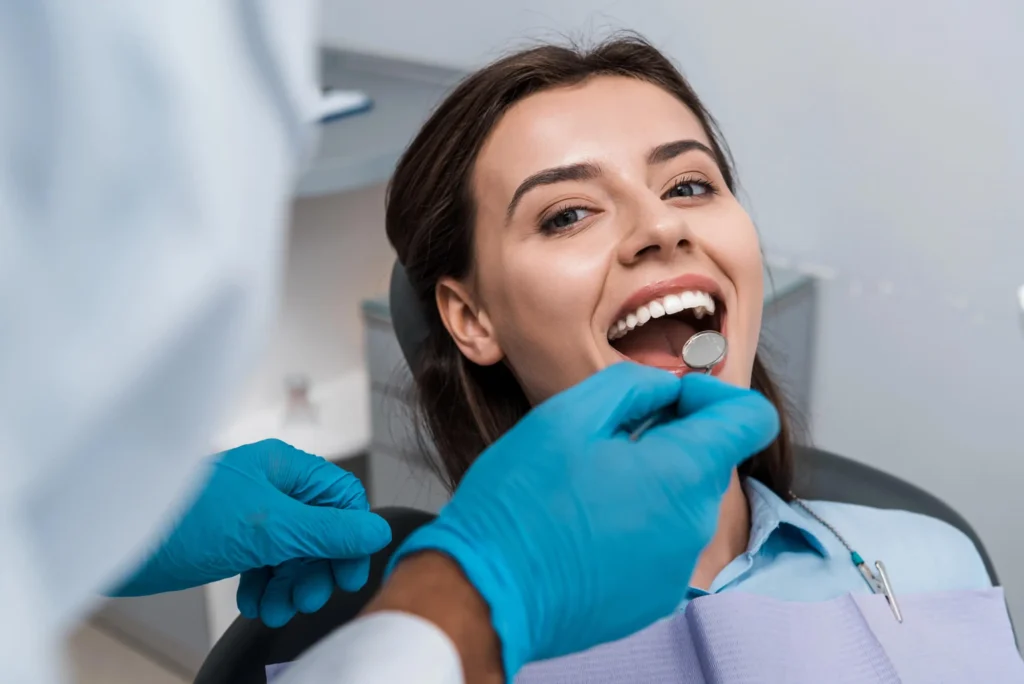
dentist in burtonsville md preparing patient for root canal

The Philosophy Behind Holistic Dentistry

Holistic dentistry is grounded in the belief that the mouth doesn’t function in isolation but is part of an interconnected system that affects digestion, immunity, and overall wellbeing. In this approach, every dental material and procedure is evaluated for its interaction with the body.

Holistic dentists undergo the same education and licensing as traditional practitioners, but they go beyond conventional methods by integrating biocompatible materials, advanced imaging, and minimally toxic treatments. They also consider environmental factors, patient sensitivities, and the body’s natural healing capacity.

This patient-centered perspective means the focus isn’t only on restoring teeth—it’s also about promoting balance throughout the body. When applied to root canal therapy, this results in techniques that support both oral health and general wellness.

Traditional Root Canal Therapy Explained

A traditional root canal is performed to save a tooth with an infected or damaged pulp. The process involves cleaning out the infected tissue inside the tooth, disinfecting the canal with chemical solutions, and sealing it with materials such as gutta-percha.

This method is effective in eliminating local infection and preserving the tooth’s structure. However, traditional approaches often use strong chemical disinfectants and sealing materials that some patients find concerning. While these substances help sterilize the canals, they may not always align with a holistic patient’s preference for minimal chemical exposure.

In addition, the conventional model often treats the tooth as an isolated structure—removing infection without always considering how the materials used or residual bacteria might influence overall health. This difference in perspective is what sets holistic dentistry apart.

How Holistic Dentists Approach Root Canal Therapy Differently

1. Biocompatible Materials

    Holistic dentists use materials that are carefully chosen for their compatibility with the body’s natural chemistry. These are typically metal-free and BPA-free, which reduces the risk of irritation or an immune response. Fillings and sealants may include bioceramics or resin-based materials that support healing and are designed to last without introducing toxins into the body.

    2. Ozone and Laser Technology

      Instead of relying solely on chemical disinfectants, holistic dentists often incorporate ozone therapy and laser-assisted cleaning to sterilize the canals. Ozone gas is known for its strong antimicrobial properties and can penetrate tiny spaces within the tooth, killing bacteria more effectively while preserving healthy tissue. Lasers offer precision cleaning that minimizes trauma and facilitates a faster recovery.

      3. Advanced 3D Imaging

        Holistic practices often utilize cone beam CT (CBCT) scans, which produce detailed 3D images of the teeth and surrounding bone. This technology helps identify hidden infections, root fractures, or bone loss that standard X-rays might miss. By having a complete view of the tooth and jaw, the dentist can plan treatment more precisely, reducing complications and improving long-term results.

        4. Reduced Chemical Exposure

          Traditional root canals often involve sodium hypochlorite, a strong disinfectant. Holistic approaches replace or minimize their use, opting for oxygen-based or herbal rinses that are less aggressive to surrounding tissues. This method helps limit chemical exposure while maintaining effective sterilization.

          5. Whole-Body Consideration

            The biggest distinction is that holistic dentists evaluate how dental infections, materials, and procedures affect the immune system or other organs. They may assess inflammation, nutrition, and stress levels to ensure the body can heal effectively after treatment. This comprehensive view transforms root canal therapy from a purely mechanical procedure into one that supports the body’s natural balance and healing.

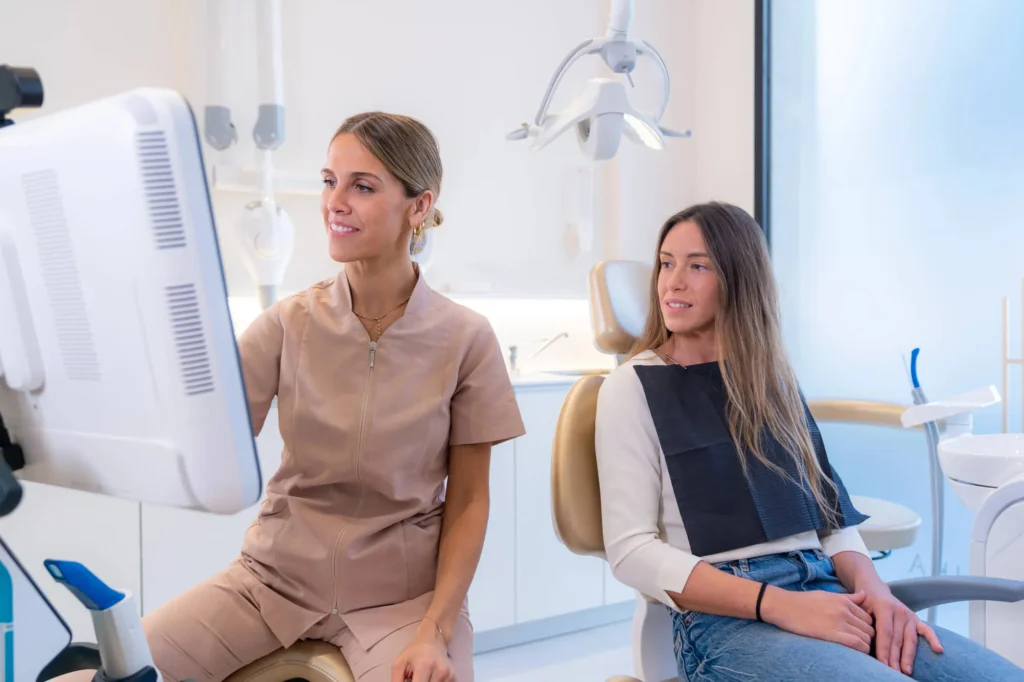
            holistic dentist in burtonsville md

            Alternatives and Preventive Focus

            Before recommending a root canal, holistic dentists carefully evaluate whether it’s truly the best course of action. Sometimes, depending on the extent of infection or damage, tooth extraction followed by replacement with a zirconia implant or a biocompatible bridge might be considered. These materials are metal-free, durable, and designed to integrate naturally with the bone.

            Holistic dental care also emphasizes prevention—addressing the root causes of infection before they become severe. This can include early cavity detection, proper airway management to reduce clenching or grinding, and guidance on diet and oral hygiene. The goal is to create an environment in the mouth that resists infection and supports long-term health.

            Holistic dentists may also collaborate with other healthcare professionals, such as nutritionists or sleep specialists, when broader factors like diet or breathing patterns contribute to recurring dental issues. This integrated care model strengthens the body’s resilience and helps prevent future infections.

            Benefits of the Holistic Approach

            Choosing a holistic dentist for root canal therapy can offer several benefits:

            • Less exposure to harsh chemicals and potential irritants.
            • Improved comfort through advanced, minimally invasive technology.
            • Reduced risk of systemic inflammation due to the use of biocompatible materials.
            • Comprehensive understanding of how oral health connects to overall wellbeing.

            Beyond these advantages, many patients report a greater sense of trust and involvement in their care. Holistic practices encourage open dialogue, giving you space to understand each step of the process. This collaborative relationship builds confidence and empowers patients to make decisions that align with their health values.

            holistic dentist in burtonsville md explaining to patient

            Partner with a Holistic Dentist In Burtonsville, MD, Today

            Holistic dentistry redefines root canal therapy by examining the tooth in the context of the entire body to understand how dental health impacts overall wellbeing. By utilizing biocompatible materials, ozone technology, and a preventive philosophy, this approach provides a more mindful and patient-centered approach to restoring oral health.

            If you’re considering root canal therapy or exploring holistic alternatives, schedule a consultation with an experienced dentist in Burtonsville, MD, who values both your smile and your overall wellbeing. At Maryland Holistic Dentist, your care is guided by science, compassion, and a commitment to your long-term health. Contact us today!

            Advantages of Snap-In Teeth vs Standard Dentures

            If you’re tired of wearing poor fitting dentures or if you need to replace all your teeth with affordable implants, Snap-On dentures may be the way to go. This article look at the key advantages of Snap On dentures compared to regular dentures. For starters Snap-on teeth do not cover the palate. And you never need denture adhesive or glue.

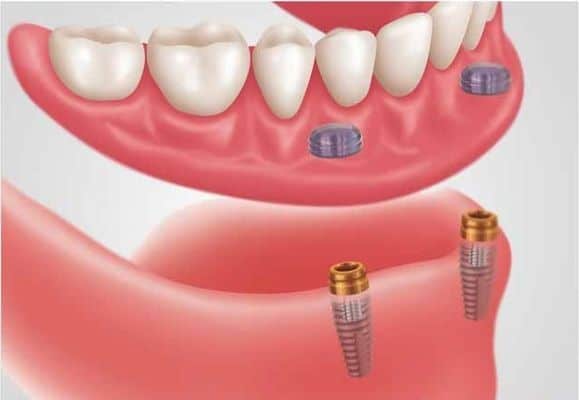
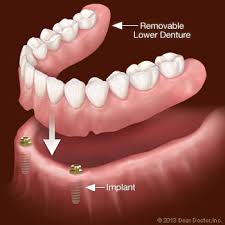
            regular denture vs implant denture

            implant denture vs regular dentures


            Advantages of Snap-On Teeth Compared to Regular Dentures

            1. Better Stability. Implant dentures do not move while eating and will not fall out of the mouth while talking
            2. Less food gets under the snap-in
            3. Less bone loss because some of the lost teeth are replaced with implants. Placing Implants preserves jaw bone.
            4. Better Chewing function
            5. Improved nutrition and diet. Food is properly chewed. Patient absorbs nutrients from the food and does not get constipated.
            6. No more Fixadent or denture glue

            The Benefits of Snap On Teeth

            Implant dentures aka implant over dentures, can be fabricated for either the upper or lower jaws. The advantage of dentures with Implants over conventional dentures is the ability to use the implants as anchors so the dentures do not move during eating or talking. How do denture implant attachments work? Dentures with implants also preserve the bone levels and maintain facial support thereby maintaining a more natural youthful smile. Options for implant dentures include four, five and six implants. The more implants the better the stability of the teeth. Cases with more implants have upgrade options to permanent implants such as full mouth implant bridges. Implant dentures is one example of how to replace a full set of teeth with dental implants

            Different Options to Replace All Teeth with Implants Video:

            Meet Dr. Adams

            Dr Adams sees patients from Maryland, DC, Virginia, across the USA and abroad. Dr. Adams has successfully placed thousands of implants. Dr. Adams can handle cases involving one up to a full mouth of implants. Dr. Adams performs his own implant surgery and fits and places all his own implant teeth.

            dr gary adams

            Dr Gary Adams

            Lower Implant Dentures Need at Least 2 implants but 4 is better:

            The standard number of implants to do implant dentures for the lower jaw is two with two locator attachments stabilizing the denture. In some cases 4 implants and locators may be necessary to stabilize a lower set of teeth. Due to forces exerted by the tongue and cheeks during speaking or swallowing, a lower denture without implants is far more likely to come out while eating and talking. By contrast, dentures locked into implant attachments rarely come out during normal chewing, talking and daily activity.

            Full Upper Set of Teeth Can be Replaced with 4 Implants

            As many as six implants can be placed in the lower jaw, depending on the patients needs. As the number of implants increases, so does the stability of the denture, in addition to decreasing the amount of denture material in the patients mouth. With between four and six Dental Implants for the lower jaw, the patient has the options of a denture that is fixed into place full time or one that is stable during the day and removed at night. Another considerable permanent option with 4 or more implants is the All on 4 full arch implant bridge which can replace a full set of upper and lower teeth permanently with as few as 4 implants per jaw.

            Upper Snap-On Teeth Needs 4 Implants

            Similar options for the upper jaw are also available. Two implants for the upper jaw will dramatically improve the stability of an upper denture during function. It can be life changing for quality of life. When a patient opts for upper an upper denture that is retained by either four to six implants (depending on the clinical need), the area of the upper denture that covers the roof of the mouth can be removed from the denture. The main advantage being increased taste and a less bulky feel to the denture. Again, the implants provide stability for the new teeth so that the denture does not come out during speaking or eating.

            Snap-In is the Least expensive Full Mouth Implant Technique

            Implant over dentures offer the best increase to quality of life for people struggling with loose teeth falling out.  People with existing dentures that no longer stay in properly, and people are loosing bone with failing teeth. By utilizing implants for dentures, the patients bone is preserved, the facial proportions and dimensions are preserved (bringing a more natural and youthful look). Stabile teeth improves the ability to eat and speak properly (without worry of the dentures popping out).

            The easiest way to determine if Implant Dentures are right for you is to come into the office for a complimentary exam to discuss your options with one of our excellent dental implant dentists.

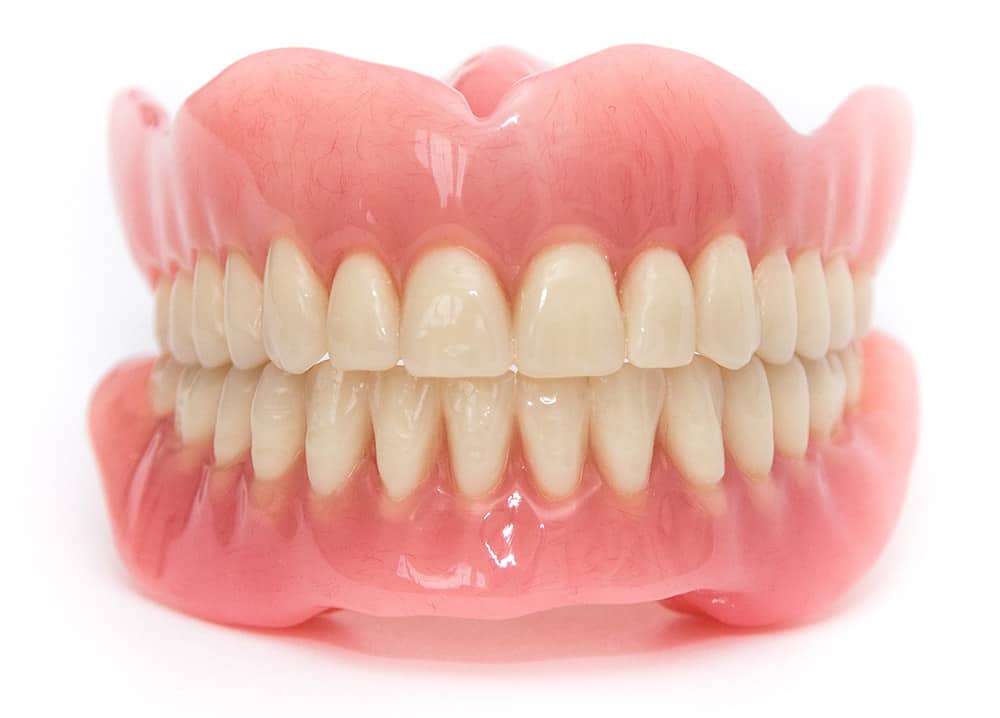
            dentures and false teeth

            Regular dentures

            Advantages of Regular Dentures Compared to Snap On Teeth:

            1. Cost effective. Dentures are not expensive compared to implant tooth replacement options
            2. Can be made quickly and delivered the day of tooth removal.
            3. A great temporary option while implants are healing.
            4. Easing to refit after gum and bone healing.
            5. Look very good cosmetically because they can replace lost gum tissue and teeth.

            Disadvantages of Regular Dentures:

            1. Thick and uncomfortable. Feels uncomfortable. Like you have a mouth full of plastic.
            2. Cannot be used in the event of a gag reflex. The denture will press on the roof of the mouth and cause the patient to gag.
            3. Can interfere with tasting food due to tongue interference and palatal coverage with acrylic plastic.
            4. Not tolerated by people with small mouths
            5. Not a good solution for people with sleep apnea because it takes up space in the mouth and can further close the upper airway.

            Is there Pain During Dental Implant Procedures?

            Does Dental Implant Surgery Cause Pain

            Dental Implant Surgery is not a painful process.

            The patient is given a local anesthetic prior to the start of Dental Implant placement so the patient does not feel pain during the procedure. For patients who are nervous or apprehensive, laughing gas (nitrous oxide), Oral Sedation Dentistry, and in more severe cases IV sedation dentistry can be utilized. In general, the Dental Implant placement does not take longer than fifteen – thirty minutes for the vast majority of cases, and most patients do not require Sedation Dentistry.

            The local anesthesia continues to keep the patient comfortable for about two hours after the Dental Implant placement. The patient is encouraged to begin their medication prior to the anesthesia wearing off for a more comfortable rest of the day. Patients can expect to feel a slight dull ache for a day or two, which can be minimized with a cold compresses the same night of the dental implant surgery. Most patients who have Dental Implant Surgery, go to work the very same day, and day after the surgery. Your Implant Dentist will prescribe the appropriate medications to keep you comfortable before, during and after the procedure.

            all on 4 dental implant

            zirconia full arch implants 3

            Permanent Implant Dentures vs Semi Permanent Implant Dentures

            Permanent Implant Dentures are more Stable than Semi Permanent Dentures

            When speaking about the types of Dental Implant Dentures, there is a distinction between Permanent Implant Dentures and Semi-Permanent Removable Implant Dentures. Semi Permanent Implant Dentures are also called Implant Dentures or Locator Dentures. Both Permanent Implant Dentures and Removable Implant Dentures, can be utilized for replacement teeth in either the upper or lower jaw. Semi Permanent Dentures are also called Implant Dentures or Dentures with Implants.

            Permanent Implant Dentures most closely resemble natural teeth. These Fixed Dentures are permanently secured to four to six Dental Implants via a laboratory fabricated precision metal under-casting. A minimal amount of denture material is used to replicate the look of the gum tissue. This type of permanent denture allows for maximal space for the patients tongue. The advantage of choosing to replace teeth with a Permanent Implant Denture is the patient does not have to remove their teeth at night and there is virtually no chance of the denture dislodging during speaking or eating. The only drawback to this type of tooth replacement is the price, generally this the most expensive treatment option due to the amount of laboratory work required. Having said that, the patient never has to worry about taking their teeth out at night and maintenance required involves coming to their dentist every three – six months to have the Permanent Implant Dentures are also called All on 4 Dental Implants.

            By contrast, removable Semi-Permanent Implant Dentures are a fantastic treatment option for patients looking to replace their teeth in either the upper or lower jaws. Removable Implant Dentures have the added advantage of securing to multiple Dental Implants, making them incredibly difficult to dislodge during speaking and eating. They are generally less expensive that Permanent Implant Dentures, due to less laboratory work required. Removable Implant Dentures have attachments built  into the denture that function like a ball and socket joint. The Implant Dentures clip into place and their strength can be adjusted based on the patients needs. Semi-Permanent Implant Dentures must be removed at night in order for proper cleaning and the attachments should be checked by your dentist every nine to twelve months.

            Both Permanent Implant Dentures and removable Semi-Permanent Implant Dentures are great options for patients who struggle with loose or ill fitting dentures, or patients who are looking to restore their mouths without worry of dentures that fly out when eating or speaking. Stop by our office for your complimentary consultation with one of our expert dentists to see if either Permanent Implant Dentures or Semi-Permanent Removable Dentures are right for you.

            What is Bone Graft Surgery for Teeth Implants?

            What is Bone Graft Surgery?

            Bone graft surgery is a procedure to help bone grow or heal where there is bone damage or deficiency. Bone grafting is sometimes called guided tissue regeneration. Whether or not you need bone grafting for dental implants and extractions comes down to many factors.

            dental implants bone loss

            sinking face

            Bone Grafting may be Needed in the Following Situations:

            1. Teeth Extraction sites to help bone grow back properly into the bony socket. Also called socket preservation. Socket preservation helps prevent long term bone loss, and helps grow bone for dental implants to be placed where teeth have been extracted.
            2. Infections caused by failed Root Canals
            3. Implant surgery to help grow bone around implants. Especially helps grow bone when implants are placed at the same time as tooth removal. This is very common when doing full mouth implant cases where several teeth are being removed and implants are being placed at the same time
            4. Grow bone in areas where there is not enough bone for implants
            5. Grow bone to improve gum health and cosmetics around existing teeth and implants.
            6. Wisdom teeth extraction sites
            7. Grow bone in atrophied sinuses

            How is Bone Grafting done with Dental Implant Surgery?

            The most common reason to perform bone graft procedures is for dental implant surgery. There are two categories: The first is placing the bone graft where implants are done after a healing period. That is bone graft surgery and delayed dental implant placement. This kind of bone graft is considered pre-surgical ridge augmentation. Generally, this is done when the area to be grafted has had an extensive infection which has destroyed the native bone and compromised the success of placing a dental implant. In this situation, the infected area is cleaned, and new bone is added (this acts as a scaffold to allow the persons body to replace it with their own natural bone). The site is revisited for implant surgery after 3-6 months of healing.

            block bone graft

            bone grafting implants

            Bone Loss Occurs After Tooth Loss

            In the absence of infection, the area can undergo bone loss simply based off of time without a tooth present. The teeth hold the bone levels and without a tooth present, the jaw bones can become atrophied over time. In this event, pre-surgical ridge augmentation or bone graft surgery may be necessary prior to getting dental implants, as described above.

            Immediate Implant Surgery Often Requires Bone Grafting

            The second kind of bone graft surgery is when the bone graft is done at the time of implant placement. This type of bone graft is usually done when the site is 75% of the way intact, but with only one portion of the bone in question. The implant is placed and bone graft is added to the area similarly to the way potting soil is added when re-potting a plant. The newly added bone heals around the dental implant and the original defect is repaired.

            What Are the Different Ways to Do Dental Implant Surgery?

            Same Day Immediate Implant vs After Grafting and Healing

            By Dr. Gary Adams who has successfully done thousands of dental implants in Burtonsville near Silver Spring, Clarksville and Columbia Maryland. Dr Adams does single implants and full mouth dental implant surgery.

            Gary Adams DDS Holistic Dentist

            dr gary adams

            Single tooth replacement with a Dental Implant procedure can be in one of two Different Ways:

            What is Immediate Dental Implant Surgery:

            Immediate implant is where a bad tooth is taken out and an implant is put into the jawbone on the same day. The situation is where there is a bad tooth (the one that needs to be removed) is currently occupying the space where a tooth replacement needs to go. This is opposed to where there is no tooth present and a new tooth is desired.

            Immediate implants is often done when replacing a full set of teeth with implants. A full upper or lower set of teeth can be replace with implants in different ways. Some implant teeth are permanent and others such as implant dentures are removable teeth. The implant surgeon will remove all the bad teeth, put in new implants and do any necessary bone grafting at the same time. Usually, the dentist puts in a new set of teeth that the patient will use during the healing period.

            same day implant

            immediate dental implant

            What is the advantage of immediate implant surgery?

            1. Save time
            2. Only get one surgical procedure when a tooth is removed and an implant is done during the same procedure.
            3. Better gum and bone healing – gum tissue and bone tissue do not collapse into an extraction site when implant surgery is done with tooth extraction
            4. Better gum and bone healing – the body is ready to heal when a tooth is removed. The healing is typically better and can be stronger when a implant is done with the extraction.
            5. Better cosmetic and more natural looking results. If gum and bone are not lost, a tooth implant looks more like a natural tooth with proper gum proportions around the tooth.
            6. Shorter time without a tooth. How long would you want to go without your front tooth? Or any tooth for that matter?

            For cases of Dental Anxiety it may be necessary to have sedation dentistry, but it is not required.  We offer IV sedation. Anesthesia can be achieved with a local anesthesia just like what is used for a dental filling.  Laughing gas aka NO2 can also be used as a twilight sedative for implant surgery.

            Delayed Dental Implant Surgery vs Immediate

            In the event the dental implant is unable to be placed, due to lack of bone support or a large jaw infection, sometimes the proper clinical decision is to do a bone graft, let the body heal and “delay” the implant surgery to a later date. In some cases a healing period may be necessary to achieve optimal results. In general, the body can take up to 6 months for this to happen, although it is often times a shorter wait.

            Delayed placement, or placing an implant where there is currently no tooth, is a usually a straight-forward procedure.

            How Long does it Take to get a tooth replaced with Dental Implants?

            1. The first appointment for a dental implant, whether taking the tooth out and placing the implant or simply placing the implant can be conceptualized as replacing the root of the tooth first. The body is allowed to heal for roughly 2-3 months.
            2. During the second appointment, an impression of the surrounding teeth and gums in addition to the dental implant is taken for the lab to craft a new crown (the portion of the tooth one sees.) This appointment does not require dental anesthesia.
            3. The third and final appointment, roughly 1-2 weeks later, the final dental implant crown is delivered to the patient along with a connector called an abutment. The patient’s bite is checked and the esthetics are verified. Some minor adjustments may be necessary but in general, no dental anesthesia is required.

            There are also other varieties of the dental implant procedure for other scenarios including replacing multiple teeth at a time or using implants to secure dentures.

            Other Popular Blog Posts:

            Other popular pages:

            Call Now Button