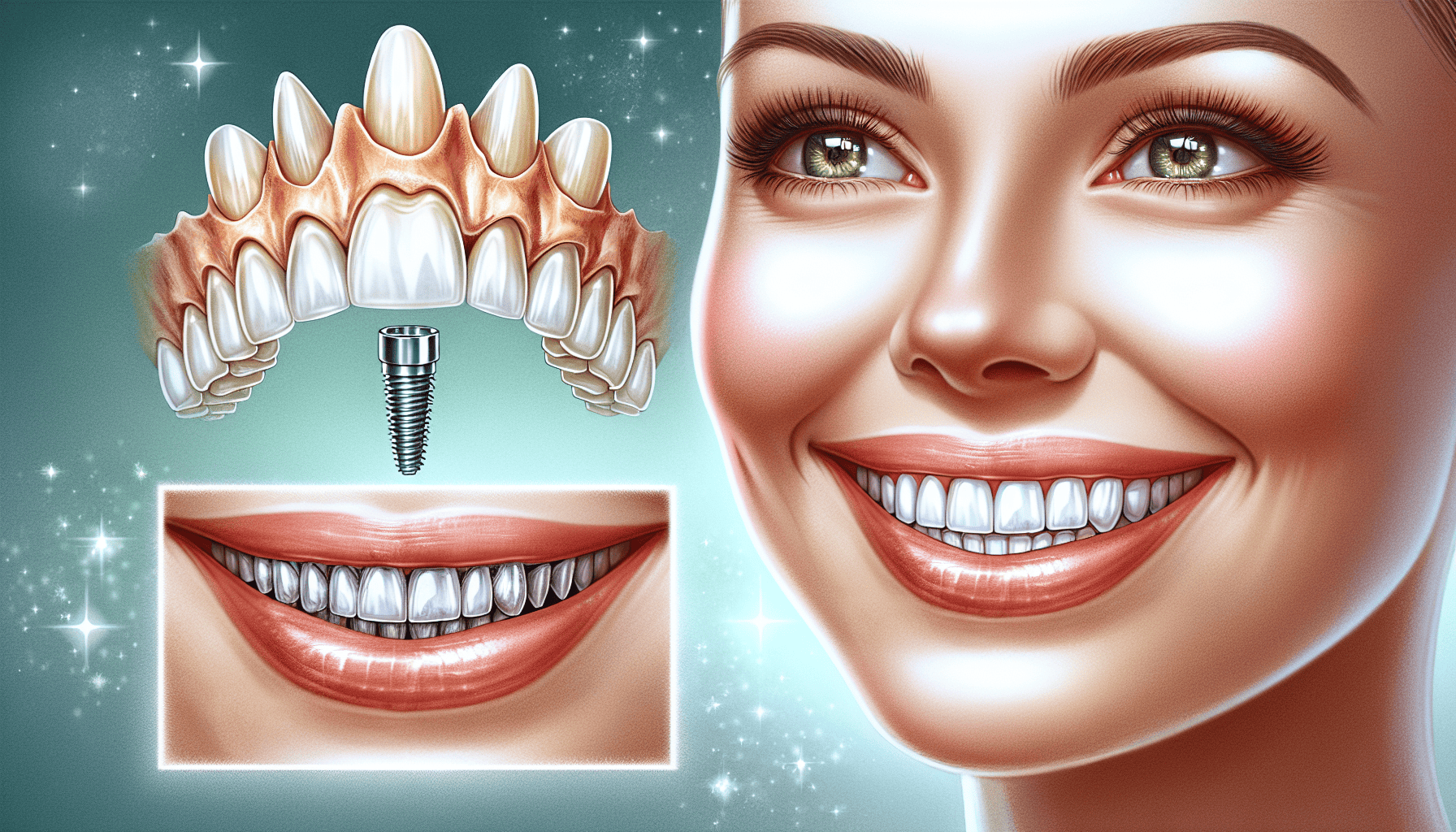
Common Misconceptions About Dental Implants in Holistic Practices

Many people hesitate to replace missing teeth because they’ve heard conflicting opinions about implants, especially in holistic care. Are they safe? Do they contain metal? Can they affect overall health? For anyone considering dental implants in Montgomery County, understanding the facts can bring reassurance. Holistic dentistry focuses on restoring comfort and function while supporting the body’s balance with safe materials and mindful techniques that promote lasting wellness.
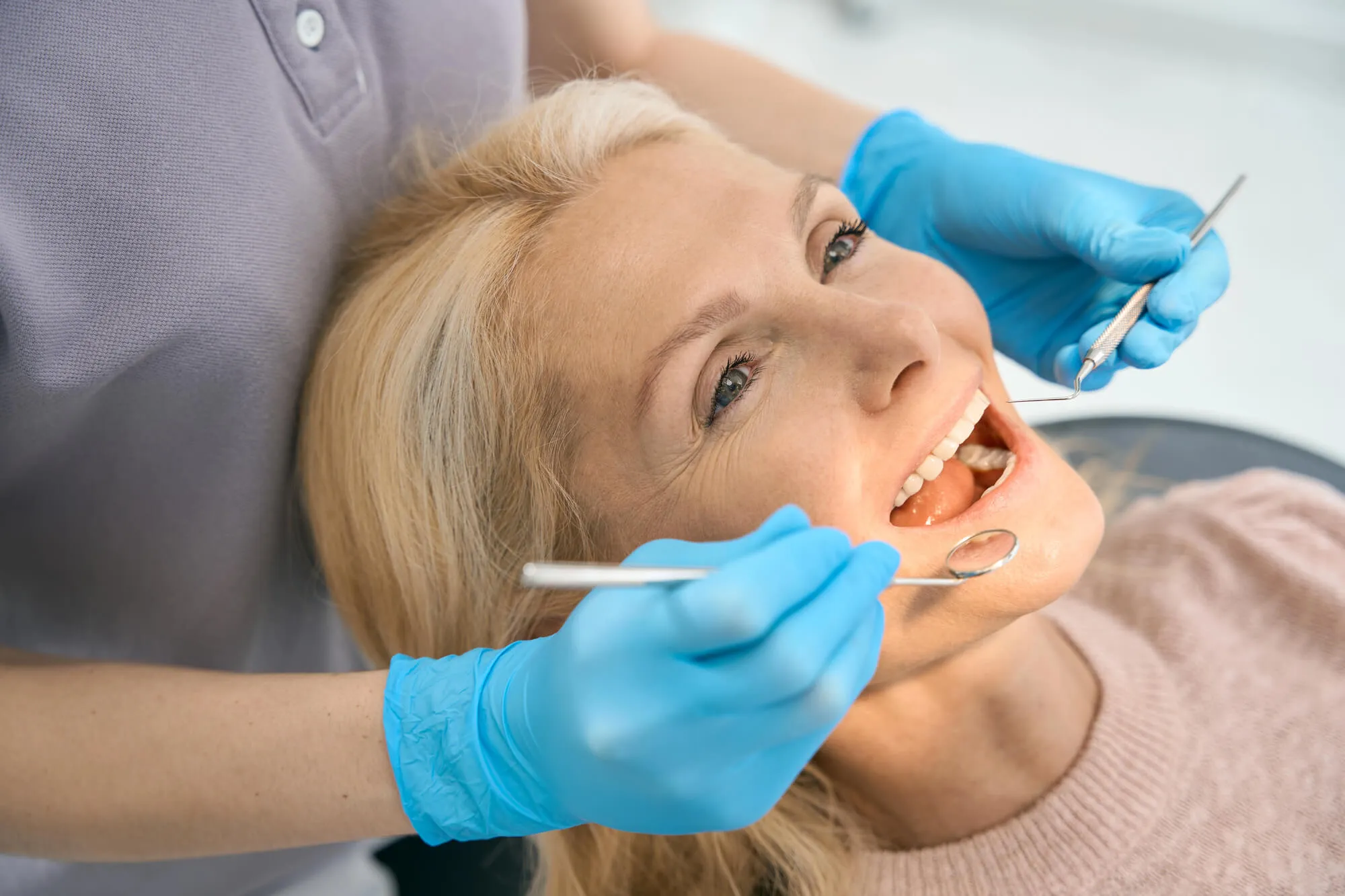
woman with Dental implants Montgomery County

The Truth About Dental Implants in Holistic Dentistry

What Are Dental Implants, Really?

Dental implants are artificial tooth roots that support crowns, bridges, or dentures, restoring both appearance and function. Traditional implants are made from titanium, a durable metal that integrates well with bone.

In holistic dentistry, the emphasis shifts toward biocompatibility, using materials that work in harmony with the body. Many practices now use zirconia implants, a nonmetal ceramic known for its strength, aesthetics, and compatibility with soft tissues.

Zirconia implants provide the same stability as titanium while avoiding corrosion or potential sensitivities. For people with allergies, autoimmune conditions, or concerns about metal exposure, these implants offer a natural and body-friendly alternative.

Misconception #1: All Dental Implants Are Made of Metal

A common myth is that all dental implants contain metal. While traditional titanium implants remain popular, holistic dentistry offers metal-free alternatives.

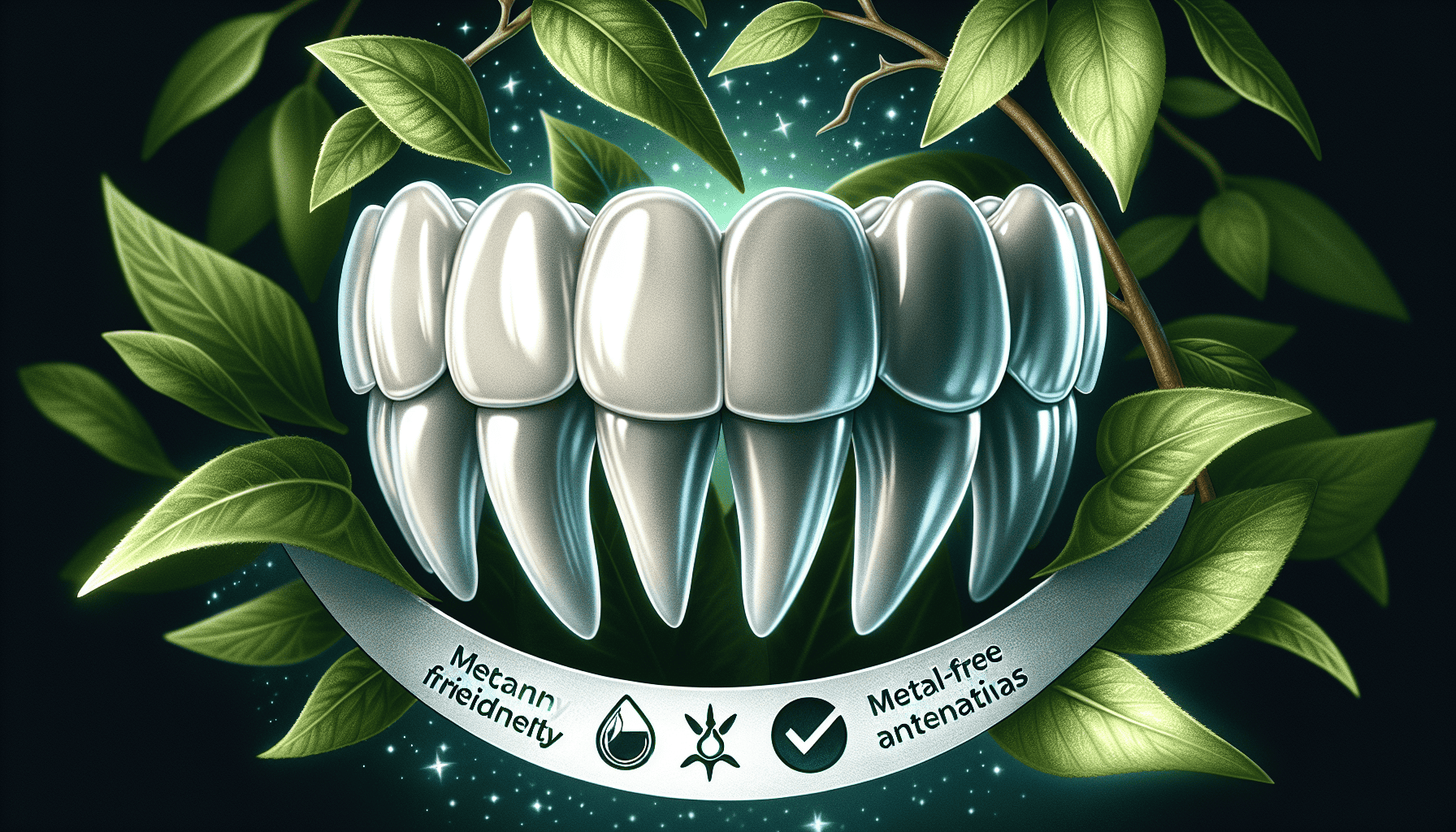
Zirconia implants are made from medical-grade ceramic that integrates seamlessly with bone. They don’t conduct heat or electricity and don’t corrode over time. Their tooth-colored design also enhances aesthetics by preventing dark lines near the gumline.

For patients who prefer a natural option, zirconia implants combine durability, comfort, and compatibility with the body’s chemistry.

Misconception #2: Dental Implants Interfere with Overall Health

Some worry that implants may disrupt the body’s natural energy flow or contribute to inflammation. In holistic dentistry, safety is a top priority. Each patient’s health profile, sensitivities, and immune status are carefully reviewed before treatment begins.

Zirconia implants are bioinert, meaning they don’t release ions or trigger inflammatory responses. Their smooth surface resists bacterial buildup, protecting gum tissue and bone stability.

When placed precisely and supported by biocompatible care, implants not only restore function but also support long-term balance and wellness.

Misconception #3: Implant Procedures Are Painful or Require Long Recovery

Modern technology has transformed implant procedures into a more comfortable experience than many expect. With advanced imaging, ozone therapy, and minimally invasive techniques, most patients report mild discomfort and quick recovery.

Holistic practices often integrate ozone and laser technology to disinfect tissues, reduce inflammation, and promote natural healing. These methods encourage tissue regeneration without relying on harsh chemicals.

Recovery times vary depending on bone health and healing capacity, but many people return to normal activities within a few days. The combination of precision technology and holistic post-care creates a smooth and predictable process.

Misconception #4: Holistic Dentists Avoid Implants Entirely

It’s a common assumption that holistic practitioners reject implant therapy. In truth, they often recommend implants as a healthier long-term alternative to bridges or dentures.

The distinction lies in how implants are planned and placed. Holistic care considers the entire body, ensuring that airway alignment, jaw function, and systemic health are evaluated before any procedure.

Biological protocols such as ozone disinfection, platelet-rich fibrin (PRF) therapy, and metal-free restorations align dental treatments with the body’s natural healing processes. The goal isn’t just to replace a missing tooth—it’s to restore comfort, balance, and lasting health.

Misconception #5: Implants Don’t Last as Long as Natural Teeth

Some believe dental implants are temporary. In reality, when planned carefully and maintained properly, they can last decades. Zirconia is exceptionally strong and resistant to bacterial adhesion, reducing the risk of gum irritation and bone loss.

Preventive maintenance, such as regular hygiene visits, personalized cleanings, and mindful home care, further extends implant longevity. Because holistic practices focus on prevention, patients are empowered to protect their investment through education and consistent care habits.

Why Holistic Practices Approach Implants Differently

Comprehensive Diagnostics and Planning

Holistic dentistry combines advanced technology with a full-body perspective. 3D cone beam CT scans allow dentists to visualize bone density, nerve pathways, and sinus positioning before placing an implant. This precision reduces complications and ensures a natural, functional outcome.

Beyond anatomy, holistic evaluations consider how dental health connects to digestion, posture, and even breathing patterns, reinforcing that oral health never exists in isolation.

Biocompatible Materials and Safe Techniques

Holistic implant procedures rely on materials and methods that protect the body’s integrity while promoting natural healing. Every product and process is carefully chosen to support biological harmony rather than disrupt it.

  • Zirconia implants are completely metal-free and compatible with bone and soft tissue, reducing the risk of corrosion, sensitivity, or immune reactions.
  • Ozone therapy is used for sterilization and healing, eliminating harmful bacteria while stimulating the body’s natural repair mechanisms.
  • Laser disinfection targets microorganisms gently and effectively, minimizing the need for harsh chemicals or antibiotics.

These modern techniques create a cleaner, healthier environment for implant placement. By prioritizing non-toxic, biocompatible materials, holistic dentists reduce inflammation, speed recovery, and help the body accept the restoration naturally. The result is dental care that’s not only functional and long-lasting but also aligned with whole-body wellness.

Whole-Body Wellness Through Dental Care

Every step of holistic implant treatment reflects a respect for the body’s natural systems. Pretreatment assessments ensure compatibility, while aftercare focuses on healing through proper nutrition, hydration, and stress management.

By aligning modern implant technology with holistic principles, patients experience results that restore confidence, comfort, and well-being while supporting the body’s natural equilibrium.

Benefits of Choosing a Holistic Approach to Implants

  • Non-toxic materials: Avoids metals and chemicals that may disrupt biological balance.
  • Natural appearance: Tooth-colored restorations for a lifelike smile.
  • Improved comfort: Smooth surfaces prevent irritation and inflammation.
  • Safer healing: Biocompatible methods enhance recovery and reduce risk.
  • Systemic harmony: Every step supports the body’s interconnected health.

This approach merges science with mindfulness, ensuring that restoring a smile never compromises overall wellness.

man just got Dental implants Montgomery County

Choosing the Right Provider for Dental Implants in Montgomery County

Finding a dental team that understands both oral and overall health makes all the difference. A holistic dentist values precision, prevention, and patient comfort, integrating safe materials and evidence-based technology to create lasting results.

When evaluating options, look for practitioners who use 3D imaging, metal-free implants, and ozone protocols. These methods not only improve success rates but also align with natural healing.

At Maryland Holistic Dentist, every implant treatment is guided by science, compassion, and respect for your biological balance. Schedule your consultation today and experience metal-free, biocompatible dentistry designed for a stronger smile and a healthier life.
Biological dentist in Maryland

When you search for a “biological dentist near me,” you’re likely seeking a dental professional who prioritizes your overall health as much as your oral health. But what does a biological dentist do differently, and how can their holistic approach transform your dental visit? At Maryland Holistic Dentist we uses materials and treatments that are in harmony with your body’s natural processes, offering a forward-thinking approach to dental care. Holistic dentists who use dental PRF, ozone and biocompatible materials.

holistic dentistry

Benefits of Biological Dentistry

  • Biological dentistry prioritizes whole-body health by using biocompatible materials, employing minimally invasive practices, and viewing oral health as integral to general well-being.
  • Biocompatibility testing, like the Clifford and MELISA tests, is crucial in biological dentistry to ensure that dental materials are safe and non-toxic for each individual’s unique biology.
  • Biological dentistry differs from traditional dentistry by focusing on root causes of dental issues, integrating nutrition and lifestyle into treatment plans, and offering stress-free and holistic patient care.

How Biological Dentistry is Different Video

Exploring the Core of Biological Dentistry

Imagine a field of dentistry that not only focuses on your oral health but also prioritizes your overall well-being. This is the essence of biological dentistry. Biological dentists are like guardians of health, using biocompatible materials such as ceramic and BPA-free substances in treatments, while steering clear of metals.

The holistic dentistry approach views oral health as a window to your overall health, aiming to optimize both for a balanced and vibrant existence. The focus is on:

  • Minimally invasive practices to conserve tooth structure
  • Eliminating toxins from the mouth such as safe removal of mercury in amalgam fillings
  • Treating infections present in the mouth such as failed root canals, cavitations and periodontal disease
  • Diagnosing airway and TMJ problems that can cause poor sleep and head and neck pain
  • Reducing surgical interventions
  • Ensuring that your body is subjected to as little trauma as possible.

The Philosophy of Biological Dentists

In the realm of biological dentistry, every patient is unique, and their dental care should be too. This philosophy is reflected in the patient-centered approach, where each individual’s treatment plan takes into account their unique oral and systemic health. The intrinsic connection between oral health and overall well-being is acknowledged, paving the way for a holistic approach to patient care that transcends the confines of traditional dentistry.

An integral part of biological dental care is educating patients about the mouth-body connection, including the importance of a dental examination. This means stressing the importance of maintaining overall health for optimal dental care and vice versa. It’s a philosophy that goes beyond treating symptoms, aiming to empower patients with the knowledge to take charge of their health.

Biological Dentists: Guardians of Your Whole Body Health

Biological dentists wear many hats. Adult and pediatric holistic dentistry. There are many benefits to biological and holistic dentistry. Not only do they cater to your oral health, but they also take into account your physical, emotional, and energetic aspects to provide dental care that does no harm. This holistic approach is what sets biological dentists apart from traditional dentists.

Inflammation from poor oral health conditions like periodontal disease can lead to systemic health issues like cardiovascular degeneration due to toxins entering the bloodstream. Biological dentists are proactive in identifying and addressing such issues, working hand in hand with other healthcare professionals to perform screenings for systemic health conditions during dental appointments.

Moreover, biological dentists are committed to using mercury-free dental materials. This is particularly crucial for the health of pregnant women and the development of their babies’ brains and neurological systems. By choosing a holistic dentist, you’re opting for a guardian of your whole body health.

The Role of Biocompatibility Testing in Personalized Dental Care

In the world of biological dentistry, one size does not fit all. This is where biocompatibility testing comes in. These tests ensure that biocompatible dental materials used do not cause toxicity or adverse reactions, tailored to an individual’s unique biological makeup.

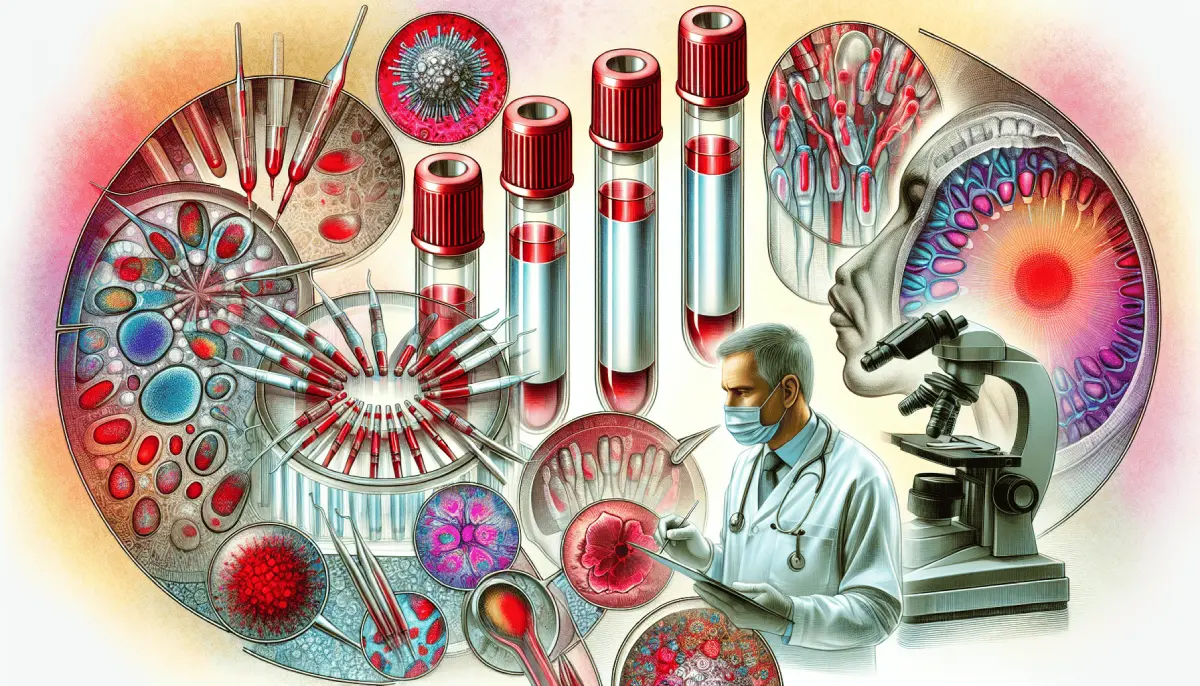
Two specialized blood tests, the Clifford biocompatibility test and the MELISA test, are used to identify individual sensitivities to various dental materials. The Clifford test provides a list of suitable materials for a patient’s dental care by detecting antibodies that signal sensitivities, while the MELISA test is specifically used to detect delayed hypersensitivity to metals such as gold and titanium.

Patients with metal sensitivities or allergies may find metal-free fillings, such as those made from composite resin, a suitable and biocompatible option as indicated by the test results.

biocompatibility testing in dental care

Mercury-Free and Metal-Free Restorations: A Safer Approach to Dental Health

Biological dentists take a safer approach to dental health, offering:

  • Mercury-free and metal-free restorations
  • Strict protocols for the removal of amalgam fillings to prevent mercury exposure
  • Mercury level testing to distinguish between different forms of mercury in the body
  • Biocompatible materials, like porcelain, that are safe and aim to reduce the patient’s toxic load
  • A safe treatment environment
mercury-free and metal-free dental restorations

These mercury-free and metal-free restorations have several benefits:

  • They closely resemble natural tooth appearance
  • They can be stained to match other teeth
  • They enhance the tooth’s strength by bonding to the existing tooth structure
  • They prevent leakage and offer an environmentally friendly alternative to amalgam

Biological dentists use these fillings to repair microfractures, preventing further decay and protecting against systemic diseases.

Advanced Treatments Offered by Biological Dentists

Biological dentistry is not just about using safe materials but also about embracing advanced treatments. Biological dental offices are equipped with modern technologies such as:

These advanced treatments enable biological dentists to provide safer and more effective dental care.

treatments by biological dentists

Ozone Therapy: Harnessing Nature’s Disinfectant

One such advanced treatment is ozone therapy, a natural and non-invasive therapy used to address various dental issues. An ozone generator machine turns oxygen molecules into ozone gas, which is then applied to dental issues, effectively oxidizing and eliminating harmful microbes.

Ozone therapy acts as a powerful antimicrobial agent, treating gum disease and oral infections using water and oxygen. The ozone gas can penetrate areas below the gum line where disinfectants or antibiotics cannot reach, effectively killing pathogens and decreasing tooth sensitivity without invasive procedures. It’s nature’s disinfectant, harnessed for your dental health.

Ceramic Implants: The Biocompatible Choice for Replacing Missing Teeth

When it comes to replacing missing teeth, ceramic implants are a popular choice due to their biocompatibility and aesthetic appeal. Patients like Ron Cummings report magnificent results with these implants, highlighting their compatibility with the body and their natural look.

The ceramic implant procedure involves implantation followed by a crown, offering a high-quality solution to replace missing teeth and enhancing the patient’s smile and confidence. Ceramic implants are also know as zirconia dental implants.

ceramic implants as a biocompatible choice

Biological Dentistry Addresses the Root Causes of Dental Problems

Unlike traditional dentistry, which primarily addresses oral symptoms as they occur, biological dentistry takes a more comprehensive approach. It focuses on investigating and determining the root cause of dental issues, rather than merely addressing the surface symptoms.

This approach to dentistry is anchored in a philosophy that stresses the use of non-toxic materials and the elimination of diseases and infections at their source. In essence, it’s not about just patching up the problem; it’s about digging deep to find the root cause and addressing that, all while considering the treatments’ impacts on the body’s overall health.

Integrating Nutrition and Lifestyle into Dental Health Plans

Biological dentistry is more than just dental procedures; it’s a lifestyle. Biological dentists integrate holistic principles in dental care by focusing on both the treatment and prevention of diseases, emphasizing nutritional counseling and lifestyle adjustments to enhance overall well-being.

Dietary patterns like the Mediterranean and plant-based diets are incorporated into dental health plans due to their efficacy in lowering the risk of inflammatory diseases. Nutritional counseling is used as an intervention strategy for oral health problems, including the promotion of micronutrient-rich diets to mitigate the risk of oral cancers. This integration of nutrition and lifestyle into dental health plans is a testament to the comprehensive and functional oral care that biological dental practices provide.

The Biggest Difference: Comparing Biological and Traditional Dentistry

The biggest difference between biological and traditional dentistry lies in the holistic approach, alternative treatments, and the focus on overall well-being rather than just oral symptoms. Biological dentists, for instance, are cautious about root canal procedures due to potential long-term health risks and prefer to explore alternative treatments to avoid them.

One of these alternative treatments is ozone therapy, which is used instead of traditional chemical disinfectants or antibiotics for endodontic treatments. The hesitance towards root canals among biological dentists stems from concerns around the procedure’s implications for whole-body health.

Ultimately, the holistic approach of biological dentistry encompasses not just dental health but the larger context of the patient’s overall well-being, informing their treatment practices. It’s a paradigm shift that is drawing more and more patients towards biological dentistry.

Creating a Stress-Free Experience in Dental Care

Going to the dentist can be stressful for many, but biological dentists strive to create a different kind of dental experience. A stress-free dental experience is considered a foundational aspect of biological dentistry practice.

Holistic dentists design their office environment to be calming, aimed at mitigating the impact of stress on oral health. A patient-centered approach and the fostering of open communication between dentist and patient are key strategies used to reduce stress.

Recognizing the negative influence of stress on oral health, holistic dentists focus on creating a positive dental care experience.

Why Patients Are Turning to Biological Dentists for Their Oral Medicine Needs

So why are patients turning to biological dentists for their oral medicine needs? It’s because these dentists offer more than just dental treatment. Patients are attracted to their holistic approach, which considers their overall health in addition to oral symptoms.

The health benefits credited to biological dentistry by patients include an emphasis on overall bodily health, the use of biocompatible ceramic implants, and support for issues like snoring. It’s an approach that not only treats but also cares for the patient, offering a comprehensive and nurturing path to health.

Biological dentistry in Maryland

In a world where health is increasingly understood as a holistic concept, biological dentistry stands as a pioneering approach. With a focus on biocompatible materials, overall health, and minimally invasive practices, biological dentistry offers a comprehensive, caring, and innovative path to dental health. By integrating nutrition and lifestyle into dental health plans, providing advanced treatments, and creating a stress-free dental experience, biological dentists embody the guardians of your whole body health. Are you ready to take the first step towards this holistic dental journey?

Frequently Asked Questions

What is biological dentistry?

Biological dentistry focuses on using biocompatible materials and minimizing invasive practices to prioritize overall health and conserve tooth structure.

What is biocompatibility testing in biological dentistry?

Biocompatibility testing in biological dentistry, like the Clifford and MELISA tests, is crucial for ensuring that dental materials do not cause adverse reactions specific to an individual’s biological makeup.

What are the benefits of mercury-free and metal-free restorations?

Mercury-free and metal-free restorations offer a safer and more natural-looking alternative to traditional amalgam fillings, while also preventing leakage and being environmentally friendly.

How does biological dentistry address the root causes of dental problems?

Biological dentistry addresses dental problems by identifying root causes and using non-toxic materials to eliminate diseases and infections at their source. This focuses on treating the underlying issues rather than just the symptoms.

Why are patients turning to biological dentists?

Patients are turning to biological dentists because of the holistic approach they offer, which considers overall health alongside oral health. This approach includes using biocompatible ceramic implants and addressing issues like snoring, supporting the patient’s overall bodily health.

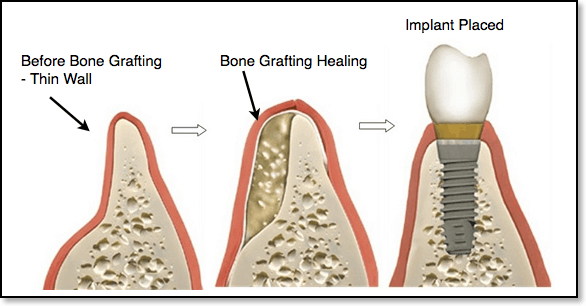
Dental Implants and Bone Grafting

About Bone Grafting and Implants

Bone Grafting is usually necessary for Implant

True. Bone grafts may be necessary to regenerate bone. Implants require healthy bone to work properly. And bone preservation is a major concern when removing teeth. Most extraction sites get grafted to regenerate bone.

All Bone Grafts work the same

False. Bone regeneration materials are either osteoinductive or osteoconductive. Osteoconductive bone grafts work by temporarily filling holes/defects in bone as the body slowly dissolves and replaces the material with natural tissue.

PRF is the Only Osteoinductive Graft Material

Osteoinductive grafts are ones that directly stimulate bone cells to grow bone quickly via its own biological pathways. Platelet rich fibrin is the only osteoinductive graft material. All other materials are osteoconductive. PRF is obtained by drawing a blood sample from the patient and spinning it in a centrifuge for 13 minutes at 2700 RPMs. The holistic bone regenerative technique concentrates a bone growth factor (bone morphogenic protein or BMP) among other natural substances that are used for dental bone grafting.

Many of todays advanced full mouth implant teeth cases would not work as well without PRF and other holistic grafting techniques.

All Bone Grafting Techniques are the Same

False. The best bone grafting technique for bone regeneration is a combination of osteoinductive and osteoconductive materials. Or simply put, a mixture of bone factors that repair defects in bone and stimulate bone cells to grow naturally. Osteoconduction is the placement of a material into a bone defect that eventually gets replaced by the body with host bone tissue. Osteoinduction is a material that directly stimulates the body by its own pathways to grow new bone.

Holistic Bone Graft Protocol:

  1. Completely extract any tooth fragments or foreign materials such as pieces of filling material or metal, so only bone and gum tissue remain
  2. Remove any cyst or irregular scar tissue and diseased/non-vital bone.
  3. Use oxygen and dental ozone gas to kill bacterial and fungal infections in the pores of the bone. Oxygen and Ozone also promote healing and reverse an anaerobic environment suitable for disease and pathogens.
  4. Evaluate the size and shape of bone defects or holes.
  5. Place a mixture of platelet rich fibrin (PRF) and bone grafting material into the bony void. (generally we will graft any defects larger than 3-4mm)
  6. Place PRF and collagen membranes as needed to hold graft products into place.
  7. Suture gum tissue into place so it is not loose and closed if at all possible. Membranes will also block gum tissue from growing down into the healing graft or bony holes where it does not belong.

Bone regeneration and grafting is not always an exact science and no case is ever the same. Several factors about the area to be grafted are very considerable:

  1. Physical size of the bone missing
  2. Actual shape of the bone missing
  3. Amount of bone remaining prior to grafting
  4. Health of bone remaining prior to grafting
  5. Health of patient in need of treatment
  6. How long the bone has been missing

The choice of materials and techniques can be critical to the outcome of the jaw bone regenerative procedures. Careful selection of materials can also improve the chances for success.

Patient health, surgical technique and material selection determine bone graft success or rejection.

All people respond the same to grafting procedures

False. Patient health is also a very big factor in success and dental bone graft recovery periods. Even with the best techniques and materials patients who are not healthy may experience bone graft failures. In order for grafts to be successful, the graft needs to be:

  1. Bone graft material accepted by the host and not rejected. PRF is never rejected because it is natural and comes from the patient. Other bone graft products are man made, from other humans or from animals. Clearly the more foreign the material, the greater the chance for rejection.
  2. The patients body needs to have the health and strength to grow new bone tissue in response to dental bone grafting
  3. The patients body needs to fight off any bacteria or other pathogens in the mouth during bone graft recovery and healing periods. The mouth is a dirty place.
  4. The body needs to grow bone and not allow gum or other soft tissue to grow into the bone graft sites. Accordingly, membranes and graft material selection is critical. Membranes create a temporary barrier between growing bone and overlying gum tissue. Sometimes problems occur when the membrane breaks down prior to when the body has finished growing bone underneath. Additionally, if the graft material dissolves before the body has grown bone, there can be opportunity for soft tissue to grow down into the graft site also. Material selections and surgical technical are very important in this regard.
Call Now Button