
 (301) 421 1996
 burtonsvillesmiles@gmail.com


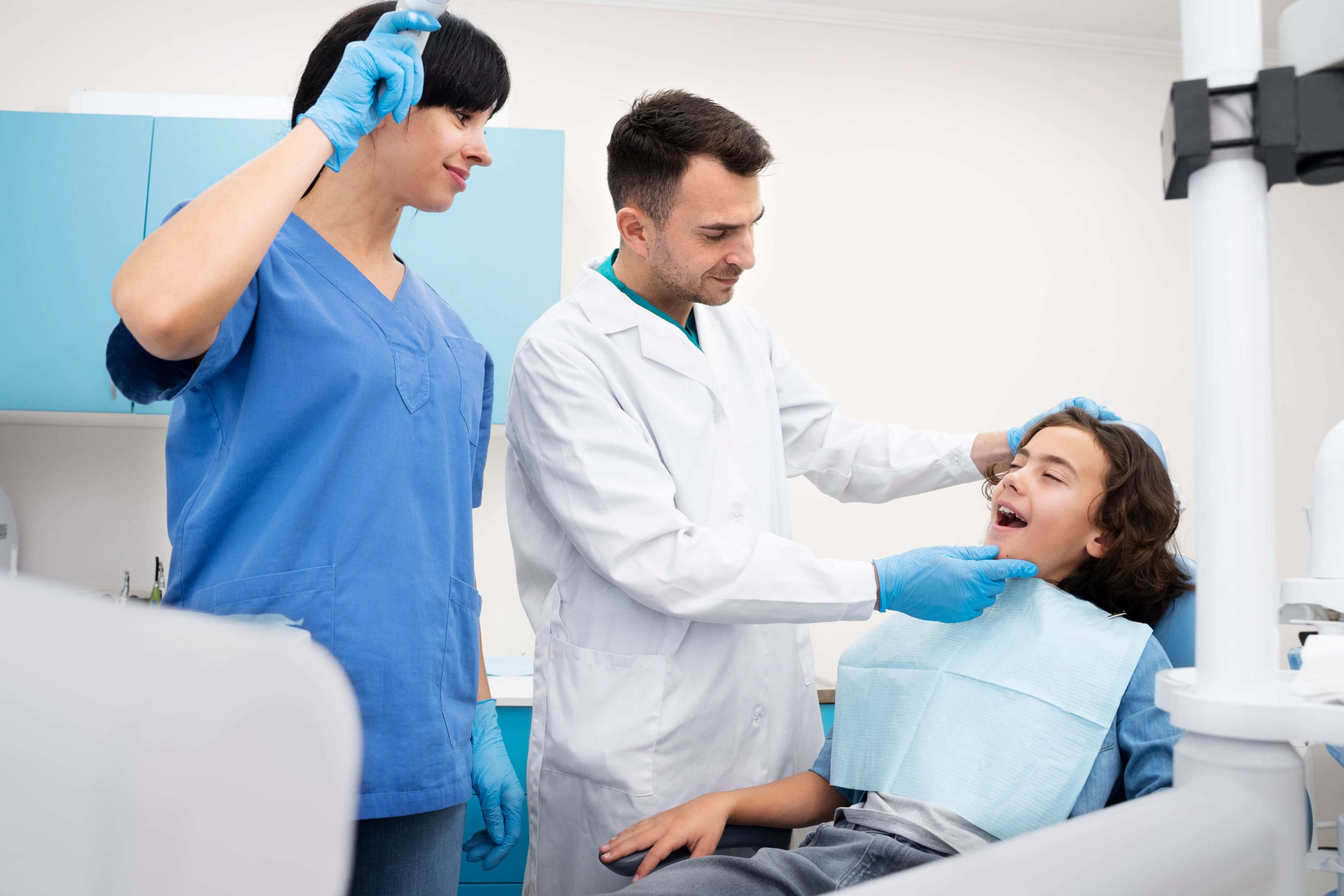
Dental treatments often focus on repairing damage, restoring function, or managing oral health conditions. Ozone therapy introduces another layer of care by supporting the oral environment before, during, and after many dental procedures. Patients researching ozone dental treatment frequently ask how it differs from traditional approaches and why biological dentists incorporate it into their care philosophy. The answer is not that ozone replaces conventional dentistry. Instead, it serves as a complementary therapy that supports tissue health, preventive care, and healing while working alongside established dental treatments.

Understanding Ozone Therapy in Dentistry
Ozone is a naturally occurring form of oxygen composed of three oxygen atoms. In dentistry, specially generated medical-grade ozone is used as part of biological and holistic treatment approaches.
Rather than functioning as a standalone procedure, ozone therapy is typically integrated into broader treatment plans. Its versatility allows dentists to incorporate it into preventive, restorative, periodontal, surgical, and implant-related care.
How Ozone Is Delivered
Depending on the treatment being performed, ozone may be applied in different forms, including:
- Ozone gas
- Ozonated water
- Ozonated oils
The delivery method depends on the area being treated and the goals of the procedure.
Ozone Complements Traditional Dentistry
Traditional dentistry remains essential for restoring damaged teeth, replacing missing teeth, treating gum disease, and maintaining oral function. Ozone therapy works alongside these procedures rather than replacing them.
For example, a cavity still requires proper restorative treatment when tooth structure has been compromised. An extraction still requires surgical care when a tooth cannot be preserved. Ozone simply becomes an additional tool that biological dentists may incorporate into treatment planning.
How Traditional Dental Approaches Typically Work
Traditional dental care focuses on diagnosing and managing specific oral health concerns.
Common treatments include:
- Dental fillings
- Crowns
- Gum therapy
- Tooth extractions
- Restorative procedures
These treatments address existing dental concerns and help maintain oral health and function.
Addressing Specific Dental Problems
Traditional dentistry often centers on correcting a particular issue. A damaged tooth is restored, a missing tooth is replaced, or diseased tissue is treated.
This targeted approach remains an important part of modern dental care and provides predictable outcomes for a wide range of conditions.
Restoring Function and Stability
Dental treatment aims to help patients chew comfortably, maintain healthy oral structures, and preserve their quality of life. These goals remain the foundation of both traditional and biological dentistry.
What Makes Ozone Therapy Different?
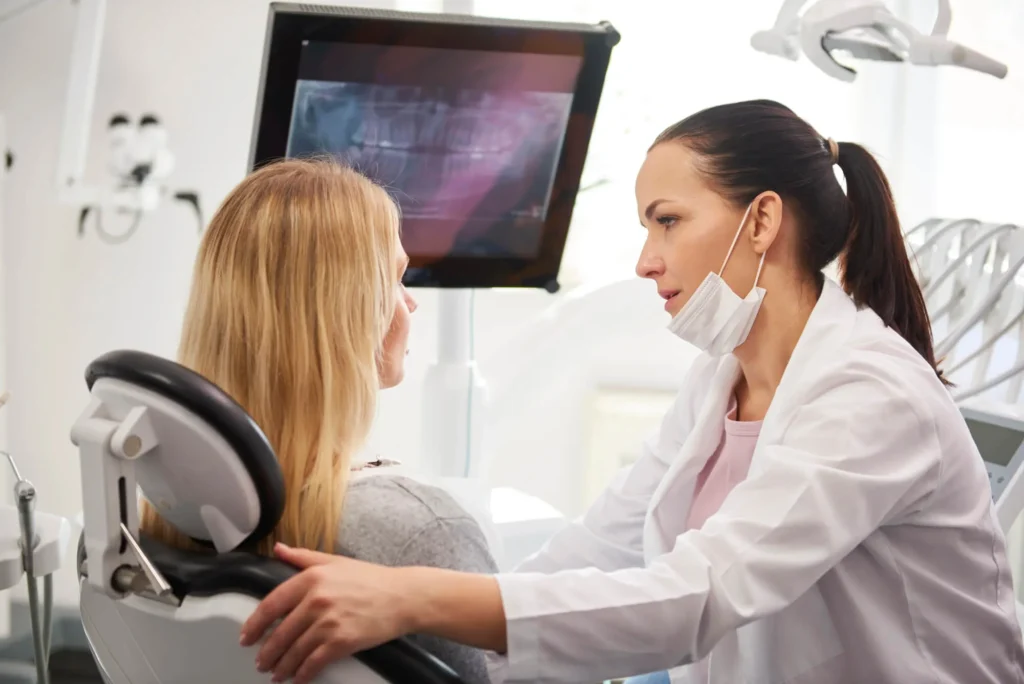
The difference lies primarily in its role within treatment planning. Ozone therapy is frequently used to support the oral environment and tissue health throughout the care process.
A Focus Beyond the Immediate Problem
Traditional procedures often concentrate on the area requiring treatment. Ozone therapy is commonly incorporated as a supportive measure that helps maintain healthy conditions throughout the surrounding oral environment.
This broader perspective aligns with biological dentistry’s emphasis on prevention and long-term oral balance.
A Conservative Addition to Treatment
Biological dentistry frequently emphasizes conservative care and preservation of healthy tissues whenever possible. Ozone therapy fits naturally within this philosophy because it can be incorporated into existing procedures without requiring extensive intervention.
Versatility Across Multiple Procedures
One reason ozone therapy stands apart is its versatility across many areas of dental care. Rather than being limited to one specific condition, it can support several types of treatment.
Common Ways Ozone Therapy Is Used in Dentistry
Ozone therapy is incorporated into many procedures offered within biological dental practices.
Supporting Gum Health
Healthy gums provide the foundation for long-term oral stability. Ozone therapy is often used during periodontal care because it can be applied directly to treatment areas to help maintain a healthier oral environment.
Biological dentists may incorporate ozone alongside professional cleanings and gum therapy to support tissue health and ongoing periodontal maintenance.
During Tooth Extractions
The healing process begins immediately after a tooth is removed. Ozone therapy may be used before, during, or after an extraction to support healthy tissues and maintain a clean treatment site.
This approach reflects biological dentistry’s emphasis on supporting recovery while, whenever possible, preserving surrounding structures.
As Part of Dental Implant Treatment
Dental implant procedures involve careful planning and healing. Healthy tissue conditions remain an important part of long-term implant stability.
Ozone therapy is often incorporated into implant treatment plans because it can support the oral environment before and after placement. It may be used alongside advanced imaging, zirconia implants, and personalized treatment planning as part of a comprehensive implant strategy.
Supporting Cavity Management
Ozone therapy may also be used during cavity management procedures. While restorative treatment remains necessary when tooth structure has been damaged, ozone can be incorporated into the process to help maintain a healthier treatment environment.
This reflects the philosophy of biological dentistry, which combines modern restorative techniques with supportive therapies whenever appropriate.
What Patients Can Expect During Ozone Dental Treatment
Patients are often surprised to learn how seamlessly ozone therapy can be integrated into existing dental care.
Incorporated Into Existing Procedures
In most cases, ozone therapy is performed during scheduled procedures. It typically does not require a separate treatment plan or a series of additional appointments.
This allows patients to benefit from ozone therapy as part of their overall care without significantly changing their treatment schedule.
Recommendations Based on Individual Needs
Not every patient receives ozone therapy in the same way. Recommendations depend on factors such as:
- Current oral health
- Type of procedure
- Tissue condition
- Healing goals
- Preventive needs
This individualized approach reflects the philosophy of personalized care found throughout biological dentistry.
Clear Communication About Treatment
Patients are provided with information about how ozone therapy fits into their treatment plan and why it is being recommended. Understanding the purpose of each aspect of care helps patients feel more comfortable and engaged throughout the treatment process.

Learn More About Ozone Dental Treatment
Ozone therapy complements traditional dental care by supporting a healthier oral environment during preventive, restorative, periodontal, implant, and surgical procedures. As part of a biological approach to dentistry, it works alongside established treatments rather than replacing them.
Maryland Holistic Dentist incorporates ozone dental treatment alongside advanced diagnostics, biocompatible materials, PRF-supported healing, and personalized treatment planning to support oral health, comfortable recovery, and long-term well-being.
Schedule a consultation to determine whether ozone therapy is appropriate for your dental care needs.