
 (301) 421 1996
 burtonsvillesmiles@gmail.com


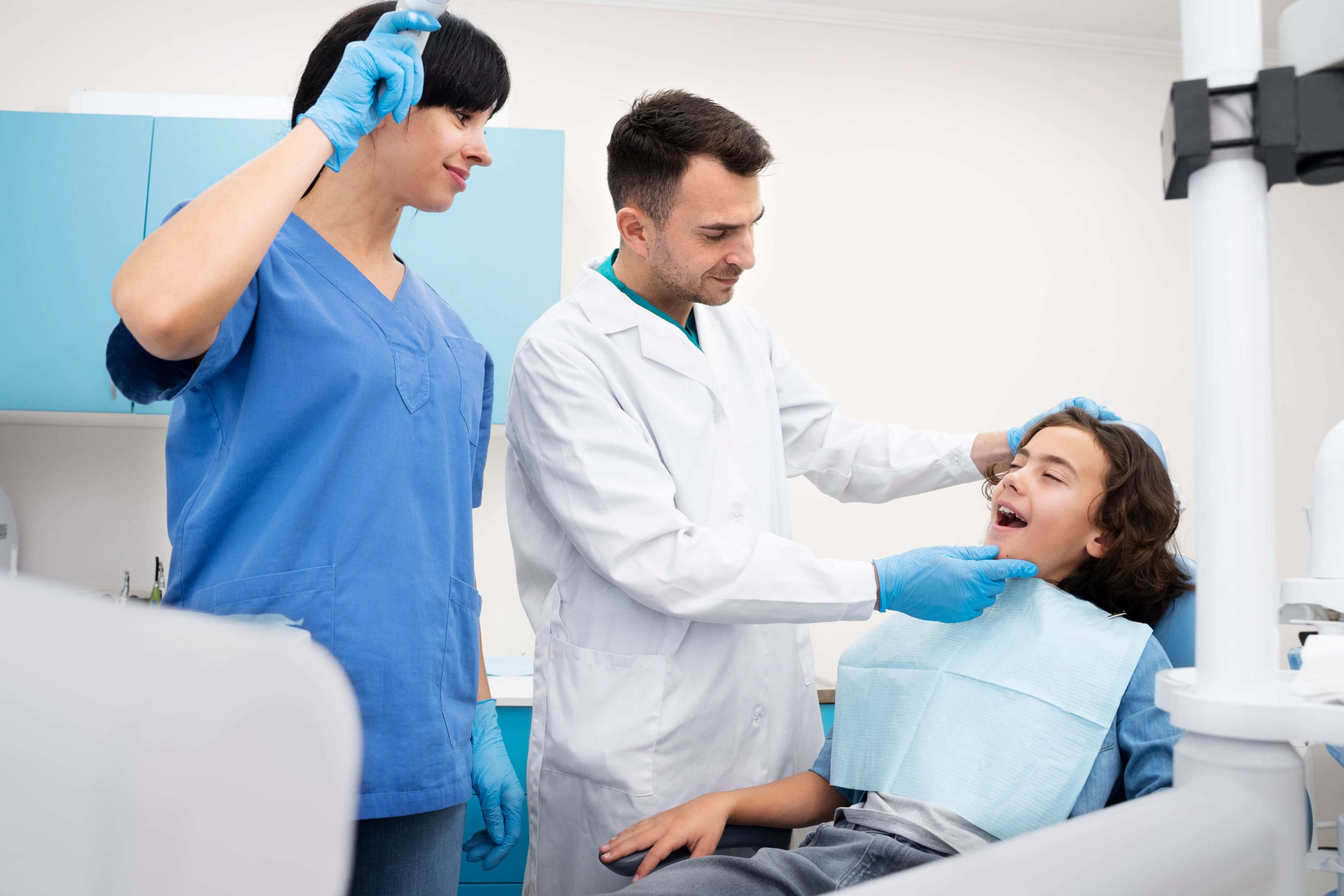
A cracked tooth or sore gum can seem like a problem confined to a single small area of the mouth. Yet oral symptoms are often connected to larger patterns involving breathing, inflammation, bite function, lifestyle habits, and overall wellness. A Biological dentist in Maryland evaluates these connections rather than focusing solely on the visible problem. This broader perspective helps explain why recurring dental concerns sometimes continue despite repeated treatment and why more comprehensive evaluations can support longer-lasting oral stability and comfort.

Why Biological Dentistry Takes a Broader View
Biological dentistry is based on the idea that oral health is not separate from the rest of the body. The condition of the mouth may reflect broader functional and structural patterns developing over time.
Symptoms Often Have Contributing Factors
A single symptom may have several underlying influences. Tooth sensitivity, jaw discomfort, or recurring inflammation can result from a combination of habits and structural patterns rather than a single isolated cause.
For example, recurring enamel wear may relate to:
- Mouth breathing
- Bite imbalance
- Stress-related muscle tension
- Acidic dietary habits
By evaluating these factors together, biological dentistry aims to identify patterns that contribute to ongoing irritation or instability.
Oral Health and Daily Function Are Closely Connected
Chewing, breathing, swallowing, and speaking all rely on coordinated movement between muscles, teeth, jaws, and airway structures. When one part of the system becomes strained, the effects may appear elsewhere in the mouth.
This is why biological dentists often evaluate:
- Jaw alignment
- Tongue posture
- Breathing habits
- Muscle tension
- Bite pressure distribution
Looking at oral function as a whole allows for more personalized treatment planning.
How Biological Dentistry Evaluates More Than Teeth
Biological dentistry uses detailed evaluations to better understand how oral structures function together over time.
Airway and Breathing Evaluations
Breathing patterns can affect oral tissues, jaw position, and muscle activity. Mouth breathing, especially during sleep, may contribute to dry mouth, gum irritation, enamel wear, and jaw tension.
Biological dental evaluations often assess:
- Tongue position
- Lip seal
- Palate shape
- Signs of airway restriction
- Bite relationship
These observations help identify patterns that may influence oral health beyond the teeth themselves.
Advanced Imaging for Deeper Insight
Digital imaging and CBCT scans allow dentists to evaluate structures beneath the surface. These scans provide a more detailed view of:
- Bone structure
- Root anatomy
- Jaw alignment
- Airway space
- Hidden areas of infection or inflammation
This information supports more precise treatment planning and helps identify concerns that may not appear during a standard visual exam.
Lifestyle and Health Discussions
Biological dentistry often includes conversations about daily habits and overall wellbeing. Dentists may ask about:
- Stress levels
- Diet and hydration
- Clenching habits
- Previous dental experiences
These discussions provide context that helps explain recurring symptoms or healing challenges. For example, poor sleep may contribute to grinding, while chronic dry mouth may relate to hydration or breathing patterns. Understanding these details helps dentists identify factors that may affect inflammation, tissue comfort, bite stability, or recovery after procedures. This broader perspective supports more personalized care and thoughtful long-term treatment planning.
Why Material Selection Matters in Biological Dentistry
Biological dentistry also focuses on how materials interact with the body over time.
Biocompatible Restorative Materials
Material selection is approached carefully to support comfort and compatibility. Biological dentistry often uses:
- Ceramic restorations
- BPA-free composite fillings
- Metal-free crowns
These materials are selected based on durability, tissue response, and long-term oral balance.
Metal-Free Implant Options
Zirconia implants are commonly used in biological dentistry because they provide a metal-free alternative with a natural appearance. They are often chosen by patients interested in biocompatible treatment approaches or those with sensitivities to certain metals.
Material selection is considered part of the larger goal of supporting healthy tissue response and long-term stability.
How Biological Dentistry Supports Healing
Biological dentistry focuses not only on repairing damage but also on supporting the body’s healing process.
Ozone Therapy and Oral Environment Balance
Ozone therapy is commonly incorporated into biological dental care to help support bacterial management and tissue health. It may be used during:
- Gum therapy
- Surgical procedures
- Cavity management
- Preventive care
This approach aligns with the philosophy of maintaining a healthier oral environment while reducing unnecessary chemical exposure.
PRF Support During Procedures
Platelet-rich fibrin (PRF) uses components from the patient’s own blood to support healing after extractions, implant placement, or surgical treatment. PRF is often used to support clot stability and tissue recovery.
These techniques are designed to support comfort and healing while preserving surrounding tissues whenever possible.
Why Biological Dentistry Focuses on Prevention
Preventive care remains central to biological dentistry. Identifying small changes early may help reduce the likelihood of larger dental concerns later.
Monitoring Bite and Structural Changes
Uneven bite pressure can gradually affect teeth, muscles, and jaw joints. Over time, this may contribute to:
- Tooth fractures
- Jaw soreness
- Muscle fatigue
- Enamel wear
Biological dental evaluations monitor these patterns before symptoms become more severe.
Preserving Natural Structures
Conservative treatment planning helps preserve healthy tooth structure whenever possible. Biological dentistry often emphasizes minimally invasive approaches that support long-term oral function rather than aggressive intervention.
This philosophy encourages thoughtful planning that respects both comfort and structural stability.
How Patients Benefit From a Whole-Body Perspective
Patients often appreciate a more comprehensive understanding of their oral health. Biological dentistry encourages education and collaboration so patients can better understand how daily habits and oral function interact.
More Personalized Care
Treatment recommendations are based on:
- Structural findings
- Lifestyle habits
- Healing patterns
- Material preferences
- Functional concerns
This helps create treatment plans that feel more individualized and practical.
Long-Term Oral Stability
Looking beyond the tooth alone may help identify patterns that contribute to recurring discomfort or repeated dental problems. Addressing these contributing factors supports more stable long-term outcomes.

Whole-Body Care With a Biological Dentist in Maryland
Looking beyond a damaged tooth alone can provide a clearer understanding of how breathing, jaw function, inflammation, and daily habits affect oral health over time. A more complete evaluation supports treatment planning focused on comfort, prevention, and long-term oral stability.
Maryland Holistic Dentist provides biological dental care centered on biocompatible materials, advanced diagnostics, airway-aware evaluations, and personalized treatment planning. Their philosophy combines modern dental technology with whole-body awareness to support healthier oral function and lasting wellbeing.
Schedule a consultation to learn how biological dental care can support a healthier, more balanced smile.