
 (301) 421 1996
 burtonsvillesmiles@gmail.com


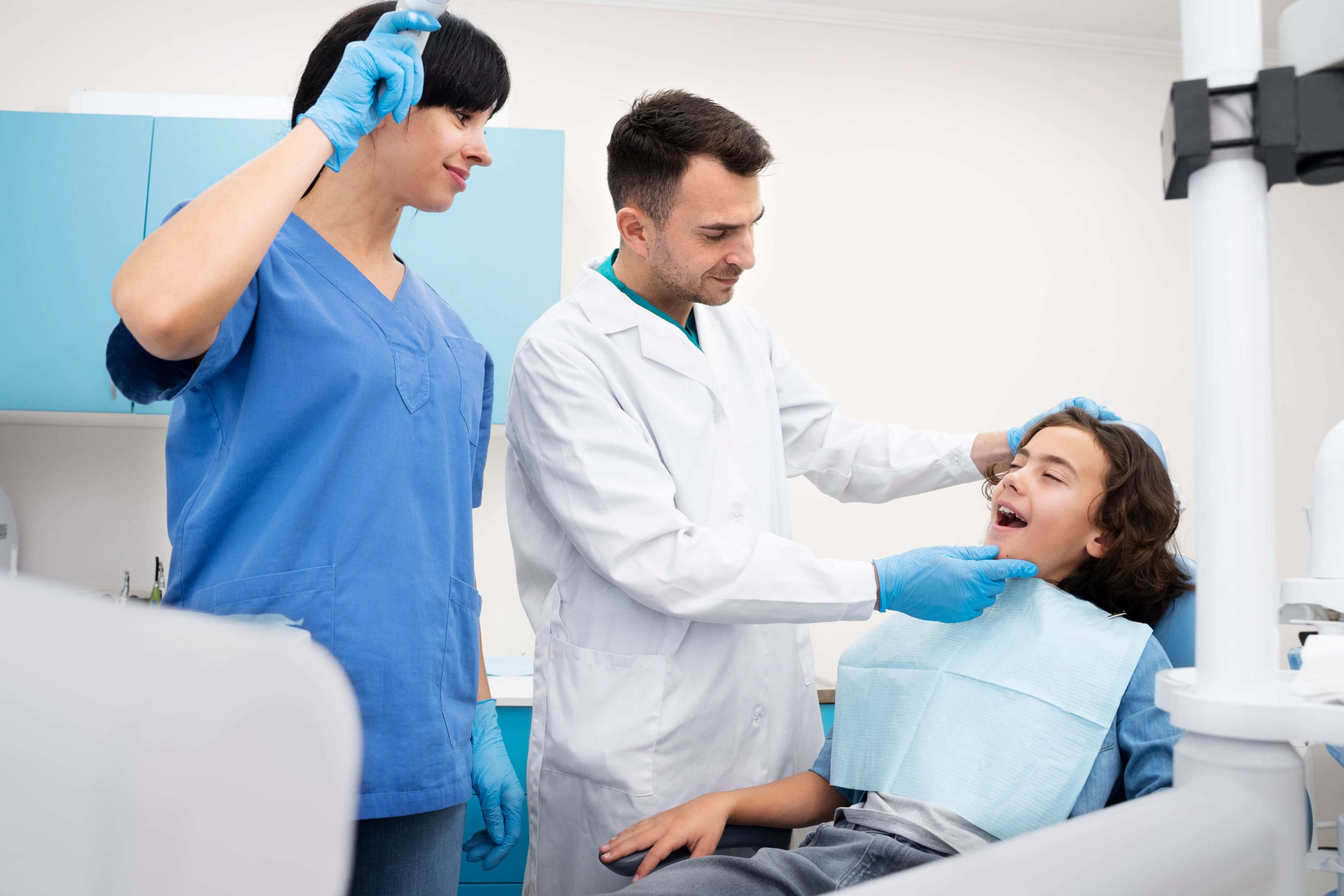
Some people with sleep apnea snore loudly every night. Others rarely snore but wake with headaches, dry mouth, or persistent fatigue that never seems to improve. A child may struggle to concentrate in school, while an adult notices jaw soreness or frequent nighttime waking. These differences can make sleep apnea difficult to recognize. For families concerned about sleep apnea in Burtonsville, Maryland, understanding why symptoms vary from person to person is an important first step in identifying patterns that may deserve further evaluation.
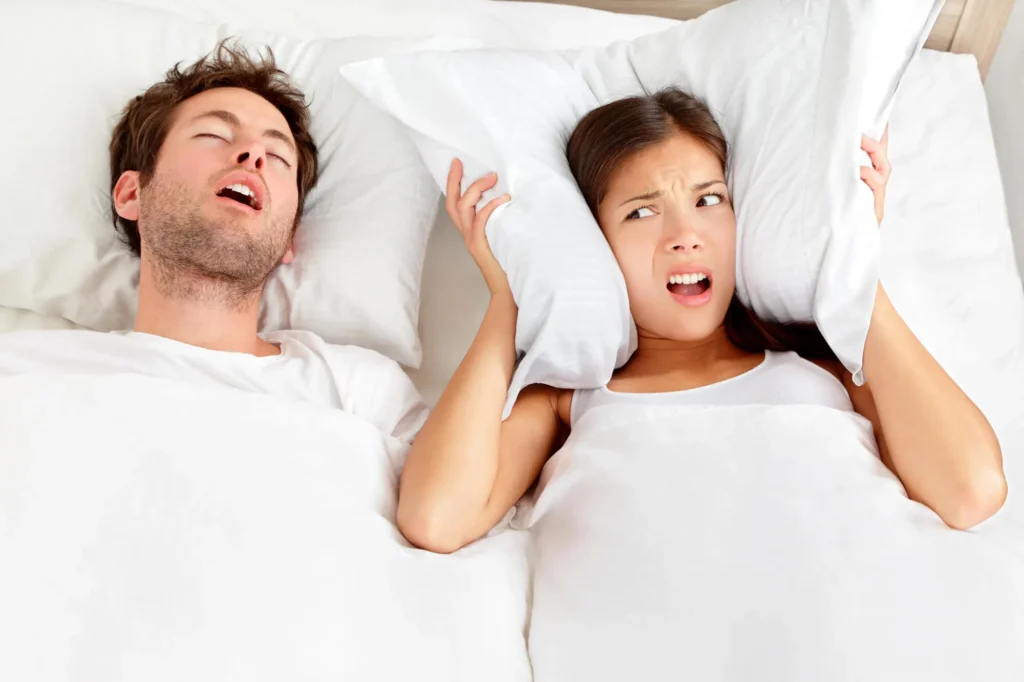
Why Sleep Apnea Doesn’t Look the Same for Everyone
Sleep apnea is not defined by a single symptom. Obstructive sleep apnea occurs when the airway repeatedly narrows or becomes blocked during sleep, interrupting normal breathing. Although the underlying condition is similar, the way it affects each person can vary depending on anatomy, age, airway size, and overall oral function.
Airway Anatomy Is Different for Every Person
The size and shape of the mouth, jaws, tongue, and airway influence how easily air moves during sleep. Some people naturally have a narrower airway, while others may have structural features that make breathing more difficult when the muscles relax at night.
These differences help explain why one person experiences loud snoring while another notices only subtle symptoms such as morning fatigue or dry mouth.
Age Can Influence Symptoms
Sleep apnea does not affect children and adults in exactly the same way.
Adults often notice:
- Loud snoring
- Dry mouth
- Daytime fatigue
- Difficulty concentrating
Children, however, may experience symptoms that appear unrelated to sleep. Restless sleep, mouth breathing, difficulty focusing, or changes in behavior can sometimes be associated with airway concerns rather than simply poor sleeping habits.
Recognizing these differences helps families know when an airway-focused evaluation may be appropriate.
Lifestyle and Health Factors Also Contribute
Sleep position, weight changes, nasal congestion, and oral habits can all influence how symptoms appear.
For example, a patient who clenches their teeth during sleep may wake with jaw discomfort rather than realizing breathing interruptions are occurring overnight. Another patient may simply feel tired throughout the day without connecting that fatigue to sleep quality.
Common Signs That May Be Linked to Sleep Apnea
Because symptoms vary, sleep apnea is sometimes overlooked until multiple signs begin appearing together.
Morning Headaches and Dry Mouth
Repeated breathing interruptions may contribute to headaches upon waking. Mouth breathing during sleep can also reduce saliva, leaving the mouth feeling unusually dry.
Over time, dry mouth may affect tissue comfort and increase the risk of oral health concerns because saliva helps protect teeth and gums.
Jaw Tension and Teeth Grinding
Sleep apnea and airway restriction are often associated with nighttime clenching or grinding. As the body works to keep the airway open, jaw muscles may become more active during sleep.
Patients sometimes notice:
- Facial muscle fatigue
- Tooth wear
- Frequent morning stiffness
These signs may be identified during routine dental examinations before a patient realizes they have disrupted sleep.
Persistent Daytime Fatigue
Sleeping for eight hours does not always mean the body reaches restorative sleep.
Repeated interruptions to breathing can prevent the brain from spending enough time in deeper stages of sleep. Patients may wake feeling tired despite spending a full night in bed.
This ongoing fatigue may affect concentration, productivity, and everyday activities.
Frequent Nighttime Waking
Not everyone with sleep apnea wakes up gasping for air. Some people experience brief awakenings that last only a few seconds and are forgotten by morning.
Although these interruptions seem minor, they may occur repeatedly throughout the night and reduce overall sleep quality.
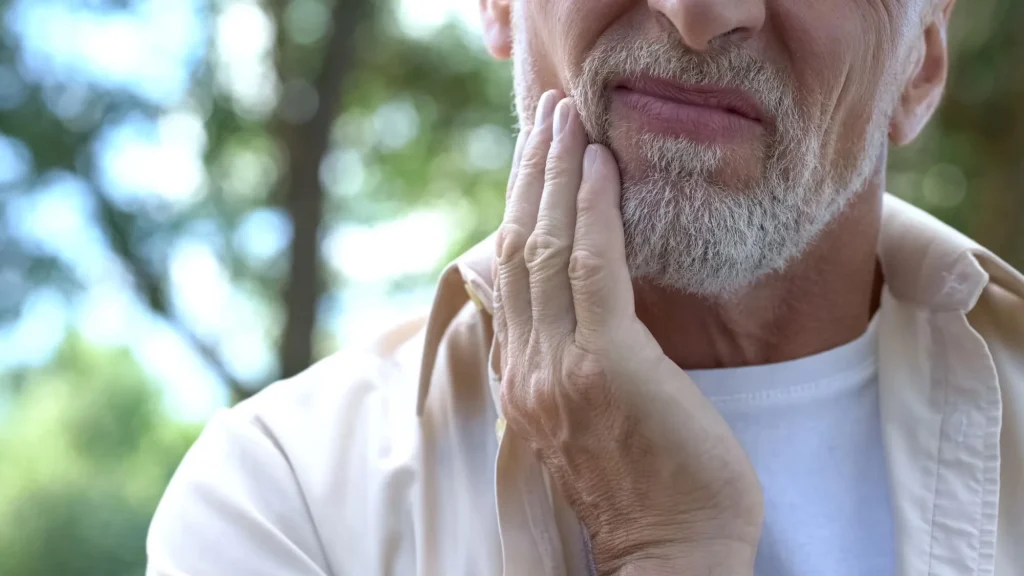
Why Dentists May Notice Sleep Apnea Before Patients Do
Dental visits provide opportunities to observe oral structures that may be associated with airway health.
Changes Inside the Mouth
During an examination, dentists may notice patterns such as:
- Worn teeth from grinding
- Dry oral tissues
- Scalloped tongue edges
- Narrow palate
- Bite changes
These findings do not diagnose sleep apnea. They may, however, indicate that additional evaluation is appropriate.
Evaluating the Airway
Biological dentistry looks beyond individual teeth by considering how oral structures function together.
An airway-focused evaluation may include observations of:
- Tongue posture
- Jaw position
- Lip seal
- Palate shape
- Dental arch development
Looking at these features together provides valuable information about how the airway functions during rest and sleep.
Advanced CBCT Imaging
Three-dimensional CBCT imaging allows dentists to evaluate airway space, jaw anatomy, and surrounding structures in greater detail than traditional two-dimensional images.
This information supports careful treatment planning and helps identify structural factors that may contribute to airway concerns.
Why Treatment Is Personalized
No two patients have the same airway anatomy or oral health history. For that reason, treatment recommendations vary based on each person’s needs.
The First Step Is a Proper Evaluation
When sleep apnea is suspected, dentists may recommend a home sleep study interpreted by a board-certified sleep physician. This helps confirm the diagnosis before treatment planning begins.
The dentist then works within their scope of care to provide airway-focused dental treatment when appropriate.
Oral Appliances May Be Recommended
For appropriate candidates, oral appliances can help support a more open airway during sleep.
Depending on the patient’s needs, treatment may include appliances such as:
- DNA Appliance®
- Homeoblock™
- ALF Appliance
- Mandibular advancement appliances
Each appliance serves a different purpose, which is why careful evaluation is essential before selecting a treatment approach.
Children and Adults Often Need Different Approaches
Growing children have different treatment needs than adults because their jaws and facial structures are still developing.
Early evaluation allows dentists to monitor airway development and determine whether orthopedic or orthodontic appliances may support healthier growth patterns.
Adults, meanwhile, may benefit from treatment plans that address existing airway limitations, jaw function, and oral habits.
Why Early Recognition Matters
Sleep apnea symptoms often develop gradually. A person may adjust to feeling tired, waking with headaches, or breathing through the mouth without realizing these changes are connected.
Recognizing patterns early allows patients to receive appropriate evaluation before symptoms continue affecting daily life.
Because symptoms differ from one person to another, looking at the complete picture rather than focusing on a single complaint provides a more accurate understanding of airway health.
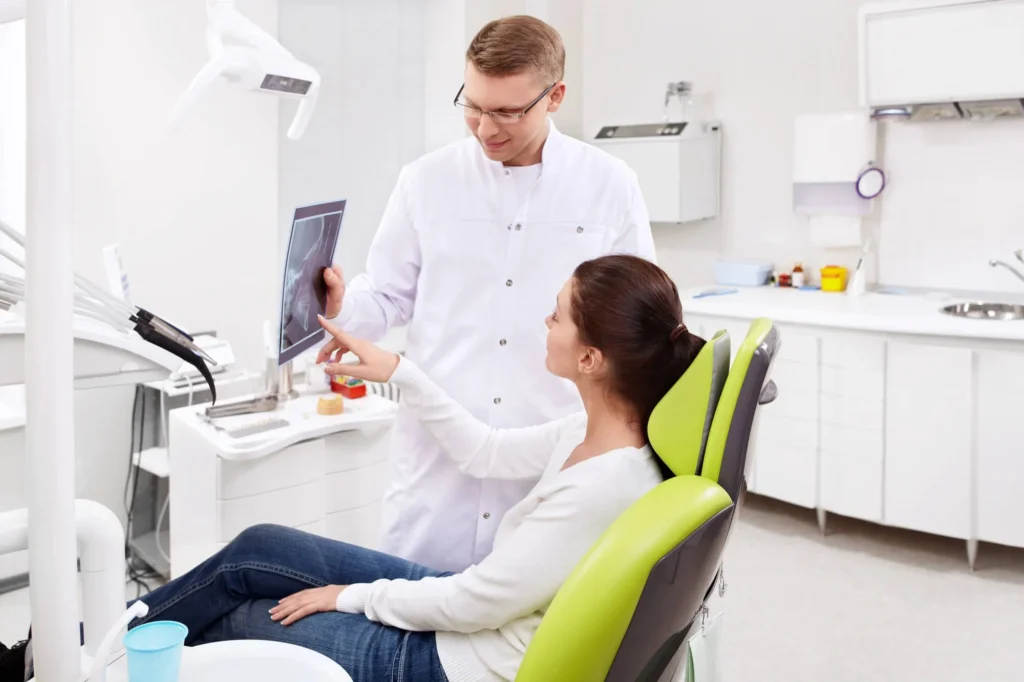
Find Support for Sleep Apnea in Burtonsville, Maryland
Sleep apnea symptoms vary from person to person, making them easy to overlook. Differences in airway anatomy, oral structures, and daily habits all influence how the condition presents and why personalized evaluation is important.
Maryland Holistic Dentist provides airway-focused care that considers jaw function, breathing patterns, and oral anatomy as part of a whole-body approach. Using advanced CBCT imaging, oral appliance therapy, and personalized treatment planning, the practice helps patients better understand their airway health.
Schedule a consultation to discuss your symptoms and available treatment options.