
Do All Tooth Infections Need a Root Canal? A Holistic View

A toothache can raise immediate questions. Is the infection serious? Will it require a root canal? Could another option preserve comfort and function? These concerns often come up during consultations about root canals in Maryland, especially among patients interested in holistic dental care. Biological dentistry looks carefully at each case before recommending treatment, considering how infection, materials, and long-term oral balance interact with overall wellness. 
Understanding Tooth Infections and Treatment Choices 

What Causes a Tooth Infection 

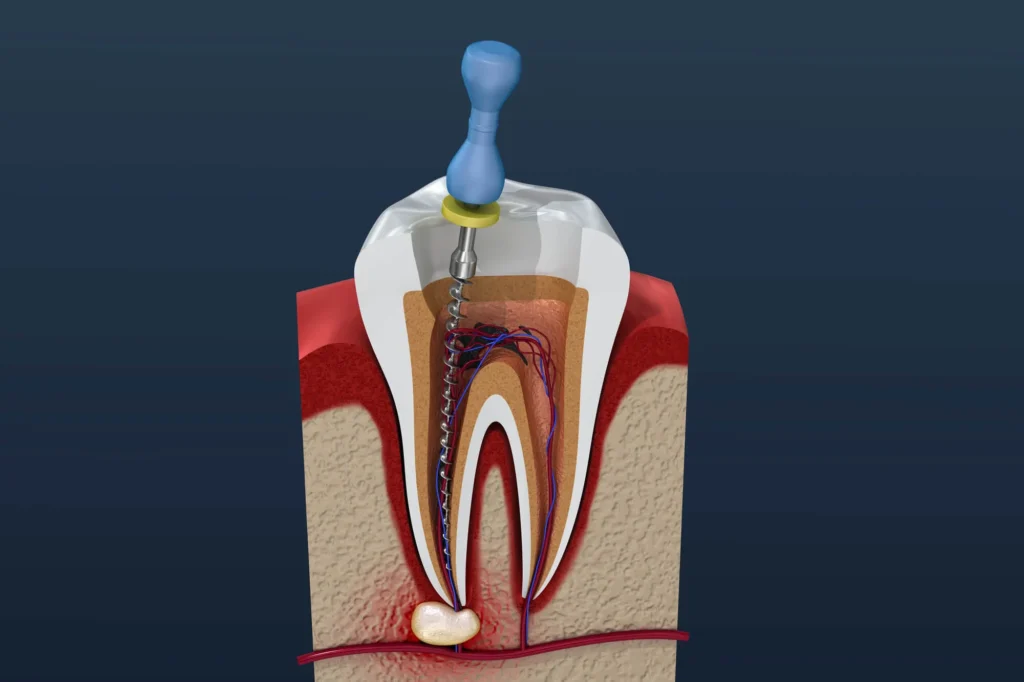
A tooth infection usually begins when bacteria enter the pulp through deep decay, cracks, trauma, or leaking fillings. The pulp contains nerves and blood vessels that keep the tooth alive. Once infected, pressure builds inside the tooth, leading to discomfort, swelling, or sensitivity. 

Dentists use exams and imaging to see how far the infection has spread. Early infection may be manageable with conservative care, while deeper infection may require more involved treatment. 

What a Traditional Root Canal Does 

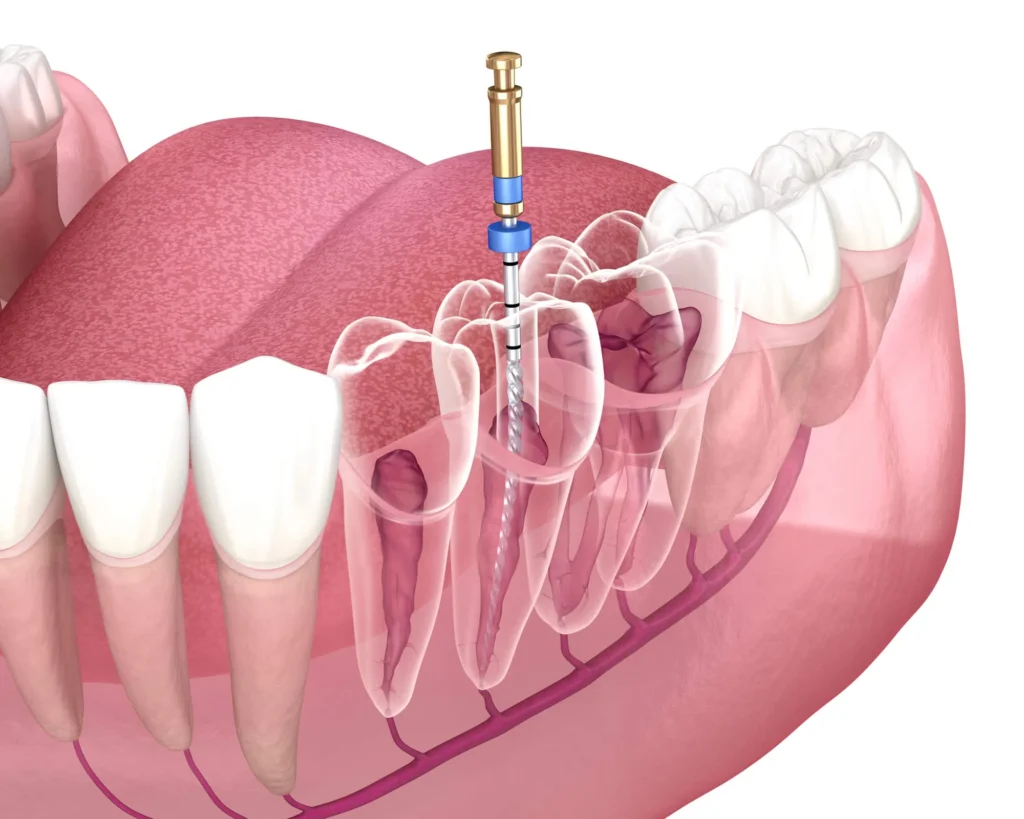
A traditional root canal removes infected pulp, cleans the inner canals, disinfects the space, and seals the tooth. This can preserve the tooth’s outer structure and restore chewing function. After the canals are sealed, a filling or crown is usually placed to strengthen the tooth and help it handle everyday biting pressure. 

In conventional dentistry, root canals are common when infection reaches the pulp. They help relieve discomfort, limit further bacterial spread, and protect the surrounding bone and gum tissue. With proper care, including regular dental visits and good oral hygiene habits, a root-canal-treated tooth can remain stable and functional for many years. 

How Holistic Dentistry Evaluates Root Canals 

Holistic dentists still consider root canal therapy when appropriate, yet they evaluate additional factors: 

  • Overall health history 
  • Immune sensitivity 
  • Presence of chronic inflammation 
  • Tooth structure and long-term stability 
  • Compatibility of materials 

They may also use ozone therapy, advanced imaging, and biocompatible restorations to support healing and reduce bacterial activity. 

The goal is thoughtful care that protects oral balance, not a one-size-fits-all approach. 

When a Root Canal May Not Be the Only Option 

Early Infection or Reversible Damage 

If the infection is limited to the outer layers of the tooth, dentists may first try conservative care. This could include removing decay, placing a biocompatible filling, or protecting the tooth with a crown. 

Regular exams and imaging may also be recommended for monitoring. 

Severely Damaged Teeth 

If a tooth is fractured below the gumline or lacks enough structure to support a crown, a root canal may not be practical. In these cases, extraction followed by a zirconia implant or bridge may offer better long-term stability. 

Maryland Holistic Dentist offers options such as: 

  • Zirconia dental implants 
  • Safe tooth extraction with PRF support 
  • Metal-free restorations 

These treatments align with holistic principles and support tissue health. 

Previous Root Canal Concerns 

Some patients experience persistent discomfort after prior root canal therapy. Holistic dentists may evaluate whether removal or replacement of the treated tooth is appropriate. 

This service is available through root canal removal and biological tooth replacement, which focuses on restoring oral balance with biocompatible care. 

Signs a Tooth Infection Needs Prompt Evaluation 

Tooth infections rarely appear without warning. Early signs may include: 

  • Persistent sensitivity to hot or cold 
  • Swelling along the gums 
  • Pain when chewing 
  • A darkened tooth 
  • A small bump on the gum 

These symptoms do not always indicate a root canal is necessary, but they suggest bacteria may be affecting deeper structures. 

Early evaluation allows dentists to consider options such as ozone therapy, conservative restoration, or implant planning. Prompt care protects surrounding bone and helps maintain long-term stability.
Alternative Treatments in Holistic Dentistry 

Ozone Therapy for Infection Control 

Ozone therapy is commonly used in biological dentistry to reduce bacterial activity and support tissue healing. It may be used during gum treatment, cavity care, or surgical procedures. 

While ozone therapy does not replace every root canal, it can support infection management and improve healing outcomes. 

Metal-Free Dental Implants 

When a tooth cannot be preserved, zirconia implants provide a metal-free option. These implants integrate with bone and support crowns without relying on adjacent teeth. 

Biocompatible Restorations 

Holistic dentists often use ceramic crowns or BPA-free composites that interact gently with surrounding tissues. These materials are selected to maintain oral comfort and durability. 

Safe Tooth Extraction 

When extraction is necessary, biological dentists may use PRF support and gentle surgical techniques to protect bone and soft tissue healing. 

This approach helps prepare the site for future restoration if needed. 

Why Holistic Dentistry Looks Beyond One Treatment 

Whole-Body Awareness 

Biological dentistry considers how oral infections may affect inflammation levels, immune response, and comfort. Treatment decisions are made carefully, balancing function, stability, and material compatibility. 

Prevention First 

Regular exams, digital imaging, and hygiene care help identify problems early. Preventive care often reduces the need for invasive procedures later. 

Holistic dentists also discuss diet, breathing patterns, and oral habits that influence long-term health. 

Personalized Care Plans 

Every tooth infection is different. Some teeth respond well to conservative treatment, while others need root canal therapy or replacement. 

A personalized plan allows patients to weigh options based on comfort, long-term function, and overall goals. 

What to Expect During a Holistic Evaluation 

A holistic dental visit is designed to look at oral health in the context of overall well-being. It usually includes: 

  • Detailed health history review – Your dentist discusses medical history, medications, allergies, and past dental experiences to understand factors that may influence healing or material choices. 
  • Digital imaging or CBCT scan – Advanced 3D imaging helps identify hidden infections, bone levels, or structural concerns that may not appear on standard X-rays. 
  • Examination of bite and airway function – Your dentist evaluates how teeth meet, jaw comfort, and breathing patterns that may affect long-term oral stability. 
  • Discussion of biocompatible materials – Options such as ceramic restorations or zirconia implants are reviewed based on comfort, durability, and compatibility. 
  • Review of all treatment options – Choices like root canal care, extraction, implant placement, or monitoring are explained clearly. 

Patients receive time to ask questions and understand each step before moving forward. 

Support for Long-Term Oral Health After Infection 

After infection is addressed, maintaining oral balance matters. Holistic dentists may recommend: 

  • Regular cleanings 
  • Ozone therapy follow-up 
  • Nightguards for clenching 
  • Nutrition guidance 
  • Monitoring with imaging 

These steps help protect surrounding teeth and prevent recurrence. 
Root Canals in Maryland: Thoughtful Care for Tooth Infections 

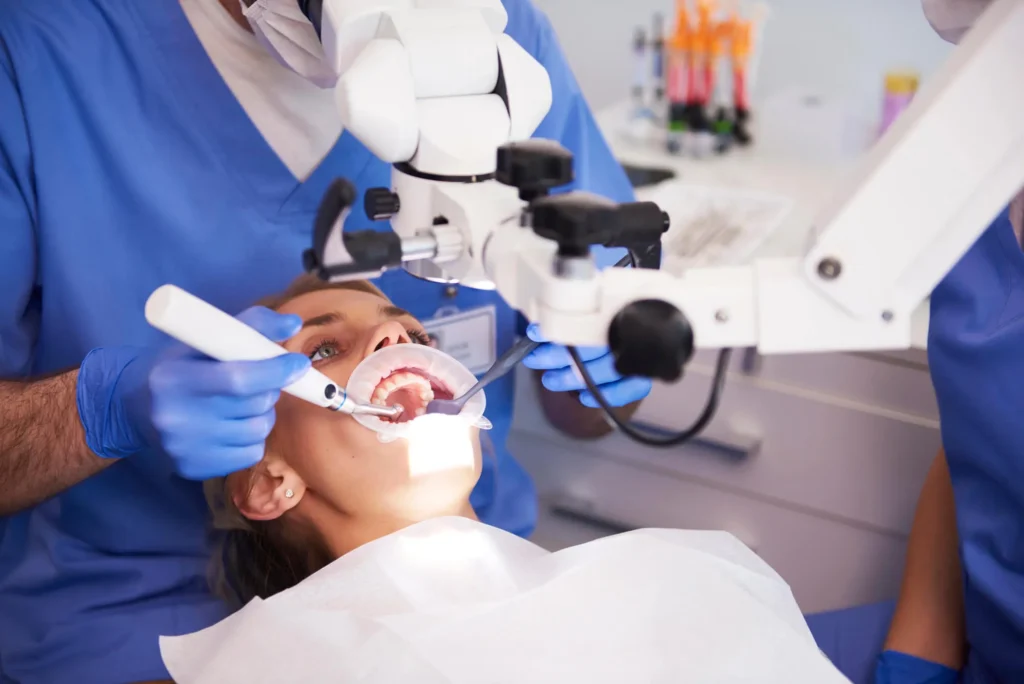
If you are experiencing tooth pain, swelling, or sensitivity, a consultation about root canals can clarify your options. Maryland Holistic Dentist provides biological care grounded in science, prevention, and patient comfort. Services include ozone dentistry, zirconia implants, safe amalgam removal, root canal removal, and metal-free restorations. 

Schedule a consultation to discuss treatment choices designed to support lasting oral stability, comfortable chewing, and balanced dental health. 

Why Holistic Dentists Take a Different Approach to Root Canal Therapy

For many patients, the idea of a root canal brings up thoughts of discomfort and uncertainty. But not every practice views dental procedures the same way. A dentist in Burtonsville, MD, who follows a holistic approach, sees oral health as deeply connected to overall wellness. Instead of focusing solely on saving a single tooth, holistic dentistry considers how materials, techniques, and long-term outcomes impact the body as a whole.

This philosophy guides the performance of root canal therapy—from the diagnostic stage to the final restoration—using techniques that prioritize both dental and systemic health. Understanding why holistic dentists approach root canals differently can help you make more informed choices about your care.

dentist in burtonsville md preparing patient for root canal

The Philosophy Behind Holistic Dentistry

Holistic dentistry is grounded in the belief that the mouth doesn’t function in isolation but is part of an interconnected system that affects digestion, immunity, and overall wellbeing. In this approach, every dental material and procedure is evaluated for its interaction with the body.

Holistic dentists undergo the same education and licensing as traditional practitioners, but they go beyond conventional methods by integrating biocompatible materials, advanced imaging, and minimally toxic treatments. They also consider environmental factors, patient sensitivities, and the body’s natural healing capacity.

This patient-centered perspective means the focus isn’t only on restoring teeth—it’s also about promoting balance throughout the body. When applied to root canal therapy, this results in techniques that support both oral health and general wellness.

Traditional Root Canal Therapy Explained

A traditional root canal is performed to save a tooth with an infected or damaged pulp. The process involves cleaning out the infected tissue inside the tooth, disinfecting the canal with chemical solutions, and sealing it with materials such as gutta-percha.

This method is effective in eliminating local infection and preserving the tooth’s structure. However, traditional approaches often use strong chemical disinfectants and sealing materials that some patients find concerning. While these substances help sterilize the canals, they may not always align with a holistic patient’s preference for minimal chemical exposure.

In addition, the conventional model often treats the tooth as an isolated structure—removing infection without always considering how the materials used or residual bacteria might influence overall health. This difference in perspective is what sets holistic dentistry apart.

How Holistic Dentists Approach Root Canal Therapy Differently

1. Biocompatible Materials

    Holistic dentists use materials that are carefully chosen for their compatibility with the body’s natural chemistry. These are typically metal-free and BPA-free, which reduces the risk of irritation or an immune response. Fillings and sealants may include bioceramics or resin-based materials that support healing and are designed to last without introducing toxins into the body.

    2. Ozone and Laser Technology

      Instead of relying solely on chemical disinfectants, holistic dentists often incorporate ozone therapy and laser-assisted cleaning to sterilize the canals. Ozone gas is known for its strong antimicrobial properties and can penetrate tiny spaces within the tooth, killing bacteria more effectively while preserving healthy tissue. Lasers offer precision cleaning that minimizes trauma and facilitates a faster recovery.

      3. Advanced 3D Imaging

        Holistic practices often utilize cone beam CT (CBCT) scans, which produce detailed 3D images of the teeth and surrounding bone. This technology helps identify hidden infections, root fractures, or bone loss that standard X-rays might miss. By having a complete view of the tooth and jaw, the dentist can plan treatment more precisely, reducing complications and improving long-term results.

        4. Reduced Chemical Exposure

          Traditional root canals often involve sodium hypochlorite, a strong disinfectant. Holistic approaches replace or minimize their use, opting for oxygen-based or herbal rinses that are less aggressive to surrounding tissues. This method helps limit chemical exposure while maintaining effective sterilization.

          5. Whole-Body Consideration

            The biggest distinction is that holistic dentists evaluate how dental infections, materials, and procedures affect the immune system or other organs. They may assess inflammation, nutrition, and stress levels to ensure the body can heal effectively after treatment. This comprehensive view transforms root canal therapy from a purely mechanical procedure into one that supports the body’s natural balance and healing.

            holistic dentist in burtonsville md

            Alternatives and Preventive Focus

            Before recommending a root canal, holistic dentists carefully evaluate whether it’s truly the best course of action. Sometimes, depending on the extent of infection or damage, tooth extraction followed by replacement with a zirconia implant or a biocompatible bridge might be considered. These materials are metal-free, durable, and designed to integrate naturally with the bone.

            Holistic dental care also emphasizes prevention—addressing the root causes of infection before they become severe. This can include early cavity detection, proper airway management to reduce clenching or grinding, and guidance on diet and oral hygiene. The goal is to create an environment in the mouth that resists infection and supports long-term health.

            Holistic dentists may also collaborate with other healthcare professionals, such as nutritionists or sleep specialists, when broader factors like diet or breathing patterns contribute to recurring dental issues. This integrated care model strengthens the body’s resilience and helps prevent future infections.

            Benefits of the Holistic Approach

            Choosing a holistic dentist for root canal therapy can offer several benefits:

            • Less exposure to harsh chemicals and potential irritants.
            • Improved comfort through advanced, minimally invasive technology.
            • Reduced risk of systemic inflammation due to the use of biocompatible materials.
            • Comprehensive understanding of how oral health connects to overall wellbeing.

            Beyond these advantages, many patients report a greater sense of trust and involvement in their care. Holistic practices encourage open dialogue, giving you space to understand each step of the process. This collaborative relationship builds confidence and empowers patients to make decisions that align with their health values.

            holistic dentist in burtonsville md explaining to patient

            Partner with a Holistic Dentist In Burtonsville, MD, Today

            Holistic dentistry redefines root canal therapy by examining the tooth in the context of the entire body to understand how dental health impacts overall wellbeing. By utilizing biocompatible materials, ozone technology, and a preventive philosophy, this approach provides a more mindful and patient-centered approach to restoring oral health.

            If you’re considering root canal therapy or exploring holistic alternatives, schedule a consultation with an experienced dentist in Burtonsville, MD, who values both your smile and your overall wellbeing. At Maryland Holistic Dentist, your care is guided by science, compassion, and a commitment to your long-term health. Contact us today!

            Call Now Button