
How Often Should You See a Dentist? A Holistic Perspective

You brush, you floss most nights, and nothing hurts at all. So is that six-month checkup reminder worth the trip? Maybe you’ve wondered whether your schedule should look different because of a health condition, a busy season, a past dental scare, or teeth that always seem to feel fine. 

A good dentist in 20866 will tell you the answer depends on you. Holistic dentistry looks at your whole health picture to decide how often your mouth needs a closer look.
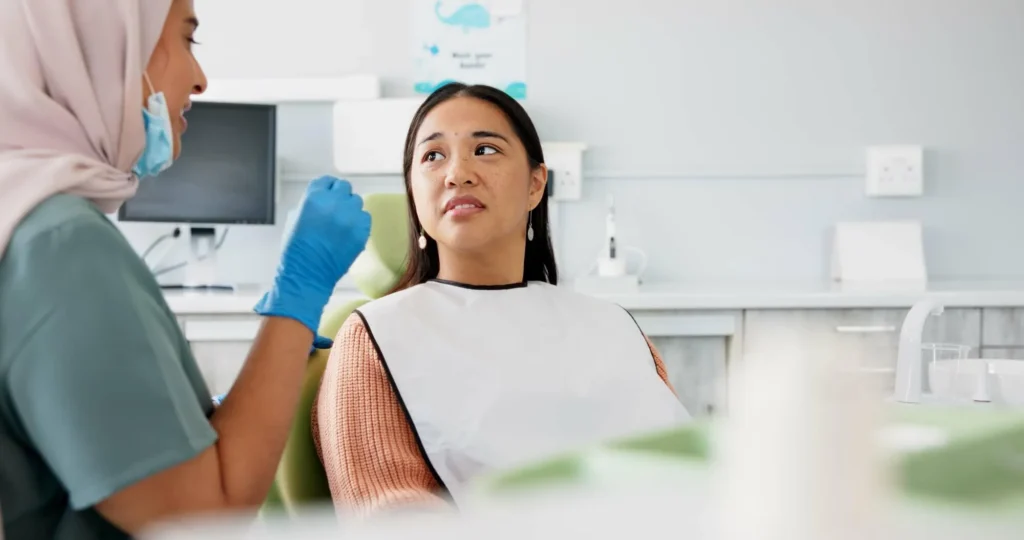
patient looking at her dentist in 20866

Why the Six-Month Rule Isn’t One-Size-Fits-All

Twice a year is probably the schedule you grew up with. It’s a reasonable starting point, and it works well for plenty of mouths. Still, your teeth and gums don’t follow a calendar. They respond to your diet, sleep, stress, medications, and genetics.

Why Checkup Timing Can Vary

Checkup timing works best when it’s personal. Risk-based checkup schedules showed little to no difference in cavities or gum bleeding compared with six-month visits for adults. That doesn’t mean skipping the dentist is fine. It means the right interval should match your risk level.

Someone with healthy gums, no recent cavities, and steady habits may do well with a standard schedule. Someone managing gum inflammation or frequent decay may need to come in more often.

Signs You May Benefit from More Frequent Visits

Some situations call for a closer eye. Your dentist may suggest shorter intervals if you have:

  • Gums that bleed when you brush or floss
  • New cavities within the past year or two
  • Dry mouth from medications or mouth breathing
  • Clenching, grinding, or jaw soreness
  • Diabetes or another chronic health condition
  • A history of smoking or vaping
  • Braces, expanders, or other oral appliances

None of these means something is wrong. They simply give your dentist a reason to check in sooner.

How Your Overall Health Shapes Your Schedule

Your mouth and body share more than most realize. Diabetes and gum disease affect each other in both directions. Higher blood sugar makes gum infections more likely, and gum infections can make blood sugar harder to control.

Heart health, immune function, pregnancy, and hormone changes can all show up in your gums, too. The link between oral health and chronic illness is one reason a holistic dentist asks about your full medical history before recommending a visit schedule.

Stress and sleep matter as well. Tension during the day and poor sleep at night often show up as clenching, worn enamel, or sore jaw muscles. These patterns are easier to manage when they’re spotted early.

Why Gum Health Deserves Regular Attention

Gum disease is sneaky. Gum disease often becomes serious before you notice any symptoms. Early inflammation usually doesn’t hurt, so you may not realize anything is off until the gums start pulling away from the teeth.

Regular visits catch these changes while they’re small. A quick measurement of your gum pockets can show whether inflammation is improving or spreading.

What Happens When Visits Get Too Far Apart

Long gaps give small problems time to grow. A shallow cavity can reach deeper layers of the tooth. Mild gum inflammation can turn into bone loss around the roots. Hardened plaque, called tartar, can’t be brushed away at home and keeps irritating the gums until it’s removed.

The repair that follows a long gap is usually bigger, too. A spot that once needed a quick fix may need more involved care later on.

What a Holistic Checkup Looks At

A holistic visit goes beyond counting cavities. During a holistic dental evaluation, your dentist may look at:

  • Teeth, gums, and soft tissues
  • How your bite fits together
  • Jaw movement and muscle tension
  • Tongue posture and lip closure
  • Palate shape and breathing patterns
  • Signs of clenching or grinding

Breathing gets extra attention because it affects your teeth more than you might expect. Mouth breathing and airway habits can dry out your mouth, which increases your risk of tooth decay and gum irritation.

How Often Should Kids See a Dentist?

Children change quickly, so regular visits help track more than teeth. A holistic pediatric dental visit can include a complete exam and cleaning, low-radiation digital X-rays, and screening for tongue- and lip-ties. It also looks at how the face, jaws, and airway are developing.

Your child’s dentist will set a schedule based on their growth, habits, and cavity risk. Kids with early orthodontic concerns or mouth breathing may be seen more often.

Everyday Habits That Support Longer Gaps Between Visits

What you do at home shapes how often you need professional care. A few steady habits go a long way:

  • Brush twice a day and floss daily
  • Keep sugary snacks and acidic drinks to mealtimes
  • Drink water throughout the day
  • Breathe through your nose when you can
  • Mention new symptoms early instead of waiting for your next visit

A dentist in 20866 can adjust your schedule over time as your habits and health change.

dentist in 20866

Frequently Asked Questions

Is once a year enough?

It can be for some adults with healthy gums and a low risk of cavities. Your dentist can tell you whether your mouth fits that picture.

Do I need a checkup if nothing hurts?

Yes. Cavities and gum disease often develop without pain, so a checkup can find problems you can’t feel.

Are dental X-rays needed at every visit?

Not usually. How often you need X-rays depends on your history and risk. Low-radiation digital X-rays keep exposure minimal when images are needed.

What if it’s been years since my last visit?

That’s more common than you think. A first visit back usually starts with a thorough exam to see where things stand, then a plan is built around what your mouth needs.

Can my visit schedule change over time?

Yes. As your gum health, habits, or medical conditions shift, your ideal interval can shift with them.

dentist in 20866 and patient

Find a Holistic Dentist in 20866 Who Looks at the Whole You

At Maryland Holistic Dentist in Burtonsville, Dr. Gary Adams, Dr. Ung, and Dr. John Battinelli see your mouth as the front door to your entire body. Your care is built around your whole health, with fluoride-free, metal-free, and biocompatible materials that help protect your natural teeth. 

Whether you’re due for a checkup or haven’t been in a while, book a holistic dental checkup and get a visit schedule that fits your life.


Can Catching Decay Early Help You Avoid Root Canals?

A tiny twinge when you sip iced coffee is easy to brush off. Maybe it fades, maybe it comes back a week later. Somewhere in the back of your mind, a question sits: could this turn into a root canal?

That worry is valid, and it’s why so many searches for root canals in Maryland start with a small ache. The good news is that decay moves in stages, and the earlier stages leave room for gentler holistic dental care.

Root Canals Maryland discussion

How Tooth Decay Moves from a Small Spot to a Deep Problem

Decay doesn’t show up overnight. Bacteria in your mouth feed on sugar and release acids. Those acids pull minerals out of your enamel a little at a time. The process is slow, which is exactly why timing matters so much. Each stage opens up a different set of options.

Stage One: Mineral Loss You Can’t Feel Yet

The first sign is often a chalky white spot on the surface of a tooth. There’s no hole yet, and usually no pain. Your enamel is weakened, but it’s still intact.

This is the stage where your body can still fight back. Saliva helps repair early enamel damage by returning minerals to the tooth surface. With the right support, a spot like this may never turn into a cavity at all.

Stage Two: Decay Moves into the Dentin

Once acids break through the enamel, they reach the dentin underneath. Dentin is softer, so decay spreads faster here. This is usually when you start to notice something.

Tooth sensitivity during dentin decay tends to flare up with hot drinks, cold treats, or sweets. It might last a second or two and then disappear. That quick zing is your tooth asking for attention. At this stage, a small filling or ozone treatment can often handle the problem. The further decay spreads, the bigger the repair tends to be.

Stage Three: Bacteria Reach the Pulp

The pulp sits at the center of each tooth. It holds the nerve and blood supply that keep the tooth alive. When bacteria get this far, the pain often becomes constant or throbbing, and swelling can follow.

Conventional dentistry usually recommends a root canal at this point. Holistic dentistry looks at it differently. A root canal tooth no longer has a living blood supply, and the tiny channels inside the root are nearly impossible to clean completely. That’s a big part of why holistic dentists question root canals and focus so heavily on stopping decay before it gets here.

How Early Care Can Protect the Nerve

The earlier the decay is found, the more options stay on the table. Ozone is one of the most useful tools for this stage. Ozone therapy for tooth decay targets the bacteria that cause cavities and can stop decay from progressing. It also supports remineralization, which strengthens enamel over time.

For small defects, ozone may eliminate the need for drilling. Deep cavities can be washed with ozone water and ozone gas, which often helps keep the nerve from dying. When a filling is needed, tooth-colored composite fillings restore the tooth without mercury or metal.

Catching decay early also means less of your natural tooth needs to be removed. Every bit of healthy structure you keep makes the tooth stronger and lowers the chance of cracks later on.

Signs Worth Mentioning at Your Next Visit

Early decay is quiet, so small clues are worth paying attention to. Bring these up with your dentist:

  • White, chalky, or light brown spots on your teeth
  • A quick sting with cold water, ice cream, or hot coffee
  • Food catching in the same spot again and again
  • A rough edge you keep touching with your tongue
  • Mild discomfort when you bite down on one side

None of these automatically means a cavity. They’re simply easier to handle when caught early.

Everyday Habits That Slow Decay Down

Your daily routine has a big say in how fast decay moves. A few simple habits help, and small, steady effort usually beats big occasional pushes:

  • Limit sugary snacks and acidic drinks between meals
  • Sip water throughout the day to keep saliva flowing
  • Brush twice a day and floss once a day
  • Pay attention to dry mouth, especially if you breathe through your mouth at night
  • Keep up with regular dental exams

A thorough exam also looks beyond single teeth. A holistic dental evaluation considers your diet, breathing, and overall health, since all of these affect how your teeth hold up.

What If Decay Reaches the Nerve Anyway?

Sometimes decay moves faster than expected, or a tooth cracks and lets bacteria in. Even then, you still have choices. Not every infection leads straight to a root canal, and tooth infections and root canals deserve a careful, whole-body look.

When a tooth can’t be saved, a holistic approach often involves removing it and using ozone and platelet-rich fibrin (PRF) to support healing. A metal-free zirconia implant can replace the tooth once the area heals. Healing is usually monitored for four to six weeks before the next step.

patient scheduled for Root Canals Maryland

Frequently Asked Questions

Can a cavity heal on its own?

Only at the earliest stage, before a hole forms. Enamel can regain minerals, but once a cavity breaks through, the tooth needs care to stop the decay.

Does a cavity always hurt before it gets serious?

No. Decay can travel deep without much pain, which is why regular exams matter even when your teeth feel fine.

Is sensitivity always a sign of decay?

Not always. Gum recession, grinding, and cracks can also cause sensitivity. A dental exam helps sort out the cause.

Can ozone replace every filling?

Not always. Ozone works best on early or shallow decay. Deeper cavities may still need a tooth-colored filling once the area has been treated.

discussing Root Canals Maryland

Get Holistic Guidance on Root Canals in Maryland

At Maryland Holistic Dentist in Burtonsville, Dr. Gary Adams, Dr. Ung, and Dr. John Battinelli treat your mouth as the front door to your whole body. The goal is to protect your natural teeth with biocompatible, minimally invasive care, from ozone therapy and tooth-colored fillings to a gentle root canal removal protocol with PRF when a tooth can’t be saved.

If a sensitive spot has been on your mind, schedule a holistic dental visit and get clear answers about your options.

Call Now Button