Why a Holistic Dentist May Ask About Your Diet, Sleep, and Stress

A dental visit can sometimes feel routine until unexpected questions come up about sleep habits, daily meals, or stress levels. These topics might seem unrelated to teeth at first. A holistic dentist in Burtonsville, MD, asks these questions because daily habits influence your teeth, gums, comfort, and how your smile stays healthy over time. Understanding these connections helps dentists plan care that supports both your smile and the way your mouth functions day to day. 
How Lifestyle Habits Shape Oral Health 

Holistic dentistry looks at patterns that influence the mouth over time. Diet, sleep, and stress affect saliva flow, inflammation, jaw function, and healing capacity. By learning about these areas, dentists gain context that guides safer material choices, preventive care, and long-term planning. 

Diet and Its Influence on Teeth and Gums 

Food choices shape the oral environment. Sugars and acidic drinks can change pH levels, encouraging bacteria that affect enamel and gum tissue. Frequent snacking keeps acids active longer, while balanced meals allow saliva to neutralize the mouth. 

A holistic dentist often asks about: 

  • Frequency of sugary snacks or drinks 
  • Hydration habits 
  • Intake of whole foods that support tissue repair 
  • Patterns such as late-night eating 

Nutrition also affects bone and gum stability. Vitamins like D and calcium support strong enamel and jawbone health. Protein supports tissue repair after dental procedures. These connections help dentists guide preventive care and recommend materials that match each patient’s needs. 

Sleep Quality and Oral Function 

Sleep affects how the jaw, airway, and muscles behave overnight. Poor sleep or breathing issues may lead to clenching, grinding, or mouth breathing. These patterns can cause enamel wear, jaw tension, and gum irritation. 

Holistic dental visits often include questions about: 

  • Snoring or restless sleep 
  • Morning headaches or jaw soreness 
  • Dry mouth upon waking 

These clues help dentists evaluate airway function and bite stability. Advanced imaging, such as CBCT scans, may reveal structural factors that influence breathing and jaw alignment. Early awareness supports preventive care before symptoms progress. 

Stress and Its Impact on Oral Comfort 

Stress affects muscle tension and immune response. Clenching or grinding often increases during stressful periods. Gums may feel more sensitive, and healing after dental work may take longer. 

Dentists ask about stress to understand patterns such as: 

  • Jaw soreness during busy periods 
  • Headaches linked to clenching 
  • Changes in oral hygiene routines 

These observations guide recommendations like bite adjustments, protective night guards, or gentle therapies that support tissue comfort. 
Why Holistic Dentists Ask Personal Questions 

Lifestyle questions allow dentists to plan care that fits real life. Instead of focusing solely on visible dental concerns, holistic care considers the underlying causes. 

Creating More Personalized Treatment Plans 

Every mouth responds differently to dental materials and procedures. A patient with dry mouth may need different restorative materials than someone with strong saliva flow. A patient with clenching habits may need bite support before cosmetic work. 

Understanding lifestyle patterns helps dentists choose: 

  • Biocompatible restorations such as ceramic or BPA-free composites 
  • Ozone therapy to support tissue health during certain treatments 
  • Preventive strategies that reduce irritation 

This approach aligns dental care with comfort and long-term stability. 

Supporting Prevention Before Problems Grow 

Prevention is central to holistic dentistry. Lifestyle patterns often signal early changes before discomfort appears. By discussing diet, sleep, and stress, dentists can identify risks sooner and suggest simple adjustments that support oral health. 

Examples include: 

  • Timing meals to protect enamel 
  • Addressing mouth breathing that dries tissues 
  • Monitoring clenching patterns before teeth wear down 

These steps help maintain balance in the oral environment. 

Improving Communication and Trust 

Holistic dental care values clear conversation. Patients can share concerns, ask questions, and discuss goals before treatment begins. This open dialogue helps dentists recommend options that align with comfort levels and health priorities. 

Why These Questions Matter Before Treatment 

Before recommending procedures such as fillings, root canal therapy, extractions, or implant placement, holistic dentists consider lifestyle factors that may influence healing and long-term stability. A patient who grinds during sleep may benefit from bite support before restorative work. Someone with chronic dry mouth may need preventive care that protects enamel before cosmetic treatment. 

These insights also guide choices like metal-free restorations, zirconia implants, ozone therapy for tissue support, and airway-focused evaluations. By reviewing diet, sleep, and stress early, dentists can avoid repeating procedures caused by the same underlying habits. 

How Holistic Dentistry Uses This Information 

Lifestyle details guide every stage of care, from exams to restorative planning. 

Biocompatible Material Selection 

Holistic dentists avoid materials that may irritate tissues or trigger sensitivities. Knowing a patient’s health history, allergies, and past dental experiences helps determine whether ceramic restorations, zirconia implants, or BPA-free composites are appropriate choices. These materials are selected for durability, comfort, and compatibility with surrounding teeth and gums. 

Careful planning also considers how restorations interact with bite pressure and saliva levels. This thoughtful approach helps reduce irritation, supports steady healing, and allows dental work to feel more natural in daily use. Patients often appreciate knowing why certain materials are recommended and how they support lasting comfort and predictable results. 

Airway and Bite Evaluation 

Sleep and breathing patterns affect jaw alignment and tooth wear. Dentists assess tongue posture, palate shape, lip seal, and bite function to identify patterns linked to clenching, mouth breathing, or airway restriction. These observations help explain symptoms such as morning jaw soreness, dry mouth, or uneven enamel wear. 

When patterns are identified early, dentists can suggest preventive steps that support comfort and stability. These may include custom night guards, airway-focused referrals, bite adjustments, or periodic monitoring of structural changes.  

Early evaluation helps protect teeth from excess pressure and supports healthier breathing habits that benefit both oral comfort and long-term dental health. 

Gentle Therapies That Support Healing 

Holistic practices often incorporate ozone therapy or PRF-supported procedures to help maintain a balanced oral environment. These techniques support tissue comfort while limiting chemical exposure. 

When combined with lifestyle awareness, they create care plans that respect natural healing processes.

Get Support from a Holistic Dentist in Burtonsville, MD 

If questions about diet, sleep, or stress came up during your visit, they were part of a thoughtful approach to care. Maryland Holistic Dentist focuses on prevention, biocompatible materials, and patient education to support long-term oral stability. Their philosophy blends modern diagnostics with compassionate communication, helping patients maintain healthy teeth and gums while respecting the body’s natural balance. 

Schedule a consultation to learn how holistic dental care can support comfort, clearer breathing, and stronger oral health for years ahead. 
What Is Ozone Dentistry? A Simple Guide for Patients

Many people feel uneasy about chemical-based products, harsh disinfectants, or procedures that leave their teeth or gums sensitive afterward. Concerns about how treatments may impact comfort, healing, or overall oral health are common among patients seeking safer options.  

If you’ve been searching for a gentler approach, ozone dental treatment offers a natural alternative that cleans oral tissues using oxygen instead of chemicals. It supports healing, reduces irritation, and provides a more comfortable experience for anyone seeking mindful, biologically aligned dental care

What Is Ozone Dentistry? 

A Natural Form of Dental Cleansing 

Ozone dentistry uses medical-grade ozone gas, which is an energized form of oxygen, to clean and purify the mouth. Because ozone breaks down into oxygen, it leaves no residue behind, offering a natural and effective option for supporting oral health. It aligns well with holistic dentistry because it respects the body’s systems while creating a cleaner environment for the teeth and gums. 

How Ozone Works Inside the Mouth 

Ozone interacts with harmful microorganisms and neutralizes them instantly. At the same time, it increases oxygen circulation, supports healthy cell activity, and calms irritated tissues. This combination helps strengthen the mouth’s natural balance without overwhelming it with chemicals. 

Safe for Teeth, Gums, Bone, and Soft Tissues 

Because ozone promotes oxygenation, it creates an environment that encourages healthy repair. It is used during preventive care and restorative procedures to support healing, reduce oral bacteria, and stabilize tissues. Its gentle nature makes it ideal for patients seeking non-toxic, biologically supportive dental care. 

How Ozone Dental Treatment Supports Patient Care 

Enhancing Gum Health 

Ozone reaches deep under the gumline where harmful bacteria thrive. This natural cleansing effect supports gum health by lowering microbial activity without relying on harsh rinses. Patients managing early gum inflammation often appreciate how comfortably ozone supports stability around their teeth. 

Supporting Early Cavity Care 

Early cavities can form in narrow grooves that toothbrushes and floss cannot reach. Ozone neutralizes microorganisms in these hard-to-reach areas, helping prevent cavities from progressing. With proper home care and remineralization support, some early lesions may remain stable. 

Supporting Root Canal Disinfection 

During root canal therapy, ozone helps clean microscopic spaces inside the tooth. It supports a cleaner foundation for treatment and reduces exposure to strong chemical disinfectants. This approach aligns with holistic dentistry’s focus on biocompatibility and patient comfort. 

Helping Surgical Sites Heal 

After an extraction or similar procedure, ozone is often used to cleanse the surgical site and calm surrounding tissues. Its oxygenating effects support healing and help maintain a cleaner environment during the recovery process. 

Supporting Dental Implant and Bone Health 

Holistic dentists may use ozone around implant sites or bone grafts to minimize microbial activity and promote healthier integration of the implants. It is particularly helpful during the early stages of healing when tissue stability is essential. 

Why Holistic Dentists Use Ozone 

A Safer Alternative to Chemical Disinfectants 

Traditional disinfectants contain additives that may irritate tissues or cause sensitivity. Ozone offers an oxygen-based alternative that breaks down naturally and promotes cleaner oral conditions without the use of chemicals. 

Respects the Body’s Natural Balance 

Holistic dentistry views oral health as a reflection of overall wellness. Ozone aligns with this philosophy because it supports biological systems rather than disrupting them. Patients who prefer a non-toxic approach often feel more confident with ozone-based care. 

Encourages Cleaner, Faster Healing 

Because ozone supports oxygen flow, it helps tissues calm and repair more comfortably. This is especially helpful for gum care, surgical recovery, or procedures involving sensitive tissues. 

Reduces the Need for Antibiotics 

Ozone’s ability to clean tissues naturally often reduces the need for post-treatment medications. Patients who prefer to limit their use of antibiotics or have sensitivities may find this approach especially beneficial. 

How Ozone Dentistry Differs from Traditional Methods 

Cleaning and Disinfection 

Conventional methods rely heavily on chemical solutions to clean the mouth. Ozone uses oxygen alone, offering a natural option that supports cleaner tissues. 

Impact on Healthy Tissue 

Some chemical agents may dry or irritate tissues. Ozone strengthens healthy cells by improving oxygen flow, helping the mouth maintain stability. 

Comfort and Sensitivity 

Ozone therapy is a quick, quiet, and non-invasive treatment. Patients often report reduced irritation and smoother recovery after treatment. 

Support for Holistic Treatment Philosophy 

Because ozone supports biological harmony, it fits perfectly with holistic principles that emphasize prevention, balance, and patient comfort. 

Who Can Benefit from Ozone Dental Treatment? 

People With Sensitive Teeth or Gums 

Sensitivity is a common concern. Ozone helps create a comfortable experience by avoiding the harsh ingredients found in some traditional cleansers. 

Patients Seeking Non-Toxic Options 

Ozone leaves no chemical residue, making it an ideal choice for individuals who prefer dental care that aligns with natural wellness. 

Individuals Managing Autoimmune or Health Sensitivities 

Ozone’s gentle nature makes it suitable for patients who need thoughtful, biocompatible treatments. 

Families Wanting Safe Options for Children 

Ozone is mild enough for young patients and can help with early cavity care or gum support without the need for medication. 

Adults Focused on Preventive Wellness 

Those who prefer to prevent issues before they begin often appreciate how ozone helps maintain a clean, balanced oral environment. 

Benefits of Choosing Ozone Dentistry 

Natural Dental Cleansing 

Ozone neutralizes harmful microorganisms without chemicals, creating a cleaner foundation for oral health. 

Supports Healthy Tissue Repair 

By increasing oxygen flow, ozone helps tissues stay calmer and heal more efficiently. 

Minimally Invasive Experience 

Because ozone reaches areas that traditional tools or rinses cannot, it supports effective treatment with minimal irritation. 

Comfortable, Gentle Care 

Patients often experience smoother healing, reduced sensitivity, and increased comfort during and after ozone-supported procedures. 

Complements Holistic and Biological Dentistry 

Ozone enhances treatment plans that prioritize biocompatibility, balance, and overall well-being. 

Considering Ozone Dental Treatment? 

Choosing natural, supportive dental care can transform your comfort and confidence during treatment. Ozone therapy harnesses the power of oxygen to create a cleaner environment for teeth and gums, eliminating the need for chemical solutions. Patients looking for gentle, biologically aligned support often find ozone to be a reassuring and effective option. 

If you’re interested in dental care that aligns with your comfort and well-being, Maryland Holistic Dentist provides ozone therapy within a mindful, biocompatible approach. Their philosophy centers on natural healing support, safe materials, and treatments that honor the connection between oral and overall health. Schedule a consultation today and discover how oxygen-based care can help you achieve a healthier smile with clarity and comfort. 

Common Misconceptions About Dental Implants in Holistic Practices

Many people hesitate to replace missing teeth because they’ve heard conflicting opinions about implants, especially in holistic care. Are they safe? Do they contain metal? Can they affect overall health? For anyone considering dental implants in Montgomery County, understanding the facts can bring reassurance. Holistic dentistry focuses on restoring comfort and function while supporting the body’s balance with safe materials and mindful techniques that promote lasting wellness.

woman with Dental implants Montgomery County

The Truth About Dental Implants in Holistic Dentistry

What Are Dental Implants, Really?

Dental implants are artificial tooth roots that support crowns, bridges, or dentures, restoring both appearance and function. Traditional implants are made from titanium, a durable metal that integrates well with bone.

In holistic dentistry, the emphasis shifts toward biocompatibility, using materials that work in harmony with the body. Many practices now use zirconia implants, a nonmetal ceramic known for its strength, aesthetics, and compatibility with soft tissues.

Zirconia implants provide the same stability as titanium while avoiding corrosion or potential sensitivities. For people with allergies, autoimmune conditions, or concerns about metal exposure, these implants offer a natural and body-friendly alternative.

Misconception #1: All Dental Implants Are Made of Metal

A common myth is that all dental implants contain metal. While traditional titanium implants remain popular, holistic dentistry offers metal-free alternatives.

Zirconia implants are made from medical-grade ceramic that integrates seamlessly with bone. They don’t conduct heat or electricity and don’t corrode over time. Their tooth-colored design also enhances aesthetics by preventing dark lines near the gumline.

For patients who prefer a natural option, zirconia implants combine durability, comfort, and compatibility with the body’s chemistry.

Misconception #2: Dental Implants Interfere with Overall Health

Some worry that implants may disrupt the body’s natural energy flow or contribute to inflammation. In holistic dentistry, safety is a top priority. Each patient’s health profile, sensitivities, and immune status are carefully reviewed before treatment begins.

Zirconia implants are bioinert, meaning they don’t release ions or trigger inflammatory responses. Their smooth surface resists bacterial buildup, protecting gum tissue and bone stability.

When placed precisely and supported by biocompatible care, implants not only restore function but also support long-term balance and wellness.

Misconception #3: Implant Procedures Are Painful or Require Long Recovery

Modern technology has transformed implant procedures into a more comfortable experience than many expect. With advanced imaging, ozone therapy, and minimally invasive techniques, most patients report mild discomfort and quick recovery.

Holistic practices often integrate ozone and laser technology to disinfect tissues, reduce inflammation, and promote natural healing. These methods encourage tissue regeneration without relying on harsh chemicals.

Recovery times vary depending on bone health and healing capacity, but many people return to normal activities within a few days. The combination of precision technology and holistic post-care creates a smooth and predictable process.

Misconception #4: Holistic Dentists Avoid Implants Entirely

It’s a common assumption that holistic practitioners reject implant therapy. In truth, they often recommend implants as a healthier long-term alternative to bridges or dentures.

The distinction lies in how implants are planned and placed. Holistic care considers the entire body, ensuring that airway alignment, jaw function, and systemic health are evaluated before any procedure.

Biological protocols such as ozone disinfection, platelet-rich fibrin (PRF) therapy, and metal-free restorations align dental treatments with the body’s natural healing processes. The goal isn’t just to replace a missing tooth—it’s to restore comfort, balance, and lasting health.

Misconception #5: Implants Don’t Last as Long as Natural Teeth

Some believe dental implants are temporary. In reality, when planned carefully and maintained properly, they can last decades. Zirconia is exceptionally strong and resistant to bacterial adhesion, reducing the risk of gum irritation and bone loss.

Preventive maintenance, such as regular hygiene visits, personalized cleanings, and mindful home care, further extends implant longevity. Because holistic practices focus on prevention, patients are empowered to protect their investment through education and consistent care habits.

Why Holistic Practices Approach Implants Differently

Comprehensive Diagnostics and Planning

Holistic dentistry combines advanced technology with a full-body perspective. 3D cone beam CT scans allow dentists to visualize bone density, nerve pathways, and sinus positioning before placing an implant. This precision reduces complications and ensures a natural, functional outcome.

Beyond anatomy, holistic evaluations consider how dental health connects to digestion, posture, and even breathing patterns, reinforcing that oral health never exists in isolation.

Biocompatible Materials and Safe Techniques

Holistic implant procedures rely on materials and methods that protect the body’s integrity while promoting natural healing. Every product and process is carefully chosen to support biological harmony rather than disrupt it.

  • Zirconia implants are completely metal-free and compatible with bone and soft tissue, reducing the risk of corrosion, sensitivity, or immune reactions.
  • Ozone therapy is used for sterilization and healing, eliminating harmful bacteria while stimulating the body’s natural repair mechanisms.
  • Laser disinfection targets microorganisms gently and effectively, minimizing the need for harsh chemicals or antibiotics.

These modern techniques create a cleaner, healthier environment for implant placement. By prioritizing non-toxic, biocompatible materials, holistic dentists reduce inflammation, speed recovery, and help the body accept the restoration naturally. The result is dental care that’s not only functional and long-lasting but also aligned with whole-body wellness.

Whole-Body Wellness Through Dental Care

Every step of holistic implant treatment reflects a respect for the body’s natural systems. Pretreatment assessments ensure compatibility, while aftercare focuses on healing through proper nutrition, hydration, and stress management.

By aligning modern implant technology with holistic principles, patients experience results that restore confidence, comfort, and well-being while supporting the body’s natural equilibrium.

Benefits of Choosing a Holistic Approach to Implants

  • Non-toxic materials: Avoids metals and chemicals that may disrupt biological balance.
  • Natural appearance: Tooth-colored restorations for a lifelike smile.
  • Improved comfort: Smooth surfaces prevent irritation and inflammation.
  • Safer healing: Biocompatible methods enhance recovery and reduce risk.
  • Systemic harmony: Every step supports the body’s interconnected health.

This approach merges science with mindfulness, ensuring that restoring a smile never compromises overall wellness.

man just got Dental implants Montgomery County

Choosing the Right Provider for Dental Implants in Montgomery County

Finding a dental team that understands both oral and overall health makes all the difference. A holistic dentist values precision, prevention, and patient comfort, integrating safe materials and evidence-based technology to create lasting results.

When evaluating options, look for practitioners who use 3D imaging, metal-free implants, and ozone protocols. These methods not only improve success rates but also align with natural healing.

At Maryland Holistic Dentist, every implant treatment is guided by science, compassion, and respect for your biological balance. Schedule your consultation today and experience metal-free, biocompatible dentistry designed for a stronger smile and a healthier life.

Why not to get dental implants-Alternatives and What can go Wrong

There are many reasons why not to get dental implants including nerve damage, sinus damage, infection and damage to other teeth. Also there are some alternatives to getting an implant. Implant problems are uncommon, but there are many other less than optimal negative outcomes. A good implant surgeon usually does not have negative outcomes, but they can happen.

No one wants to go without teeth. The sales pitch for replacing teeth for dental implants is not a difficult one. And yes, implants are great and there is reason for excitement and hype. But slow down, because there are many things that can go wrong with dental implant procedures:

  1. Peri-implantitis
  2. Jaw bone infection
  3. Bone loss around implants
  4. Implant rejection
  5. Allergy to titanium or zirconia
dental implant complications

implant problem peri implantitis

Gary Adams DDS-25 years of Dental Implant experience

dr gary adams

Contact Dr. Adams for a complimentary consultation or 2nd opinion

What is a dental implant?

It is an anchor of foreign material that is put down into your jaw to replace the root of a missing tooth. Think of it as a support system where new teeth can be connected. You can get one or you can get all your teeth replaced with implants.

But here is the important concept – The anchors are surgically put into living jawbone. After that, your bone cells need to do the rest. The bone cells need accept the anchor and grow new bone around and attach to the new implant. It is really that simple. The term for this is “osseointegration.” Literally integration/acceptance of the implant into your osseous/bone tissue. Implants are not screws that are put into jaws like screws go into wood. But rather, foreign elements your body needs to accept and not reject.

There is no magic. Implants do not work like car parts that are bolted together. The bone accepts or rejects the titanium or zirconia dental implant. Implants get accepted into your body and your tissue accepts it by growing bone around and connecting and healing to the implants.

Alternatives to Dental Implants

  1. Teeth Bridges-using existing teeth to support toot replacement.
  2. Removable Bridges aka Dentures.

In general dental implants are the best option to replace missing teeth.

Common Dental Implant Problems:

Peri-implantitis

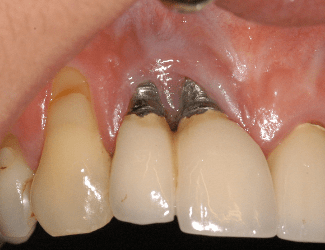
Peri-implantitis is literally bone loss or inflammation around a dental implant. This term really means nothing other than you have some messed up tissue around an implant. But why is the tissue unhealthy and irritated is the question? Regardless of what causes this condition, it usually leads to implant failure and the need for implant removal and replacement.

Implant infection

Implant Infections can happen around implants for many reasons. Usually it will happen shortly after the implant is placed. If an implant gets infected it will usually lead to implant rejection. The problem is easy to correct as the implant will be loose and can be easily removed and later replaced. Infections around implants if left untreated can become serious and spread to other areas of your body. Healthy patients will usually heal with few complications after an infected implant is removed. You should not get a dental implant if you are not healthy. For example, if you have uncontrolled diabetes or if you have a compromised immune system.

Implant rejection

Implants are a foreign material placed into your body. Not everyone will accept the foreign material placed into their jaw. Implants are generally made of either titanium alloy (titanium mixed with other metals) or zirconia. Titanium is a metal that corrodes very slowing over time into titanium oxides. The titanium oxides leak out into jawbone and can cause the body to reject an implant. Titanium rejection secondary to corrosion will usually will happen years later since the corrosion process is slow. Newer titanium implants have special coatings on the surface to help the metal heal better and resist corrosion. Not all titanium implants are created equal. Zirconia implants do not corrode and may be a better choice for people who have sensitivities.

 Dental Implant Allergies

Implants can experience immediate rejection in the event of allergies and sensitivities to titanium and zirconia. Allergies to the material itself can cause rejection. Material testing such as Melisa and Biocomatibility testing are available. The tests can determine if someone is reactive to zirconia or titanium. In general people are more likely to be reactive to titanium than zirconia, but reactivity to either is rare. Just remember, if you are sensitive you will be better off with a zirconia implant since you will be more likely to reject the titanium later years after it has been placed. Also just because you do not react today does not mean you will not react tomorrow. Allergies sometimes come after exposure to a material days or years later.

Implant Allergies can happen several years post implantation

Getting foreign materials placed into your body is a serious thing. And dental implants are no exception. In general, replacing teeth with implants is quite predictable. Many people have had titanium implants in their bodies for 10, 20 and 30 years without problems or rejection. But, but that is not always the case. Rejection can happen and there is no guarantee that you will not have problems. Don’t drink the cool aide and think you can buy new a new beautiful set of teeth the way you can buy a new care or kitchen.

dental implant allergy complication

dental implant allergy complication

Peri-Implantitis causes bone loss around Implants:

If you have bone loss around an implant, your body is rejecting the implant. The best treatment is to remove the implant to stop the immunological response, remove infection and prevent further bone loss.

Protocol for treating Peri-Implantitis

  1. Inject ozone O3 and oxygen O2. Ozone will neutralize any bacterial infection that has gotten into the bone around the area of peri-implantitis. It will also reduce some of the inflammation caused by the failing implant.
  2. Remove the Implant in it’s entirety being sure not to leave any small pieces of titanium or zirconia or dental instruments/debris. Often times implant fragments can be left behind if the procedure is not done carefully. Implant particles can be released into many small pieces and fall into the pores of the bone. Particles are foreign bodies and the goal is to remove the foreign material to restore bone health and terminate the immunological response.
  3. Remove cyst and granulation tissue from the implant extraction site. The body will often grow cysts in the areas of bone loss around the failing implant. If the cysts are not removed bacterial and fungal pathogens will remain vital in the extraction site. The cysts have their own blood supply and exchange nutrients and waste with blood supply and lymph.
  4. Place oxygen and ozone into the cleaned implant extraction site. The gases can easily travel through the pores of the bone, killing any infections and promoting healing. Bone lacks a lot of blood supply, so it is very susceptible to infection.
  5. Place PRF or platelet rich fibrin and completely fill the extraction socket. Do not place any foreign or off the shelf bone graft products. The body will more than likely reject the material and there will be further inflammation and immunological consequences.
  6. Place bone graft materials mixed in with the PRF if there are large areas of bone loss. It may also be necessary to place membranes to contain bone graft products and PRF.
  7. Place sutures to proximate as closely as possible any gum tissue that may be loose. The sutures can also act to hold the PRF into the extraction site.
  8. Allow 4 – 12 weeks of healing and re-evaluation the site for proper healing. Administer additional ozone if necessary. Placement of new implants can be considered at this time if there is no infection and adequate bone. If necessary, bone grafting and PRF treatments can be performed. Sometimes implants and grafting can be done at the same time.
  9. Repeat new Implant Surgery

New Implants have less Peri-Implantitis

More often the failed implants will be titanium (older ones). New safer implants should be placed. It is better to use zirconia or new titanium implants with improved and safer surfaces. A biocompatibility test to determine the most suitable material is also necessary. If you react to titanium material another titanium implant should not be placed.

What are common mistakes during implant surgery

Dental Implant Problems and Complications


dental implant complications


There are many common mistakes during implant surgery such as the implant can be placed into a nerve, sinus or even another tooth root. But if there is proper implant planning with a 3D cone beam x-ray, dental implant surgery is very quick, simple and there is minimal pain. Recovery from implant surgery in healthy patients is usually complete within one to two months and is uneventful. However when the patient is unhealthy or proper implant planning is not done, implant surgery can have problems and complications. The risks and complications of getting implants should be understood and carefully considered even though implants are a success 95% of the time.


Risks and Complications of Dental Implant Surgery


dental implant complications


An Implant placed into a nerve or artery.


Never, never should a dentist do a dental implant unless a 3D CBCT cone beam X-ray has been taken. It just isn’t worth rolling the dice. Whether you need one tooth or a full mouth of implants, always take a 3D image. You cannot see the anatomy of the jaw bone without a 3D X-ray. Most large x-ray machines where you stand-up are 2D “panoramic” x-ray machines. A 3D CBCT is an expensive 100-200K piece of equipment only owned by specialized implant dentists and surgeons. Ask the dentist if they are taking a “cone beam 3D X-ray”. Placing a dental implant without a cone beam X-ray is like drilling into the walls of your house without knowing where the wires and pipes are located.


Implant can be improperly put into a sinus.


Again get a 3D X-ray. Implants can be placed around sinuses with proper management with a high level of success. It is called a sinus lift. In order to lift a sinus you need to know where it is and manage to lift it properly.


Implant not placed into the gum enough.


This will result in a tooth that appears too short due to decreased height available for the implant crowns. How would you like to have a short squatty tooth in your smile? A cosmetic dental problem only, but an ugly and embarrassing one.


Implant placed too far into the gum.


This may result in the tooth looking too long. It will also be more difficult to clean and the implant can get infected later.


Implant Infected after Surgery


Usually the result of a patient who does not take prescribed medications after implant surgery. Can also be due to unhealthy bone where the implant was placed. One other possibility is inadequate width of bone for implant placement or the implant placed at an angle where it came out of the bone at the bottom. The implant can also crack the bone upon placement, if the implant is placed under too much pressure and/or the bone is unhealthy and brittle. Note: not all these all the fault of the implant dentist, but maybe just a difficult or impossible clinical case.


Implant too close to an adjacent tooth.


this will result in the implant crown not being centered in between the teeth and you may get a lot of food stuck under the implant tooth.


Implant too far back towards the tongue.


This will result in the tooth being too thick on the tongue side and a large ledge under the crown on the cheek and lip side.


Implant too far towards the lips cheek.


This will result in the crown being too thick on the cheek and lip side and a large ledge being present on the tongue side.


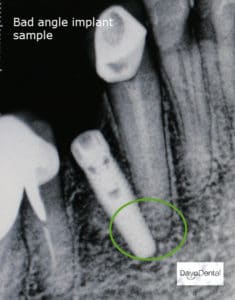
The implant placed at the wrong angle.


This will result in off-angle biting forces and sometimes the crown being too thick on the over-angulated side.


Implant placed into the root of an adjacent tooth.


This may result in loss of the adjacent tooth and infection of the implant. Dental implant complications do happen. Dental implant problems can occur.


implant complications
Improper Implant Angle


dental implant problems


What Constitutes Proper Implant Position and Placement?


  • Centered between the adjacent teeth
  • Centered between the cheek
  • Centered between lips and tongue
  • Placed 3mm into the gum
  • Angled into bone
  • Angled to be as best as possible in line with biting forces
  • Placed into healthy vital bone


What to do if there is an implant complication?


Early detection of implant problems is critical. When things do not seem right with a dental implant, they usually are not right. Implants heal very quickly and usually with minimal symptoms and no major incident. The best course of action when an implant is failing is early diagnosis of failure and speedy removal of the implant. If a failing implant is left in the jaw bone it will cause pain and bone loss at the very least. The failing implant can also potentially cause harm to other teeth and possibly a bad infection.


Meet Dr. Adams


implant failure specialist dentist


Dr. Gary Adams has successfully placed thousands of dental implants. I will happily take a look at you implant problems and provide a diagnosis and honest opinion. We are a full service implant center and I am the only dentist you will need for you consultation in my office. We have a state of the art 3D Xray / Cone Beam imaging system specifically made for implant planning and diagnosis.


Call Now Button