
 (301) 421 1996
 burtonsvillesmiles@gmail.com


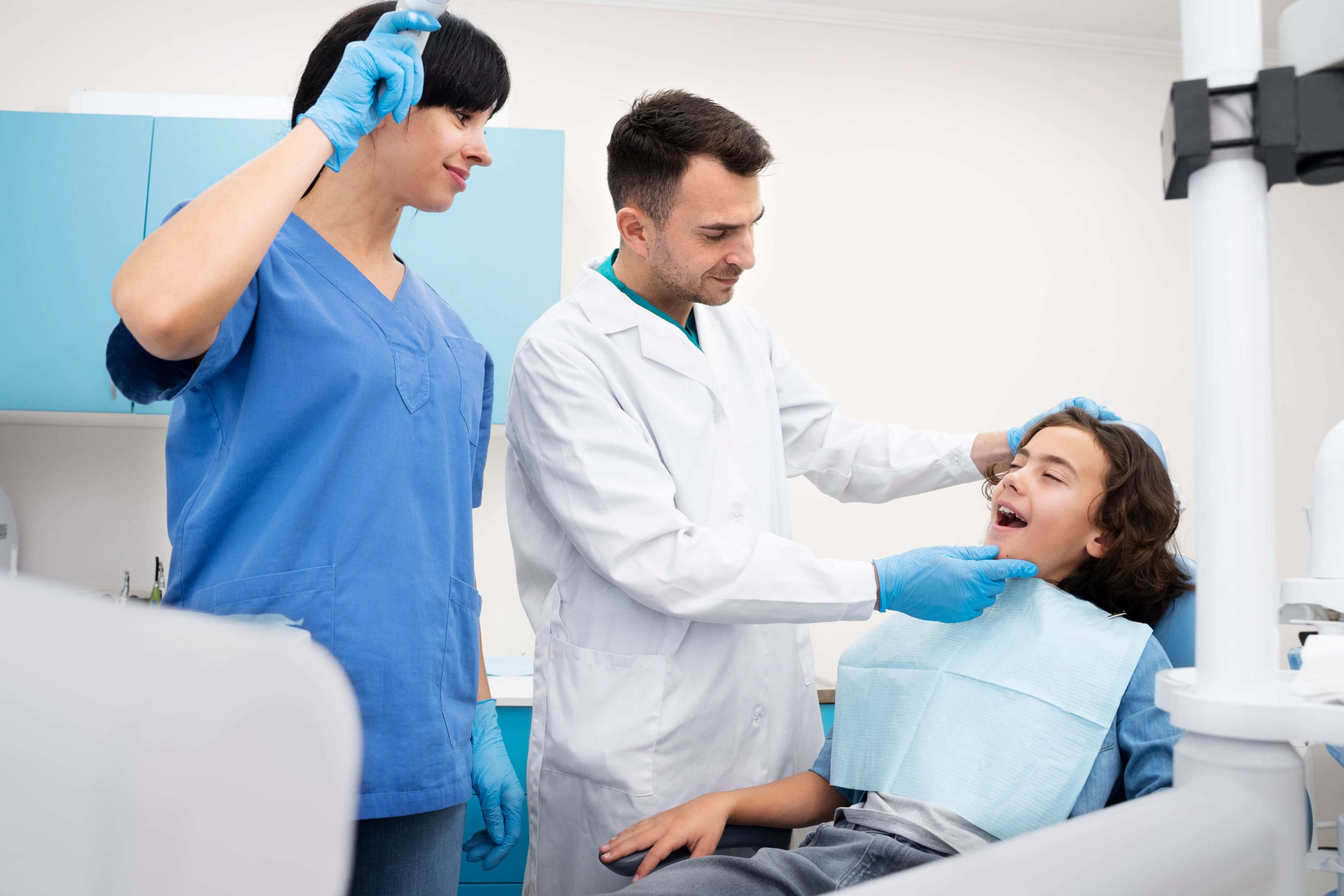
A cracked tooth does not always cause severe pain right away. You might notice sensitivity when chewing, an occasional sharp sensation, or nothing unusual at all. That can make it tempting to wait and see whether the problem settles down. The concern is that a crack can extend deeper and affect structures inside the tooth. An emergency biological dentist can evaluate the extent of the damage and determine what type of care may be appropriate before the situation becomes more complex.

Why a Small Crack Deserves Attention
Teeth withstand considerable pressure from biting and chewing every day. Although enamel is strong, a tooth can develop a crack after an injury, biting something hard, repeated grinding or clenching, or weakening from previous dental work.
Not every crack has the same implications. Its location, depth, direction, and effect on the surrounding tooth structure all influence what happens next.
Cracks Can Extend into Deeper Tooth Structures
A tooth has several layers. Enamel forms the hard outer surface, while dentin lies underneath. At the center is the pulp, which contains nerves and blood vessels.
A crack confined to the outer portion of a tooth may behave very differently from one that reaches deeper structures. As a crack progresses, biting pressure may cause sections of the tooth to move slightly. This can irritate the pulp and contribute to sensitivity or pain.
This is one reason symptoms may seem inconsistent. A tooth might feel comfortable at rest but hurt when you bite down or release pressure.
Bacteria May Reach Areas That Are Difficult to Clean
A deeper crack can create a pathway into areas that brushing and flossing cannot reach. If bacteria enter the inner portion of the tooth, inflammation or infection may develop.
Possible warning signs include:
- Pain when biting or chewing
- Sensitivity to hot or cold temperatures
- Intermittent sharp pain
- Swelling around the affected tooth
- Gum tenderness
- Persistent or throbbing discomfort
A cracked tooth does not need to cause every symptom on this list to warrant evaluation. Some fractures remain relatively quiet until the damage has progressed.
The Location of the Crack Changes the Outlook
Where a tooth cracks is particularly important.
A crack affecting the portion of the tooth above the root may sometimes be restorable, depending on its extent and the amount of healthy tooth structure remaining. The practice’s emergency guidance notes that some cracks above the root may be managed with a crown.
A crack extending down the root presents a different situation. When the tooth cannot be predictably preserved, extraction may be recommended to address the damaged tooth and surrounding oral health.
For this reason, simply knowing that a tooth is “cracked” does not provide enough information to determine what care is appropriate.
How a Cracked Tooth Is Evaluated
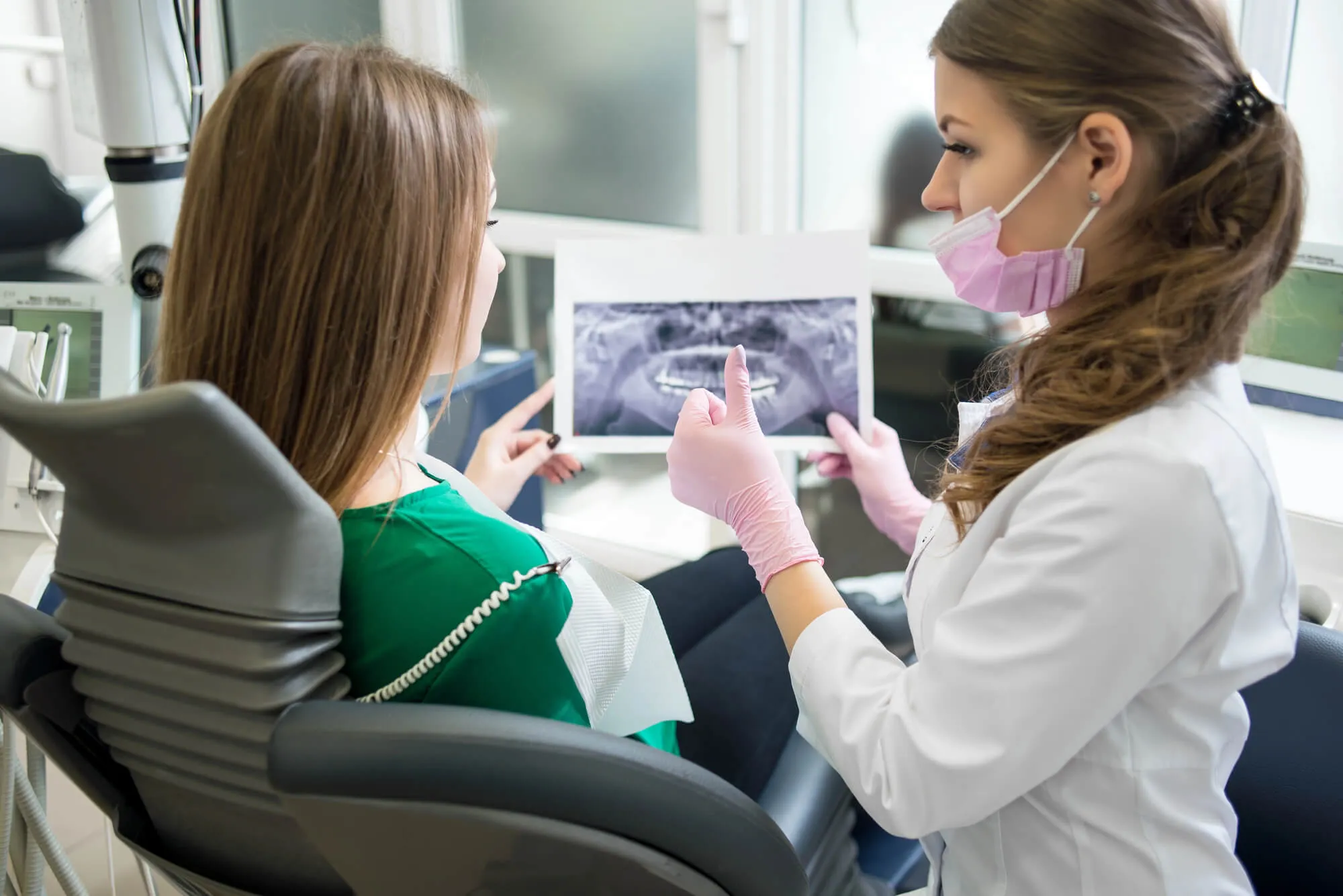
The goal of an emergency evaluation is not simply to make the discomfort disappear. The dentist needs to determine where the crack is located, how far it extends, and whether the tooth remains structurally viable.
The Examination Looks for the Source of the Problem
Your dentist will first ask about your symptoms and how they began. Details such as whether discomfort occurs during chewing, with temperature changes, or without an obvious trigger can provide useful information.
The clinical examination may assess the tooth, surrounding gums, bite, existing restorations, and other structures that could contribute to the symptoms.
Imaging may also be recommended when more information is needed. The practice uses advanced three-dimensional CBCT imaging for certain complex dental and jaw concerns, although the imaging selected depends on the clinical situation.
Preserving the Tooth Depends on the Damage
A cracked tooth does not automatically need to be extracted. The dentist first evaluates whether enough healthy structure remains and whether the location of the fracture allows the tooth to function predictably after care.
Depending on the findings, restorative care may be appropriate for certain cracks. A crown, for example, can provide support for a compromised tooth when the remaining structure and fracture pattern make restoration appropriate.
If the fracture extends into the root or the tooth cannot reasonably be preserved, removal may become the recommended approach.
What Happens If the Tooth Cannot Be Preserved?
Learning that a cracked tooth requires extraction can be disappointing, especially when symptoms initially seemed minor. In biological dentistry, the focus then shifts to carefully addressing the damaged tooth and supporting the extraction site as it heals.
Biological Tooth Removal Considers the Extraction Site
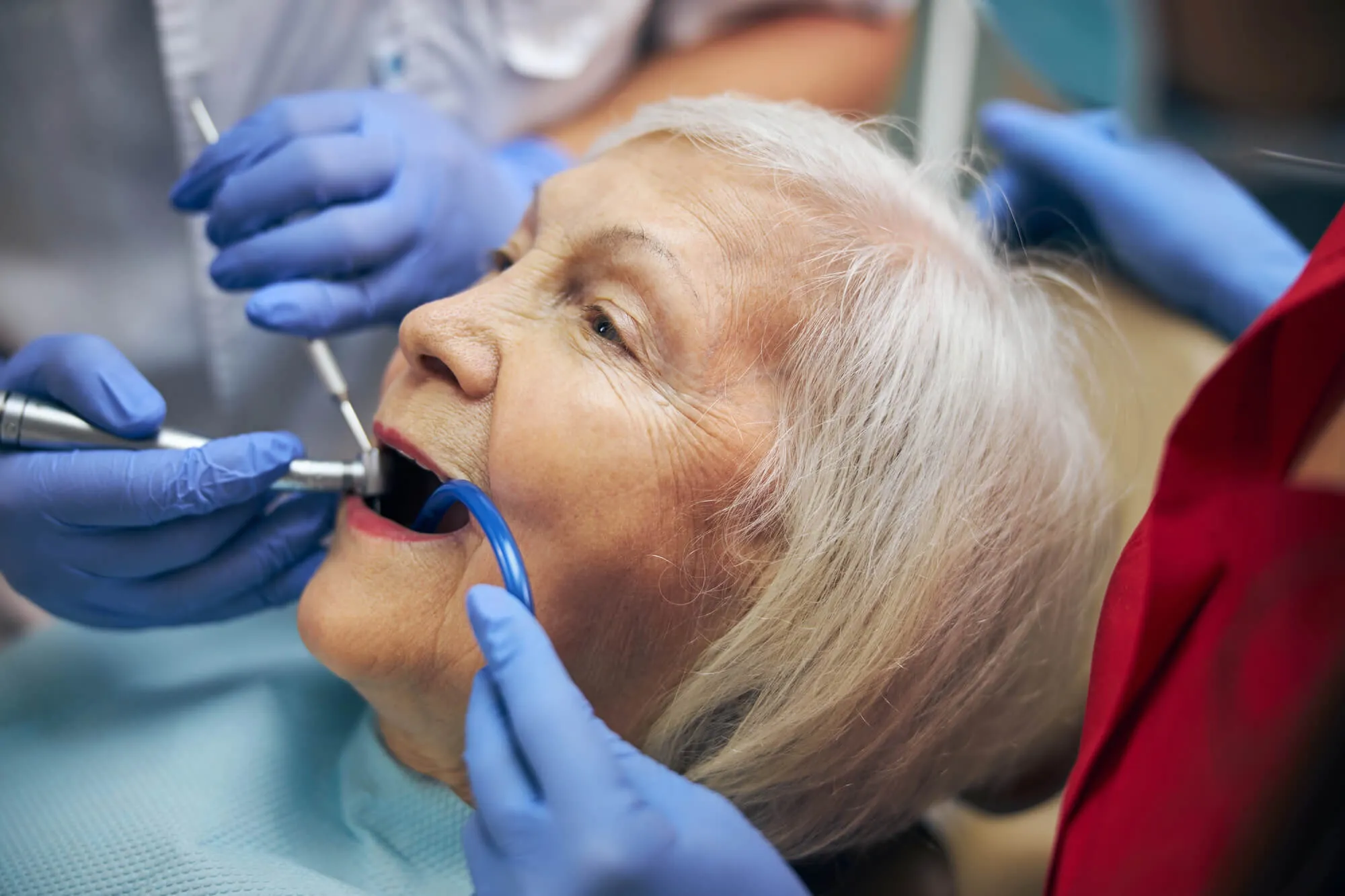
The practice’s biological extraction protocol involves more than taking out the visible tooth. Their approach includes careful tooth removal, cleaning of the extraction site, removal of the periodontal ligament and abnormal tissue when indicated, and the use of ozone and oxygen.
Ozone is incorporated into oral surgery to help manage microorganisms within the surgical area and support the oral environment during healing.
PRF May Support the Healing Process
Platelet-rich fibrin, or PRF, may also be incorporated into an extraction. PRF is created from a small sample of the patient’s own blood, which is processed to produce a fibrin-rich material.
The material can then be placed in the extraction site as part of the practice’s biological healing protocol. Because PRF comes from the patient’s own blood, it fits naturally with the practice’s emphasis on biological and patient-centered surgical care.
Tooth Replacement Can Be Discussed After Extraction
Removing a tooth also raises another question: what happens to the space?
Replacement options depend on the location of the missing tooth, bone condition, oral health, bite, and the patient’s broader treatment plan. Dental implants may be considered in appropriate cases, including immediate implant placement in selected situations.
The decision is made after evaluating the circumstances rather than assuming every extracted tooth follows the same replacement plan.
Why Acting Earlier Can Keep the Situation Simpler
Cracks do not heal themselves in the way a cut in soft tissue can. Waiting may allow a compromised tooth to become more difficult to restore, particularly if the fracture progresses or infection develops.
Prompt evaluation does not automatically mean extensive dental work. It provides the information needed to determine what is happening and whether the tooth should be monitored, restored, or removed.
This distinction matters because two teeth with similar symptoms may have very different fracture patterns beneath the surface.
Frequently Asked Questions
Can a cracked tooth be saved?
Sometimes. Whether a tooth can be preserved depends on the location and extent of the crack and how much healthy tooth structure remains. Cracks affecting the crown of the tooth may sometimes be restored, while fractures extending down the root may require extraction.
Does a cracked tooth always hurt?
No. Some cracks cause sharp pain or temperature sensitivity, while others produce intermittent symptoms or little discomfort at first. The absence of severe pain does not reveal how deep a crack extends.
Is a cracked tooth considered a dental emergency?
It can be. A cracked tooth accompanied by substantial pain, swelling, infection, or worsening symptoms deserves prompt dental evaluation. Even a less painful crack should be assessed because the extent of the damage cannot always be determined from symptoms alone.
Get Prompt Care from an Emergency Biological Dentist
A cracked tooth can become more complex if the fracture progresses or deeper tissues become involved. Prompt evaluation helps determine the extent of the damage and whether the tooth can be preserved. Maryland Holistic Dentist combines urgent care with biological principles, including ozone and PRF when appropriate. Contact an emergency biological dentist to discuss your care options.