
 (301) 421 1996
 burtonsvillesmiles@gmail.com



Researching dental implants often starts with a simple question: “What will the process look like for me?” The answer is rarely the same from one patient to another. Some people need only a straightforward implant placement, while others benefit from additional planning before treatment begins. For patients considering dental implants in Montgomery County, this variation can seem confusing at first. Personalized planning helps create a treatment approach that reflects each patient’s oral health, anatomy, and long-term goals.

The Foundation of Every Implant Plan Is Different
Dental implants are designed to replace missing tooth roots and support long-term oral function. Although the end goal may be similar, the path to getting there depends on several factors unique to each patient.
Bone Structure Varies from Person to Person
One of the first considerations in implant planning is bone support. Dental implants require sufficient bone volume and density to provide stability.
Patients who recently lost a tooth may have different bone conditions than someone who has been missing a tooth for several years. Bone naturally changes after tooth loss, which can influence treatment recommendations and timelines.
Advanced imaging helps evaluate bone structure and determine whether additional preparation may be beneficial before implant placement.
The Location of the Missing Tooth Matters
Not every missing tooth presents the same treatment considerations.
Front teeth require careful attention to appearance and gum contours. Back teeth often experience greater chewing forces and may require different planning considerations to support long-term function.
The position of surrounding teeth, roots, nerves, and sinus structures also influences how implants are placed.
The Number of Missing Teeth Changes the Approach
A patient replacing one tooth will have a different treatment plan than someone replacing multiple teeth.
Options may include:
- Multiple implants
Each option involves different planning, materials, and healing timelines.
How Modern Diagnostics Guide Personalized Care
Biological and holistic dentistry places strong emphasis on understanding oral structures before treatment begins.
CBCT Imaging Provides a Detailed View
Cone Beam Computed Tomography (CBCT) allows dentists to view the mouth in three dimensions.
This advanced imaging can reveal:
- Bone density and volume
- Root structures
- Nerve pathways
- Sinus location
- Jaw anatomy
These details support more precise treatment planning and help identify factors that may influence implant placement.
Evaluating Bite Function
Dental implants do not function in isolation. They become part of a larger system involving teeth, muscles, joints, and jaw movement.
Dentists evaluate:
- Bite alignment
- Chewing patterns
- Jaw function
These observations help support long-term implant stability and comfort.
Looking Beyond the Missing Tooth
Holistic implant planning considers more than the space where a tooth is missing.
Factors such as breathing habits, oral health history, tissue condition, and overall oral function may influence treatment recommendations. This broader perspective helps create a more individualized treatment plan.

Material Choices Can Influence Treatment Planning
Not all dental implants are made from the same materials.
Zirconia Implants and Biocompatibility
Biological dentistry often emphasizes the use of biocompatible materials. Zirconia implants offer a metal-free option valued for both appearance and compatibility with surrounding tissues.
Patients choose zirconia implants for various reasons, including:
- Preference for metal-free restorations
- Natural appearance
- Interest in biocompatible treatment approaches
Material selection becomes part of the overall treatment planning process.
Restorations Are Customized for Each Patient
The implant itself is only one part of the restoration.
The final crown must be designed to:
- Fit the patient’s bite
- Match surrounding teeth
- Support comfortable chewing
- Maintain proper spacing
Customization helps create a restoration that feels natural and functions effectively.
Healing Considerations Affect Every Treatment Timeline
One of the most common questions patients ask is how long implant treatment will take.
The answer depends largely on healing.
Every Patient Heals Differently
Healing capacity varies based on:
- Tissue condition
- Bone quality
- Existing oral health
- Overall health factors
Some patients move through treatment more quickly, while others benefit from additional healing time between stages.
Supportive Therapies May Be Recommended
Biological dentistry often incorporates supportive therapies that encourage tissue health and healing.
These may include:
- Platelet-rich fibrin (PRF)
- Conservative surgical techniques
These approaches are designed to support the body’s natural healing response while helping maintain a healthy oral environment.
Treatment Timelines Are Personalized
Because healing varies from person to person, implant timelines also vary.
A personalized timeline allows dentists to monitor progress and make recommendations based on how the tissues and bone respond throughout treatment.
Why Two Patients Rarely Receive Identical Implant Plans
Even if two patients are missing the same tooth, their treatment plans may differ considerably. Dental implant care is highly individualized because every mouth presents a unique combination of structural, functional, and health-related factors. A personalized approach helps create a plan that supports long-term stability, comfort, and oral function.
Oral Health History Matters
Previous dental work, periodontal health, and existing restorations all influence treatment planning. A patient with healthy gums and stable bone support may have different needs than someone with a more complex oral health history.
Dentists also evaluate factors such as previous extractions, areas of bone loss, signs of grinding or clenching, and the condition of neighboring teeth. These details help determine whether additional preparation, monitoring, or supportive therapies may be beneficial before implant placement.
Long-Term Goals Influence Recommendations
Patients often have different priorities. Some may focus on appearance, while others prioritize chewing function, biocompatibility, or long-term maintenance.
Material selection may also vary based on patient preferences. For example, some patients are interested in metal-free zirconia implants, while others are primarily concerned with restoring function. These goals help shape treatment recommendations and restorative choices.
Personalized Planning Supports Better Outcomes
Dental implants are intended to become part of the mouth’s overall function. Personalized planning allows treatment to reflect the patient’s unique anatomy, oral health, healing patterns, and preferences. Rather than using a one-size-fits-all approach, implant treatment is tailored to support long-term comfort, stability, and healthy oral function.
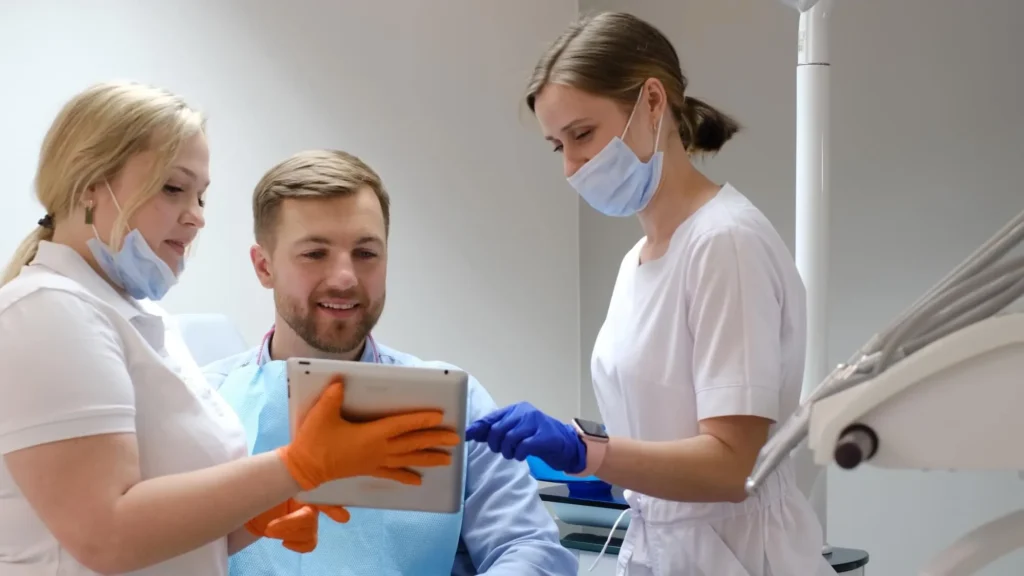
Dental Implants in Montgomery County and Personalized Holistic Care
Every implant treatment plan begins with understanding the patient as a whole, not simply replacing a missing tooth. Careful evaluation of bone structure, bite function, oral health, healing patterns, and material preferences helps create a plan that supports lasting results.
Maryland Holistic Dentist combines advanced diagnostics, CBCT imaging, biocompatible zirconia implants, ozone therapy, and patient-centered planning to create personalized implant solutions. Their holistic philosophy focuses on supporting healthy function, long-term oral stability, and whole-body wellness through thoughtful, individualized care.
Schedule a consultation to learn how a personalized approach to dental implants in Montgomery County can help restore comfort, function, and confidence in your smile.