 (301) 421 1996
 burtonsvillesmiles@gmail.com


Losing one tooth may seem like a small change, especially when the gap is not visible when you smile. Yet that space can affect how you chew, how neighboring teeth function, and how the underlying bone responds over time. If you are wondering how to replace one missing tooth, a holistic dentist in Burtonsville, MD can evaluate more than the gap itself, considering your bone, bite, surrounding teeth, overall oral health, and material preferences when discussing your replacement options.
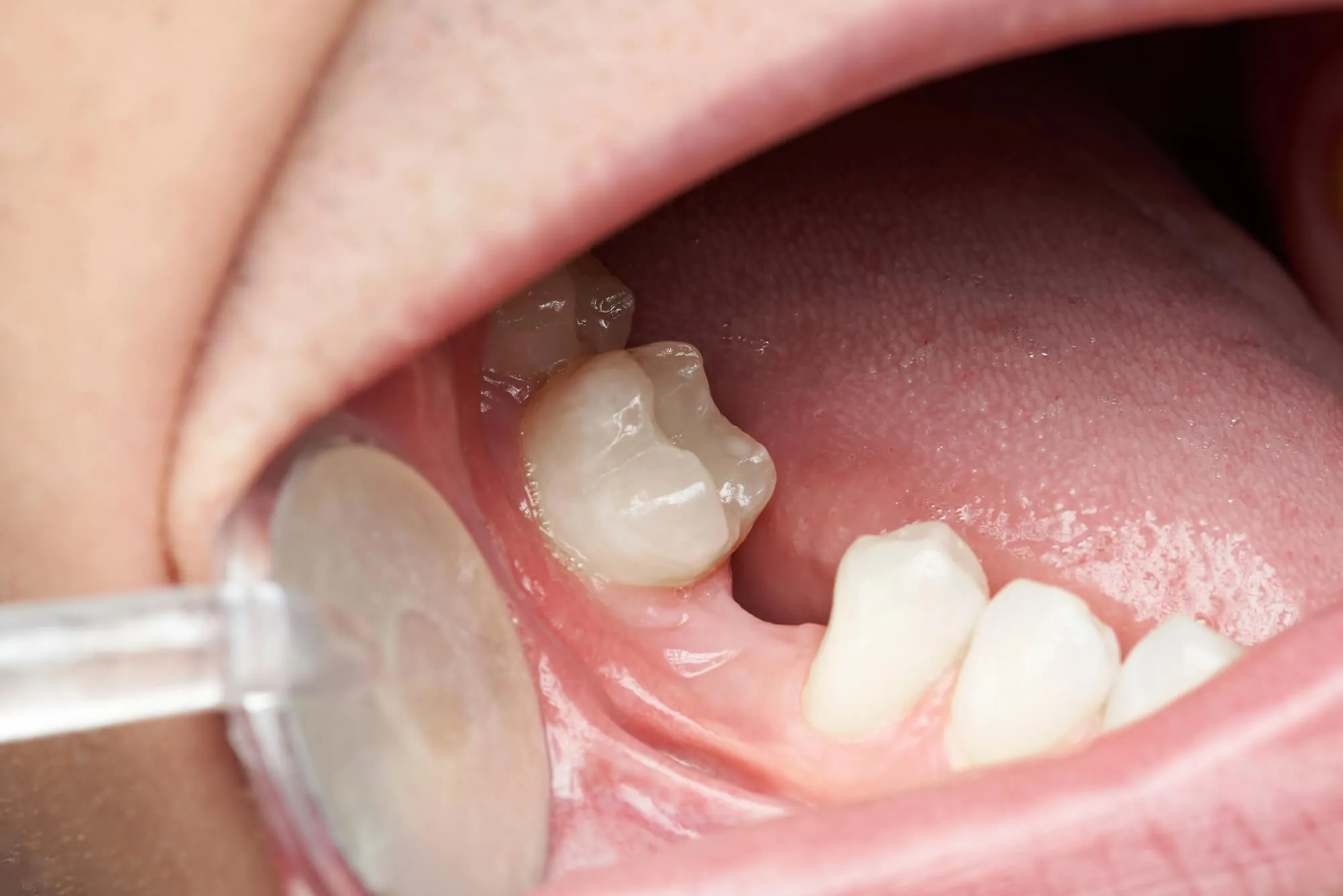
Why a Missing Tooth Should Be Replaced
Each tooth contributes to the way your mouth functions. After a tooth is lost, neighboring teeth may gradually shift into the open space, which can affect alignment and bite relationships. The jawbone in that area also loses the stimulation once provided by the natural tooth root.
Replacing the tooth can restore chewing function, maintain spacing, and support the surrounding structures. The appropriate method depends on several factors, including the location of the missing tooth, the health of neighboring teeth, the available bone, and whether a fixed or removable restoration is appropriate for your needs.
A biological approach also considers why the tooth was lost and the condition of the surrounding tissues rather than viewing replacement as simply filling an empty space.
Single-Tooth Dental Implant
A single tooth implant replaces the missing tooth from the root upward. An implant made from titanium or zirconia is placed in the jawbone, where the surrounding bone gradually integrates with it during healing. A restoration is then attached to replace the visible portion of the missing tooth.
One advantage of an implant is that it stands independently. Healthy neighboring teeth do not need to be reshaped to support the replacement.
For appropriate candidates, a tooth implant in Burtonsville can provide a fixed option that replaces both the missing root and the visible portion of the tooth.
Implant planning considers available bone, gum health, bite forces, nearby anatomical structures, and overall health. Three-dimensional CBCT imaging may be used to evaluate the implant site and surrounding structures during treatment planning.
Dental Bridge
A traditional dental bridge replaces a missing tooth using neighboring teeth for support. The teeth on either side of the gap are prepared for crowns, with an artificial tooth connected between them.
A bridge provides a fixed replacement without the need for implant placement. It may be considered when implant surgery is not appropriate or when the teeth adjacent to the space already require restorative care.
One important consideration is that healthy adjacent teeth generally need to be reshaped to support a conventional bridge. A bridge also replaces the visible portion of the missing tooth without replacing the root within the jawbone.
These differences matter when comparing a dental implant vs. a bridge for one missing tooth. Looking at the health of the entire area can help determine which approach is more appropriate.
Removable Partial Denture
A removable partial denture is another option for replacing one or several missing teeth. Unlike an implant or a conventional bridge, the appliance can be removed for cleaning.
Partial dentures use replacement teeth attached to a removable base and rely on remaining oral structures for support. They do not require implant surgery, which may make them appropriate for certain patients.
The experience is different from having a fixed replacement. A partial denture must be removed and cleaned regularly, and it does not replace the missing tooth root. Comfort, function, oral health, and personal preferences should all be considered when deciding whether a removable restoration fits your needs.

Implant vs. Bridge: Key Differences
There is no single factor that determines which option is appropriate for every patient. Comparing an implant and a bridge requires looking at how each restoration interacts with the surrounding oral structures.
Important differences include:
- Support: An implant is supported by the jawbone, whereas a conventional bridge relies on neighboring teeth.
- Adjacent teeth: Implant placement generally does not require reshaping healthy teeth beside the gap. A conventional bridge usually does.
- Bone: An implant replaces the missing root and transfers functional forces to the surrounding bone.
- Treatment process: Implant treatment involves surgery and healing, while a bridge does not require implant surgery.
- Cleaning: Both require consistent oral hygiene, although daily cleaning methods differ.
- Materials: Implant and restorative materials can be selected based on clinical needs and biological compatibility.
The condition of the neighboring teeth can be particularly important. Preparing two healthy teeth for a bridge involves different considerations than preparing teeth that already need crowns or substantial restorative work.
Titanium vs. Zirconia Implants
Patients considering permanent tooth replacement may also have questions about implant materials. Both titanium and zirconia are used in implant dentistry, with material selection based on clinical considerations and the patient’s needs.
Titanium has a long history of use in implant dentistry and is used for many implant cases. Zirconia is a ceramic, metal-free material that offers an alternative for patients seeking to minimize metal exposure or address specific biological considerations.
A biological approach considers more than whether a material is strong enough to replace a tooth. Biocompatibility and the way a material interacts with the patient’s oral environment are also part of treatment planning.
Tooth location, bite forces, grinding or clenching, gum tissue, available bone, implant design, and material preferences may influence the recommendation. Rather than assuming one implant material is appropriate for everyone, the dentist evaluates these factors as part of the complete treatment plan.
Choosing a Tooth Replacement in Burtonsville
Knowing how to replace a missing tooth starts with understanding why the tooth was lost and evaluating the remaining structures.
A dental evaluation may consider:
- Bone volume and quality
- Gum and tissue health
- Condition of neighboring teeth
- Bite and chewing forces
- Location of the missing tooth
- Existing dental work
- Material preferences
- Overall oral and health history
For implant candidates, three-dimensional CBCT imaging can provide detailed information about available bone and nearby anatomical structures. Biological implant planning may incorporate supportive approaches such as PRF and ozone when appropriate.
The goal is not simply to close the space. A thoughtful tooth replacement plan considers how the new tooth will function with the surrounding teeth, gums, bone, and bite while respecting the patient’s broader health needs.
Frequently Asked Questions
Is an implant always the right choice for one missing tooth?
No. A single implant can provide an independent, fixed replacement, but candidacy depends on available bone, oral and overall health, tooth location, bite forces, and other clinical factors. A bridge or removable restoration may make more sense in certain circumstances.
Can one implant replace one tooth?
Yes. A single dental implant can replace one missing tooth. The implant replaces the root portion within the jaw, while a custom restoration replaces the visible portion of the tooth.
Do I need a bone graft before getting an implant?
Not everyone needs bone grafting. It may be recommended when the implant site lacks sufficient bone to support the planned implant. Three-dimensional imaging can help evaluate available bone and support implant planning.
How do I choose between zirconia and titanium?
The choice depends on clinical needs, including tooth location, bite forces, gum tissue, material preferences, and the requirements of the implant case.

Discuss Your Options With a Holistic Dentist in Burtonsville, MD
Replacing one missing tooth involves more than closing a gap. Bone health, neighboring teeth, bite function, materials, and the reason for tooth loss can all influence the recommendation. Maryland Holistic Dentist approaches tooth replacement with attention to oral health, overall wellness, and biological compatibility. Schedule a consultation to compare implants, bridges, and removable options, and discuss a personalized approach tailored to your oral health needs.