 (301) 421 1996
 burtonsvillesmiles@gmail.com


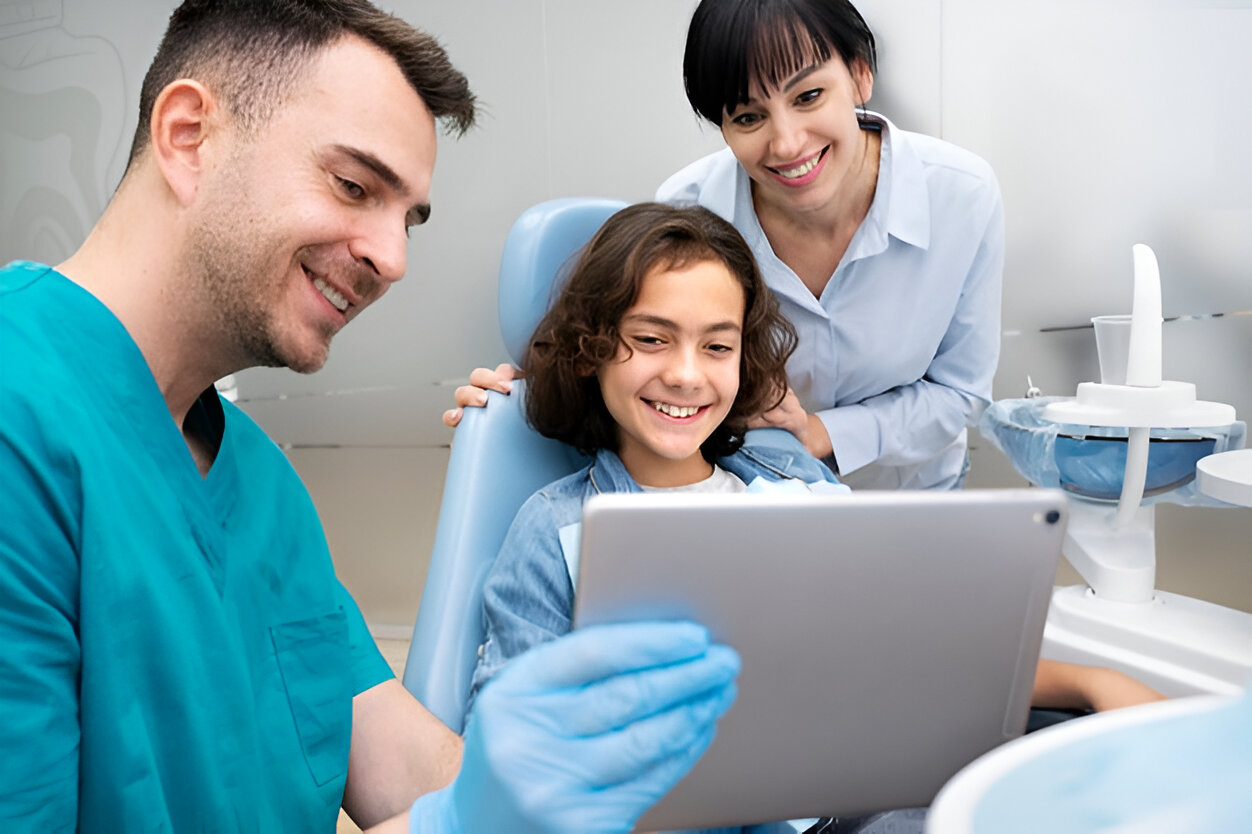
Replacing a missing tooth is only the beginning of the implant process. Many patients expect the procedure to end once the implant is placed, yet much of the healing happens afterward. During this stage, the surrounding bone and tissues gradually adapt while your dentist monitors recovery and long-term stability. If you’re considering a tooth implant in Burtonsville, knowing what to expect after placement can help you feel more prepared for each stage of healing and follow-up care.

Healing Continues After Implant Placement
Receiving a dental implant is an important milestone, but successful treatment depends on more than the procedure itself. Healing allows the implant to become integrated with the surrounding bone while soft tissues recover.
Bone and the Implant Begin Working Together
After an implant is placed, the jawbone gradually bonds with its surface through a natural healing process known as osseointegration. This process provides the stability needed for the implant to support a future restoration.
Healing occurs gradually over several weeks and months. Every patient heals differently, so recovery timelines vary according to oral health, bone quality, and the type of treatment performed.
Soft Tissues Also Heal
While the jawbone is adapting beneath the surface, the surrounding gums also begin to heal. Healthy soft tissue helps protect the implant and contributes to long-term comfort.
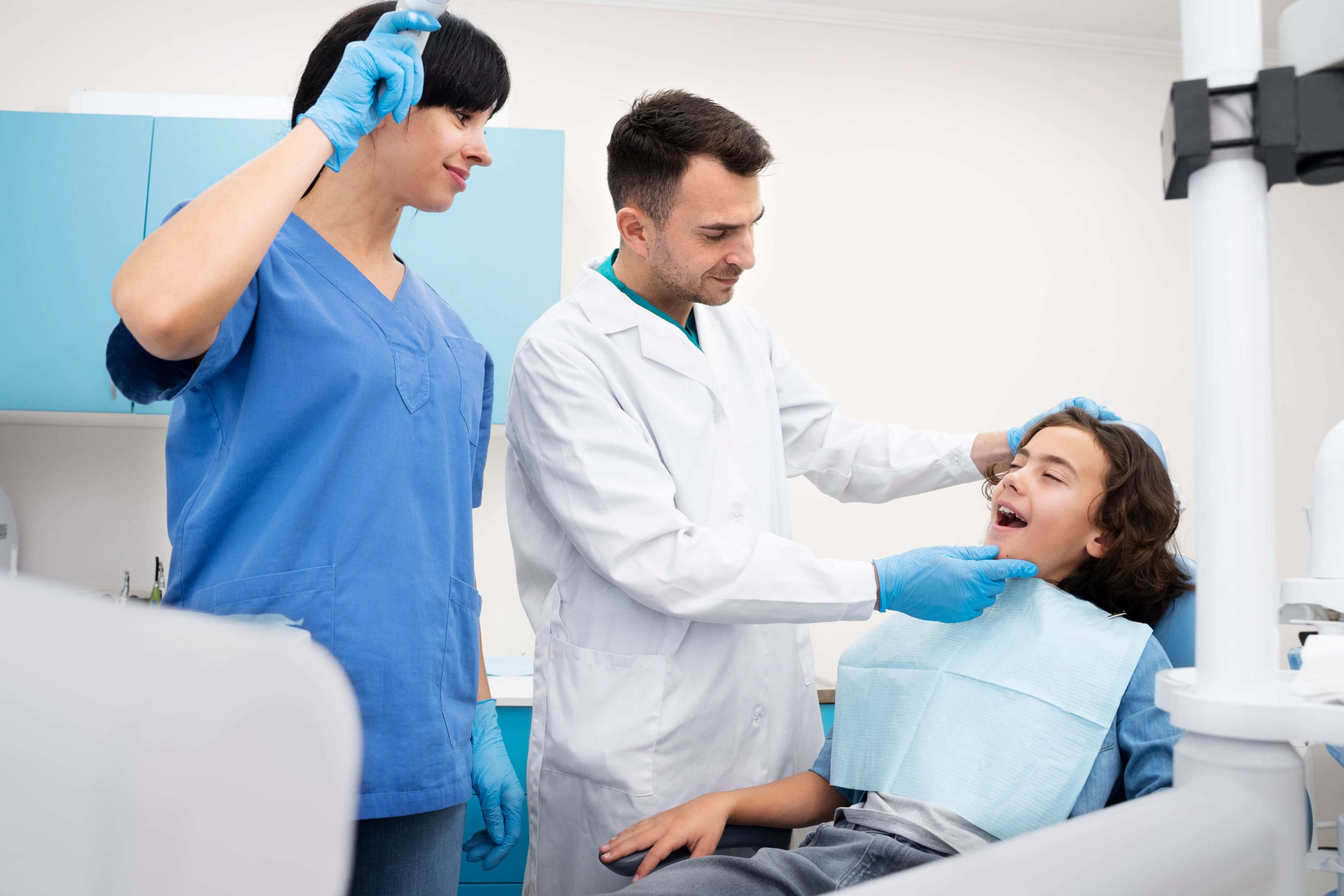
During follow-up appointments, your dentist evaluates how the tissues are responding and whether healing is progressing as expected.
Recovery Looks Different for Every Patient
Healing is influenced by several factors, including:
- Bone quality
- Overall health
- Oral hygiene habits
- Complexity of treatment
Because every situation is unique, recovery is monitored through regular evaluations rather than following one standard timeline.
Follow-Up Visits Help Monitor Progress
Implant treatment continues after surgery through carefully scheduled follow-up appointments.
Monitoring Healing
Each follow-up visit allows your dentist to evaluate how the implant, surrounding bone, and soft tissues are responding.
These appointments may include:
- Examination of the surgical area
- Assessment of tissue healing
- Evaluation of implant stability
- Review of oral hygiene
- Discussion of any questions or concerns
Regular monitoring helps determine when the next stage of treatment can begin.
Advanced Imaging May Be Recommended
In some cases, three-dimensional CBCT imaging may be recommended to evaluate healing beneath the gums. This technology provides detailed views of the implant site, surrounding bone, and nearby anatomical structures when additional assessment is needed.
The information gathered helps support personalized treatment planning throughout the healing process.
Protecting the Implant During Healing
Healing tissues benefit from stability while the implant integrates with the bone.
Your dentist may recommend:
- Avoiding excessive pressure on the implant area
- Following oral hygiene instructions carefully
- Attending scheduled follow-up visits
- Reporting unusual discomfort or changes promptly
These recommendations are tailored to each patient’s treatment plan and stage of healing.

Restoring the Implant Is the Next Step
Once healing has progressed and the implant has integrated with the jawbone, attention turns to restoring the missing tooth.
A Custom Restoration Is Created
The implant itself replaces the tooth root, while a custom restoration replaces the visible portion of the tooth. The restoration is designed to fit comfortably with your bite while blending naturally with the surrounding teeth.
Several factors are considered during this stage, including:
- Bite alignment
- Tooth shape and size
- Surrounding teeth
- Gum contours
- Long-term function
This individualized approach helps the final restoration feel comfortable and function as part of your natural smile.
Supporting Healing With a Holistic Approach
Biological dentistry considers healing an important part of implant success. Along with careful treatment planning, supportive therapies may be incorporated when appropriate to encourage healthy tissue response.
Depending on the treatment plan, supportive care may include:
- Ozone therapy, which may be used to support a healthy oral environment during healing.
- Platelet-rich fibrin (PRF), which uses the patient’s own blood components to support the body’s natural healing response.
- Conservative surgical techniques, which focus on preserving healthy tissues whenever possible.
These approaches are selected according to each patient’s needs and are intended to complement, not replace, established implant procedures.
Long-Term Care Helps Protect Your Implant
Dental implants are designed to become part of your everyday oral function. Like natural teeth, they benefit from consistent care and regular professional evaluations.
Daily Home Care Remains Important
Although implants cannot develop cavities, the surrounding gums and bone still require ongoing care. Maintaining good oral hygiene supports healthy tissues around the implant.
Daily care typically includes:
- Cleaning carefully around the implant
- Flossing or using recommended cleaning aids
- Following your dentist’s home care instructions
Healthy daily habits contribute to long-term implant stability.
Regular Dental Visits Continue
Routine examinations remain an important part of caring for dental implants. During these visits, dentists evaluate the implant, surrounding tissues, bite function, and overall oral health.
These appointments allow small changes to be identified early while helping maintain the health of both the implant and the surrounding oral structures.
Frequently Asked Questions
How long does healing take after implant placement?
Healing varies from patient to patient. Factors such as bone quality, gum health, and the complexity of treatment influence the timeline. Your dentist monitors healing during follow-up visits before moving to the next stage of treatment.
Will I receive my final tooth immediately after the implant is placed?
Not always. Many implant treatments involve a healing period before the final restoration is attached. Your dentist will explain the expected timeline based on your treatment plan.
Why are follow-up appointments important?
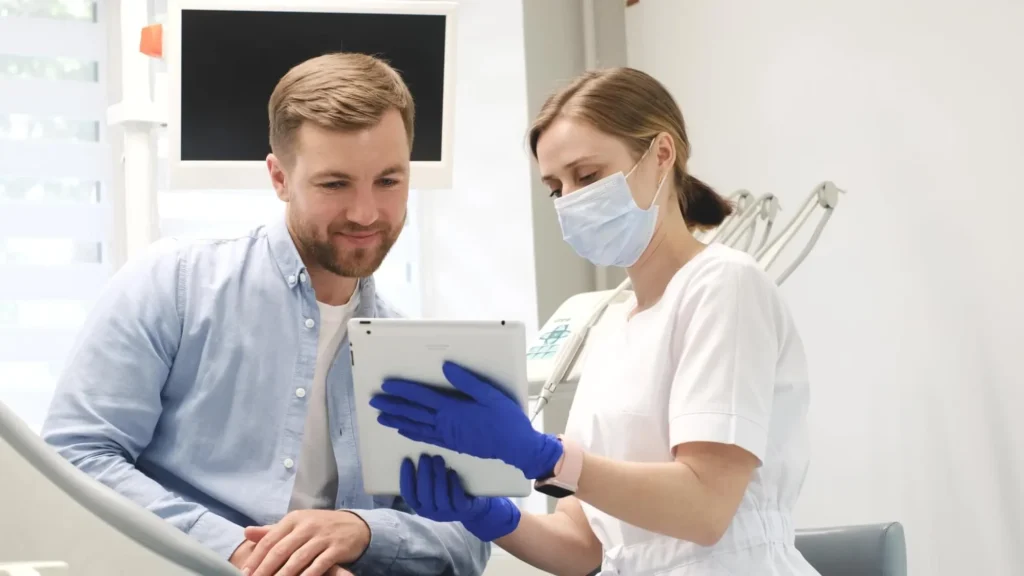
Follow-up visits allow your dentist to evaluate healing, monitor implant stability, and determine when the next stage of treatment is appropriate. They also provide an opportunity to answer questions and review home care recommendations.
Learn More About Tooth Implant Burtonsville
Healing continues long after a dental implant is placed. Regular monitoring, healthy daily habits, and personalized treatment planning all contribute to long-term oral function and stability. Every patient heals differently, making follow-up care an important part of the overall process.
Maryland Holistic Dentist provides personalized implant care using comprehensive evaluations, CBCT imaging, zirconia implants, ozone therapy, PRF, and patient-centered treatment planning. Schedule a consultation to learn how a tooth implant Burtonsville treatment plan can support your long-term oral health and confident smile.