
 (301) 421 1996
 burtonsvillesmiles@gmail.com



A missing tooth does not always feel urgent at first. You may adapt by chewing on the other side, avoiding certain foods, or smiling a little differently in photos. Over time, though, small adjustments can affect comfort, function, and the way your bite fits together. If you have been weighing your options and want clarity on what readiness looks like, this guide breaks down common signs that a tooth implant in Burtonsville consultation may be timely.
Tooth implants are designed to replace a missing tooth root and support a crown, helping restore everyday function. Readiness is not about hitting a single milestone. It’s often a mix of practical signs, oral health factors, and lifestyle needs.

What a Tooth Implant Does in Simple Terms
A tooth implant is a small post placed in the jawbone to support a replacement tooth. Once integrated with the bone, it can hold a crown that functions like a natural tooth for chewing and speaking.
Unlike options that rely on neighboring teeth for support, an implant stands on its own. That can be appealing for people who want stability without placing added load on adjacent teeth.
Signs You May Be Ready for a Tooth Implant
1) You’re Avoiding Certain Foods
If chewing has become less comfortable, you may start skipping foods that once felt easy—crunchy vegetables, steak, nuts, or crusty bread. This often happens when:
- You have a gap that makes chewing uneven
- A removable option shifts during meals
- You feel pressure on neighboring teeth
Avoiding food can be a sign that your bite needs more stable support.
2) You Chew Mostly on One Side
Favoring one side is a common adjustment after tooth loss. It can feel manageable short-term, but uneven chewing may contribute to:
- Muscle fatigue on the “working” side
- Extra stress on certain teeth
- Bite changes that gradually feel less balanced
If you’ve noticed you always chew on the same side, it may be worth discussing whether an implant could support a more even bite.
3) Your Removable Tooth Feels Unstable or High-Maintenance
Some people do well with a removable partial denture, while others find it annoying or unreliable. You may be ready to consider an implant if you notice:
- Movement during speaking or eating
- Frequent sore spots
- Ongoing adjustments
- Concerns about adhesive products
A tooth implant can offer a fixed option that does not rely on clasps or daily removal.
4) The Gap Is Starting to Bother You More
Even if you initially felt okay about a missing tooth, feelings can change. You might notice:
- Air passing through the space when you speak
- Food packing in the area
- More self-consciousness when smiling
- Frustration with how the space affects everyday comfort
These are valid reasons to explore more stable replacement options.
5) Neighboring Teeth Are Shifting
When a tooth is missing, nearby teeth may drift into the open space. Over time, that can affect spacing and bite contact. Some clues include:
- A new gap forming between teeth
- Changes in how floss fits
- Teeth looking slightly tilted
- Bite feeling “off” compared to before
Shifting does not happen overnight, so early evaluation can be helpful.
6) You’ve Had Repeated Dental Work Near the Missing Tooth Area
If you have a history of recurring problems with a nearby tooth or a bridge that keeps needing attention, an implant may be worth discussing as an alternative. People often explore implants when they want an option that stands independently rather than relying on neighboring teeth for support.
7) You Want a Long-Term, Low-Fuss Option
Some patients are simply ready for something that feels more like a natural tooth and requires less daily management than removable options. You may be ready for a tooth implant if you value:
- Stronger chewing support
- A fixed replacement option
- A restoration that does not depend on adjacent teeth
This is often less about urgency and more about what fits your lifestyle.
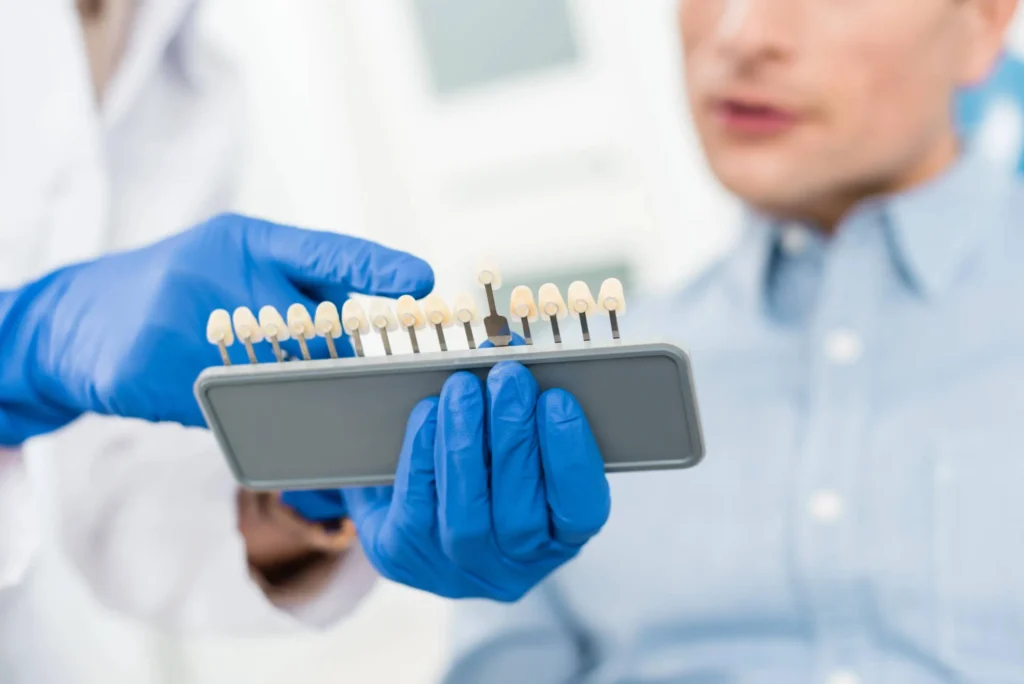
Timing Factors That Influence Implant Planning
Healing After Tooth Removal
If a tooth was removed recently, the site may need time to heal before implant placement. In some cases, planning begins right away, while in others, dentists prefer to allow the tissue and bone to stabilize first. Your dentist will guide the timeline based on your specific situation.
Bone and Gum Health
Implant planning depends on healthy gum tissue and sufficient bone support. If bone volume is limited, additional planning may be discussed to support stability. The key takeaway: readiness is not just about wanting an implant—it’s also about whether the foundation is strong enough for predictable support.
Your Overall Oral Hygiene Habits
Implants still require consistent care. If you’re already committed to brushing, flossing, and routine dental visits, that supports long-term maintenance. If oral hygiene has been inconsistent, your dentist may recommend steps to improve gum health before proceeding.
What to Expect During an Implant Evaluation
A Detailed Exam and Imaging
A tooth implant consultation usually includes a clinical exam and imaging to assess:
- Bone volume and density
- Gum tissue health
- Bite alignment
- The position of nearby teeth and roots
Many practices use advanced imaging to plan implant placement precisely.
A Personalized Timeline
Your dentist will outline the steps and the expected timeline, which may include:
- Preparation or site healing
- Implant placement
- Healing/integration time
- Crown placement
Timelines vary, so your plan should reflect your mouth—not a generic template.
Material and Restoration Options
Depending on the practice, you may be able to discuss different implant materials and crown options. Some patients also want metal-free options. If that matters to you, it’s worth raising during the consultation so your plan aligns with your preferences.
When a Tooth Implant May Not Be the Right Next Step
Being “ready” can also mean understanding when to pause. In some cases, your dentist may recommend addressing gum inflammation, improving oral hygiene consistency, or planning for additional support before implant placement. That is not a dead end—it’s part of building the strongest foundation for a stable result.

Ready to Talk About Your Tooth Implant in Burtonsville Options?
If you’re noticing changes in chewing comfort, bite balance, or daily confidence, a tooth implant consultation can help you review options based on your oral health, lifestyle, and long-term goals. Maryland Holistic Dentist offers thoughtful planning, clear communication, and modern diagnostics to help you move forward with a replacement option that feels stable and functional.
Schedule a consultation to discuss your tooth replacement options and get a plan built around your needs.